Obesity Is What Ending the American Shorthair’s Job Cost It
It’s a tough truth that many American Shorthair owners face: your beloved feline companion, who once embodied the robust spirit of a working barn cat, might now be struggling with their waistline. The journey from diligent mouser to pampered house pet has brought an unexpected challenge, as their ingrained instincts to hunt and eat clash with a much more sedentary, comfortable life. This guide will walk you through why this happens, how to recognize the signs, and most importantly, how to help your American Shorthair maintain a healthy weight for a long, happy life.
The Working Cat's Legacy and Modern Lifestyle Shift
For centuries, the ancestors of our American Shorthairs earned their keep. They were the original pest control experts, vital members of any farm, ship, or homestead. Their lives were a constant cycle of patrol, stalk, pounce, and eat. This active existence meant that a hearty appetite and a strong, muscular build were assets, not liabilities. Fast forward to today, and most American Shorthairs enjoy a life of luxury inside our homes, far removed from the rigors of barn life. This dramatic shift has left many of them struggling with an internal blueprint that no longer matches their daily reality.
From Barn Cat to House Cat: A Historical Overview
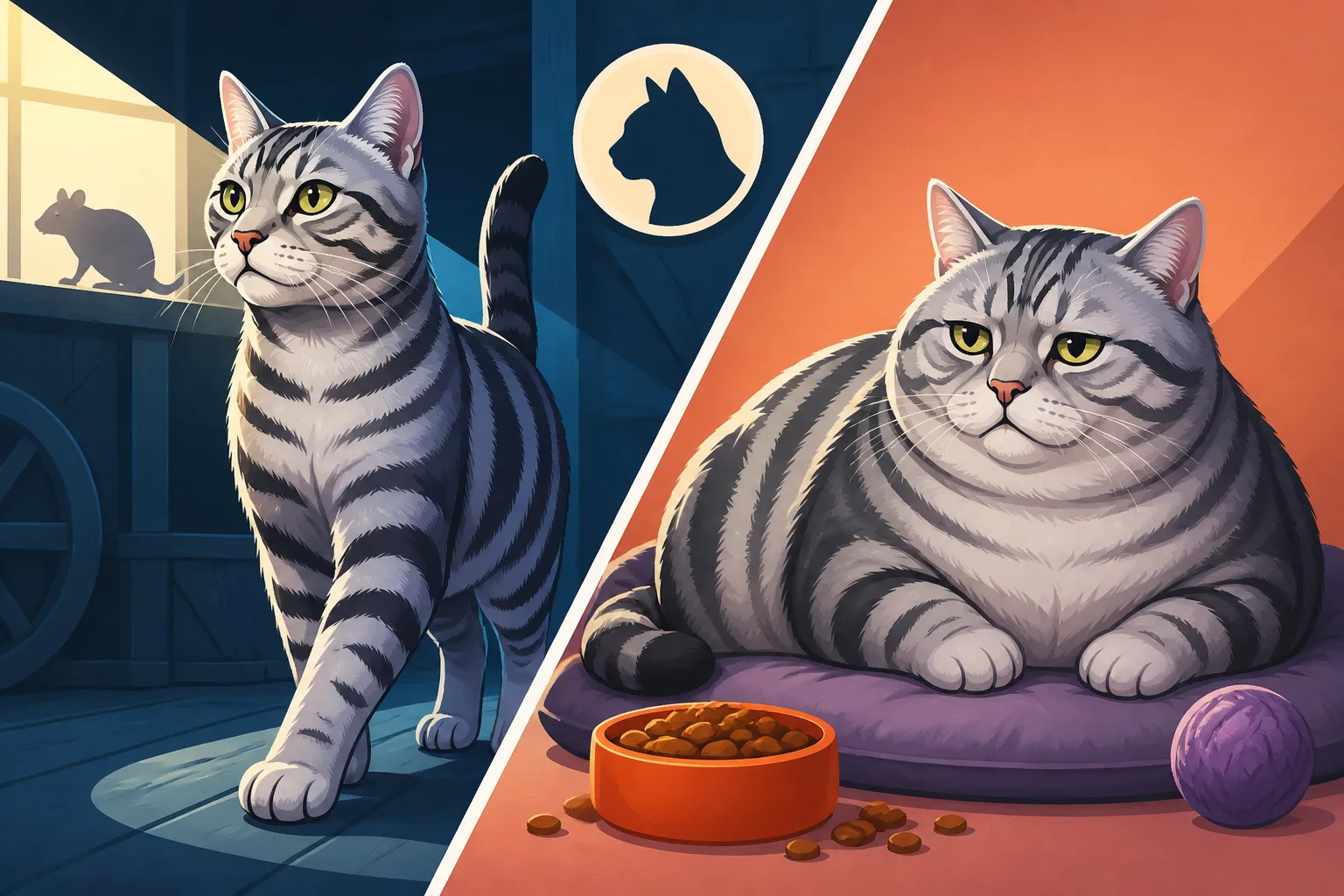
Imagine a cat living on a New England farm in the 1700s. Its day began before dawn, scouting out rodents in the barn, defending grain stores from mice, and perhaps even fending off small snakes. Every meal was earned through effort – a successful hunt meant sustenance. These cats were lean, agile, and always on the move. Their strong, compact bodies and quick reflexes were honed by necessity. They had to be efficient hunters to survive, and their metabolism was perfectly tuned to convert every calorie into energy for the next chase. This wasn’t just a job; it was their entire existence, shaping their very genetics and physiology over generations.
The Sedentary Reality of Indoor Living
Now, picture your American Shorthair. They wake up on a plush bed, saunter to a bowl that's always full of kibble, maybe bat a toy mouse around for five minutes, and then settle in for a long nap in a sunbeam. The biggest "hunt" of their day might be stalking a dust bunny under the sofa. There's no longer a need to expend significant energy to secure food. The calorie intake remains high, reflecting that ancient genetic programming, but the caloric output has plummeted. This creates a massive imbalance. Even the most playful indoor cat can't replicate the sheer volume of activity their ancestors undertook daily, making weight gain an almost inevitable consequence without careful management.
The Evolutionary Drive to Eat Persists
The real kicker here is that an American Shorthair’s digestive system and appetite are still wired for that high-energy, unpredictable hunting life. Their bodies are incredibly efficient at storing fat for leaner times that, for our indoor companions, never come. This means they often feel hungry even when their caloric needs have been met, or even exceeded. It's not a lack of willpower on their part; it's a deep-seated evolutionary trait. When food is readily available, their instinct is to eat it, because historically, they never knew when the next meal (or hunt) would be successful. This fundamental mismatch between their genetic programming and modern environment is the root cause of the widespread obesity issue we see in the breed today.
Understanding the American Shorthair's Unique Physique
The American Shorthair is celebrated for its sturdy, well-built frame – a testament to its working heritage. This isn't a delicate, lithe breed; it's a powerful, compact cat designed for resilience and strength. However, this very build, while admirable, can inadvertently contribute to the problem of obesity by making it harder for owners to spot those creeping extra pounds.
Built for Work: The Muscular, Square Frame
The American Shorthair standard calls for a medium-to-large cat with a muscular, well-balanced body. They have a broad chest, powerful shoulders, and a generally square or rectangular profile, often described as cobby, but still agile. Their bone structure is substantial, supporting a dense musculature that once allowed them to leap and pounce with incredible force. This isn't a cat meant to be skinny; they are meant to be robust. A healthy American Shorthair should feel solid and dense, not fragile. This inherent strength and stockiness can be a double-edged sword when it comes to weight management, as a few extra pounds can easily blend into their naturally ample physique.
Why Their Robust Build Hides Weight Gain
Unlike a svelte Siamese or a lanky Abyssinian, where a slight gain is immediately obvious, an American Shorthair's broad chest and dense coat can easily camouflage early weight accumulation. That "solid" feeling can quickly turn into "chubby" without an owner realizing it. What might seem like a healthy layer of muscle can, over time, become an unhealthy layer of fat. Their naturally rounded contours and deep chests can make it difficult to visually assess their waistline or rib cage. Many owners might dismiss a slightly broader appearance as just their breed's typical sturdy nature, failing to recognize that their cat is already on the path to being overweight. This makes regular, tactile assessments even more crucial.
The Challenge of Assessing Ideal Weight
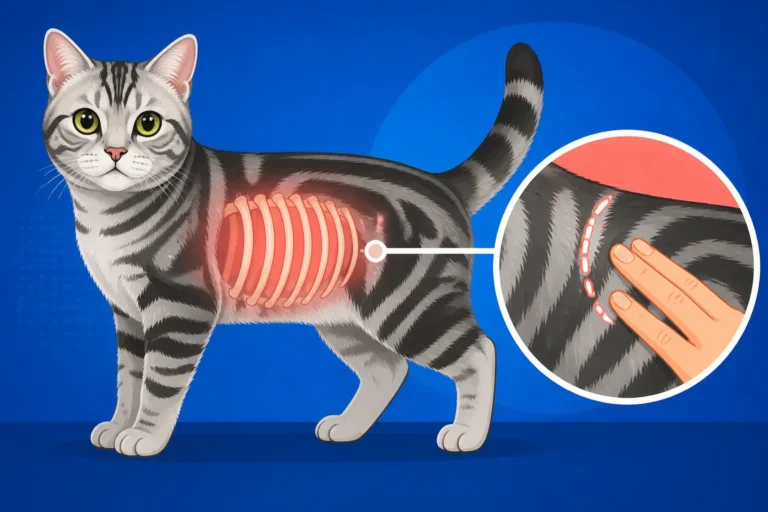
Because of their varied sizes and robust builds, there isn't a single "ideal weight" for all American Shorthairs. A smaller female might be perfectly healthy at 8 pounds, while a large male could be a lean 15 pounds. Relying solely on a number on the scale can be misleading. Instead, we need to focus on body condition. This involves a hands-on approach: you should be able to feel your cat's ribs without pressing hard, see a discernible waist when looking down from above, and observe an abdominal tuck when viewed from the side.
If you're unsure, consulting your veterinarian is always the best first step. They can provide an objective assessment and help you understand your cat’s individual ideal weight range based on their specific frame and musculature. This is critical, as knowing what a healthy weight looks and feels like for your particular American Shorthair is the first step in combating obesity. If you struggle to feel those ribs or notice a sagging belly, it's very likely your American Shorthair is carrying more weight than is healthy, which is often easier to spot once you know How to Spot Weight Gain on a Square Built American Shorthair.
The Health Consequences of Feline Obesity
The hidden pounds on an American Shorthair aren't just an aesthetic concern; they pose serious, tangible threats to your cat’s long-term health and well-being. What began as a harmless bit of extra fluff can quickly snowball into a cascade of chronic diseases, dramatically impacting their quality of life and potentially shortening their lifespan.
Strain on Joints and Mobility Issues
One of the most immediate and painful consequences of obesity is the increased stress it places on your American Shorthair’s joints. Their robust, working frame was designed to carry a healthy, muscular weight, not excess fat. Every extra pound means more pressure on their hips, knees, and spine. This constant strain accelerates the wear and tear on cartilage, leading to painful conditions like arthritis. You might start to notice your cat becoming less enthusiastic about jumping onto the counter, or they might struggle to climb their favorite cat tree. This reduced mobility then creates a vicious cycle: less movement leads to more weight gain, which in turn leads to more pain and even less movement. It’s a sad reality, but Why a Stocky Build Costs an American Shorthair Its Hips is a direct result of carrying too much weight, and you might eventually notice Why an American Shorthair Stops Jumping to the Counter. Over time, this can severely limit their ability to enjoy simple pleasures, turning an active, playful companion into a sedentary, uncomfortable one.
Increased Risk of Diabetes Mellitus
Just like in humans, obesity is a significant predisposing factor for Type 2 diabetes in cats. The excess fat interferes with the body's ability to properly use insulin, leading to insulin resistance. This means the cells don't respond effectively to insulin, causing blood sugar levels to rise dangerously. If left unmanaged, feline diabetes requires daily insulin injections, special diets, and constant monitoring, which can be a huge commitment for owners and a major disruption to a cat's life. The good news is that for many cats, weight loss can actually reverse or significantly improve diabetes, sometimes even leading to remission. However, preventing it in the first place by maintaining a healthy weight is always the best approach. This condition is a stark reminder of How Weight Turns Into Diabetes in an American Shorthair.
Heart Health and Hypertension Concerns
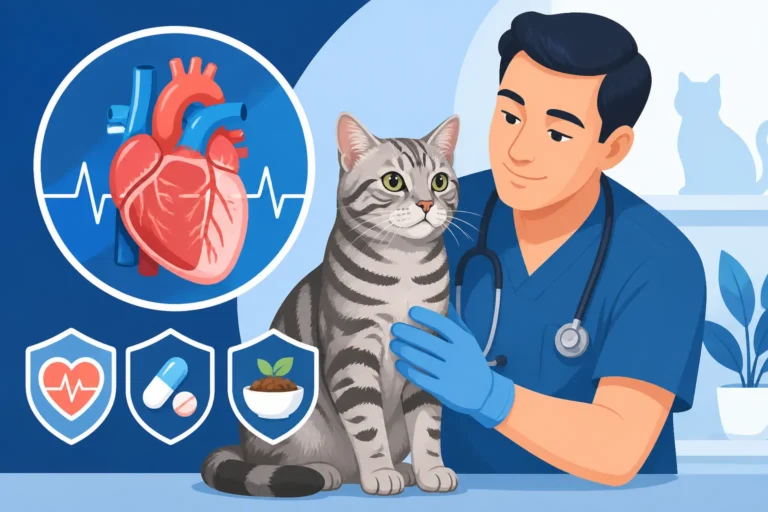
While American Shorthairs are generally known for their robust health, obesity can put additional stress on their cardiovascular system. Extra weight means the heart has to work harder to pump blood throughout the body, potentially leading to increased blood pressure (hypertension). While genetic factors play a significant role in conditions like HCM (Hypertrophic Cardiomyopathy), maintaining a healthy weight can help mitigate some of the associated risks and overall strain on the heart. An overweight cat is also at a higher risk for complications if they develop any underlying heart conditions, making regular check-ups and a healthy lifestyle even more critical. Even for a hardy breed, it's vital to remember Why an American Shorthair Still Needs a Yearly Heart Scan, and managing weight contributes significantly to positive outcomes.
Other Obesity-Related Complications
The ripple effects of obesity extend even further. Overweight American Shorthairs are more prone to a range of other health problems, including:
- Fatty Liver Disease (Hepatic Lipidosis): If an overweight cat stops eating suddenly (due to stress, illness, or rapid dieting), their body mobilizes fat stores to the liver, which can quickly become overwhelmed and lead to a life-threatening condition.
- Urinary Tract Issues: Obese cats may have more difficulty posturing correctly in the litter box, leading to urinary retention or inappropriate urination. They can also be at a higher risk for certain types of bladder stones.
- Difficulty Grooming: A thick layer of fat makes it hard for cats to reach all areas of their body, particularly their back and hindquarters. This can lead to matted fur, skin infections, and overall poor coat condition.
- Reduced Immune Function: Obesity can compromise the immune system, making cats more susceptible to infections and illnesses.
- Anesthetic Risk: Should your American Shorthair need surgery, anesthesia becomes riskier due to the extra strain on their organs and the challenge of accurately dosing medications.
- Shortened Lifespan: Ultimately, all these health issues combine to reduce an American Shorthair's overall lifespan and diminish their quality of life. What Extra Weight Does to an American Shorthair's Working Frame is a harsh reality that can steal years from your companion.
Recognizing the Signs of Weight Gain
Catching weight gain early is paramount. It’s much easier to shed a few initial pounds than to tackle severe obesity. Since their sturdy build can mask the problem, knowing what to look for, both visually and behaviorally, is key.
Visual Cues and Body Condition Scoring
Forget the number on the scale for a moment and focus on the shape and feel of your cat. The best tool for this is a Body Condition Score (BCS) chart, which typically ranges from 1 (emaciated) to 9 (morbidly obese), with 5 being ideal.
Here’s what to look for to assess your American Shorthair's body condition:
- Ribs: Gently run your hands along your cat's sides. In an ideal weight American Shorthair, you should be able to easily feel the ribs, much like feeling the knuckles on your hand, but without seeing them protrude. If you can’t feel them at all, or have to press hard, your cat is likely overweight.
- Waistline: When looking down at your cat from above, you should see a slight indentation behind their ribs, creating a defined waist. An overweight cat will have little to no waist, appearing more like a continuous oval or even bulging outwards.
- Abdominal Tuck: When viewing your cat from the side, their abdomen should tuck up slightly behind the rib cage, not sag or hang low. A prominent "belly pouch" that swings when they walk (a primordial pouch is normal, but an excessively large, fatty one is not) is a strong indicator of excess weight.
- Back and Spine: You should be able to feel the spine and hip bones with a light touch, but they shouldn't be sharply prominent. In an overweight cat, these areas are often buried under a layer of fat.
Use this table as a quick reference, but remember to feel your cat regularly:
| BCS Score | Description | Visual & Tactile Cues |
|---|---|---|
| 1 | Emaciated | Ribs, spine, and hip bones easily visible and prominent. No discernible fat. Severe abdominal tuck. |
| 3 | Thin | Ribs easily palpable with minimal fat cover. Waist visible. Abdominal tuck evident. |
| 5 | Ideal | Ribs easily palpable with slight fat cover. Waist visible but not extreme. Abdominal tuck present. Your American Shorthair should feel solid and muscular. This is the sweet spot for How to Tell an American Shorthair's Stiffness From Middle Age. |
| 7 | Overweight | Ribs palpable with difficulty; moderate fat cover. Waist barely discernible. Slight abdominal sag. |
| 9 | Obese | Ribs not palpable under heavy fat cover. No waist visible. Obvious abdominal distension and sag. Fat deposits over lower back and tail base. This is often where Why an Old American Shorthair Slows Before It Limps becomes more evident. |
Knowing How to Spot Weight Gain on a Square Built American Shorthair is crucial for early intervention.
Behavioral Changes That Signal Extra Pounds
Beyond the physical signs, your American Shorthair's behavior can also give clues that they're carrying too much weight. These changes are often subtle at first but become more pronounced as the weight increases.
- Reduced Activity and Play: An overweight cat will simply have less energy. They might play less frequently, for shorter durations, and with less intensity. They might be less inclined to chase a wand toy or engage in active games that once thrilled them.
- Difficulty with Jumping and Climbing: Watch how your cat navigates their environment. Do they hesitate before jumping onto a favorite perch? Do they need to make multiple attempts or use a stepping stone they never used before? This is a strong indicator of joint strain and excess weight.
- Decreased Self-Grooming: As mentioned, it becomes harder for an obese cat to reach and groom their entire body. You might notice their coat becoming dull, matted, or greasy, especially around their back and hindquarters. They might also develop more dander or skin issues.
- Increased Lethargy and Sleep: While cats sleep a lot naturally, an overweight American Shorthair might seem even more lethargic, opting for prolonged naps over any form of activity.
- Changes in Temperament: Some cats may become more irritable or withdrawn if they are uncomfortable or in pain due to their weight.
The Importance of Regular Vet Checks
Even if you’re diligently monitoring your cat at home, nothing replaces the objective assessment of a veterinarian. Regular check-ups are vital for identifying weight issues before they become severe. Your vet can accurately weigh your cat, perform a professional body condition score, and conduct a thorough physical examination to rule out any underlying medical conditions contributing to weight gain or health problems exacerbated by it.
They can also provide tailored advice on diet and exercise specific to your cat's age, activity level, and any existing health concerns. This partnership with your vet is invaluable in formulating a safe and effective weight loss plan. Don't wait until you notice drastic changes; proactive veterinary care is key to ensuring your American Shorthair remains healthy and active throughout their life.
Crafting a Sustainable Weight Management Plan
Once you've identified that your American Shorthair is carrying extra weight, the next step is to implement a strategic, sustainable weight management plan. This isn't about crash dieting; it's about making thoughtful, gradual changes to their nutrition and activity levels that they can maintain long-term. Remember, patience and consistency are your greatest allies.
Nutritional Strategies for an Overweight American Shorthair
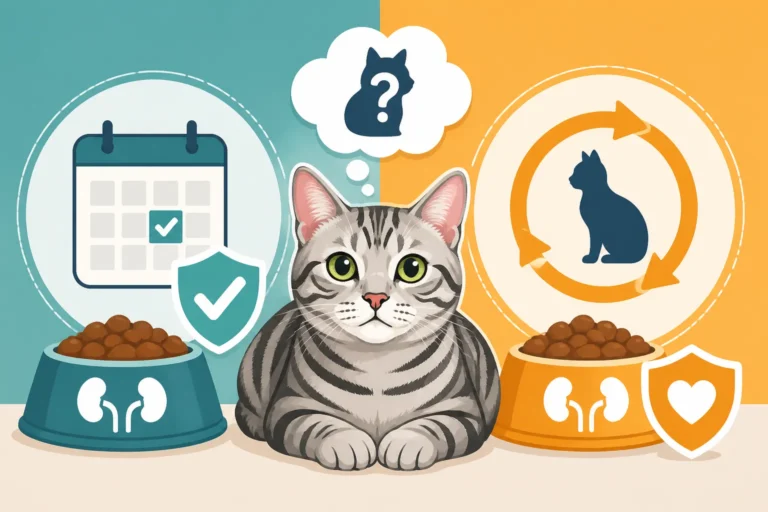
Diet is the cornerstone of any weight loss program for cats. It’s easy to inadvertently overfeed, especially a breed like the American Shorthair that was historically driven to eat whenever food was available.
- Accurate Portion Control: This is the absolute most critical step. Stop free-feeding. Instead, measure out your cat's food precisely. Your veterinarian will help you determine the ideal daily caloric intake based on your cat's target weight and activity level. Remember, the feeding guidelines on food bags are often for active cats and can lead to overfeeding in a sedentary indoor cat. For many American Shorthairs, their calorie needs are lower than you think. Did you know How Many Calories an Indoor American Shorthair Burns is surprisingly low?
- Choose the Right Food:
- High Protein, Moderate Fat, Low Carbohydrate: Cats are obligate carnivores, meaning their bodies are designed to process protein and fat, not carbohydrates. Look for foods with high-quality animal protein as the primary ingredient.
- Wet Food vs. Dry Food: Many vets recommend incorporating more wet food into an overweight cat's diet. Wet food typically has a higher moisture content, which helps cats feel fuller with fewer calories and contributes to hydration. It also generally has a lower carbohydrate content than most dry kibbles.
- Prescription Weight Loss Diets: For significant weight loss, your vet might recommend a prescription weight management diet. Brands like Purina Pro Plan Veterinary Diets OM (Overweight Management) or Royal Canin Satiety Support are specifically formulated to be lower in calories while still providing essential nutrients and increased fiber to help your cat feel full. These diets are carefully balanced to support healthy weight loss without nutrient deficiencies.
- Frequent Small Meals: Instead of one or two large meals, try dividing their daily ration into three or four smaller meals. This can help keep their metabolism revved up and prevent them from feeling overly hungry throughout the day, mimicking their natural tendency to hunt and eat small prey frequently.
Incorporating Play and Exercise into Their Day
Diet alone won't get your American Shorthair to their ideal weight; exercise is equally important for burning calories, building lean muscle, and stimulating their natural hunting instincts.
- Interactive Play Sessions: Dedicate 10-15 minutes, two to three times a day, to active play. Use wand toys, feather teasers, or fishing pole toys that mimic prey. Allow your cat to "catch" the toy at the end of each session to satisfy their hunting drive, rather than just frustrating them with a laser pointer they can never truly capture. This simulates the natural hunting sequence that their ancestors lived by.
- Puzzle Feeders: Turn mealtime into a mental and physical challenge. Puzzle feeders encourage your cat to "work" for their food, slowing down their eating and burning a few extra calories. You can start with simple feeders and gradually increase the difficulty. This taps into their innate need to forage and hunt.
- Vertical Space: Cats love to climb and observe their territory from above. Invest in tall cat trees, wall-mounted shelves, or catio systems. Encourage them to use these by placing favorite toys or a portion of their food ration in elevated spots.
- Leash Training (Optional): Some American Shorthairs can be leash-trained for walks in a safe, enclosed outdoor area. This provides mental stimulation and physical exercise, but it’s not for every cat.
- Automated Toys: While not a substitute for interactive play with you, automated toys can keep them moving and engaged when you're busy or away.
Monitoring Progress and Adjusting the Plan
Weight loss is a marathon, not a sprint. It takes time, consistency, and often, adjustments along the way.
- Weekly Weigh-Ins: Weigh your cat weekly at home using a reliable pet scale or by weighing yourself, then weighing yourself holding your cat, and subtracting the difference. A healthy weight loss rate for a cat is typically 0.5% to 2% of their body weight per week. Losing weight too quickly can be dangerous, potentially leading to fatty liver disease.
- Body Condition Scoring: Continue to regularly assess your cat's body condition using the BCS chart. This is often a more accurate indicator of progress than just the number on the scale, especially for muscular breeds like the American Shorthair.
- Vet Rechecks: Schedule regular follow-up appointments with your veterinarian. They can track progress, make necessary adjustments to the diet or exercise plan, and ensure your cat is losing weight safely and effectively. This is where How Many Months an American Shorthair's Weight Plan Runs will be discussed, as it's a long-term commitment.
- Be Patient and Consistent: Don't get discouraged if progress seems slow. Stick with the plan, celebrate small victories, and remember that every pound lost contributes significantly to your cat's long-term health. It's a journey, and your dedication will pay off in a healthier, happier American Shorthair. If you need more intensive support, remember What a Weight Clinic Costs an American Shorthair Owner can be an invaluable resource.
Preventing Obesity in American Shorthair Kittens and Adults
Preventing obesity is always easier than treating it. By establishing healthy habits from a young age and adapting care as your American Shorthair matures, you can significantly reduce their risk of becoming overweight. This proactive approach ensures they maintain their natural vigor and strength throughout their life.
Starting Early: Healthy Habits for Kittens
The foundations for a healthy weight are laid during kittenhood. It’s tempting to let adorable kittens eat as much as they want, but this can inadvertently set them up for future weight struggles.
- Measured Meals from the Start: Even kittens should be fed measured portions. While they need more calories for growth, allowing free-feeding can teach them to overeat and lead to rapid weight gain that’s difficult to reverse later. Follow the guidelines on kitten food, but always adjust based on your kitten’s individual growth curve and energy levels.
- Encourage Active Play: Foster a love for active play early on. Engage your American Shorthair kitten with wand toys, chasing games, and climbing opportunities. Teach them that playtime is a fun, regular part of their day. This helps develop their muscles and reinforces their natural hunting instincts in a healthy way.
- Variety in Activity: Introduce different types of toys and play scenarios. Rotate toys to keep them interesting. Provide tunnels, scratching posts that encourage climbing, and soft toys they can "bunny kick" to burn off energy. This instills a routine of physical activity that will serve them well into adulthood.
Maintaining Ideal Weight Through Life Stages
An American Shorthair’s caloric needs change throughout their life, requiring owners to adapt their feeding and exercise routines.
- Adult Cats (1-7 years): Once your American Shorthair reaches full maturity, typically around 1-2 years of age, their growth slows, and their calorie requirements decrease. This is a critical time to transition them from kitten food to adult formula and adjust their portion sizes accordingly. Continue with regular interactive play and environmental enrichment. Remember, Why a Neutered American Shorthair Puts On Weight Faster is a common challenge, as neutering often slows metabolism.
- Senior Cats (7+ years): As cats age, their metabolism often slows further, and their activity levels naturally decline. This makes senior American Shorthairs particularly susceptible to weight gain. It’s essential to continue monitoring their weight and adjust their diet and exercise to prevent obesity. Some senior cats may benefit from senior-specific diets that are lower in calories but maintain muscle mass. Conversely, some older cats may lose weight due to other health issues, so vigilance is key. Caring for an American Shorthair Past Twelve requires careful attention to weight management.
- Regular Body Condition Checks: Make a habit of performing a body condition score check at least once a month. This quick, hands-on assessment allows you to catch any upward trends in weight before they become problematic. Your vet can provide guidance on appropriate body condition for their specific life stage.
The Role of Environmental Enrichment
Beyond direct play, creating an enriching home environment is vital for keeping an indoor American Shorthair active and mentally stimulated, which in turn helps manage their weight.
- Vertical Spaces: As natural climbers, American Shorthairs thrive with vertical territory. Provide sturdy cat trees, wall-mounted shelves, and window perches where they can survey their "kingdom." This encourages climbing and jumping, burning calories and satisfying their instinct to be high up.
- Scratching Posts: Offer a variety of scratching posts (sisal, cardboard, carpeted) in different orientations (vertical, horizontal). Scratching stretches muscles and provides an outlet for energy.
- Window Perches: A window perch offering a view of the outside world can provide hours of mental stimulation, satisfying their innate curiosity and "patrol" instinct. Watching birds and squirrels is a form of passive enrichment.
- Rotate Toys and Scents: Keep their environment fresh and interesting by rotating toys regularly. Introduce new scents (like catnip or silvervine) to keep them engaged. Hide treats or small portions of their kibble around the house in different locations, encouraging them to "hunt" for their food.
- Safe Outdoor Access (Catios): If possible and safe, a secure outdoor enclosure (catio) can provide immense enrichment, allowing them to experience fresh air and the natural world without the dangers of free-roaming. This extra space and sensory input can significantly boost their activity levels.
By integrating these strategies into your daily routine, you can create an environment that encourages your American Shorthair to be naturally active and maintain a healthy weight, truly honoring their active heritage.
Financial Considerations of Obesity-Related Illnesses
While the emotional toll of seeing your beloved American Shorthair struggle with obesity-related health problems is immense, the financial impact can also be substantial. It's a stark reality that neglecting your cat's weight can lead to significant veterinary expenses down the road. Thinking proactively about these costs can help reinforce the importance of prevention.
The Hidden Costs of Poor Weight Management
The immediate cost of an extra bag of "light" cat food might seem like a small price to pay, but the true financial burden of obesity goes far beyond that.
- Diabetes Mellitus: Diagnosing and managing feline diabetes is a long-term commitment. This can include initial bloodwork, glucose curves, daily insulin injections (insulin pens or syringes and vials), specialized prescription diabetic food, and regular follow-up vet visits. The cost of insulin alone can be hundreds of dollars a month, not to mention the vet visits and potential emergency care if blood sugar levels fluctuate dangerously. What Insulin Costs Once an American Shorthair Is Diabetic can be a huge strain on a budget.
- Arthritis and Joint Issues: Managing arthritis involves ongoing expenses for pain medication, anti-inflammatory drugs, joint supplements (like glucosamine or chondroitin), and potentially even therapeutic laser treatments or physical therapy. These are not one-time costs; they are often lifelong commitments to keep your cat comfortable.
- Heart Disease: While obesity doesn't cause HCM, it can exacerbate existing heart conditions or lead to hypertension, requiring medications, regular cardiac ultrasounds (What Twenty Years of American Shorthair Echoes Cost), and specialized care.
- Urinary Tract Problems: Dietary changes to prevent specific bladder stones, medications for UTIs, and potential emergency surgery for blockages can be very costly. What an Emergency Unblocking Costs an American Shorthair Owner can be thousands of dollars.
- Weight Loss Clinic Visits: If home management isn't successful, your vet might recommend a specialized weight loss clinic or more frequent, intensive veterinary supervision, incurring additional consultation fees.
- Reduced Quality of Life: Beyond the direct medical costs, there's the hidden cost of a reduced quality of life for your cat. Less mobility, chronic pain, and constant medication can mean fewer joyful interactions and a shorter period of active companionship.
These cumulative costs highlight that an investment in preventive weight management now can save you thousands in vet bills and heartache in the future.
The Value of Pet Insurance for Long-Term Health
Facing a sudden diagnosis of diabetes or severe arthritis can be financially devastating for many pet owners. This is where pet insurance can truly become a lifeline.
- Mitigating Unexpected Costs: A good pet insurance policy can cover a significant portion of the costs associated with diagnosing and treating obesity-related illnesses, such as diabetes, heart disease, or severe arthritis. While most policies won't cover pre-existing conditions (meaning you can't get insurance after a diagnosis and expect it to pay for that specific illness), having a policy in place before these conditions develop can provide crucial financial protection.
- Peace of Mind: Knowing you have financial support can allow you to make treatment decisions based on what’s best for your American Shorthair’s health, rather than being limited by your budget. It ensures your cat can receive the best possible care, even for chronic conditions that require ongoing management.
- Choosing the Right Policy: When considering pet insurance, look for comprehensive plans that cover accidents, illnesses, and ideally, chronic conditions. Companies like Healthy Paws offer flexible plans that can help manage the financial burden of unexpected health issues. Always read the fine print, understand deductibles, reimbursement percentages, and any exclusions. While pet insurance can't prevent obesity, it can certainly soften the blow if the health consequences do arise, emphasizing the importance of securing coverage while your American Shorthair is still healthy.
Long-Term Well-being and Quality of Life
Ultimately, all the effort you put into managing your American Shorthair's weight boils down to one goal: ensuring they live the longest, healthiest, and happiest life possible. Their well-being directly correlates with their physical condition, and maintaining an ideal weight is perhaps the most impactful gift you can give them.
Extending Their Active Years Through Weight Control
Think of a cat’s life in terms of quality years, not just chronological ones. An American Shorthair at a healthy weight will remain agile, playful, and able to engage in natural feline behaviors far longer than an overweight counterpart. They'll be able to jump to their favorite window perch, chase a toy with gusto, and groom themselves effectively. This means more purrs, more interaction, and more of that classic, sturdy American Shorthair charm that you fell in love with. By avoiding the painful stiffness of arthritis, the daily struggles of diabetes, or the general discomfort of carrying excess weight, you are literally giving them back years of active, joyful existence. This directly relates to The Fifteen to Twenty Years the American Shorthair Was Given – a healthy weight helps them reach the higher end of that spectrum.
The Joy of a Healthy, Active Companion
There’s a unique satisfaction in seeing your American Shorthair thrive. A healthy weight means a cat that is bright-eyed, energetic, and fully engaged with their environment and their family. They’ll be more responsive to play, more inclined to explore, and generally more content. The bond you share deepens when you know you’re providing the best possible care, allowing them to express their natural instincts and enjoy every moment. It's not just about adding years to their life, but adding life to their years. This dedication ensures your American Shorthair continues to embody the robust, adaptable spirit of their ancestors, albeit in the comfort of your home, and remains the wonderful companion you cherish.
Disclaimer
The information provided in this article is for general informational purposes only and is not a substitute for professional veterinary advice, diagnosis, or treatment. Always seek the advice of your veterinarian or other qualified animal health provider with any questions you may have regarding a medical condition or before starting any new treatment plan for your American Shorthair.