What a Weight Clinic Costs an American Shorthair Owner
It’s a frustrating reality for many American Shorthair owners: you love your sturdy, charming companion, but lately, they’ve gotten a bit too sturdy. Watching your once agile cat struggle to jump onto the counter or clean themselves can be heartbreaking, and tackling feline obesity often feels like an uphill battle. This guide will walk you through what a veterinary weight clinic entails, from the initial assessment to ongoing support, and help you understand the costs involved so you can get your beloved American Shorthair back to a healthy, active life.
Why American Shorthairs Are Prone to Weight Gain
Let's be honest, our American Shorthairs are champions of comfort and excellent eaters. It's part of their charm! But that very nature, combined with their historical role and robust build, makes them particularly susceptible to packing on extra pounds once their lifestyle changes. It's not your fault, and it's certainly not theirs – it's a perfect storm of genetics and modern living.
A History of Hard Work and Hearty Appetites
Think about the ancestors of your American Shorthair. These were the working cats, the barn cats, the ship's cats who earned their keep by hunting mice and rats. Their days were filled with activity, stalking prey, patrolling territories, and burning significant calories. They developed strong appetites to sustain that high-energy lifestyle, always ready for their next meal because it might be their only one.
Today, most American Shorthairs enjoy a pampered, indoor existence. While this protects them from the dangers of the outdoors like Which Injuries an Outdoor American Shorthair Comes Home With or How Road Traffic Shortens an Outdoor American Shorthair's Life, it also means their caloric needs have drastically plummeted. Their ingrained, hearty appetite, however, often remains unchanged. If you've ever felt like your American Shorthair acts perpetually hungry, even after a meal, you're not imagining it; it's a echo of their past. Why an American Shorthair's Appetite Outlasted Its Job dives deeper into this historical context.
The Deceptive "Square" Build
One of the defining characteristics of the American Shorthair is their solid, muscular, "square" build. This is what makes them such handsome, formidable-looking cats. However, this dense musculature can actually mask early signs of weight gain. Unlike more delicately built breeds where a few extra pounds are immediately obvious, an American Shorthair can start to put on significant fat before it becomes visually alarming. Their broad chests and sturdy bones can make them look "big-boned" rather than overweight, lulling owners into a false sense of security.
It's common for owners to misinterpret their cat's increasing bulk as just "filling out" or being "big for their breed." But that extra weight isn't muscle; it's often fat accumulating around their middle, over their ribs, and even impacting their mobility. What an American Shorthair Should Weigh at Its Frame offers more insights into understanding their ideal body condition. This is why regular, hands-on checks are crucial, as simply looking at them might not tell the full story.
Recognizing the Need for Professional Intervention
It's one thing to notice your cat is a little chunky, and another to admit that your efforts to help them shed pounds haven't been working. Many of us try diet changes, adding more playtime, or simply cutting back on treats, only to find our American Shorthair either doesn't lose weight or, frustratingly, gains more. This is exactly when it’s time to consider professional help, because obesity isn't just about appearance; it's a serious health risk.
When Home Remedies Aren't Enough
You’ve tried everything, right? You’ve swapped out the endless dry kibble for portion-controlled meals, maybe even added more wet food. You’ve invested in new wand toys and tried to engage your American Shorthair in more active play. You might even have tried to implement some "work for food" strategies, like putting their kibble in a puzzle feeder. But despite your best intentions, that number on the scale isn't budging, or worse, it's creeping up.
This lack of progress, despite diligent effort, is a clear signal that you need expert guidance. It's easy to get disheartened and feel like you're failing, but the truth is, weight management in pets is complex. There can be underlying metabolic factors, or simply a lack of understanding of the precise caloric restriction and activity levels needed for a cat with your American Shorthair's specific build and activity level. Don't beat yourself up; rather, empower yourself by seeking professional help.
The Health Risks of Feline Obesity
Beyond the aesthetic, obesity in American Shorthairs, as with any cat, carries a significant baggage of health problems. It's not just about them being less active; it directly impacts their lifespan and quality of life. Extra weight puts immense strain on their joints, especially their hips, which can lead to or worsen conditions like arthritis. Why a Broad Chested American Shorthair Puts Weight Through Its Hips explains this connection in detail. You might notice them slowing down, struggling to jump, or even avoiding grooming themselves because they can't reach certain spots. What Extra Weight Does to an American Shorthair's Working Frame further illustrates these physical burdens.
More gravely, obesity is a major risk factor for a host of other serious conditions, including diabetes, heart disease, certain types of cancer, and urinary tract issues. How Weight Turns Into Diabetes in an American Shorthair is a sobering read on one such progression. Addressing their weight now can prevent years of expensive treatments and discomfort down the line. A weight clinic isn't just about weight loss; it's about safeguarding their future health.
What Happens at a Veterinary Weight Clinic
Taking your American Shorthair to a weight clinic might sound intimidating, but it’s essentially a specialized approach to weight management, typically led by your regular veterinarian or a vet tech with a special interest in nutrition. They understand that every cat is an individual, and a one-size-fits-all diet plan often fails.
Comprehensive Assessment and Diagnosis
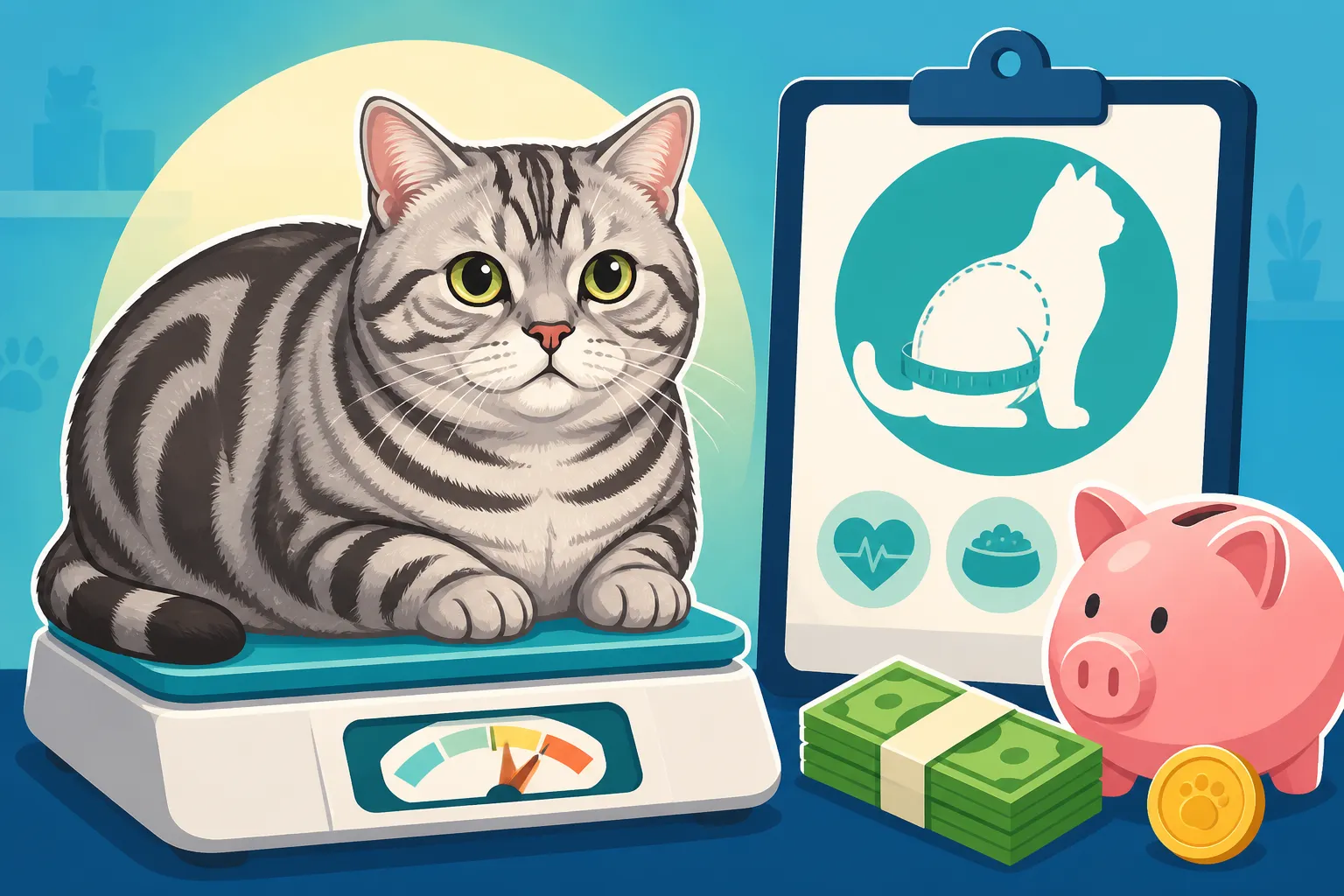
The first step is always a thorough veterinary examination. This isn't just a quick weigh-in. Your vet will conduct a full physical, often including a body condition score (BCS), which involves feeling your cat's ribs, spine, and waistline to assess fat coverage. This is a more accurate measure than just the number on the scale. They'll also discuss your cat's history, current diet (including treats, human food, and any "grazing" habits), activity levels, and any behavioral changes you've noticed. How to Score a Square Built American Shorthair's Body Condition offers insight into how this is done.
Crucially, blood tests and urinalysis are usually recommended. These are vital to rule out any underlying medical conditions that could be contributing to weight gain or making weight loss difficult. For instance, sometimes a hormonal imbalance, like an underactive thyroid (though less common in cats than dogs), or early kidney issues, can impact metabolism. More importantly, these tests can catch or confirm conditions like diabetes that might have developed as a result of obesity. What an American Shorthair's Bloodwork Costs and What an American Shorthair's Urinalysis Costs can give you an idea of the expense for these crucial diagnostics.
Crafting a Personalized Weight Loss Plan
Once the assessment is complete and any underlying health issues are addressed, the real work begins: creating a customized plan. This isn't just about saying "feed less." It involves a precise calculation of your American Shorthair's ideal weight, current caloric intake, and the specific reduction needed to achieve a healthy, gradual weight loss.
Dietary Modifications: This is often the cornerstone. Your vet will recommend a specific diet, which might be a prescription weight-loss food formulated to be lower in calories but still nutritionally complete, or a carefully portioned combination of wet and dry food. Brands often have their own specific diets designed for weight management, and you might find these available through your vet or reputable online retailers like Chewy. They can even provide recommendations for “human-grade” or fresh food options and explain how to properly portion them for weight loss. The goal is to make your cat feel satisfied without overfeeding them. Which Prescription Diet an American Shorthair Ends Up On details more about these options.
Exercise and Enrichment: Beyond diet, increasing activity is key. Your vet or vet tech will suggest ways to encourage movement, tailored to your cat's personality and physical capabilities. This might involve structured playtime with wand toys, using puzzle feeders to make them "hunt" for their food, or creating an enriching environment with climbing structures. Making an American Shorthair Work for Its Dinner Again explains how to reintroduce that hunting instinct safely indoors. Remember, the goal isn't to turn them into an Olympic athlete overnight, but to gradually increase their daily energy expenditure.
Regular Follow-Up and Adjustments
Weight loss is rarely a straight line. The clinic will schedule regular follow-up appointments, often every few weeks, for weigh-ins and progress checks. This is where your vet can assess how your American Shorthair is responding to the plan, address any challenges you're facing, and make necessary adjustments to the diet or exercise regimen. Consistency and communication are paramount here.
They'll also monitor for any side effects or unexpected health changes. For instance, too-rapid weight loss in cats can sometimes lead to serious liver problems, so a slow, steady pace is essential. Why Fast Weight Loss Gives an American Shorthair Fatty Liver highlights this important risk. These regular check-ins ensure your cat's health and safety throughout the journey.
Breaking Down the Costs: Initial Assessment to Ongoing Support
Understanding the financial commitment involved in a veterinary weight clinic can help you plan and make informed decisions. It's not usually a single, fixed fee, but rather a combination of various services and products.
Initial Consultation and Diagnostic Fees
The first step is typically a comprehensive vet visit. This initial consultation will involve the physical exam, body condition scoring, and detailed discussion about your cat's history. This fee will be similar to a regular office visit.
Following this, the diagnostic tests are often the most significant upfront cost. These can include:
- Blood Panel: To check organ function (kidneys, liver), blood sugar levels (for diabetes), and thyroid hormones.
- Urinalysis: To check for urinary tract infections, crystals, or other kidney issues.
- Imaging (X-rays): Sometimes recommended, especially if joint issues are suspected, or to assess overall body fat more accurately.
These tests are critical for a proper diagnosis and to rule out other medical causes for weight gain or complications from obesity. The total cost for these diagnostics can vary widely based on your location and the specific tests performed. For example, What Diagnosing Diabetes Costs an American Shorthair Owner can give you an idea of the expense if that condition is found.
Program Fees and Prescription Diets
Some veterinary clinics offer dedicated "weight management programs" which might include a set fee for a series of appointments, nutritional counseling, and regular weigh-ins. This can sometimes be a more economical option than paying for individual visits. However, many vets integrate weight management into regular check-ups.
The ongoing cost of prescription weight-loss diets is another significant factor. These specialized foods are formulated to help cats lose weight safely and effectively, often with higher protein content to maintain muscle mass while reducing fat. They are typically more expensive than standard over-the-counter cat foods. You might purchase these directly from your vet, or with a prescription, from online retailers like Chewy, which often offers subscription services for convenience. What Light Food Costs an American Shorthair Owner will help you understand the difference in food expenses.
Here’s a general overview of potential cost components:
| Cost Component | Description | Typical Timing |
|---|---|---|
| Initial Vet Consultation | Physical exam, body condition score, history discussion | One-time (initial) |
| Diagnostic Bloodwork | Full blood panel, thyroid check, glucose levels | One-time (initial) |
| Urinalysis | Checks kidney function, urinary health | One-time (initial) |
| Prescription Weight-Loss Food | Specially formulated diet food | Ongoing (monthly/bi-monthly) |
| Follow-up Weigh-ins/Visits | Regular checks, plan adjustments, nutritional counseling | Ongoing (weekly/bi-weekly/monthly) |
| Supplements (if needed) | Joint support, probiotics, etc. | Ongoing (monthly) |
| Medications (if complications) | E.g., insulin for diabetes, pain relief for arthritis | Ongoing (monthly) |
Considering Pet Insurance
This is where pet insurance, like plans from Healthy Paws, can sometimes play a role. While general weight loss programs are typically not covered, if your American Shorthair develops a weight-related illness such as diabetes or arthritis, the diagnostic tests and ongoing treatment for those conditions might be covered by your policy. It's always best to check with your specific provider about what their plans include for obesity-related conditions. Whether an American Shorthair Policy Covers HCM (though HCM isn't directly related to weight, it touches on insurance coverage for health issues) and Whether Insurance Pays Off on a Low Risk American Shorthair can provide broader context on insurance considerations.
Long-Term Management and Prevention
Successfully getting your American Shorthair to a healthy weight is a huge accomplishment, but the journey doesn't end there. Long-term management and prevention are crucial to ensure those pounds stay off and your cat enjoys a vibrant, active life for years to come. This often means a permanent shift in how you approach their care and nutrition.
Maintaining a Healthy Weight Post-Clinic
Once your American Shorthair reaches their target weight, your vet will work with you to transition them to a maintenance plan. This isn't about going back to old habits! It usually involves carefully adjusted portion sizes of a high-quality, balanced diet – perhaps a specific "light" formula or a calculated amount of their regular food. The key is finding that sweet spot where they maintain their ideal weight without feeling deprived.
Regular weigh-ins at home, perhaps once a month, are essential to catch any creeping weight gain early. Many clinics offer "walk-in weigh-ins" for free or a nominal fee, making it easy to keep track. Think of it as a lifelong commitment to their well-being, similar to how we manage our own health. Keeping them engaged with consistent playtime and mental stimulation also helps maintain their metabolism and prevents boredom eating. How Many Months an American Shorthair's Weight Plan Runs highlights the commitment required for effective weight management.
Environmental Enrichment and Continued Activity
For an American Shorthair, whose ancestors were constantly on the move hunting, an indoor environment needs to compensate for that lost activity. This means prioritizing environmental enrichment. Continue to use puzzle feeders, even for maintenance, to make mealtime a more engaging "hunt." Rotate toys regularly to keep them interested, and schedule consistent play sessions with wand toys that mimic prey. Remember, these cats have a strong predatory instinct, and fulfilling that through play is vital for both their physical and mental health. Play That Finishes the Hunting Sequence for an American Shorthair provides great ideas.
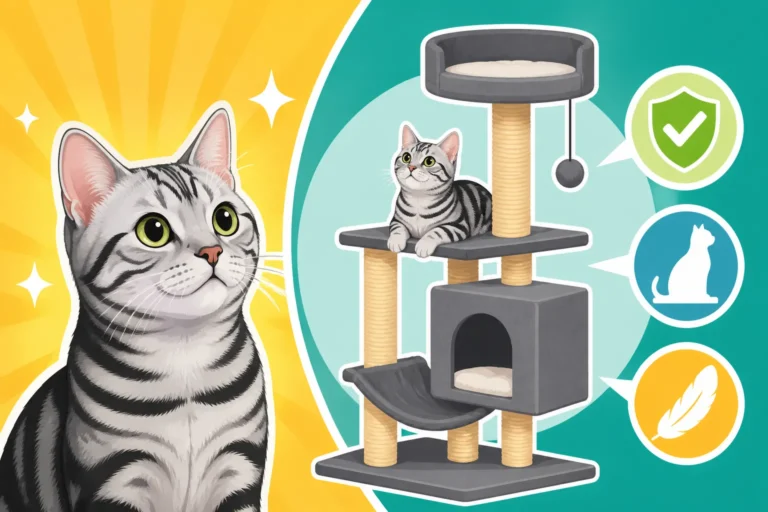
Consider vertical spaces like cat trees or shelves, which encourage climbing and jumping. Even something as simple as moving their food bowl to a different location each day can add a little more activity to their routine. A stimulated cat is generally a happier and healthier cat, less likely to turn to food out of boredom.
Making the Investment Worthwhile
It’s easy to look at the costs involved and feel overwhelmed, but remember that investing in your American Shorthair's weight management is truly an investment in their future. The benefits extend far beyond just a slimmer waistline.
Improved Quality of Life and Longevity
The most significant return on your investment will be witnessing your American Shorthair regain their vitality. You'll likely see them jumping with ease again, grooming themselves without strain, and engaging more playfully. Many owners report a complete personality shift, with their cats becoming more energetic, affectionate, and simply happier once they shed those extra pounds. This renewed zest for life is priceless.
Furthermore, getting your cat to a healthy weight can add precious years to their life. By reducing the risks of obesity-related diseases like diabetes, arthritis, and heart conditions, you're potentially extending their lifespan significantly. How Many Years Extra Weight Takes Off the American Shorthair's Lifespan is a stark reminder of the long-term impact of carrying too much weight. This means more purrs, more cuddles, and more wonderful moments with your beloved companion.
Reducing Future Veterinary Bills
While there are upfront and ongoing costs associated with a weight clinic, consider the alternative: treating chronic, debilitating diseases that arise from obesity. Managing conditions like feline diabetes, for instance, involves daily insulin injections, regular blood glucose monitoring, and specialized diets, which can be incredibly expensive over a cat's lifetime. Medications for arthritis, heart disease, or even specialized surgeries can quickly add up.
By proactively addressing weight now, you're minimizing the chances of these costly illnesses developing in the first place. Think of the weight clinic as preventative medicine. It's an investment that can save you far more money and emotional stress in the long run. Many pet parents find that the peace of mind knowing they're doing everything they can for their cat's health is worth every penny.
So, while the idea of a "weight clinic cost" might initially raise an eyebrow, viewing it as a comprehensive health plan for your American Shorthair can shift your perspective. You're not just paying for a number on a scale; you're paying for expertise, personalized care, and ultimately, a longer, happier, and healthier life for your cherished feline friend.
Disclaimer
This article is for general informational purposes only and does not constitute professional advice. Laws, prices and regulations vary by location and change over time. Consult a qualified professional for guidance on your specific situation.