Whether an American Shorthair Bothers With a Fountain
It's a common question that pops up in cat owner forums and living rooms everywhere: "Will my cat actually use a water fountain?" For American Shorthair parents, who often cherish their cat's sensible yet sometimes stubborn nature, this question is particularly relevant. You want to ensure your beloved companion is getting enough fresh water, but investing in a fancy gadget only for it to be ignored can be frustrating, right? This guide will dive deep into whether an American Shorthair is likely to bother with a water fountain, what makes them tick (or not), and how you can encourage healthy hydration habits for your quiet, dignified feline friend.
Understanding Your American Shorthair's Unique Drinking Habits
Our American Shorthairs, with their sturdy builds and calm dispositions, carry a legacy of independence. Their ancestors were true working cats, earning their keep on farms and ships, which means they were pretty adept at finding their own water sources – often far from their "kill" (food) and toilet areas. This deeply ingrained instinct is still present in our modern house cats, even if the nearest "prey" is a kibble bowl and the "stream" is your kitchen tap.
Cats, generally speaking, are not renowned for their thirst drive. Unlike dogs, who might guzzle water readily, cats often get a significant portion of their hydration from their prey in the wild. When we feed them dry kibble, which has very little moisture, we're asking them to make up that deficit by actively drinking. This is where the fountain question comes in. Many cats find still water, especially if it's sitting next to their food bowl, unappealing. It goes against that primal instinct to seek out fresh, moving water that's less likely to be contaminated by decaying prey or waste. For a pragmatic breed like the American Shorthair, this natural caution can be even more pronounced. They might not be overtly dramatic about it, but they'll quietly pass over a stagnant bowl.
Ensuring your American Shorthair is well-hydrated is incredibly important for their long-term health. Dehydration, even mild, can contribute to urinary tract issues, kidney problems, and general sluggishness. Given that American Shorthairs are generally a robust breed with a good lifespan, preventing these common issues through good hydration is key to The Fifteen to Twenty Years the American Shorthair Was Given. You might notice your cat showing signs of increased thirst, which can sometimes be subtle, like hanging around the tap or drinking from unusual places. It’s always worth observing How Much Water an American Shorthair Should Drink and discussing any concerns with your vet.
The Allure and Reality of Water Fountains for American Shorthairs
Water fountains are often marketed as the ultimate solution for encouraging cats to drink more. And for many cats, they absolutely are! But for an American Shorthair, it’s not always a guaranteed success. Let’s break down the reasons why they might be a hit or a miss.
Why Fountains are Often Recommended (And Why They Can Work)
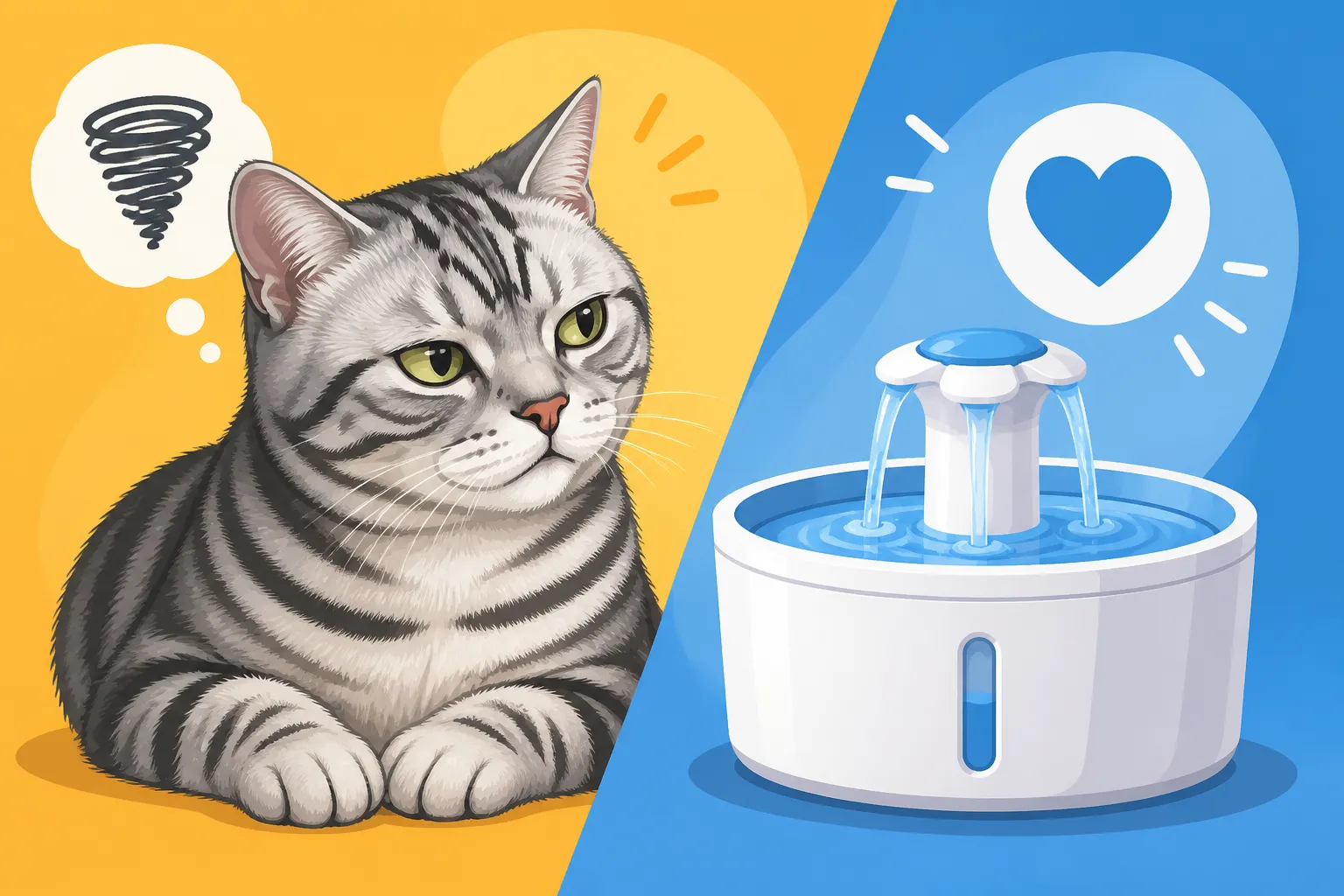
The core appeal of a water fountain lies in its ability to mimic what cats instinctively seek: fresh, moving water. Think about it from a cat's perspective. A babbling brook or a trickling stream in nature would be far more inviting than a puddle. Fountains offer:
- Circulating Water: The movement itself is often enough to pique a cat's curiosity and signal freshness. It's less likely to collect dust or hair, which can make still water seem unappetizing.
- Filtration: Most fountains come with filters that remove impurities, hair, and even some odors, providing a cleaner drinking experience.
- Aeration: The movement of the water can introduce oxygen, which some believe improves the taste.
- Novelty and Stimulation: For an indoor American Shorthair, a fountain can offer a small but engaging form of enrichment, tapping into their sensory instincts. This helps keep their sharp minds active, even if they're no longer chasing mice in a barn. What an Indoor American Shorthair Does With a Mouser's Instinct
Many American Shorthair owners find that once their cat gets used to a fountain, they drink more frequently and enthusiastically. This is especially beneficial for breeds like ours that can be prone to weight gain if their activity levels drop.
Why Your American Shorthair Might Not Care (Initially)
Now, for the dose of reality. Just because a fountain is supposed to be appealing doesn't mean your American Shorthair will immediately embrace it. They are creatures of habit and can be wary of new things in their environment. Here are some reasons why they might give it the cold shoulder:
- Suspicion of Newness: Cats, especially a sensible breed like the American Shorthair, often approach new objects with caution. A strange, whirring device suddenly appearing in their space can be unsettling.
- Noise: Some fountains, particularly older or cheaper models, can be noisy. A constant hum or trickle might be more annoying than inviting to a cat with sensitive hearing.
- Location, Location, Location: As mentioned, cats prefer their water source to be separate from their food and litter box. Placing a fountain right next to the kibble bowl is often a recipe for disaster. If it's in a high-traffic area, they might feel too vulnerable to drink comfortably.
- Material Sensitivity: Some cats simply don't like certain materials. Plastic fountains can sometimes retain odors or flavors over time, which can be off-putting. For a breed that generally enjoys quiet comfort, any unpleasant sensation could deter them. Whether a British Shorthair Shares the American Shorthair's Ancestors
- Flow Preference: Not all cats like the same water flow. Some prefer a bubbling top, others a free-falling stream, and some might even prefer a gentle ripple. If the flow is too strong or splashes too much, it could be a turn-off.
Don't be disheartened if your American Shorthair doesn't immediately become a fountain enthusiast. It often takes patience and a bit of trial and error.
Types of Fountains and Their Impact
The market is flooded with different types of cat water fountains, and understanding the variations can help you pick one that your American Shorthair might actually bother with.
- Plastic Fountains: These are usually the most affordable and lightweight. However, they can be scratched over time, creating tiny crevices where bacteria can grow. Some cats are also sensitive to plastic, leading to feline acne (chin acne). Regular, thorough cleaning is essential.
- Ceramic Fountains: Often heavier and more aesthetically pleasing, ceramic fountains are generally considered more hygienic than plastic as they are non-porous and easier to keep clean. They tend to be quieter and don't retain odors. However, they are more fragile and can break if dropped.
- Stainless Steel Fountains: These are highly durable, easy to clean, and extremely hygienic. Stainless steel is non-porous, doesn't retain odors, and is dishwasher-safe for many models. They are generally a good all-around choice and less likely to cause skin reactions.
- Flow Styles:
- Bubble-up: Water bubbles gently from the top, often creating a small pool. Good for cats who prefer a calmer water source.
- Free-falling stream: Water flows down a ramp or spout, mimicking a faucet. This can be very attractive to cats who like to drink from the tap.
- Multi-stream: Some fountains offer multiple points of flow, allowing the cat to choose their preferred spot.
When shopping, popular online retailers like Chewy and Amazon offer a vast array of choices, making it easy to compare features and read reviews from other cat owners. Don't be afraid to read up on various models before making a choice.
Making a Water Fountain Appealing to Your American Shorthair
So, you've decided to give a fountain a try, or your existing one is gathering dust. How can you increase the chances your American Shorthair will actually use it? It comes down to understanding their quiet preferences and making the experience as inviting as possible.
The Right Location is Paramount
This is perhaps the most critical factor. As mentioned, your American Shorthair’s instincts tell them to keep their water source separate from their food and toilet area.
- Away from Food: Place the fountain in a different room or at least several feet away from their food bowls. Even if it's just the other side of the kitchen, that separation can make a big difference.
- Away from Litter Boxes: Definitely keep the fountain far from the litter box. Nobody wants to drink near a bathroom, right?
- Quiet, Safe Spot: Choose a low-traffic area where your cat won't feel startled or vulnerable while drinking. A corner of a quiet room, or even a different level of the house, can work wonders.
- Multiple Water Stations: If possible, consider having both the fountain and a regular bowl of water in different spots. This gives your American Shorthair options and ensures they always have access, even if they're just not feeling the fountain on a particular day.
Introduce it Gradually and Patiently
Cats are not fans of sudden change. Dropping a new, potentially noisy, piece of equipment in front of them and expecting immediate adoption is often a recipe for rejection.
- Keep Old Water Sources: When you first introduce the fountain, keep your American Shorthair's regular water bowls in their usual spots. The fountain is an additional option, not an immediate replacement.
- Start Unplugged: Let them investigate the fountain when it's off. Let them sniff it, perhaps even drink the still water inside. This allows them to get used to its presence without the added sensory input of noise and movement.
- Plug It In Later: After a day or two, plug it in. If your cat seems wary, try placing a favorite toy near it (but not in the water!) or even a tiny, enticing treat next to the fountain (again, not in the water).
- Praise, Don't Push: If your cat approaches the fountain, offer quiet praise. Never force them to drink from it. Their inherent independence means they'll come around when they decide it's safe and desirable.
Maintenance is Not Optional
A dirty fountain is worse than no fountain at all. If the water tastes or smells off, your American Shorthair will quickly abandon it.
- Regular Cleaning: Disassemble and clean the entire fountain thoroughly at least once a week, more often if you have multiple cats or notice it getting slimy. This includes the pump, which can get gunky.
- Filter Replacement: Follow the manufacturer's recommendations for changing filters. These capture hair, debris, and remove odors, but they stop being effective (and can even become breeding grounds for bacteria) if not replaced. You can find replacement filters easily on sites like Amazon or Chewy.
- Fresh Water: Top up the water daily. Even with circulation and filtration, old water can go stale.
Maintaining a clean fountain ensures that the water remains fresh and appealing, which is crucial for encouraging consistent use. How Much Water an American Shorthair Gets Through can be quite surprising on a hot day or after a vigorous play session!
Trial and Error with Fountain Types
Sometimes, it's simply a matter of finding the right fit. If your American Shorthair ignores one type of fountain, don't give up entirely.
- Experiment with Materials: If your cat seems to dislike a plastic fountain, try a ceramic or stainless steel one. Some cats genuinely prefer the taste or feel of water from certain materials.
- Vary the Flow: A bubbler might be too subtle, and a free-falling stream too intense. Many fountains offer different attachments or settings to change the flow. Observe your cat – do they seem curious about the faucet? A free-fall fountain might be the ticket. Do they prefer a quiet lap? A bubbling model might be better.
- Consider a Multi-Cat Household: If you have more than one American Shorthair, a larger fountain or multiple smaller fountains might be necessary to avoid competition and ensure everyone has access. Whether Two American Shorthairs Split the Territory or Fight for It
Here's a quick comparison of common fountain materials:
| Feature | Plastic Fountains | Ceramic Fountains | Stainless Steel Fountains |
|---|---|---|---|
| Cost | Generally lowest | Moderate to High | Moderate to High |
| Durability | Prone to scratches, can become brittle | Fragile, can break if dropped | Very durable, rust-resistant |
| Hygiene | Can harbor bacteria if scratched/not cleaned | Very hygienic, easy to clean, non-porous | Extremely hygienic, easy to clean, non-porous |
| Odor/Taste | Can absorb odors/tastes over time | Doesn't absorb odors/tastes | Doesn't absorb odors/tastes |
| Aesthetics | Basic to modern designs | Often more decorative/stylish | Sleek, modern, fits many decors |
| Noise Level | Varies, can be noisier depending on pump | Generally quiet | Generally quiet |
| Cat Acne Risk | Higher for sensitive cats | Very low | Very low |
Beyond the Fountain: Other Hydration Hacks for Your American Shorthair
Even with the best intentions and the perfect fountain, some American Shorthairs just won't be convinced. And that's perfectly okay! There are plenty of other ways to ensure your sturdy companion stays hydrated.
Multiple Water Bowls, Varied Locations
This is often the simplest and most effective solution if a fountain doesn't work out. Remember that ancestral instinct to find water away from food and litter? Provide multiple opportunities for your cat to drink.
- Scatter Bowls: Place several bowls around your home – not just in the kitchen. Try one in the living room, one in a quiet bedroom, even one in the bathroom (some cats love tap water, so a bowl near the sink might appeal).
- Different Materials: Just like with fountains, cats can have preferences for bowl materials. Try glass, ceramic, or stainless steel bowls. Some even prefer wider, shallower bowls that don't touch their whiskers (whisker fatigue is a real thing!).
- Freshen Frequently: Regardless of the bowl type, change the water at least once a day, and ideally twice. A quick rinse of the bowl each time helps keep it appealing. Even for a cat as undemanding as the American Shorthair, fresh water is essential. Whether an American Shorthair Needs a Second Water Bowl
Embrace Wet Food
This is probably the most impactful change you can make for your American Shorthair's hydration. Wet food, whether canned or fresh, is naturally high in moisture – often 70-80% water. This significantly boosts their daily fluid intake without them even having to think about drinking more.
- Part of the Diet: Consider making wet food a regular part of their diet, even if it's just one meal a day. For cats with a hearty appetite, like the American Shorthair, this can also help manage weight by providing a filling, lower-calorie option compared to free-fed kibble. How Wet Food Helps an American Shorthair's Waistline
- Add Extra Water: You can even add a tablespoon or two of extra water, or even a cat-safe broth (like plain chicken broth, unsalted), to their wet food. Stir it in thoroughly. Many cats won't even notice the addition and will happily lap it up.
- Explore Options: Fresh food options are very high in moisture and can be a fantastic way to boost hydration and provide excellent nutrition. Look for high-quality wet foods with good protein sources suitable for a muscular cat. Which Food Suits an American Shorthair Built for Muscle
Creative Hydration Boosters
Don't be afraid to think outside the bowl!
- Ice Cubes: Some cats love batting around and licking ice cubes. It’s a fun, stimulating way to get a little extra water in them, especially during warmer months.
- Interactive Play: Engaging toys that dispense treats can sometimes lead a cat to feel a bit thirsty, prompting them to seek out water afterwards.
- Tap Drips: If your American Shorthair shows an affinity for drinking from a dripping faucet, you might occasionally let it drip for a short period under supervision. Just be mindful of water waste!
Ultimately, the goal is to ensure your American Shorthair is well-hydrated, which is vital for preventing common health issues that can crop up in older age, like kidney disease or urinary crystals. If you notice your American Shorthair being unusually thirsty, drinking excessively, or conversely, hardly drinking at all, it's time for a vet check-up. Why a Thirsty American Shorthair Should Be Tested as it can be a symptom of underlying health conditions. Your American Shorthair might be a creature of routine and quiet disposition, but with a little understanding and persistence, you can definitely encourage healthy hydration habits, fountain or no fountain.
Disclaimer
This article is for general informational purposes only and does not constitute professional advice. Laws, prices and regulations vary by location and change over time. Consult a qualified professional for guidance on your specific situation.