Whether an American Shorthair Needs a Second Water Bowl
Many American Shorthair owners find themselves scratching their heads, wondering why their beloved cat doesn't seem to drink enough water, even when a bowl is readily available. It's a common frustration, especially when we know how crucial hydration is for their long-term health. This comprehensive guide will explore the unique hydration needs of American Shorthairs and explain why providing multiple water bowls in strategic locations can be a simple, yet highly effective, solution to keep your furry friend well-hydrated and healthy.
Understanding Your American Shorthair's Natural Hydration Habits
American Shorthairs, with their proud lineage as working cats, often carry a lower thirst drive inherited from their ancestors who hunted their meals. This natural predisposition means they might not seek out water as often as you'd expect, which can be a real concern for their health.
The Ancestral Low Thirst Drive
Think about the American Shorthair's history, a breed celebrated for its prowess as a mouser and barn cat. Their diet would have primarily consisted of freshly caught prey, which is naturally high in moisture. Because they were getting most of their hydration directly from their food, their bodies simply didn't develop a strong instinct to seek out freestanding water. This is a brilliant evolutionary trait for a hunter in the wild, but it becomes a challenge for our cherished indoor companions who often rely on dry kibble.
This means your American Shorthair isn't being stubborn or difficult; they're simply following ancient instincts. It's not uncommon for them to drink very little from a single, static water bowl, leading many owners to worry. Recognizing this ingrained behavior is the first step in helping them stay properly hydrated. It’s also why simply filling a bowl and hoping for the best often isn't enough, and why understanding How Much Water an American Shorthair Should Drink is so important.
Risks of Inadequate Hydration
When an American Shorthair doesn't drink enough, the consequences can range from subtle to severe. Chronic mild dehydration can slowly but surely take a toll on their internal organs, particularly their kidneys and urinary tract. It’s a silent threat that can creep up over the years.
For male American Shorthairs, in particular, inadequate water intake significantly increases the risk of urinary crystals and blockages, a truly terrifying emergency. Why a Male American Shorthair's Urethra Blocks First is a serious concern, and proper hydration is one of the best preventative measures. Even for females, bladder infections and painful cystitis can become more frequent. Over the long term, insufficient hydration contributes to the development and progression of kidney disease, a common ailment in aging cats. We want our American Shorthairs to live long, healthy lives, and ensuring they drink enough is fundamental to preventing these painful and costly health issues down the line. Hydration is a cornerstone of Caring for an Old American Shorthair.
Why One Water Bowl Isn't Cutting It
It might seem logical to just have one water bowl, but for a cat with an ancestral instinct to patrol and hunt, a single water source can feel like a vulnerable spot. There are several reasons why your American Shorthair might be avoiding that lone bowl, even if it looks perfectly clean to you.
Location, Location, Location
Cats are creatures of habit and territorial by nature. Where you place their water bowl can make all the difference. Imagine their wild ancestors: they wouldn't drink from a stagnant puddle right next to where they eat or use the restroom. They'd seek out fresh, clear water sources that felt safe and open, allowing them to remain aware of their surroundings.
Bringing this instinct indoors, many cats dislike having their water bowl right next to their food bowl. It's a primal thing; prey animals often contaminate water sources, so instinct tells them to separate eating and drinking. Similarly, placing a water bowl in a high-traffic area, next to a loud appliance, or near their litter box can deter them. A water bowl tucked away in a corner might feel like a trap, making them feel vulnerable. For a cat that thrives on a sense of security and a clear patrol route, a single, poorly placed bowl is often simply ignored. Consider where your cat likes to hang out and place water sources in those relaxed, safe spots. How a Territorial American Shorthair Rebuilds a Patrol Route often includes seeking out various comfortable points, and water bowls should be part of that.
Cleanliness and Stagnation Issues
Let's be honest, we all get busy. That water bowl might get topped off daily, but is it truly clean? Cats have a far more sensitive sense of smell and taste than we do. Water that's been sitting out all day, collecting dust, cat hair, and saliva, can quickly become unappealing to them. You might not notice it, but your American Shorthair certainly does.
Stagnant water tastes flat and can harbor bacteria, making it less palatable and potentially unhealthy. A single bowl often means the water gets changed less frequently than it should, leading to a build-up of residue. Many cats will even refuse to drink if they see tiny particles floating in the water or feel a film on the bowl's surface. This is why you might notice your cat trying to drink from the bathroom faucet or even your own glass – the water tastes fresher and cleaner to them.
Competition and Social Dynamics
Even if you have only one cat, the concept of "competition" can still play a role. If your American Shorthair perceives any potential threat or stressor near their water source, they might avoid it. This could be another pet in the house, a child, or even just a busy household environment.
In multi-cat households, a single water bowl is almost always a recipe for trouble. Cats, despite living together, often maintain individual territories and hierarchies. The dominant cat might guard the water bowl, preventing others from drinking comfortably. Or, simply, one cat's presence at the bowl might deter another from approaching. Providing multiple bowls in different locations alleviates this tension, ensuring every cat feels safe and has ample opportunity to drink without feeling threatened. It helps to ensure that no one feels like they have to "fight" for a basic resource.
Strategic Placement and Types of Bowls for Optimal Hydration
The solution isn't just more water bowls; it's about smarter water bowls. Thinking about your American Shorthair's instincts and preferences will help you create a hydration haven that encourages them to drink more.
The Power of Multiple Stations
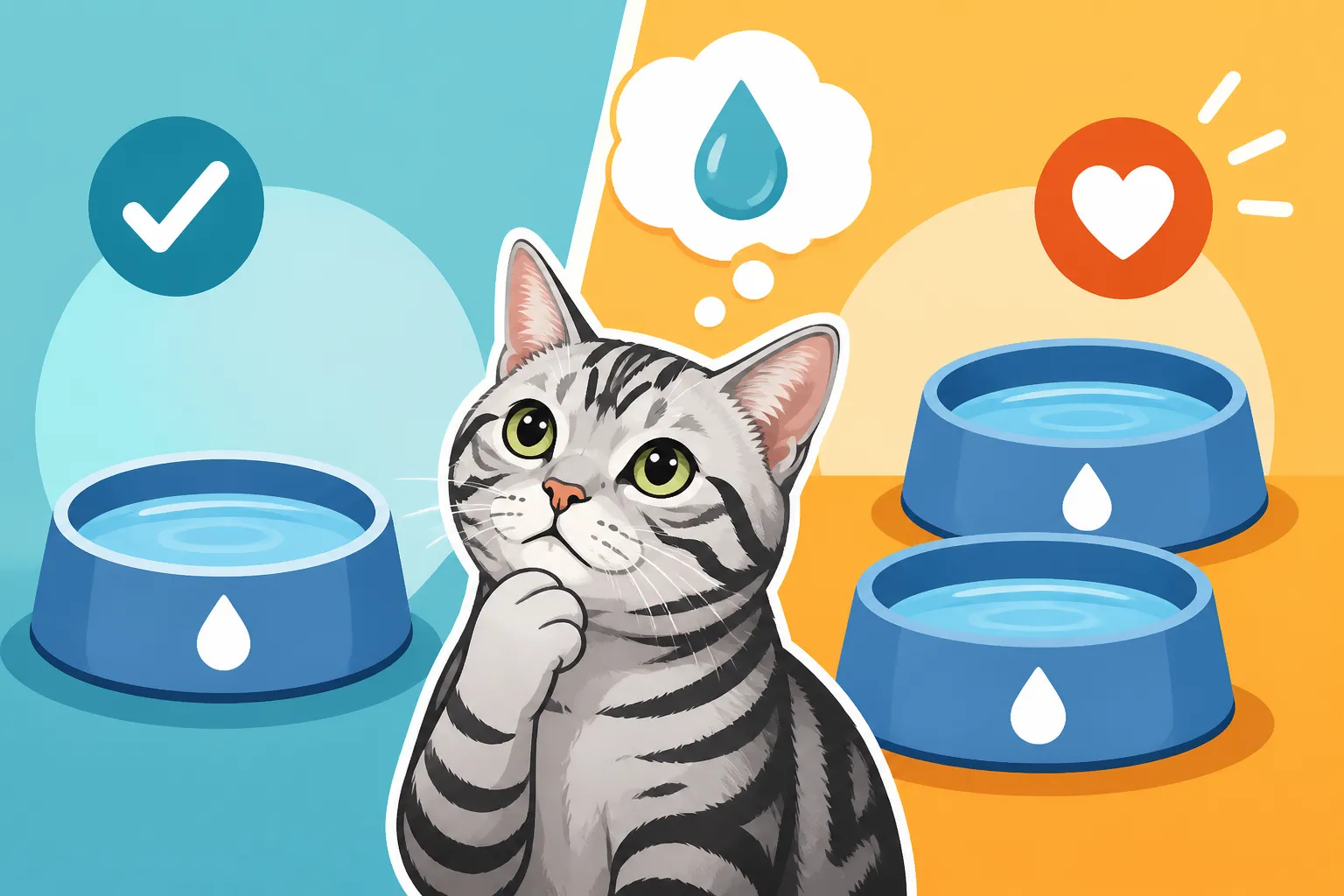
The simplest and most effective strategy is to place several water bowls throughout your home. Aim for at least two to three bowls, or even more, depending on the size of your living space and the number of cats. Think of it like a human wanting a drink – you wouldn't want to walk to the kitchen every single time, would you? Having a water bottle by your desk, in the living room, and by your bed makes it easy to stay hydrated. Cats are no different.
Distribute these bowls in various areas:
- Quiet Corners: Away from litter boxes, high-traffic zones, and loud appliances. A quiet bedroom or a rarely used guest room can be perfect.
- Favorite Hangouts: If your American Shorthair loves to nap in a particular sunny spot, place a bowl nearby. If they enjoy supervising from a cat tree, a small bowl on a stable shelf can be a hit.
- Different Levels: Some cats prefer to drink from an elevated surface, others from the floor. Experiment with bowls on the floor and on low tables or sturdy shelves.
- Away from Food: Always separate water bowls from food bowls. Even a few feet can make a difference. This acknowledges their instinct to keep drinking water separate from potential food contamination.
The goal is to make accessing water effortless and appealing, no matter where your American Shorthair is in their home "territory." This increases the chances they'll take a sip whenever the urge strikes, even if it's a small one.
Exploring Different Bowl Materials
The type of material your water bowl is made from can subtly affect its appeal. Plastic, ceramic, and stainless steel each have their pros and cons.
- Plastic Bowls: These are often inexpensive and lightweight. However, plastic can scratch easily, creating microscopic grooves where bacteria can accumulate, leading to "cat acne" on their chin or an unpleasant odor. They can also impart a strange taste to the water. If you use plastic, choose high-quality, BPA-free options and replace them frequently.
- Ceramic Bowls: Ceramic bowls are heavier, making them harder to tip over, and they tend to keep water cooler. They are non-porous and easy to clean, but they can chip or break if dropped. Look for glazed ceramic bowls that are food-grade and lead-free.
- Stainless Steel Bowls: These are often considered the gold standard. Stainless steel is durable, hygienic, non-porous, and doesn't leach chemicals or odors into the water. They are easy to clean and resist bacterial growth. Most vets recommend stainless steel.
Here’s a quick comparison to help you decide:
| Feature | Plastic Bowls | Ceramic Bowls | Stainless Steel Bowls |
|---|---|---|---|
| Durability | Low (scratches, degrades) | Medium (can chip/break) | High (very robust) |
| Hygiene | Low (scratches harbor bacteria) | High (non-porous, easy to clean) | Very High (non-porous, highly sanitary) |
| Taste/Odor | Can impart plastic taste/odor | Neutral | Neutral |
| Stability | Low (lightweight, easily tipped) | High (heavy, stable) | High (stable, sometimes has non-slip base) |
| Cost | Low | Medium | Medium to High |
| Common Issues | Bacterial growth, cat acne, odd taste | Breakable, can be heavy for some | Can be noisy if bumped |
When shopping, look for good options on Chewy or Amazon – both offer a vast selection of stainless steel and ceramic bowls specifically designed for pets.
The Allure of Running Water
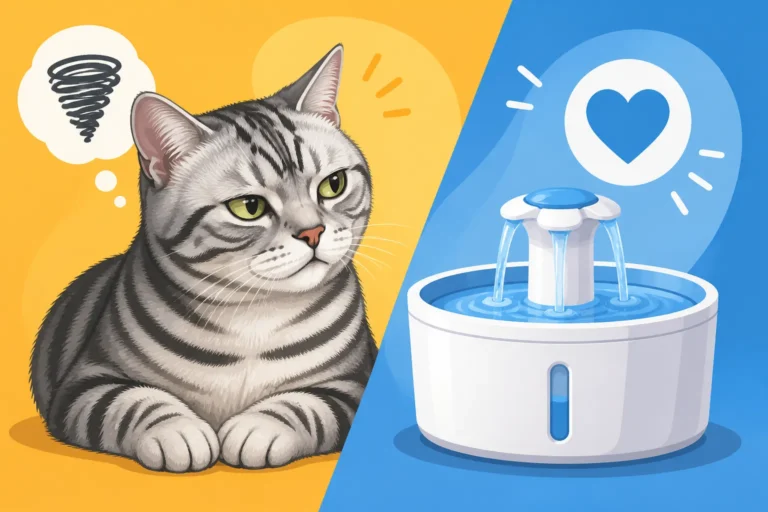
Many cats are absolutely fascinated by running water, and this is where water fountains come into play. The gentle trickle or bubbling stream can be incredibly enticing for an American Shorthair. Their instincts tell them that running water is fresher and safer than stagnant water, mimicking a natural stream or spring.
The benefits of a cat water fountain are numerous:
- Increased Appeal: The movement and sound of water naturally attract cats, encouraging them to drink more frequently.
- Constant Filtration: Most fountains come with activated carbon filters that remove impurities, odors, and tastes, keeping the water fresh and clean.
- Aeration: Running water is aerated, which can make it taste better to sensitive feline palates.
- Larger Capacity: Fountains usually hold more water than a standard bowl, meaning less frequent refilling for you.
When choosing a fountain, consider:
- Material: Stainless steel or ceramic fountains are usually the most hygienic and durable.
- Noise Level: Some fountains are quieter than others. Read reviews to find a low-noise option.
- Cleaning: Look for fountains that are easy to disassemble and clean thoroughly to prevent slime and bacterial buildup. You'll still need to clean it regularly, just like a regular bowl.
Having at least one water fountain in a prominent, quiet location, alongside other static bowls, can dramatically improve your American Shorthair's hydration. There are many highly-rated options available through Amazon that cater to different preferences and budgets.
Integrating Multiple Water Sources into Your Home
Once you've decided to embrace the multi-bowl strategy, it's about making it a seamless part of your daily routine and truly understanding how to maximize your cat's water intake.
Making Hydration a Daily Habit
It’s not enough to just set out extra bowls; consistency is key. Just like their ancestors relied on consistent, fresh sources, your American Shorthair thrives on routine and reliability.
- Daily Cleaning and Refilling: Aim to clean all water bowls daily with soap and water, and refill them with fresh, cool water. Don't just top them off! This ensures the water is always palatable and hygienic. For fountains, follow the manufacturer's cleaning guidelines, which usually involve weekly deep cleaning and filter changes.
- Observe and Adjust: Pay attention to which bowls your cat uses most often. Is there a particular location they favor? Do they prefer one material over another? Use this information to fine-tune your setup. If a bowl in one spot is consistently ignored, try moving it to a different area.
- Consider Bowl Size and Depth: Some cats prefer wider, shallower bowls that don't touch their whiskers (whisker fatigue is a real thing!). Others might prefer a slightly deeper bowl. Experiment to see what your American Shorthair likes best.
- Don't Forget About Play: Engaging your cat in play, especially with interactive toys like wand toys, can stimulate thirst. A quick play session followed by an easily accessible water source can encourage drinking. This also helps with their innate desire to Why an American Shorthair Needs to Catch the Toy.
By making these practices a consistent part of your routine, you’re creating an environment that naturally supports healthy hydration for your American Shorthair.
The Role of Wet Food
While multiple water bowls are fantastic, they might not be enough on their own, especially if your American Shorthair is still primarily on a dry kibble diet. Incorporating wet food is arguably the most impactful way to boost their overall hydration.
Wet food typically contains 70-80% moisture, mimicking the moisture content of their natural prey. This means a significant portion of their daily water intake can come directly from their meals, without them even realizing they're "drinking."
- Gradual Transition: If your cat is used to kibble, transition to wet food slowly to avoid digestive upset. Mix small amounts of wet food with their dry food, gradually increasing the wet food portion over several days or weeks.
- Portion Control: Even with wet food, it's important to monitor portions to maintain a healthy weight. What an American Shorthair Should Weigh at Its Frame is a good guide, as is understanding How Many Calories a Working Framed American Shorthair Needs a Day.
- Mix it Up: Don't be afraid to try different brands, flavors, and textures of wet food. Cats can be picky! Brands like Chewy offer a huge variety of wet food options to explore.
- Add Water to Wet Food: For an extra hydration boost, you can even add a tablespoon or two of warm water or low-sodium chicken broth (without onion or garlic) to their wet food before serving. Many cats love this!
Combining the strategic placement of multiple water bowls and fountains with a diet rich in wet food creates a powerful two-pronged approach to keeping your American Shorthair optimally hydrated and mitigating risks like What a Straining American Shorthair Needs Within Hours due to urinary issues, and the slower onset of How Kidney Disease Creeps Up on an Old American Shorthair. A well-hydrated cat is generally a healthier, happier cat, leading to fewer concerns about things like What an American Shorthair's Urinalysis Costs or emergency vet visits. It's truly an investment in their long-term well-being.
Disclaimer
This article is for general informational purposes only and does not constitute professional advice. Laws, prices and regulations vary by location and change over time. Consult a qualified professional for guidance on your specific situation.