Whether the British Shorthair Shares the American Shorthair’s Ancestors
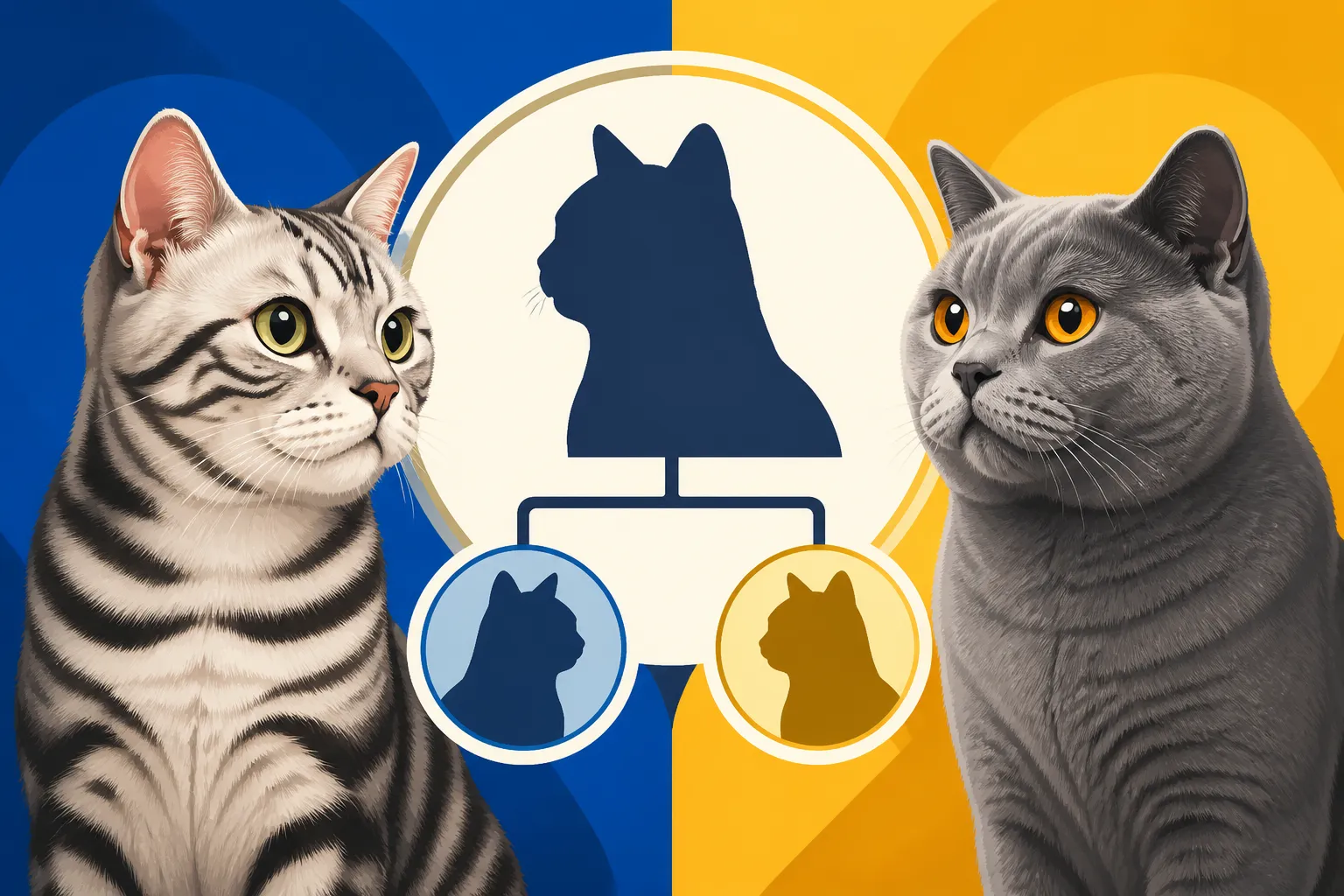
It’s a common question, and one that often leads to a bit of a head-scratcher: do the American Shorthair and the British Shorthair, with their similar names and short coats, share a common lineage? While they certainly look alike in some ways and both carry the "shorthair" moniker, their histories, though linked by a very distant past, took distinctly different paths as they evolved into the beloved breeds we know today. This guide will unravel the threads of their shared ancestry and highlight how two separate continents forged them into unique feline companions.
The Shared Tapestry: Common European Ancestors
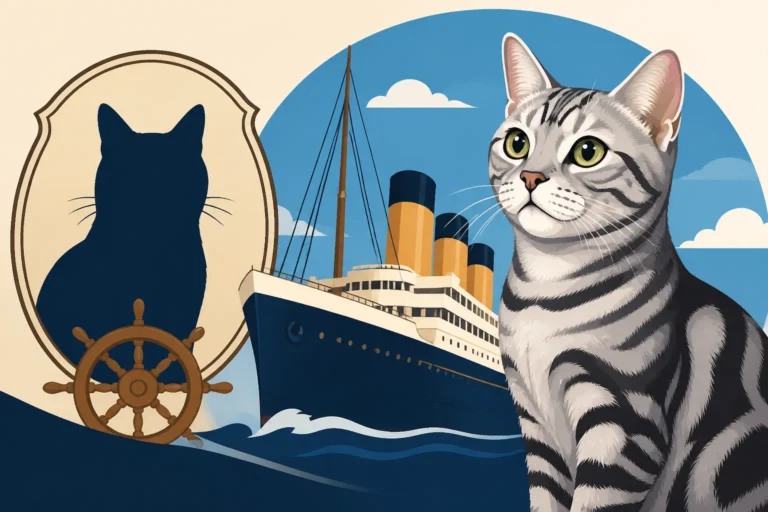
Before either the American Shorthair or the British Shorthair were recognized as distinct breeds, their ancestors were simply working cats. These were the hardy, adaptable felines that traveled the world with humans, primarily on ships, earning their keep as rodent control. They weren't bred for looks or specific traits, but for their ability to survive and thrive in challenging environments.
The Original Working Cats of Europe
Imagine the bustling docks of ancient Rome or medieval London. Cats were indispensable crew members, keeping grain stores and ships free from vermin. These were not pampered pets; they were essential workers. Over centuries, these robust domestic shorthairs spread across Europe, their populations intermingling and adapting to local conditions. They were resilient, intelligent, and fiercely independent, traits that would eventually be passed down through their descendants. Which European Cats the American Shorthair Descends From tells more about this early lineage.
These early European cats were a diverse bunch, but they all shared a common genetic blueprint for survival: strong bodies, keen hunting instincts, and short, dense coats that offered protection against the elements. Their appearance was dictated by natural selection rather than human preference, leading to a "landrace" of cats that were generally healthy and well-suited to their environment. This is the distant, shared starting point for both the American and British Shorthairs – a common pool of working cats that had naturally evolved over millennia across the European continent.
When the Ancestral Paths Diverged
The crucial split in their stories really began when these European working cats started to travel across the Atlantic. For the ancestors of the American Shorthair, this journey was often aboard settler ships heading to the New World. Meanwhile, the ancestors of the British Shorthair remained on the European side, continuing their lives as working cats and eventually becoming subjects of early selective breeding efforts in Great Britain. This geographical separation, coupled with different cultural and environmental pressures, set them on distinct evolutionary trajectories.
The journey across the ocean wasn't just a physical distance; it was a genetic one. Cats arriving in America faced a new climate, new prey, and new challenges, while those in Britain continued to evolve within their established environment. This separation meant that while they shared the same ancient root stock, their subsequent development was shaped by vastly different selective pressures, both natural and, later, human-imposed.
The British Shorthair's Road to Recognition
In Britain, the domestic shorthaired cats continued their role as pest controllers for centuries. However, the Victorian era saw a growing interest in animal fancying, and with it, the formalization of cat breeds.
The Dawn of Cat Fanciers in Britain
By the mid-19th century, cat enthusiasts in Britain began to take notice of their sturdy, short-haired domestic cats. Harrison Weir, considered the "father of the cat fancy," was instrumental in organizing the first cat show in 1871 at the Crystal Palace in London. He admired the common British domestic cat's strong build, round face, and plush coat, believing they deserved to be recognized and celebrated.
Weir and other early breeders started selecting the best examples of these native British cats, focusing on traits like robust health, good temperament, and a distinctive, dense coat. They weren't introducing new bloodlines from other breeds but rather refining the qualities already present in the local cat population. This dedicated effort to standardize and elevate the common British domestic cat was the true birth of the British Shorthair as a recognized breed. They were essentially curating the best of what was already there, creating a blueprint for the breed.
Refining the British Shorthair Standard
Over time, the British Shorthair's characteristics were refined through selective breeding. Breeders aimed for that iconic "cobby" body, a broad chest, a large, rounded head, and those striking round eyes, often copper or gold, particularly in the popular blue variety. The coat became incredibly dense and plush, standing out from the body like a thick carpet – a stark contrast to the slightly coarser, weather-resistant coat of their working ancestors.
This focus on specific aesthetic traits, while maintaining health, truly cemented the British Shorthair's identity. They became known not just for their appearance but also for their calm, dignified, and affectionate personalities, making them highly sought-after companions. The standard sought to exaggerate some of the charming characteristics found in the general British domestic cat population, leading to a distinctive and recognizable breed. How an American Shorthair Differs From a British Shorthair goes into more detail about these unique breed differences.
The American Shorthair's Journey and Development
Across the ocean, the cats that arrived with European settlers in North America were also busy doing what they did best: hunting rodents and adapting to a new world. Their path to becoming a recognized breed was very different.
From Ship's Cat to American Working Companion
The cats that disembarked from ships onto American shores were essentially the same hardy European domestic shorthairs. They spread throughout the burgeoning colonies and later the United States, performing invaluable services on farms, in homes, and in warehouses. They were not seen as fancy pets, but as practical necessities. They faced diverse climates, from the harsh winters of New England to the warmer southern states, and their genetics continued to favor adaptability and survival. Ships Carried the American Shorthair's Ancestors as Ratters vividly illustrates their indispensable role.
These American working cats were diverse in appearance, but generally shared a strong, athletic build, excellent hunting prowess, and a short, resilient coat. Their health was paramount for their survival, and natural selection ensured that only the fittest thrived and passed on their genes. This long period of natural adaptation and utility breeding laid the foundation for the American Shorthair.
Formal Recognition and Breed Standard in America
It wasn't until the early 20th century that American cat fanciers began to appreciate these native working cats. They realized that many of the beloved "alley cats" or "domestic shorthairs" actually possessed admirable qualities that could be formalized into a breed. Initially, the breed was simply called "Domestic Shorthair" or "Shorthair" and was one of the Which Five Breeds Founded the CFA With the American Shorthair.
To distinguish these pedigree cats from the general domestic cat population, breeders started a careful selection process, much like their British counterparts, but with a different vision. They focused on preserving the robust health, natural athleticism, and friendly disposition that characterized the best of these American working cats. The breed was eventually renamed "American Shorthair" in 1966 to emphasize its American heritage and differentiate it from non-pedigree domestic shorthairs. Why the American Shorthair Was Called Domestic Shorthair Until 1966 explains this historical shift. The goal was to maintain their traditional working cat physique—a solid, well-muscled body, a slightly elongated head, and a relatively firm, even coat—rather than to dramatically alter it with extreme traits.
Comparing the Evolutionary Paths and Traits
While both breeds originated from common European stock, their journeys diverged significantly, leading to distinct physical and temperamental traits.
Divergence in Physical Characteristics
The most apparent differences lie in their physical attributes, which reflect their selective breeding histories.
British Shorthair:
- Body: Cobby and powerful, with a broad chest and heavy bone structure.
- Head: Large and round, with full, chubby cheeks, often described as having a "smily" expression.
- Coat: Very dense, plush, and short, standing away from the body.
- Eyes: Large, round, and usually copper or gold, particularly in the blue variety.
- Size: Generally a large to medium-large cat, taking longer to mature.
American Shorthair:
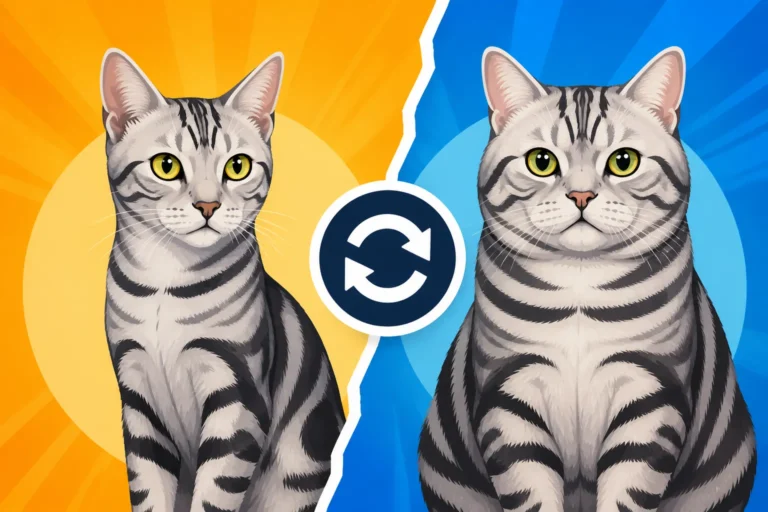
- Body: Medium to large, well-muscled, and athletic, designed for agility and strength. They are still seen as the archetypal family cat, robust and active.
- Head: Slightly longer than it is wide, with a square muzzle and a gentle curve to the forehead, maintaining a natural, untweaked appearance.
- Coat: Short, hard, and even, providing weather resistance. The American Shorthair's Coat Was Built for Weather, Not a Judge details its functional qualities.
- Eyes: Large, wide-set, and slightly oval, often matching their coat color (e.g., green with silver tabbies, gold with brown tabbies).
- Size: Medium to large, with males being noticeably larger than females, but typically maturing faster than British Shorthairs.
These differences didn't happen by accident. The British breeders deliberately selected for the roundness and plushness, while American breeders focused on preserving the athletic build and efficient coat of their working ancestors.
| Feature | British Shorthair (Bred in UK) | American Shorthair (Bred in USA) |
|---|---|---|
| Ancestry | European working cats (same as ASH) | European working cats (same as BSH) |
| Primary Goal | Refine existing domestic cats into a pedigree | Preserve the working cat traits and health |
| Body Type | Cobby, massive, broad chest | Medium to large, muscular, athletic |
| Head Shape | Large, round, full cheeks | Slightly longer than wide, square muzzle |
| Coat Texture | Dense, plush, stands out from body | Short, hard, even, weather-resistant |
| Temperament | Calm, dignified, placid | Adaptable, good-natured, playful, independent |
| Development | Focused on aesthetics and specific traits | Focused on natural type, health, and function |
Temperamental Distinctions
Their temperaments also reflect their unique histories. The British Shorthair, having been selected for its dignified demeanor, is generally more placid, calm, and perhaps a bit more reserved. They are known for their quiet nature and tend to be less demanding, often preferring to be near their human companions rather than on their laps.
The American Shorthair, on the other hand, while equally good-natured, retains more of that active, independent spirit from its working cat roots. They are adaptable, outgoing, and often enjoy interactive play, still carrying that innate hunting drive. The American Shorthair Still Hunts, Whether You Want It To or Not is a great resource if you're curious about this hunting instinct. They tend to be good with children and other pets, fitting well into busy family environments because they were never bred to be particularly needy. Why an American Shorthair Fits Any Household highlights this adaptability.
In essence, while both breeds are wonderful companions, the British Shorthair leans towards a "gentle giant" personality, while the American Shorthair embodies the classic, versatile, and friendly domestic cat perfected.
The Legacy of Their Ancestry in Modern Breeds
Both the British Shorthair and American Shorthair stand as testaments to careful breeding, albeit with different objectives. They demonstrate how selection, whether natural or human-directed, can mold a breed over generations.
The Enduring Health and Vigor
A notable outcome of their histories is their generally robust health. Both breeds largely avoided the extreme conformations that can sometimes plague other pedigreed cats, likely due to their practical, working-class origins. They were chosen for their hardiness and ability to thrive, rather than for exaggerated features. This focus on functional health means that both breeds are typically long-lived and suffer from fewer inherited diseases compared to some more intensely bred pedigrees. The Fifteen to Twenty Years the American Shorthair Was Given speaks to their longevity.
While no breed is entirely free of potential health concerns, the foundational stock for both American Shorthairs and British Shorthairs gave them a head start in terms of genetic diversity and natural vigor. This legacy of good health is one of the most valuable traits inherited from their shared European ancestors.
Influence on Other Breeds
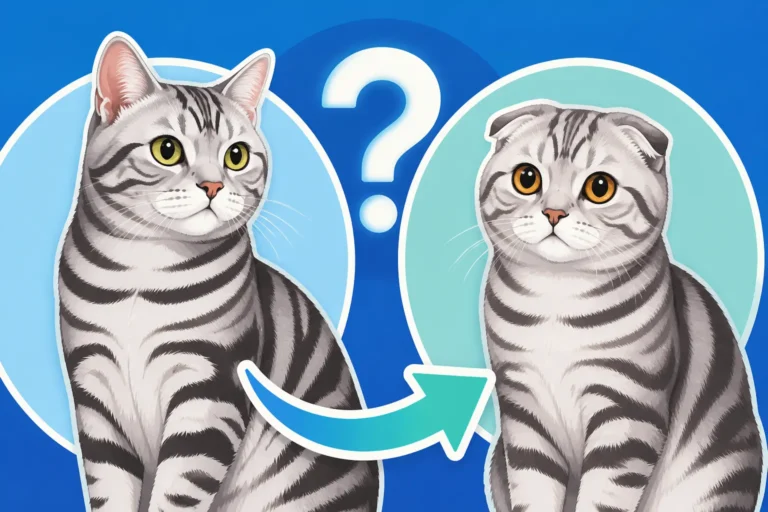
Their popularity and stable traits also meant that both breeds became foundational in the development of others. The British Shorthair, for instance, contributed to breeds like the Scottish Fold, and its solid, plush coat is a desirable trait. Similarly, the American Shorthair's sturdy build and excellent temperament have been an asset in creating new varieties and even for outcrossing to improve the health and vigor of other breeds. Which Breeds Came From the American Shorthair delves deeper into these connections.
In conclusion, while the American Shorthair and the British Shorthair certainly hail from the same ancient European lineage of working cats, their stories diverge significantly once they settled on different continents. The British Shorthair became a beloved icon through selective breeding that refined its majestic, cobby form, while the American Shorthair was developed to preserve the natural, athletic, and adaptable qualities of the hardy cats that helped build a nation. They are distinct breeds, each a magnificent result of their own unique journey through history.
Disclaimer
This article is for general informational purposes only and does not constitute professional advice. Laws, prices and regulations vary by location and change over time. Consult a qualified professional for guidance on your specific situation.