Whether an American Shorthair Raids Another Bowl
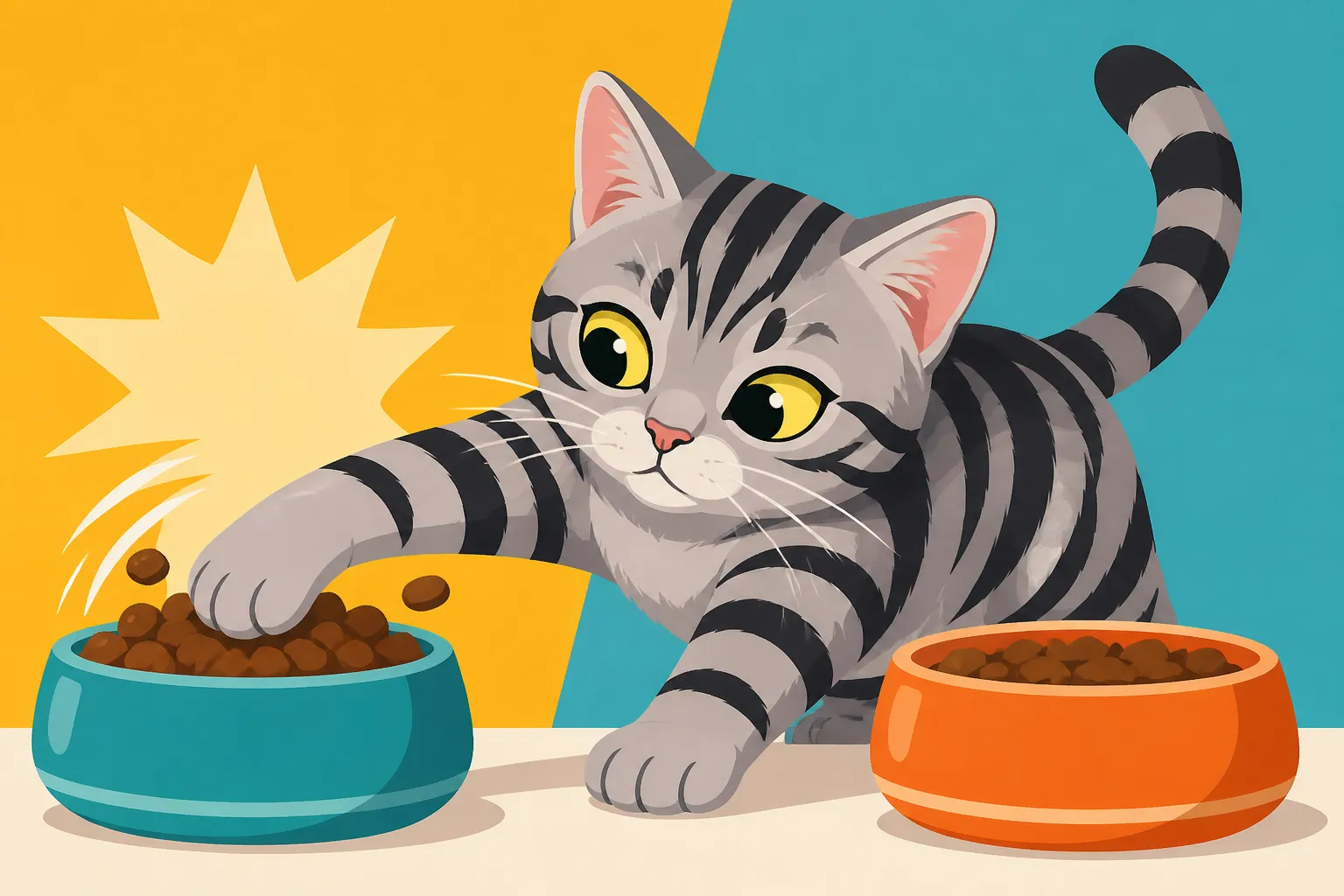
It's a common scenario, isn't it? You've carefully measured out food for all your beloved feline family members, only to turn your back for a moment and find one particular American Shorthair enthusiastically devouring a meal that wasn't meant for them. This guide is here to unravel the mystery behind why your American Shorthair might be raiding another cat's bowl and, more importantly, to give you actionable strategies to put a stop to this culinary conquest.
Understanding the American Shorthair's Innate Drive for Food
The American Shorthair, with its sturdy build and often calm demeanor, carries a long and proud history as a working cat. This heritage has shaped many aspects of their behavior, including their relationship with food. When we delve into their past, it becomes clear why their appetite might seem more robust than some other breeds.
Tracing Back to the Hunter's Instinct
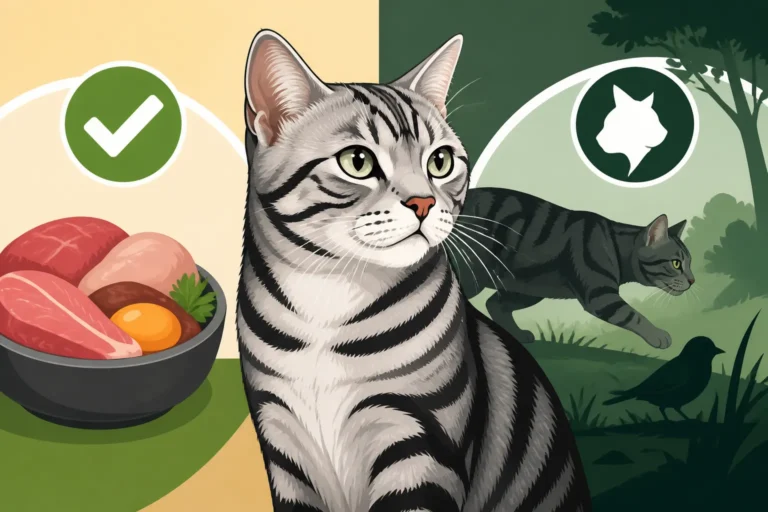
Centuries ago, the ancestors of today's American Shorthairs weren't pampered house pets; they were essential members of the crew on ships and invaluable assets on farms. Their job? To keep rodent populations under control. This wasn't just a hobby; it was a matter of survival for them and a necessity for their human companions. Imagine the harsh realities of maritime travel or life on a frontier farm – food wasn't always plentiful, and the ability to hunt and secure a meal was paramount. These cats developed a strong, ingrained hunting drive, coupled with an instinct to eat when food was available, because they never knew when their next meal might come. They were naturally efficient predators, and that efficiency extended to their metabolism and their drive to consume calories.
Even today, far removed from their mousing duties, that ancestral programming remains. Your American Shorthair might be a champion napper on your sofa, but underneath that placid exterior lies the heart of a hunter. This instinct doesn't just disappear; it finds new outlets. Sometimes, that outlet is an opportunistic dive into a conveniently placed food bowl. It’s not necessarily greed, but a deep-seated, evolutionary response to the presence of food – a survival trait passed down through generations. They're wired to seize the moment, and an unguarded bowl represents an unmissable opportunity. The drive to hunt, capture, and consume is deeply embedded. The American Shorthair Still Hunts, Whether You Want It To or Not
The Metabolism of a Muscular Build
Take a look at your American Shorthair; they are typically well-muscled, robust cats. They're built for strength and endurance, not for delicate lounging. This muscular physique requires a certain amount of fuel to maintain. While they might not be chasing mice across a barn every day, their bodies still operate on a blueprint designed for an active, working life. This means they naturally have a fairly high caloric need to sustain their muscle mass and overall health.
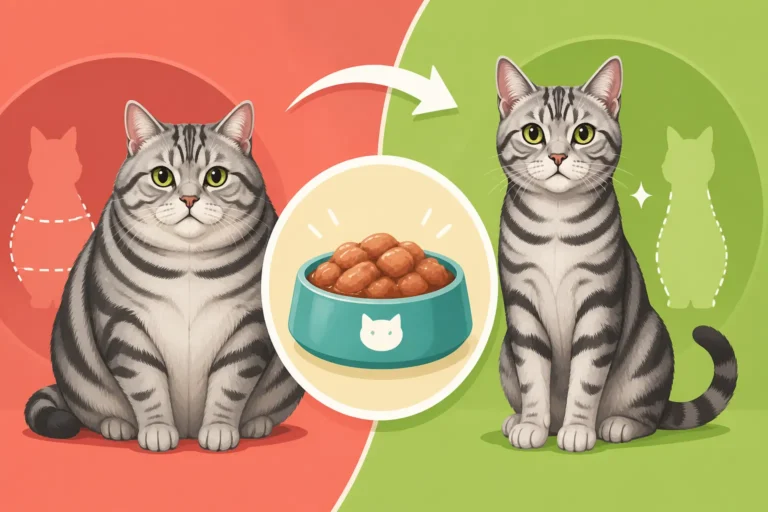
However, the modern indoor lifestyle often doesn't match their historical activity levels. Without the constant patrols, hunts, and general exertion of their ancestors, it's incredibly easy for an American Shorthair to consume more calories than they burn. Their appetite, honed by generations of working for their meals, often remains strong, even when their energy expenditure drops dramatically. This mismatch can lead to weight gain, which is a common struggle for many indoor American Shorthairs. Why Ending the Mousing Job Made the American Shorthair Heavy When food is readily available, and especially if another cat's meal appears to be an extra bonus, their instinct is to consume it. Their powerful jaws and sturdy frame were made for dispatching prey, and that extends to making short work of an unattended bowl of kibble.
Common Reasons Your American Shorthair Might Be a Bowl Raider
So, beyond their genetic predisposition, what specific factors might be driving your American Shorthair to act like a food bandit? It’s rarely just one thing; often, it’s a combination of environmental, social, and even individual needs that lead to bowl raiding.
Simply Not Enough Food
This might seem obvious, but it's a crucial first check. Are you sure your American Shorthair, or perhaps the cat whose bowl is being raided, is actually getting enough food? Portion sizes can be tricky, and every cat's caloric needs are a little different, depending on their age, activity level, and whether they're spayed or neutered. While one cat might be perfectly satisfied with their meal, another might genuinely still be hungry. An American Shorthair, with its sturdy frame, often has a hearty appetite, and if they feel their own bowl isn't quite hitting the mark, they'll seek out other options.
It's not just about the amount of food, either. The quality and density of calories can play a role. A lower-quality food might fill them up initially but leave them feeling less satisfied in the long run, prompting them to look for more. We often assume cats are great at self-regulating, but that's not always the case, especially with breeds known for their love of a good meal. Understanding How Much a Working Framed American Shorthair Should Eat is really important here.
The Allure of Different Food
Cats, much like humans, can be attracted to novelty or perceive another cat's food as inherently "better." Perhaps your other cat is on a specialized diet, or maybe you've tried a premium brand for one and a standard kibble for another. The smell and taste of different food can be incredibly enticing. If Fluffy gets a delicious wet food topper and Mittens only gets dry kibble, Mittens might decide Fluffy's meal is worth investigating.
This is especially true if you're experimenting with different food types. For example, if one cat is eating fresh food, the appealing aroma and texture could make it irresistible to a curious American Shorthair accustomed to dry kibble. The novelty value alone can be a powerful motivator. Cats also learn quickly, and if they discover that another cat’s bowl occasionally holds a more desirable treat, they’ll regularly check it out, even if their own bowl is full.
Resource Guarding and Dominance
Even the most mellow American Shorthairs can exhibit territorial behaviors when it comes to high-value resources like food. In a multi-cat household, the dining experience isn't always a polite, communal affair. One cat might try to assert dominance by claiming multiple food bowls, even if they don't immediately eat all the food. This isn't necessarily aggression; it can be a subtle form of resource guarding, where one cat prevents another from accessing the food as a way to establish their place in the hierarchy.
This behavior can look different from cat to cat. Some might physically block access, while others might simply "hover" around the other cat's bowl until the other cat retreats. Your American Shorthair, with its historical self-reliance, might be more inclined to secure resources for itself. Why an American Shorthair Was Never Bred to Need You can manifest as a strong sense of personal territory over food. This isn't always about hunger; it’s about control and ensuring their own access to vital sustenance.
Boredom and Learned Behavior
An indoor American Shorthair, especially one with that strong innate hunting drive, can sometimes get bored if their environment isn't stimulating enough. What an Indoor American Shorthair Does With a Mouser's Instinct when it has no real prey to stalk can lead to restless energy. Eating, even stealing, can become a form of entertainment or a way to alleviate that boredom. If they don't have enough engaging toys, climbing opportunities, or interactive play sessions, the thrill of "getting away with it" can be a powerful driver.
Moreover, cats are intelligent and learn quickly. If your American Shorthair has successfully raided another bowl in the past and gotten away with it, they've learned that it's an effective strategy. Each successful raid reinforces the behavior, making them more likely to try it again. It becomes a habit, a part of their daily routine, because it works for them.
Practical Strategies to Prevent Bowl Raiding
Putting an end to bowl raiding requires a combination of thoughtful planning, consistency, and sometimes a little technological help. Here are some proven strategies to reclaim mealtime peace in your home.
Implementing Separate Feeding Stations
The simplest and often most effective method is to create individual, distinct feeding stations for each cat. This means literally feeding them in separate areas of your home. Think different rooms, opposite ends of a long hallway, or even different levels (one on the floor, one on a counter or cat tree platform). The key is to ensure that while one cat is eating, the other cannot physically access their food.
Supervised mealtimes are crucial here. Stay present while your cats eat, and once they're finished, pick up any leftover food immediately. This eliminates the opportunity for opportunistic raiding. If one cat is a slow eater, you might need to keep them in a separate room for a bit longer until they're done. This strategy relies on your active participation, but it prevents the behavior by removing the chance for it to happen in the first place.
Utilizing Smart Feeders and Microchip Technology
For a more automated and often foolproof solution, consider investing in smart feeders, particularly those that use microchip technology. These feeders are a game-changer for multi-cat households or if you have a cat on a prescription diet that needs to be kept separate. A microchip feeder, like those from SureFeed, is programmed to open only for a specific cat by reading their microchip or a special RFID collar tag. This means only the designated cat can access the food inside.
You can find these innovative feeders at retailers like Chewy or Amazon. While they represent an initial investment, the peace of mind they offer, knowing each cat is eating only their own food, can be priceless. This prevents the American Shorthair with a hearty appetite from cleaning out everyone else's bowl, and ensures that the more timid eaters get their fair share without being bullied away from their meals. They are particularly good for How Many Calories a Working Framed American Shorthair Needs a Day to ensure each cat gets exactly what they need.
Managing Food Portions and Schedules
Free-feeding, where food is left out all day, is a significant contributor to bowl raiding and weight issues in American Shorthairs. Their instinct to eat when food is available, coupled with a typically strong appetite, means that a bowl left down can quickly undo any efforts at portion control. Why a Bowl Left Down Undoes an American Shorthair is a concept worth internalizing. Instead, transition to scheduled mealtimes with carefully measured portions.
Feed your cats two or three times a day at consistent intervals. This helps regulate their hunger and creates a predictable routine. When you portion out the food, use a measuring cup to ensure accuracy. If one cat still seems to be finishing too quickly and eyeing others' bowls, you might need to adjust their portion slightly (after consulting your vet) or slow down their eating. Puzzle feeders can be excellent for this. By making your American Shorthair "work" for its dinner, even indoors, you can satisfy some of that innate hunting drive and slow down consumption. Whether a Puzzle Feeder Replaces an American Shorthair's Hunt This also adds mental enrichment.
| Feeding Strategy | Description | Pros | Cons |
|---|---|---|---|
| Free Feeding | Food is available at all times. | Convenient for owners; cats can eat on demand. | Difficult to monitor individual intake; easy for some cats to overeat; promotes bowl raiding. |
| Scheduled Meals | Fixed meal times with measured portions. | Excellent for portion control; easy to monitor intake; can reduce raiding. | Requires owner presence at meal times; cats may beg between meals if not accustomed. |
| Separate Feeding | Each cat eats in a different, inaccessible location. | Eliminates direct competition; ensures all cats get their own food. | Requires multiple feeding spots; can be logistically challenging in smaller homes. |
| Microchip Feeders | Feeder opens only for specific microchipped cat/tag. | Prevents unauthorized access; precise portioning for each cat; reduces stress. | Higher initial cost; requires microchips or collar tags; can be noisy (if a pet is startled). |
| Puzzle Feeders | Food dispensed through interaction/play. | Provides mental stimulation; slows eating; satisfies hunting instinct. | Can be messy; some cats may find it frustrating; not suitable for all food types. |
Addressing the Root Causes: Health & Enrichment
If, despite your best efforts with separate feeders and scheduled meals, the bowl raiding persists, it might be time to look deeper. First, rule out any underlying health issues. A sudden increase in appetite, or persistent hunger, could be a sign of a medical condition that needs a vet's attention, such as hyperthyroidism or diabetes. A vet can help assess if one cat is genuinely not absorbing nutrients or has an abnormally high metabolic rate.
Beyond health, consider your American Shorthair's enrichment needs. As previously mentioned, a bored cat with a strong hunting drive will find ways to entertain itself. Stealing food can be a self-rewarding game. Are they getting enough physical and mental stimulation? Regular, interactive play sessions with wand toys that simulate hunting can make a huge difference. Provide vertical space, like cat trees or shelves, where they can climb and survey their "territory." How Much Simulated Hunting an American Shorthair Needs is vital for their well-being. By channeling their natural instincts into appropriate activities, you might find their fixation on other cats' bowls diminishes significantly.
Living Peacefully in a Multi-Cat Household
Living with multiple cats, especially American Shorthairs who value their routines and resources, means understanding that each cat is an individual with their own needs and quirks. Establishing harmony around food is a cornerstone of a happy multi-cat home.
The Importance of Individual Needs
Even if you have two American Shorthairs, they won't be identical in their behavior or their appetite. One might be a fast eater, the other a grazer. One might be more dominant, the other more timid. Recognizing these individual differences is key to successful management. Your bowl raider might have a higher metabolism, a stronger food drive, or simply be more assertive. Portioning for an American Shorthair That Once Worked for Meals means adjusting to a cat's current lifestyle, not just their breed history.
Tailor your approach to each cat. The cat being raided might need a more secure feeding spot or a microchip feeder to ensure they actually get to eat their meal without stress. The raider might need more mental and physical enrichment, or perhaps their food portions need to be split into more frequent, smaller meals to keep them feeling satisfied throughout the day. It's about finding a balance that works for everyone, respecting each cat's unique personality and requirements.
Gradual Introduction of New Routines
Cats are creatures of habit, and American Shorthairs, with their sensible and often stoic nature, thrive on predictability. Introducing new feeding routines needs to be done gradually and with patience. Don't expect immediate compliance. If you're switching from free-feeding to scheduled meals, or introducing separate feeding spots, there might be some initial resistance, confusion, or even protest.
Start by moving bowls slightly further apart, then to different rooms, gradually increasing the separation over several days or even weeks. Use positive reinforcement – treats, praise, and gentle reassurance – to help your cats associate the new routine with positive experiences. Consistency is paramount; if you're inconsistent, your American Shorthair will quickly revert to old habits. It might take time for them to adjust and understand the new "rules" around food, but with persistence, you can establish a harmonious and raid-free mealtime environment for all your feline friends.
Disclaimer
This article is for general informational purposes only and does not constitute professional advice. Laws, prices and regulations vary by location and change over time. Consult a qualified professional for guidance on your specific situation.