How Well an American Shorthair Handles Heat
As temperatures climb, many of us worry about our furry family members, especially our beloved American Shorthairs, who seem so wonderfully adaptable to just about everything else. You might be wondering if their sturdy build and dense, practical coat make them less equipped for scorching summer days or humid spells, or if they have some hidden resilience from their working cat heritage. It’s a very real concern, because while these cats are known for their robust health and easygoing nature, they absolutely can suffer from heat stress, and knowing their limits and how to help them is crucial for their comfort and safety. This comprehensive guide will explore the American Shorthair's natural ability to cope with heat and provide practical, empathetic strategies to ensure your feline friend stays cool and healthy when the mercury rises.
Natural Adaptations of the American Shorthair to Heat
The American Shorthair has a fascinating history rooted in practicality rather than purely aesthetic breeding. Their ancestors were the hardy working cats brought over on ships, tasked with keeping vermin at bay in barns and homes across North America. This background means they possess a natural hardiness and adaptability to various climates, but it doesn't make them immune to the dangers of extreme heat. Understanding their natural physiological and behavioral mechanisms is the first step in ensuring their well-being when the summer sun beats down.
Coat Structure and Heat Regulation
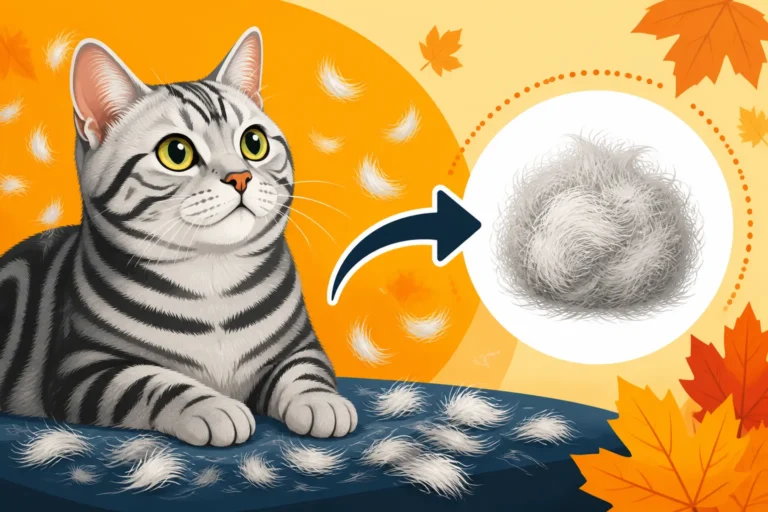
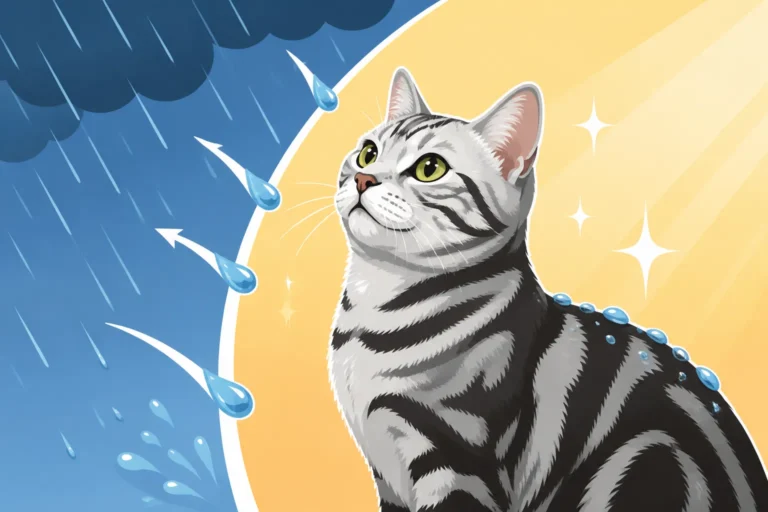
Unlike some breeds with exceptionally plush or long coats, the American Shorthair boasts a dense, hard, and even coat that's surprisingly efficient for climate regulation. This coat, often described as a double coat, features a protective outer layer of guard hairs that repel moisture and a softer, thicker undercoat providing insulation. While we often associate insulation with warmth, it also works to protect against heat, much like how an insulated thermos keeps drinks cold. The coat helps prevent direct sunlight from reaching the skin, reducing the risk of sunburn and heat absorption. The American Shorthair's Coat Was Built for Weather, Not a Judge speaks volumes about this practical design.
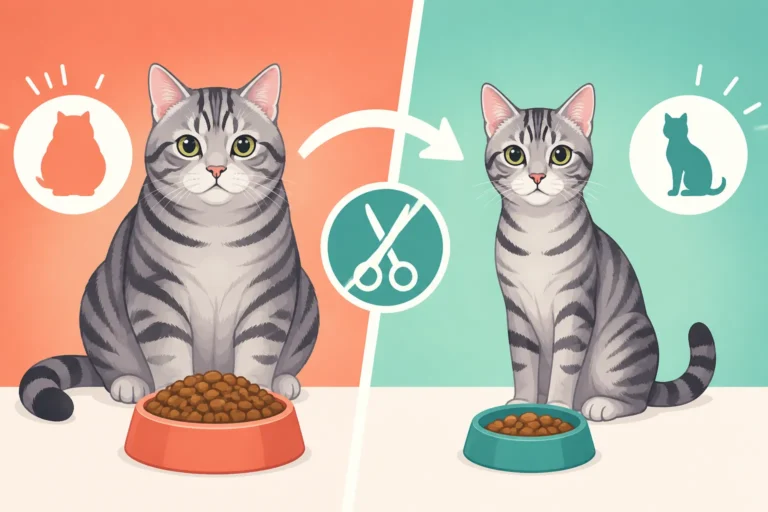
However, even with this natural protection, there's a limit. If the air around them is hotter than their body temperature, their coat can begin to trap heat rather than repel it. This is why you'll notice them shedding more intensely in the spring to lighten their load for summer. But even a summer coat still provides a barrier. It’s a delicate balance, and we, as their caregivers, need to be mindful that their robust coat isn't a superpower against all heat, especially in humid conditions where sweat evaporation (which cats don't do like humans) is hindered. Never shave your American Shorthair thinking it will help them cool down; this actually removes their natural insulation and exposes their delicate skin to sunburn, making them more vulnerable. Why an American Shorthair Should Never Be Shaved delves deeper into this common misconception.
Behavioral Cooling Mechanisms
American Shorthairs are typically intelligent and instinctively pragmatic. When they feel warm, they employ several behavioral strategies to cool themselves down. You'll often find them seeking out cool, shaded spots – think under a bush in the garden, a tiled floor in the bathroom, or a quiet corner away from direct sunlight. They become less active, conserving energy and reducing their internal heat production. Their usual playful antics might be replaced by long stretches of napping in the coolest part of the house.
Another common behavior is spreading out their body as much as possible, often on a cool surface, to maximize heat dissipation from areas with less fur, like their belly. They might also engage in increased self-grooming. While grooming helps keep their coat clean, the saliva evaporating from their fur acts as a cooling mechanism, similar to how humans sweat. This is their primary way of "sweating," as they only have sweat glands in their paw pads. If you observe your cat trying these methods extensively, it's a clear signal that they are feeling the heat and need your help.
Physiological Responses to Rising Temperatures
Beyond behavioral changes, the American Shorthair's body has physiological responses to heat. The most noticeable is panting. Unlike dogs, cats don't typically pant unless they are significantly overheated, stressed, or experiencing respiratory distress. So, if you see your American Shorthair panting, it's a serious sign that their core body temperature is too high, and they are struggling to regulate it. Their heart rate may also increase as their body tries to pump blood closer to the surface to release heat.
Their ears, which have less fur, can become warmer to the touch as blood vessels near the surface dilate to release heat. While effective to a degree, these physiological responses indicate that the cat's internal temperature regulation system is working hard, potentially to its limits. It’s a red flag, not a benign adjustment. The goal is to intervene before these internal systems are pushed to their max, preventing discomfort and potentially dangerous heatstroke.
Recognizing the Signs of Overheating in Your American Shorthair
Spotting when your American Shorthair is getting too hot is absolutely vital. These cats are known for being quite stoic, a trait that likely comes from their independent, working ancestors. They often don't loudly complain or dramatically signal distress until a situation is quite advanced, which means you need to be a keen observer. What might seem like minor discomfort can quickly escalate into a serious health crisis if left unaddressed.
Subtle Early Warning Signs
Before full-blown heatstroke, your American Shorthair will usually exhibit more subtle cues that they're feeling the heat. These are the signs you need to look out for to intervene early. One of the first things you might notice is a change in their typical resting spots; instead of their usual sunbeam nap, they'll be sprawled on the cool bathroom tiles or a shaded spot under a chair. They might be less interested in play, even their favorite wand toy that usually gets them bouncing. How Much of a Working Cat's Energy the American Shorthair Kept will remind you of their usual vigor, making this lethargy a clear indicator.
Increased grooming, as mentioned, is another early sign, as they're trying to cool themselves through evaporating saliva. You might also notice their ears feeling warmer to the touch, or their paw pads feeling sweaty. While difficult to quantify for us, this is one of the few places cats sweat. Their general demeanor might seem a bit more withdrawn or quiet than usual. They might drink more water than normal, hovering around their water bowl or trying to drink from the faucet. If you have multiple cats, you might notice your American Shorthair choosing to rest alone, seeking solitude in a cooler spot, rather than cuddling up.
Advanced Symptoms and Heatstroke
If the early signs are missed, or if the heat exposure is severe, your American Shorthair can quickly progress to more dangerous symptoms indicative of heatstroke. This is an emergency. Watch for rapid, heavy panting, which is a strong sign of severe overheating in cats. Their breathing might become labored, and their gums might appear bright red or, conversely, very pale or even bluish if oxygen isn't circulating properly. Vomiting and diarrhea can occur, sometimes with blood.
They may become visibly dizzy or disoriented, staggering when they walk, or even collapse. Their body temperature will be extremely high – feel their armpits or inner thighs if you can. Seizures or muscle tremors are also very serious indicators. At this stage, time is of the essence. Your cat's organs can start to shut down, leading to irreversible damage or even death. This isn't just about discomfort; it's a life-threatening situation.
Differentiating Normal Panting from Distress
It's important to understand that while cats can pant, it's rarely a good sign, especially when compared to dogs who pant regularly to cool down. A cat panting is almost always a red flag. A very short burst of panting after an extremely vigorous play session (like a full-out sprint and pounce) might happen briefly, but it should resolve quickly, within seconds. This kind of panting is rare in American Shorthairs unless they've really exerted themselves.
However, sustained panting, heavy panting, or panting that occurs when they haven't been actively playing is a clear sign of distress. If your American Shorthair is panting while just resting or walking normally, especially in warm weather, assume it's a sign of overheating or an underlying health issue and act immediately. Don't assume they're "just hot" like a dog might be. This distinction is critical for catching heat-related problems before they become critical.
| Symptom Category | Early Warning Signs (Mild Heat Stress) | Advanced Symptoms (Heatstroke) |
|---|---|---|
| Behavioral | Seeking cool spots, decreased play, lethargy | Staggering, disorientation, collapse, seizures |
| Physical | Increased grooming, warm ears, sweaty paw pads | Rapid/heavy panting, bright red/pale gums, vomiting, diarrhea, high body temp |
| Respiratory | Slightly faster breathing | Labored breathing, gasping for air |
| Hydration | Increased thirst, frequent trips to water bowl | Dehydration (sticky gums, sunken eyes) |
Creating a Cool Environment for Your American Shorthair
One of the best things you can do for your American Shorthair in hot weather is to proactively manage their environment. These intelligent, adaptable cats will naturally seek out cooler spots, but it's our responsibility to ensure those cool spots are readily available and effective. Their instinct to patrol their territory, as discussed in How an American Shorthair Splits Its Day Between Patrol and Sleep, means they appreciate having a cool, comfortable space to retreat to after their rounds.
Indoor Cooling Strategies
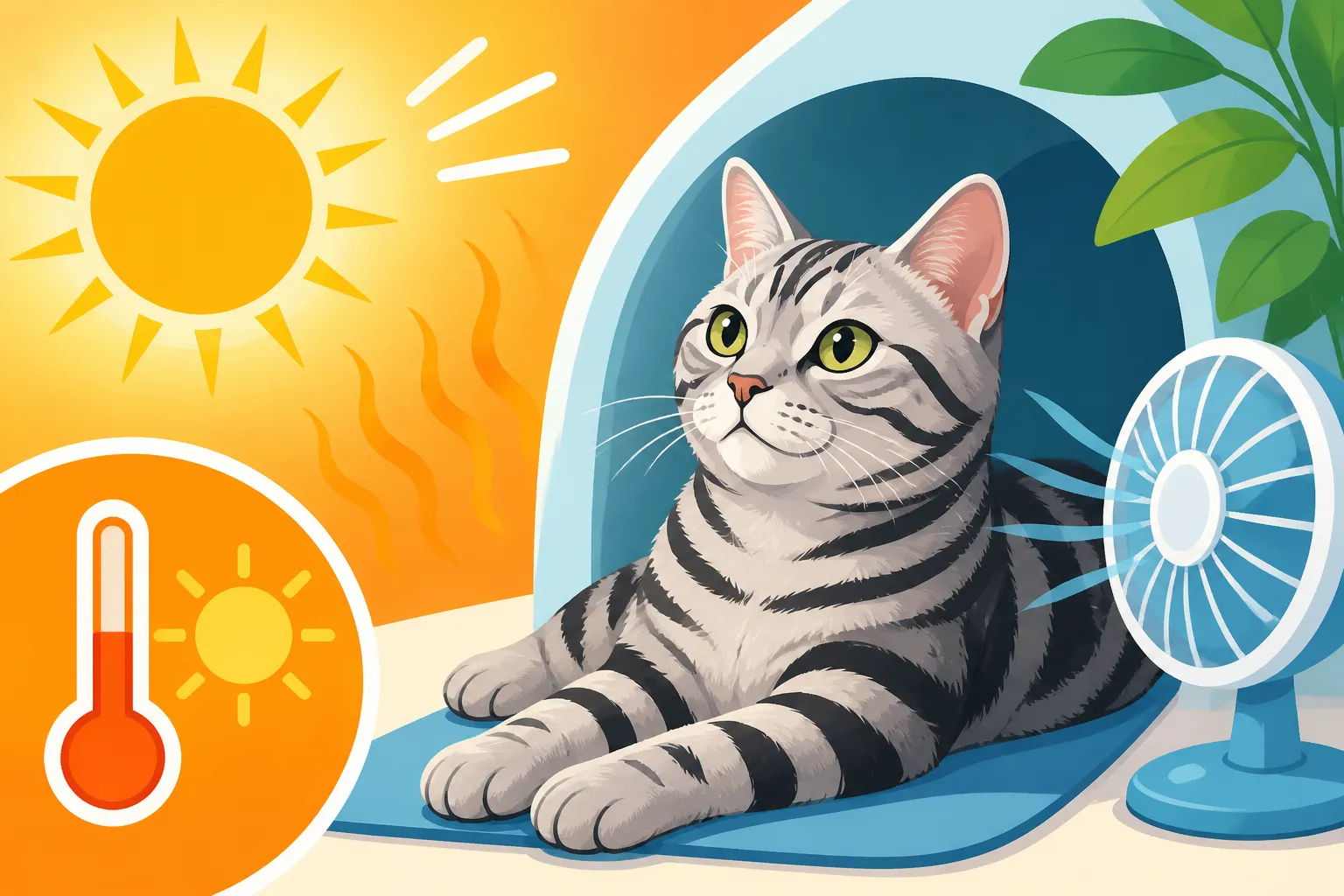
Keeping your home cool is paramount. Air conditioning is, of course, the gold standard. If you have it, set it to a comfortable temperature, ideally between 75-80°F (24-27°C) for optimal cat comfort. If central AC isn't an option, strategically placed fans can make a big difference. Point fans away from your cat, allowing them to circulate air and create a breeze in the room, rather than blowing directly on them. Cross-ventilation is key. Drawing blinds and curtains during the hottest parts of the day can block direct sunlight and significantly reduce indoor temperatures.
Consider investing in cooling mats, which often use gel that activates with pressure, providing a cool surface for your cat to lie on. Brands found on Chewy or Amazon offer a variety of sizes and styles. Placing ceramic tiles or stone slabs in shaded areas can also provide a naturally cool resting spot. Ensure there's plenty of fresh, cool water available in multiple locations throughout the house. Sometimes, a simply frozen water bottle wrapped in a towel can offer a nice spot for them to lean against.
Safe Outdoor Access in Summer
While American Shorthairs historically roamed, modern indoor-only living is much safer for them. If your American Shorthair does have outdoor access, whether through a catio or supervised garden time, extreme caution is needed during hot weather. The Risks an Outdoor American Shorthair Takes That an Indoor One Does Not highlights many dangers, and heat is certainly one of them. During summer, restrict outdoor time to the very early morning or late evening when temperatures are significantly cooler. Avoid the midday sun entirely.
Ensure any outdoor space has ample shade from trees, umbrellas, or covered structures. Provide fresh, cool water bowls outside as well. A small, shallow tray of water (not deep enough to drown in) can also provide a place for them to dip their paws if they choose. Never, ever leave your cat in a car, even with windows cracked, as temperatures can soar to lethal levels in minutes. This applies even if you're just running a quick errand. The stoic nature of an American Shorthair means they might not vocalize distress until it's too late.
Temperature-Appropriate Bedding and Resting Spots
Beyond general environmental cooling, think specifically about where your American Shorthair chooses to rest. During cooler months, they might love a fluffy bed or a cozy blanket, but in summer, these can become heat traps. Swap out heavy bedding for lighter materials like a thin cotton sheet or even no bedding at all on their favorite napping spots. As mentioned, cool surfaces like tile, laminate, or stone floors are often preferred.
Some cats enjoy elevated beds, like those with mesh fabric, that allow air to circulate underneath them, preventing heat from building up. You can find options for these kinds of beds on platforms like Amazon. Placing these near an open window (with a secure screen!) or a gentle fan can amplify the cooling effect. Remember, the goal is to offer them options. Let your American Shorthair decide where they are most comfortable, but make sure the comfortable options are also cool and safe.
Hydration and Diet Strategies for Hot Weather
Proper hydration and thoughtful dietary choices are cornerstones of managing your American Shorthair's health during periods of high heat. Just like us, cats need more fluids when it’s hot, and certain foods can help them stay better hydrated. Given their history as efficient hunters, their bodies are designed to extract much of their moisture from prey, meaning they don't always have a strong thirst drive compared to dogs. This makes our efforts even more important.
Encouraging Water Intake
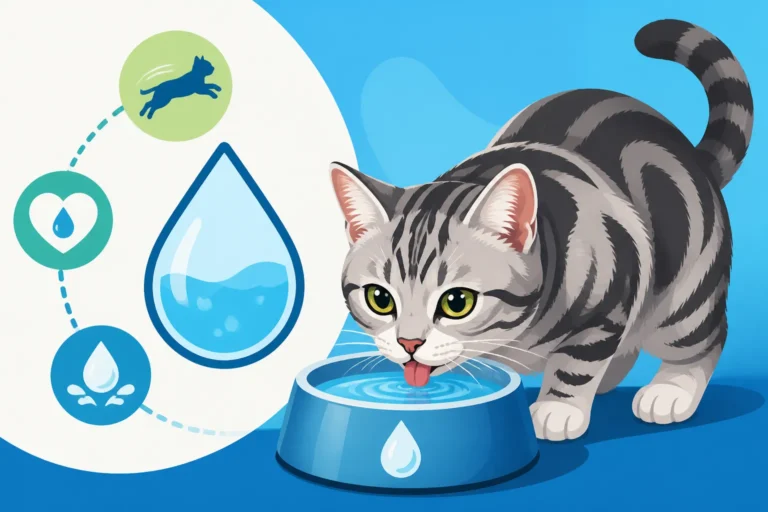
Getting an American Shorthair to drink enough water can sometimes feel like a personal challenge, especially with their low thirst drive. How Much Water an American Shorthair Should Drink is a good read if you want to understand their needs better. Start by ensuring they always have access to fresh, clean water in multiple bowls placed around the house, in spots they frequent. Some cats are particular about their water, so try different types of bowls – ceramic, glass, stainless steel – and observe which they prefer. Often, cats prefer bowls that are wide and shallow, preventing their sensitive whiskers from touching the sides.
Many American Shorthairs are fascinated by moving water. A cat water fountain can be a game-changer, as the flowing water often entices them to drink more. Brands like those found on Chewy offer many reliable options. You can also add a few ice cubes to their water bowl to keep it cool and refreshing; some cats even enjoy playing with the cubes. For those who are still reluctant, consider adding a tiny splash of tuna juice (in water, not oil) or bone broth (unsalted, no onions/garlic) to their water to make it more appealing.
Adjusting Diet for Warmer Months
Diet plays a significant role in hydration. Dry kibble has very low moisture content, typically around 10%, meaning your cat needs to drink a lot more water to compensate. During hot weather, transitioning to or increasing the amount of wet food in their diet can dramatically boost their fluid intake. Wet food usually contains about 70-80% moisture, mimicking the water content of their natural prey.
If your American Shorthair is accustomed to dry food, make the transition gradually to avoid digestive upset. You can start by mixing a small amount of wet food into their kibble, slowly increasing the ratio over several days or weeks. For cats who are already on a wet food diet, you can even add a tablespoon or two of extra water to each meal, stirring it in thoroughly. Consider foods that prioritize high-quality protein and moisture, such as fresh, human-grade food, which is naturally high in moisture and an excellent choice for hot weather hydration.
The Role of Electrolytes and Hydration Aids
In extreme heat or if your cat has been particularly stressed, they might benefit from hydration aids. However, always consult your vet before giving your cat any supplements or electrolyte solutions designed for humans, as these can be dangerous. Your vet might recommend specific veterinary-formulated electrolyte solutions or rehydration formulas that are safe and appropriate for felines.
Some wet food varieties are specifically designed for urinary health, often having even higher moisture content, which can be beneficial in general hydration. If you notice your cat seeming particularly lethargic or showing signs of dehydration, a quick call to your vet is always best. They can advise on safe ways to help your cat rehydrate or determine if an underlying issue needs attention. Remember, every drop counts when it's scorching outside. How to Tell If an American Shorthair Drinks Enough can help you recognize the signs of inadequate hydration.
When to Seek Veterinary Care for Heat-Related Issues
Knowing when to call the vet for your American Shorthair is critical, especially since these cats tend to be quite stoic and might not show overt signs of distress until they are genuinely suffering. Heatstroke is a medical emergency, and prompt veterinary attention can be the difference between a full recovery and severe, lasting complications or even death. Why an American Shorthair Is a Low Anesthetic Risk usually, but heatstroke compromises all their systems, making any intervention more complex.
Emergency Signs of Heatstroke
If your American Shorthair is exhibiting any of the advanced symptoms discussed earlier—such as severe, continuous panting, staggering, disorientation, vomiting, diarrhea (especially with blood), seizures, or collapse—do not delay. These are definitive signs of heatstroke and require immediate veterinary intervention. Even if they seem to recover slightly after you've tried some first aid, a vet visit is still essential to check for internal organ damage, which can sometimes manifest hours or even days later.
Another key indicator is a body temperature above 104°F (40°C). While taking a cat's temperature can be challenging and stressful, if you can safely do so rectally, it can confirm overheating. However, do not delay transport to the vet to attempt this if your cat is already showing severe signs. Time is of the essence. Call ahead to your veterinary clinic or emergency animal hospital so they can be prepared for your arrival. What a Straining American Shorthair Needs Within Hours might be about urinary issues, but the urgency applies equally to heatstroke – don't wait!
First Aid While Awaiting Vet Care
While you're on your way to the vet, or waiting for emergency services, there are some crucial first aid steps you can take to help cool your American Shorthair. The primary goal is to lower their body temperature gradually, not too rapidly. Move your cat immediately to the coolest possible environment – air-conditioned room, shaded area, or even near a fan.
Gently wet their coat with cool (not ice cold) water, focusing on areas with less fur like their paws, belly, and inner thighs. You can use damp towels or sponges. A fan directed at their wet fur can aid evaporative cooling. Never submerge an overheated cat in cold water or use ice packs directly on their skin, as this can cause their blood vessels to constrict, trapping heat inside their body and potentially leading to shock. Offer small amounts of cool water if they are conscious and willing to drink, but don't force it. These measures are temporary; they buy time until professional medical help is available.
Preventative Check-ups for Heat Sensitivity
For some American Shorthairs, especially older cats or those with pre-existing health conditions like heart disease (which, although rare, can affect the breed, as detailed in HCM Is the One Inherited Disease the American Shorthair Kept), heat can pose a greater risk. A routine veterinary check-up before summer starts can be beneficial. Your vet can assess your cat's overall health, discuss any potential heat sensitivities, and offer personalized advice for heat management.
If your American Shorthair is overweight or obese, which is a common issue for indoor cats Obesity Is What Ending the American Shorthair's Job Cost It, they are at a higher risk of heatstroke because the extra fat acts as insulation, making it harder for them to dissipate heat. Your vet can help you develop a weight management plan. Discussing your cat's typical activity levels, water intake habits, and any changes you've noticed can also help your vet determine their risk profile. Proactive discussions with your vet can empower you to keep your American Shorthair safe and comfortable throughout the hottest months. Why a Withdrawn American Shorthair Should See a Vet also applies if you notice subtle shifts in behavior during hot weather, which could indicate underlying issues or early signs of heat stress.
Caring for an American Shorthair in Extreme Heat
When the temperatures really skyrocket, going beyond what’s merely warm to genuinely hot and oppressive, your American Shorthair needs an elevated level of care and vigilance. These periods of extreme heat test the limits of even the most robust and adaptable felines. It's during these times that their self-sufficient nature can actually work against them, as they may not overtly ask for help even when they're struggling.
Maintaining Optimal Hydration During Heat Waves
During a heat wave, your efforts to encourage water intake need to be redoubled. Simply having one or two water bowls out might not be enough. Place several bowls in different locations, ensuring at least one is in every room your American Shorthair frequently visits. Consider adding more water fountains, especially if you have a multi-cat household, to ensure every cat has ample access without competition. Keep the water as cool as possible; changing it multiple times a day is ideal, and adding a few ice cubes can make it more enticing.
You might also consider offering a small amount of diluted, unflavored Pedialyte (consult your vet first on proper dilution and dosage!) if you're concerned about electrolyte balance, though typically increasing wet food and fresh water is sufficient for healthy cats. Creating small "water stations" with a bowl and perhaps a few damp toys can pique their interest. Remember, even a small increase in water intake can make a big difference in preventing dehydration during scorching temperatures.
Modifying Play and Activity Levels
The American Shorthair, with its natural hunting drive, loves to play. However, in extreme heat, intense play sessions can quickly lead to overheating. Their instinct to stalk and pounce, explored in The American Shorthair Still Hunts, Whether You Want It To or Not, doesn't magically disappear, but their ability to safely engage in it does. During a heat wave, scale back energetic games, especially those that involve a lot of running and jumping.
Instead, opt for calmer, shorter play sessions during the coolest parts of the day, such as early morning or late evening. Focus on puzzle feeders or scent games that engage their minds without excessive physical exertion. If your cat brings you things, as they are wont to do according to Why an American Shorthair Brings You Things, acknowledge their offering but gently redirect to a calmer activity. Encourage them to rest and stay still. If they do play, monitor them closely for any signs of panting or labored breathing, and stop immediately if you notice anything concerning.
Recognizing and Addressing Humidity's Impact
Humidity often makes high temperatures feel even worse for us, and the same is true for our cats. Cats primarily cool themselves through evaporation of saliva from grooming and through their paw pads. High humidity significantly reduces the effectiveness of evaporative cooling because the air is already saturated with moisture, making it harder for their body to release heat. This means a 90°F day with high humidity is far more dangerous than a dry 90°F day.
If you live in a humid climate, or are experiencing a humid heat wave, take extra precautions. Dehumidifiers can help make the indoor air feel less oppressive and aid in your cat's natural cooling processes. Pay even closer attention to their behavior and physical signs of overheating, as they will be more susceptible to heat stress at lower temperatures in humid conditions. Ensure good air circulation throughout your home to help move humid air.
Dealing with Power Outages and Unforeseen Heat Challenges
Life throws curveballs, and a heatwave combined with a power outage can create a truly dangerous situation for both humans and pets. Our American Shorthairs, accustomed to their climate-controlled indoor environments, can quickly become vulnerable. Planning for such eventualities is not being paranoid; it's being a responsible pet parent.
Emergency Cooling Without Electricity
A power outage during a heatwave can turn a warm house into a stifling oven surprisingly quickly. If your air conditioning and fans stop working, you need to implement immediate strategies to keep your American Shorthair cool. Relocate your cat to the coolest part of your home, typically the lowest level or a room with thick walls and few windows. Keep all blinds and curtains drawn to block sunlight.
Lay out cool, damp towels on the floor for your cat to lie on, or wrap frozen water bottles in towels and place them near your cat for them to lean against if they wish. If you have a battery-operated fan, use it to create some air movement around them. Offer water frequently. If you have access to a cooler or ice chest, you can put a bowl of ice inside to create a small, localized cold spot for a short period. Evaporation is your friend, so lightly misting their fur with cool water (again, not ice cold) and letting it evaporate can help.
Planning for Evacuation and Emergency Kits
In severe, prolonged heat emergencies or power outages, you might need to evacuate to a cooler location, such as a designated cooling center or a friend's house with air conditioning. Having an emergency kit prepared specifically for your cat is crucial. This kit should include:
- A sturdy, well-ventilated carrier that your American Shorthair fits comfortably in. What a Carrier a Square Built American Shorthair Fits In Costs would offer insights into selecting the right one.
- Several days' supply of their regular food (preferably wet food for hydration) and bottled water.
- Any necessary medications.
- Portable water bowls.
- Copies of their veterinary records, including vaccination history and any special health concerns.
- A familiar blanket or toy to help reduce stress.
- Recent photos of your cat in case they get separated from you.
Know in advance which local cooling centers or shelters allow pets, or have a pre-arranged plan with friends or family. Don't wait until an emergency strikes to figure this out.
Keeping Track of Local Weather and Emergency Alerts
Stay informed about local weather forecasts and any emergency alerts issued by your community. Many weather apps and local news channels provide heat advisories, warnings, and information about cooling centers. Being aware of an impending heatwave allows you to take preventative measures before it becomes an emergency. This includes pre-cooling your home, stocking up on wet food, and preparing your emergency kit.
For their ancestors, surviving the elements was part of daily life. For our modern American Shorthairs, we are their best defense against extreme weather. Your vigilance and preparedness are the most effective tools in ensuring their comfort and safety when the temperatures soar.
Disclaimer
This article is for general informational purposes only and does not constitute professional advice. Laws, prices and regulations vary by location and change over time. Consult a qualified professional for guidance on your specific situation.