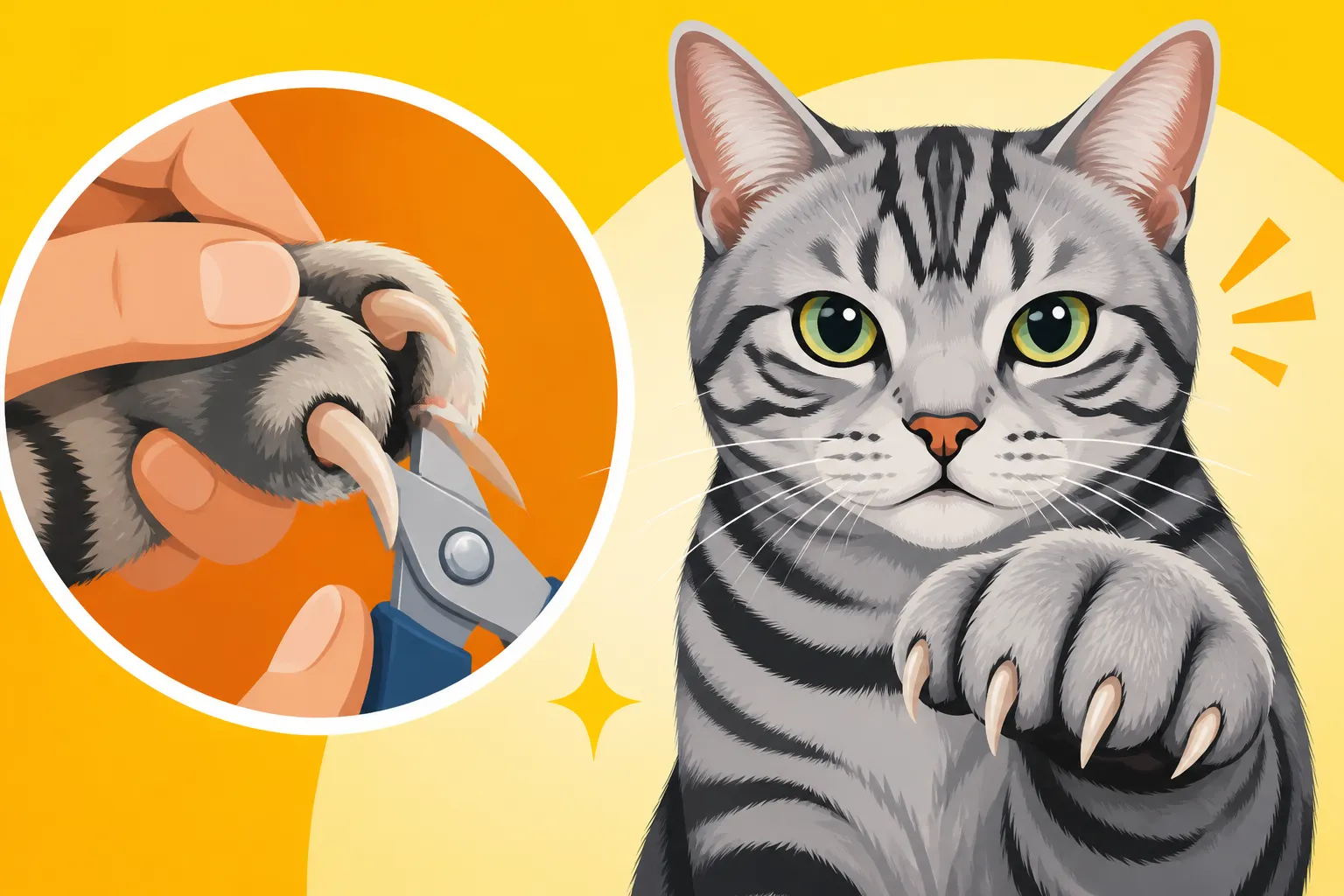
How to Cut the Claws of an American Shorthair That Uses Them
It's a common misconception that because American Shorthairs are so naturally capable and self-sufficient, their claws somehow take care of themselves. You might envision your sturdy little hunter out in the wild, scaling trees and tearing apart cardboard boxes, and think, "Surely, their claws wear down naturally!" The reality is, even the most active American Shorthair, particularly one living a comfortable indoor life, can end up with claws that are too long, sharp, and problematic. This guide will walk you through the practical steps of safely and effectively trimming the claws of your American Shorthair, transforming what might feel like a daunting task into a manageable part of your cat's routine.
Understanding Your American Shorthair's Claws and Why Trimming Matters
Our American Shorthairs are magnificent creatures, built for functionality and efficiency. Their history as working cats, from ships to barns, meant their claws were constantly engaged in essential tasks like hunting, climbing, and defending. But modern life, even for a cat that enjoys a good romp, rarely provides the consistent, natural wear and tear their ancestors experienced.
The Natural Role of Claws in a Working Cat's Life
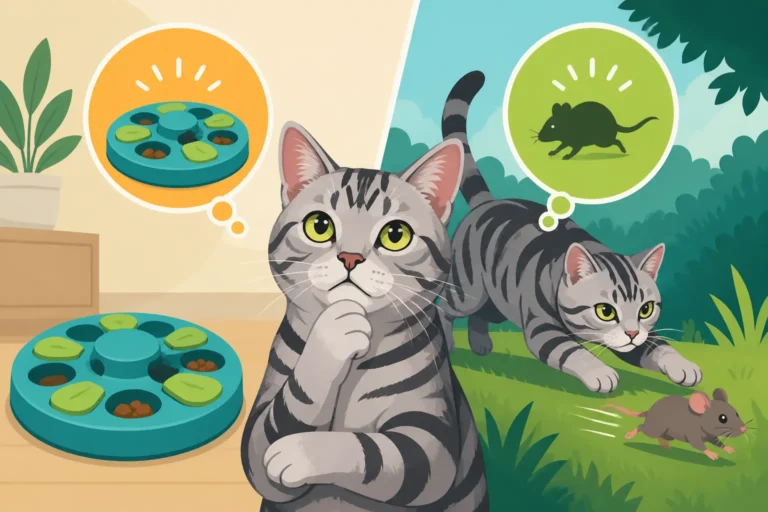
Imagine an American Shorthair ancestor, lean and muscular, stalking prey through tall grass or scaling a rough barn wall to reach a mouse nest. Every pounce, every climb, every stretch against a tree trunk was a natural manicure session. Their claws were tools, crucial for survival. They're designed to retract for silent stalking and extend for grip and capture, and this constant use kept them at an optimal length. This is why you often read about how low-maintenance the American Shorthair is; they're generally pretty good at looking after themselves.
However, even with the best scratching posts and plenty of play, an indoor American Shorthair isn't often performing the intense, varied activities that would naturally file down their claws to the ideal length. Their claws are still incredibly strong, designed for serious work, but without that work, they can grow too long and sharp, sometimes even curling back into the paw pad, causing discomfort or infection. It's a disconnect between their ancient instincts and their modern reality.
Why Even an Active Hunter Needs a Little Help
You might have a cat that still loves to "hunt" toys, pounce on shadows, and scale the cat tree you got from, say, Amazon. That's fantastic! An active American Shorthair is a happy American Shorthair. But here's the rub: indoor carpets, even sisal scratching posts, don't provide the same abrasive friction as rough bark or rocky terrain. While your cat does use its claws to shed the outer layer (the "husk"), the underlying nail still grows. This means that even a cat with a strong hunting drive and a penchant for vertical exploration can end up with claws that are just a bit too long, causing them to get snagged on upholstery, scratch you unintentionally during playtime, or even interfere with their comfortable gait. It's about maintenance that complements their natural behavior, not replaces it. You might be surprised at How Much a Climbing American Shorthair's Claws Grow Back, even with all their activity.
Identifying When it's Time for a Trim
So, how do you know if your American Shorthair's claws are ready for a trim? It's usually pretty obvious once you know what to look for. One of the clearest signs is when you hear a distinct "click-click-click" as your cat walks across hard floors. Their claws shouldn't be making contact with the ground when they walk; if they are, they're too long.
Another tell-tale sign is if your cat's claws frequently get caught in blankets, carpets, or your clothing. This isn't just annoying; it can be painful for your cat if a claw gets deeply snagged and pulls. You might also notice them being more destructive with your furniture, not necessarily out of malice, but because they're trying desperately to shed layers and shorten those overgrown nails. Sometimes, you'll simply pick up their paw for a cuddle, and those needle-sharp tips will give you an involuntary prick. That's a pretty clear indicator! Regularly checking their paws is important; How Often an American Shorthair's Paws Should Be Checked is something to incorporate into your routine.
Gathering Your Tools and Creating a Calm Environment
Before you even think about grabbing your cat, let's talk about preparation. Just like cooking a complicated meal, having all your ingredients ready makes the process smoother, less stressful, and ultimately more successful. Rushing into claw trimming without the right tools or a calm approach is a recipe for disaster, and nobody wants a wrestling match with their stoic American Shorthair.
Choosing the Right Clippers for a Strong American Shorthair Claw
American Shorthairs have strong, robust claws, a testament to their working lineage. This isn't a delicate breed; their claws are built for grip and force. Therefore, flimsy, dull clippers just won't cut it – literally. You need a good quality pair of clippers that are sharp and designed for cat claws.
There are generally two main types: scissor-style and guillotine-style. Many cat owners find the scissor-style clippers, which resemble tiny scissors with curved blades, easier to use for precision and less intimidating for the cat. They allow you to see exactly where you're cutting. Guillotine-style clippers have a hole you insert the claw into, then squeeze the handle to cut. Both can work, but for a solid American Shorthair claw, sharpness is paramount to avoid crushing the nail, which is painful. Don't be afraid to invest in a decent pair, and you can often find highly-rated ones on sites like Chewy or Amazon. Remember, Which Clippers Suit an American Shorthair best is often a matter of personal preference, but quality is universal.
Essential Accessories for a Smooth Trimming Session
Beyond the clippers, a few other items can make your trimming session significantly easier and less stressful for both you and your feline friend.
- Styptic Powder (or cornstarch): This is your emergency kit. If you accidentally cut too far and hit the quick (the sensitive part of the claw containing blood vessels and nerves), it will bleed. A little styptic powder applied firmly will stop the bleeding quickly. Cornstarch can work in a pinch if you don't have styptic powder. Having it ready reduces panic for everyone.
- Treats: High-value treats are a must for positive reinforcement. Think small, delicious morsels your cat absolutely adores. These aren't just for bribing them; they're for rewarding calm behavior and creating a positive association with claw trims.
- Towel or Blanket: A soft towel can be useful for gently wrapping a wriggly cat, creating a sense of security (like a purrito!). It can also prevent a quick escape or minimize access to claws you're not ready to trim.
- Good Lighting: You need to be able to clearly see the claw and, more importantly, the quick. Natural light is best, but a well-lit room or even a small headlamp can make a huge difference in preventing accidents.
Setting the Scene: Making Trimming a Positive Experience
Your American Shorthair is a creature of routine and comfort. Springing a nail trim on them out of nowhere in a chaotic environment is unlikely to go well. Instead, think about setting the stage for success.
Choose a quiet time when your cat is relaxed, perhaps after a meal or a nap, or even during a petting session. Avoid times when they're playful, energetic, or stressed by household noise. How an American Shorthair Handles Household Noise generally means they're tolerant, but during a potentially stressful activity, quiet is always better. Pick a comfortable spot, like a favorite armchair or on your lap, where they feel secure. Start slowly, perhaps just gently handling their paws for a few days before attempting a trim. Offer treats liberally just for letting you hold their paw. The goal is to build trust and make this a routine rather than an ordeal. If your cat genuinely dislikes being held for this, remember that Whether an American Shorthair Sits for a Nail Trim depends entirely on their individual personality and your patience in training them.
The Step-by-Step Guide to Trimming Your American Shorthair's Claws
Alright, you've got your tools, your space is calm, and your American Shorthair is (hopefully) in a relaxed mood. Now for the actual trimming. Take a deep breath! This isn't a race; slow and steady wins the race, especially when dealing with those strong claws.
Gently Holding Your Cat and Isolating the Paw
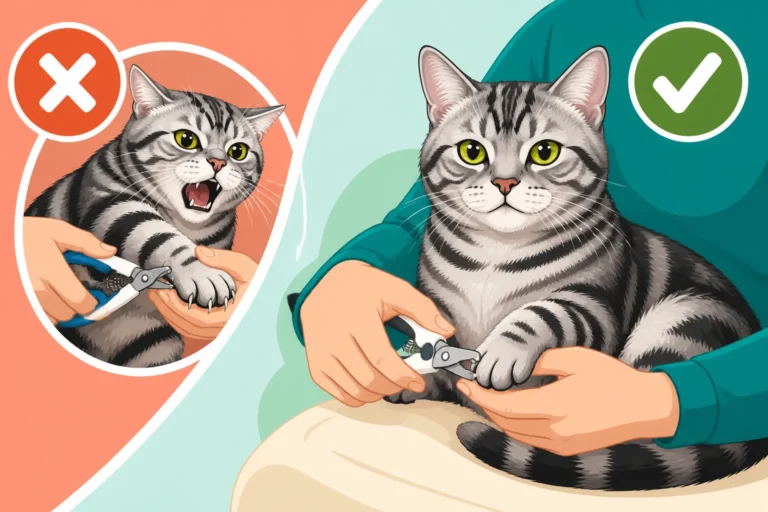
First, get comfortable. Sit in a way that allows you to hold your cat securely but gently. Many people find success by holding their cat on their lap, facing away from them, or cradled in the crook of an arm. The goal is to minimize wriggling without making them feel trapped or scared. Your American Shorthair generally What an American Shorthair Does Instead of Demanding, so they're not typically prone to dramatic outbursts, but they will certainly let you know if they're unhappy.
Once they're secure, gently take one paw in your hand. Use your thumb on top of the paw, just behind the toe pad, and your index finger underneath, on the toe pad itself. Gently squeeze your thumb and finger together, and the claw will extend. This action needs to be gentle but firm enough to extend the claw fully so you can see it clearly. Be patient if they retract it; just try again.
Locating the Quick: The Crucial Safety Step
This is perhaps the most important part of claw trimming: identifying the quick. The quick is the pinkish area within the claw that contains blood vessels and nerves. Cutting into the quick is painful for your cat and will cause bleeding. On light-colored claws, the quick is usually visible as a pink line or triangle inside the nail. On dark claws, it's much harder to see, which is why a good light source is essential.
If your cat has dark claws, you'll need to be extra cautious. You can often estimate the quick's location by looking for the hollow part of the claw, usually towards the tip, where the nail appears thinner and more translucent. When in doubt, always cut less rather than more. It's better to make several tiny cuts over time than one deep, painful one. A useful tip is to look at the underside of the claw; often, the quick ends just before the solid, hard part of the nail begins to curve downward, leaving a translucent, hooked tip.
Making the Cut: Precision and Confidence
With the claw extended and the quick located (or estimated), position your clippers. You want to cut just the very tip of the claw, below the quick, at a slight angle that mimics the natural curve of the claw. Aim for the sharp, hooked end that your cat uses to snag things.
Hold the clippers firmly and make a quick, decisive snip. Hesitation can lead to a clumsy cut or a crushed nail, which is uncomfortable for your cat. After each clip, offer praise and a treat, especially if your cat remains calm. Don't feel like you need to do all twenty claws in one sitting. If your cat gets antsy or shows signs of stress, stop. You can always do a few claws now and finish the rest later, or even over a few days. The goal is positive association, not a perfect, single-session manicure. Repeat for each claw on the paw you're working on, always being mindful of the quick.
Don't Forget the Dewclaws
Many cats, including American Shorthairs, have dewclaws. These are located on the inner side of their front legs, slightly higher up than their main paw pads, almost like a thumb. Some cats also have them on their hind legs, though this is less common.
Dewclaws don't make contact with the ground, so they don't wear down naturally at all. This means they are particularly prone to growing excessively long and curling around to dig into the paw pad, which can be incredibly painful and lead to infection. Because they're often overlooked, they can become a serious issue. Always make a point to check and trim the dewclaws during each session. They often have a quick just like the other claws, so apply the same caution and technique. They might be a bit harder to grasp due to their location, but they are absolutely essential to maintain for your cat's comfort and health.
Troubleshooting Common Challenges and Building Positive Reinforcement
Let's be real: not every nail trim will be a zen experience, especially when you're just starting out or dealing with a cat that's particularly sensitive about their paws. Even the most stoic American Shorthair can put up a fuss. It's about learning to navigate these challenges with patience and consistent positive reinforcement.
When Your American Shorthair Resists: Gentle Persuasion and Patience
If your American Shorthair is resisting, don't force it. Trying to overpower a cat can lead to fear, aggression, and a complete breakdown of trust. Instead, break the process down into smaller, more manageable steps. Perhaps one day, you only work on getting them comfortable with you touching their paws, offering treats generously. The next day, maybe you just extend a claw without cutting. Over time, you might manage one or two clips before they get fed up.
Consistency is key. Short, frequent sessions are often more effective than infrequent, marathon struggles. If your cat truly becomes agitated, stop and try again later or the next day. You can try wrapping them gently in a towel (the "purrito" method) to help secure them and prevent them from using all four paws to escape, but ensure they don't feel completely restricted or panicked. Remember, your American Shorthair is usually easygoing, but Why a Stoic American Shorthair Hides Pain the Longest also means they might suddenly react if something genuinely hurts or scares them. Always prioritize their comfort and safety over getting every single claw trimmed in one go.
Accidental Cuts: What to Do if You Clip the Quick
It happens to the best of us, especially when you're just starting out or your cat has dark claws. You accidentally cut into the quick, and suddenly there's a little blood. Don't panic! Your cat might yelp or pull away, but it's rarely a serious injury, though it is painful and scary for them.
The moment you see blood, grab your styptic powder (or cornstarch). Apply a small amount directly to the bleeding claw tip and apply gentle, firm pressure for about 30 seconds to a minute. The bleeding should stop fairly quickly. Offer comfort to your cat, perhaps a few extra treats and some calm petting. Let them go if they want to. Don't continue the trimming session right away. The main thing is to clean up, stop the bleeding, and let your cat calm down. Next time, remember to cut even less, and consider doing only a couple of claws at a time to minimize stress.
Making Trimming a Habit, Not a Battle
The ultimate goal is to make claw trimming a regular, accepted part of your American Shorthair's routine, just like feeding time. This requires consistency and positive reinforcement. Always pair trimming with something positive: treats, praise, or even a short play session afterwards. Over time, your cat will associate nail trims with good things.
Consider a schedule: once every 2-4 weeks is often sufficient, but adjust based on your individual cat's claw growth. Some cats need it more frequently, others less. Claws, Teeth and Ears on an American Shorthair That Maintained Itself is a great concept, but modern life does require a little human intervention. Consistency also means using the same tools and the same calming approach each time. The more predictable you make it, the less anxious your cat will be. And remember, if you truly struggle or feel uncomfortable, there's absolutely no shame in seeking professional help from a vet technician or a professional groomer. They have experience and techniques that can make a big difference.
Alternatives and Supplementary Care for Robust Claws
Even with regular trimming, a holistic approach to paw and claw care is beneficial for your American Shorthair. Trimming is one piece of the puzzle, but encouraging natural claw maintenance and considering other options can greatly contribute to their overall well-being and reduce the need for constant struggle.
Scratching Posts and Surfaces: The First Line of Defense
Scratching isn't just about sharpening claws; it's a natural behavior for cats to stretch their muscles, mark their territory (through scent glands in their paws), and relieve stress. Providing appropriate scratching outlets is crucial for keeping your American Shorthair's claws in good condition and redirecting their natural instincts away from your furniture.
Look for a variety of scratching options. American Shorthairs, with their strong build and hunting instincts, often prefer sturdy, tall scratching posts that allow them to stretch their full body length. Sisal rope or corrugated cardboard are popular choices, and many cats have strong preferences. Some love vertical posts, others prefer horizontal scratchers or ramps. You can find excellent options on retailers like Chewy or Amazon. Make sure they are stable and don't wobble, as a wobbly post deters a confident scratcher. Place them in prominent areas where your cat likes to hang out or near furniture they've shown an interest in scratching. For more depth on selection, check out Which Post Lets an American Shorthair Condition Its Claws and Whether an American Shorthair Prefers Sisal or Cardboard. The more appealing you make the scratching surfaces, the less likely their claws will become problematic between trims.
Other Options: Soft Paws and Professional Grooming
If claw trimming remains a persistent struggle, or if your American Shorthair is particularly prone to excessive scratching, there are other avenues to explore.
- Soft Paws (Nail Caps): These are small, vinyl caps that are glued onto your cat's claws. They effectively blunt the sharp tips, preventing damage to furniture and skin without interfering with your cat's ability to retract its claws or walk normally. They typically last 4-6 weeks before needing replacement as the claw grows. Applying them can be a bit tricky initially, but many owners find them a great solution. You can purchase them online through sites like Amazon and apply them at home, or have a vet or groomer apply them for you.
- Professional Grooming or Vet Tech Services: Don't hesitate to lean on the pros! Veterinary technicians are often skilled at quick and stress-free nail trims, and they can also demonstrate proper technique for you. Many professional groomers offer nail trimming as a standalone service. If your American Shorthair is particularly anxious or aggressive about trimming, a professional might have the experience and tools (like a quiet grooming room or even gentle calming techniques) to get the job done more effectively and safely for everyone involved. Sometimes, a neutral party is just what a challenging cat needs.
Maintaining Overall Paw Health
Beyond the claws themselves, pay attention to the overall health of your American Shorthair's paws. Their paw pads are tough but can still become dry, cracked, or injured.
Regularly inspect their paw pads for any cuts, punctures, or signs of irritation. Check between their toes for foreign objects, matted fur (less common in American Shorthairs due to their short coat but still possible), or swelling. If you notice any redness, limping, excessive licking, or unusual sensitivity, it's time for a vet visit. Their paws are critical for their mobility, hunting, and overall comfort. A healthy paw means a healthy, happy American Shorthair, ready for their next adventure, whether that's chasing a dust bunny or patrolling the living room. Regularly checking How Often an American Shorthair's Paws Should Be Checked is part of being a responsible cat parent.
| Aspect | Importance | Tips for American Shorthairs |
|---|---|---|
| Claw Trimming | Prevents snagging, ingrown nails, discomfort. | Use sharp clippers, identify the quick, consider short, frequent sessions. |
| Dewclaw Care | Prevents painful ingrowth as they don't wear naturally. | Always check and trim these hidden claws. |
| Scratching Outlets | Fulfills natural instinct, sheds husks, stretches muscles. | Provide sturdy, tall sisal or cardboard posts in prominent areas. |
| Paw Pad Health | Ensures comfort, mobility, and prevents infection. | Inspect regularly for cuts, cracks, or foreign objects. |
| Positive Reinforcement | Builds trust and reduces stress associated with handling. | Use high-value treats and praise generously during and after sessions. |
Disclaimer
This article is for general informational purposes only and does not constitute professional advice. Laws, prices and regulations vary by location and change over time. Consult a qualified professional for guidance on your specific situation.