How Fast a Climbing American Shorthair’s Claws Grow Back
It's a common question that swirls in the minds of American Shorthair owners: how quickly do those claws really grow back? You trim them, you provide scratching posts, and yet it feels like almost overnight they're sharp again, threatening your favorite armchair or snagging on your clothes. This constant cycle can be baffling and a little frustrating, but understanding your American Shorthair's unique claw biology and lifestyle is key to managing them effectively and keeping both you and your feline friend comfortable. This comprehensive guide will explain the natural growth process, the various factors that influence how fast those claws seem to reappear, and practical strategies for maintaining optimal claw health for your robust companion.
Understanding Your American Shorthair's Claws
Our American Shorthairs are magnificent creatures, descended from working cats whose very survival depended on their physical prowess, and that includes their formidable claws. Even in a pampered indoor environment, those ancient instincts and physical attributes remain, dictating how their claws grow and behave.
The Natural Cycle of Claw Growth
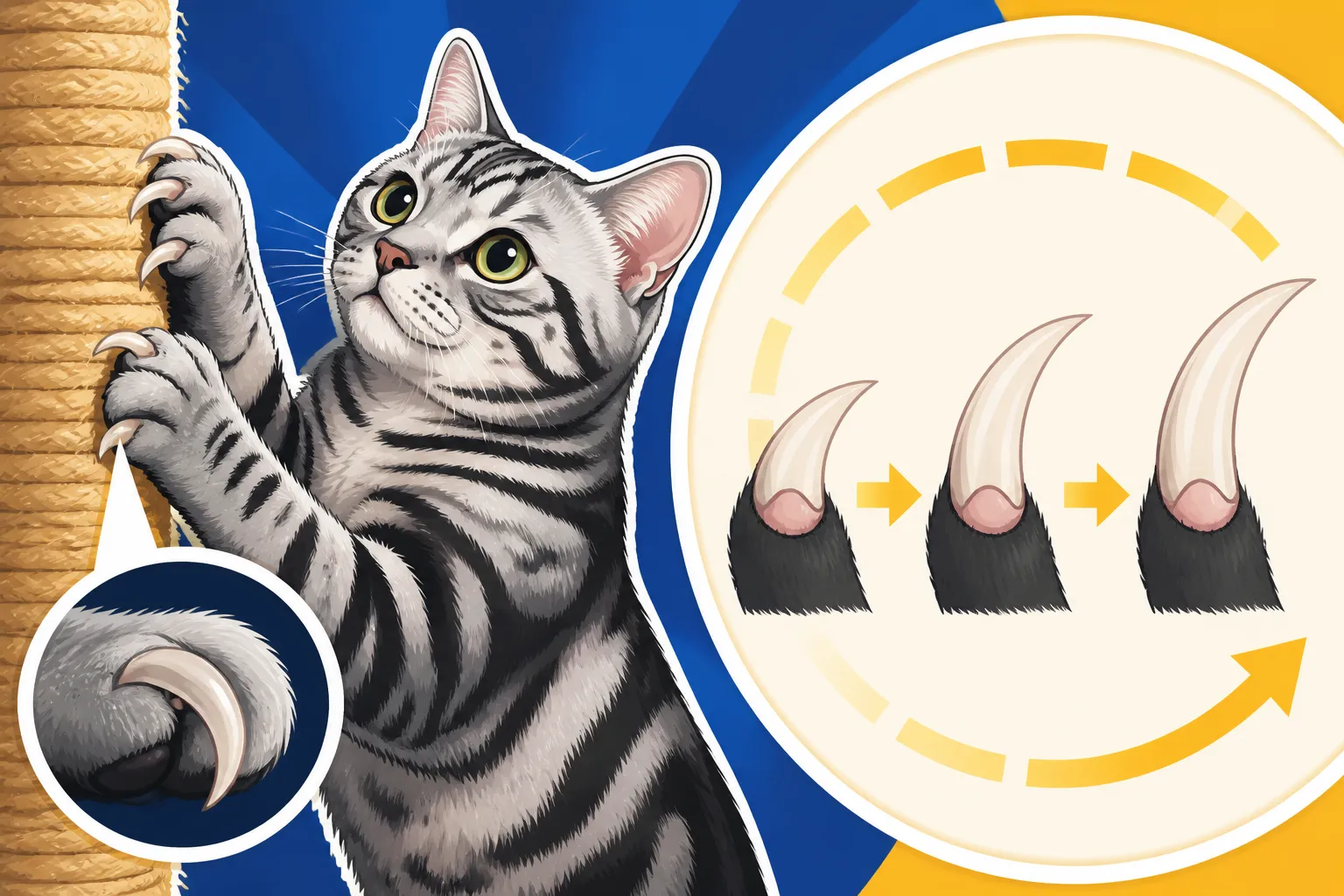
Let's start by demystifying how a cat's claw actually works, because it's quite different from what we might assume based on our own nails. An American Shorthair's claw isn't just a solid piece of keratin; it's a dynamic structure that's constantly renewing itself. The claw grows in layers, and periodically, the outermost layer sheds, much like an onion peel. This process, often referred to as "shedding the husk," reveals a fresh, sharper claw underneath. So, when you see those little claw casings near your cat's favorite scratching post, that's not a broken nail, but a healthy sign of this natural renewal!
This continuous process means that growth is always happening. The inner part of the claw, known as the quick, contains blood vessels and nerves. This quick grows with the claw to a certain point, providing nourishment, but the hard, protective keratin layer extends beyond it. When you trim your cat's claws, you're not stopping growth; you're simply removing the overgrown, insensitive tip, allowing the natural extension to continue from the quick. It's a bit like topping a plant – it will keep growing from the base. For an American Shorthair, whose ancestors relied on sharp claws for hunting and climbing, this efficient, never-ending growth cycle was a crucial evolutionary advantage.
Because of this constant renewal, the claws are always pushing new material forward. This ensures that even with regular wear or shedding, your American Shorthair always has a set of sharp, functional tools. The speed at which you notice them "growing back" after a trim is essentially the visible rate at which this continuous keratin production extends past the quick, necessitating further intervention from you. It’s a beautifully designed system for an active, historically self-sufficient animal.
How an American Shorthair's Lifestyle Impacts Claw Wear
The lifestyle of your American Shorthair plays a huge role in how quickly their claws seem to need attention. Consider the life of their ancestors – barn cats and ship cats – who were constantly active. They climbed trees, scaled wooden structures, chased prey over varied terrain, and dug into rough surfaces. All of these activities provided natural attrition for their claws, wearing them down and keeping them naturally shorter and sharper without human intervention. This natural "filing system" was built into their daily lives.
Now, fast forward to your modern indoor American Shorthair. Their days are often spent on soft carpets, plush beds, smooth floors, and comfortable furniture. While this is certainly a luxurious life, it means there's very little opportunity for their claws to experience that natural wear and tear. This lack of friction means the claws continue to grow at their natural rate, but they don't get ground down. The result? They appear to grow longer and sharper much faster, simply because the natural abrasive forces are missing from their environment. This is a prime reason why owners notice the need for frequent trims.
Providing adequate and appealing scratching surfaces is crucial in this indoor environment. If your American Shorthair has access to sturdy, varied scratching posts – think sisal, cardboard, or even natural wood – they will use them to shed those outer claw layers. This acts as a natural conditioning process, keeping their claws tidier and reducing the need for you to step in with clippers quite as often. Without suitable outlets, they'll inevitably turn to your sofa, carpet, or curtains, not out of malice, but because their instinct to condition their claws remains strong. Their hunting drive is still very much present, even if their "prey" is a feather wand toy, as discussed in The American Shorthair Still Hunts, Whether You Want It To or Not, and this instinct goes hand-in-hand with maintaining sharp claws.
Factors Influencing Claw Regrowth Rate
While the fundamental process of claw growth is continuous, several factors can influence the perceived speed and health of your American Shorthair's claws. These range from their inherent biological makeup to the environment and care you provide.
Age, Diet, and Genetics
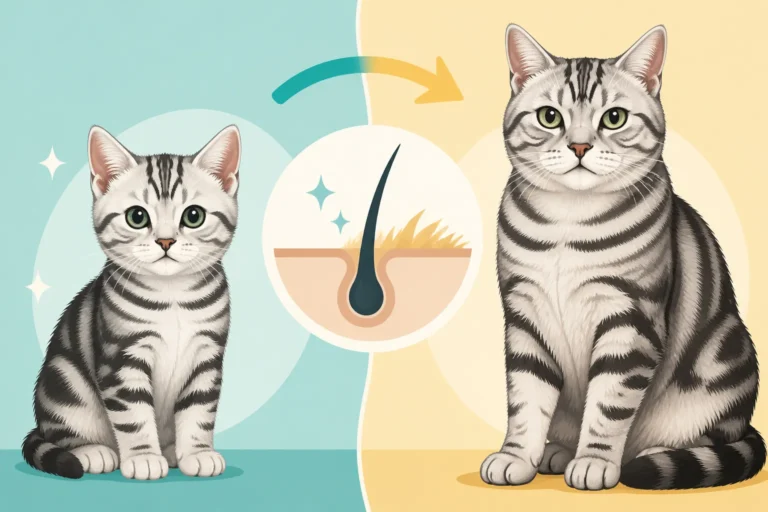
Just like many aspects of physical health, your American Shorthair's age plays a part in claw growth. Younger cats, especially kittens and adolescents, are often in a phase of rapid growth throughout their entire body. This metabolic vigor can translate into claws that seem to grow at an astonishing rate, feeling incredibly sharp to the touch. As they transition into adulthood, this initial burst slows down, settling into a more consistent, albeit still steady, growth pattern. Older American Shorthairs, however, might experience a slight deceleration in claw growth as their metabolism naturally decreases with age. However, this is not always a given, and some senior cats maintain robust claw growth, necessitating continued vigilance. Observing your cat's specific patterns as they age, as explored further in Caring for an American Shorthair Past Twelve, is key.
Diet is another cornerstone of healthy claw development. Claws are primarily made of keratin, a fibrous protein. Therefore, a high-quality diet rich in animal-based protein is essential for strong, healthy claws. If your American Shorthair's diet is deficient in key nutrients like essential amino acids, biotin, or omega fatty acids, you might notice the claws becoming brittle, flaky, or growing more slowly and unhealthily. Providing a complete and balanced diet ensures your cat's body has all the building blocks it needs for optimal tissue regeneration, including their claws. Many reputable pet food brands focus on these nutritional profiles, and you can find a wide array of options at retailers like Chewy or your local pet supply store.
Finally, genetics always plays a role. While the American Shorthair as a breed is known for its general robustness, individual cats can have slight variations in how quickly their claws grow, just as some people have naturally faster-growing hair or nails. This isn't a widely studied or tracked genetic trait in cats, but it's part of the unique biological makeup of each individual. A cat with generally healthy genetics and a strong constitution will typically exhibit consistent claw growth, making regular maintenance a predictable part of their care routine.
The Impact of Trimming and Environmental Enrichment
The way you approach claw maintenance directly affects how quickly you perceive those claws to "regrow." If you're diligently trimming your American Shorthair's claws every two to four weeks, you are consistently removing a smaller amount of the tip. This makes it feel like they are growing back very quickly because you're catching them early in their growth cycle. Conversely, if you wait longer between trims, say six to eight weeks, the claws will appear to have "grown back" much more substantially, simply because more time has elapsed, allowing for more natural elongation. It's not that the act of trimming accelerates growth; rather, it's about the frequency of intervention versus the continuous biological process. Consistent, gentle trimming removes the excess without impacting the underlying growth rate.
Environmental enrichment, particularly providing ample and appropriate scratching opportunities, is perhaps the most impactful factor in managing claw length between trims. When your American Shorthair actively uses a scratching post, they are not only marking their territory and stretching their muscles, but they are also physically sloughing off the outer, dull layers of their claws. This natural self-grooming helps keep the claws sharper and at a more manageable length, reducing the frequency with which you might need to trim them manually. A good quality scratching post acts as their personal manicure station.
The effectiveness of this natural wear depends heavily on the quality and variety of the scratching surfaces you offer. A flimsy, short post won't appeal to a strong, muscular American Shorthair that needs to stretch fully, as detailed in Which Post Lets an American Shorthair Condition Its Claws. Investing in tall, sturdy sisal posts, robust cardboard scratchers, or even natural wood options can make a world of difference. If your cat isn't engaging with the posts, try relocating them, offering different textures, or even using catnip spray to attract them. The more your cat engages in natural scratching, the less intervention you'll need, making the "regrowth" seem less daunting.
Managing Claw Health and Growth
Effectively managing your American Shorthair's claw health is a holistic process that combines regular care routines with providing the right environment. It's about working with their natural instincts, not against them, to ensure their comfort and prevent issues.
Effective Claw Trimming Techniques
Trimming your American Shorthair's claws doesn't have to be a stressful ordeal, but it does require the right tools and a gentle approach. First, make sure you have high-quality cat nail clippers; never use human nail clippers, which can crush and damage a cat's claw. Find a calm, quiet time when your cat is relaxed, perhaps even napping on your lap. Gently take one paw and extend a claw by lightly pressing on the top and bottom of the toe pad. Your main task is to identify the "quick," which is the pink, sensitive part within the claw that contains blood vessels and nerves.
You only want to trim the clear, pointed tip of the claw, carefully avoiding the quick. Cutting into the quick will cause pain and bleeding, which can understandably make your American Shorthair very resistant to future trims. If your cat has dark claws where the quick is hard to see, err on the side of caution and trim off only a very small amount. When in doubt, it’s always better to take off too little than too much. For a detailed walkthrough, How to Cut the Claws of an American Shorthair That Uses Them offers excellent advice.
Consistency is far more important than how much you trim at once. Short, frequent sessions (every 2-4 weeks) are generally better than trying to do a major trim after the claws have become excessively long. Make the experience positive by offering high-value treats and praise. If your cat becomes agitated, stop and try again later, or even tackle just one paw at a time over several sessions. This builds trust and helps your American Shorthair associate claw trims with positive experiences, making the process smoother for everyone involved.
Providing Optimal Scratching Opportunities
To truly embrace your American Shorthair's natural claw maintenance, you need to become a connoisseur of scratching posts. A single, flimsy post tucked away in a corner is simply not enough for a cat with a strong instinct to scratch and condition their claws. Offer a variety of options, considering both material and orientation. Many cats adore vertical sisal rope posts, which allow them to stretch their entire body and dig their claws in satisfyingly. Others prefer horizontal cardboard scratchers, which they can use while lying down or leaning.
Placement is critical. Put scratching posts in prominent areas where your American Shorthair naturally spends time, particularly near their sleeping spots or in areas where they tend to scratch inappropriate items like furniture. For a robust breed like the American Shorthair, stability is non-negotiable. A wobbly post will be ignored or even feared. Look for sturdy, heavy-based posts that won't tip over when your cat really leans into a good scratch. High-quality cat trees and individual scratching posts are readily available from retailers like Amazon and Chewy, offering durable solutions designed to withstand a strong cat.
Remember to inspect and replace scratching surfaces as they become worn out. A shredded cardboard scratcher or a worn-down sisal post might lose its appeal and effectiveness. By keeping their scratching options fresh and varied, you encourage consistent use, helping your cat naturally shed those outer claw layers and maintain a healthy length. This proactive approach significantly reduces the perceived "regrowth" problem, as your cat is actively participating in their own claw care.
Recognizing When to Seek Veterinary Advice
While regular home care usually suffices for managing your American Shorthair's claws, there are specific situations where a trip to the veterinarian is absolutely necessary. If you notice a claw that has grown so long it's curving into the paw pad, or worse, has become ingrown, immediate professional attention is needed. Ingrown claws are incredibly painful and can lead to severe infections, requiring your vet to carefully trim the claw and treat any infection present. This isn't just a comfort issue; it's a significant health concern.
Any sudden changes in claw health also warrant a vet visit. If your American Shorthair's claws become unusually brittle, flaky, excessively soft, or show any strange discoloration, it could be a sign of an underlying medical issue. This might include nutritional deficiencies, fungal infections, or even more systemic health problems that manifest through changes in skin and nails. While American Shorthairs are generally healthy, no cat is immune to illness, and changes in their claws can be a subtle indicator that something deeper is going on.
Finally, if you find yourself consistently struggling to trim your cat's claws due to their resistance, or if you simply feel uncomfortable performing the task, don't hesitate to reach out to your veterinarian. Many clinics offer routine nail trimming services and can also provide hands-on guidance, demonstrating proper techniques to help you build your confidence. It is always better to seek expert assistance than to allow your American Shorthair's claw health to deteriorate, as neglected claws can lead to pain, discomfort, and even mobility issues, particularly as they age.
Scratching Material Comparison for American Shorthairs
Choosing the right scratching materials is vital for effective claw management. Here's a quick comparison of common options:
| Scratching Material | Benefits for American Shorthairs | Ideal Placement | Where to Find |
|---|---|---|---|
| Sisal Rope Posts | Extremely durable, mimics tree bark, allows full-body stretch, excellent for shedding outer claw layers. | Prominent vertical spaces, near existing "scratch zones" like furniture. | Chewy, Amazon, local pet stores |
| Corrugated Cardboard | Inexpensive, highly satisfying texture for many cats, can be horizontal or vertical, easily replaced. | Horizontal on floors, inside cat condos, as part of larger scratch lounges. | Amazon, Chewy, discount stores, pet shops |
| Natural Wood | Very durable, offers a rustic, outdoor feel, excellent for deep scratching. | Outdoor catios, sturdy indoor posts, repurposed logs. | Specialty pet stores, some Amazon vendors, DIY stores |
| Carpet/Fabric | Familiar texture (but often too soft), less effective for proper shedding and conditioning. | Generally discouraged as posts (can encourage scratching furniture). | (Avoid for dedicated scratching posts) |
Remember, your American Shorthair deserves options that cater to their innate needs. By providing a variety of robust and appealing scratching surfaces, you'll find that managing their naturally quick-growing claws becomes a much more harmonious part of your shared life. It helps them stay healthy and happy, and it helps preserve your household items, making for a peaceful coexistence.
Disclaimer
This article is for general informational purposes only and does not constitute professional advice. Laws, prices and regulations vary by location and change over time. Consult a qualified professional for guidance on your specific situation.