Which Food Suits an American Shorthair Built for Muscle
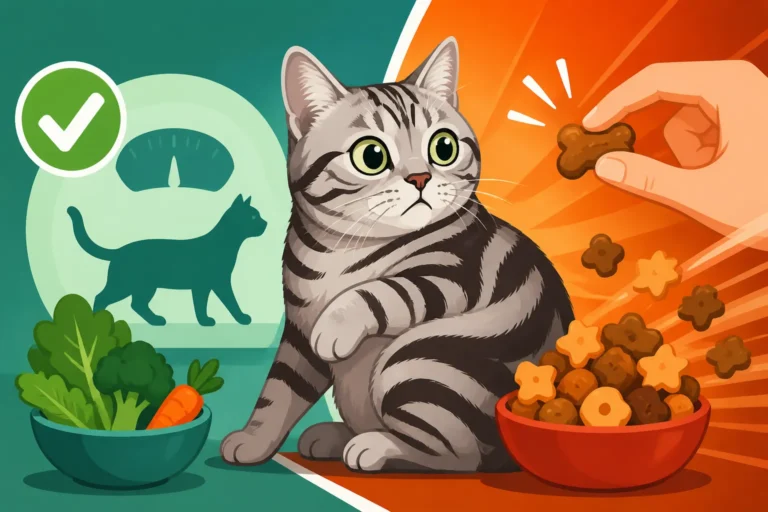
It's a common dilemma for American Shorthair owners: you know your cat comes from a long line of robust, active hunters, built with a strong, muscular frame. Yet, today's typical indoor lifestyle means their daily caloric needs are vastly different from their barn-dwelling ancestors. Many of us grapple with how to feed these magnificent, sturdy cats to maintain their ideal physique without inadvertently contributing to the all-too-common problem of feline obesity. This comprehensive guide will explore the specific dietary considerations for an American Shorthair, ensuring they get the right nutrition to support their impressive muscle mass and overall health in a modern home environment.
Understanding the American Shorthair's Unique Metabolism and Build
The American Shorthair is a breed steeped in history, primarily developed through natural selection for its working abilities rather than aesthetic whims. This background has gifted them with a strong, solid build and a metabolism that, while adaptable, still carries echoes of their past. Understanding this fundamental aspect of their physiology is the first step toward crafting a feeding plan that truly suits them.
Their Ancestral Diet and Energy Needs
Historically, the American Shorthair's ancestors were master mousers and ratters, earning their keep on ships and farms across North America. This meant a diet primarily composed of small prey animals—think mice, voles, and birds. Such a diet is inherently high in animal-based protein and moderate in fat, with minimal carbohydrates. Their energy needs were also substantial, fueled by constant patrolling, stalking, and bursts of vigorous hunting activity. They were lean, efficient machines, constantly expending energy to survive.
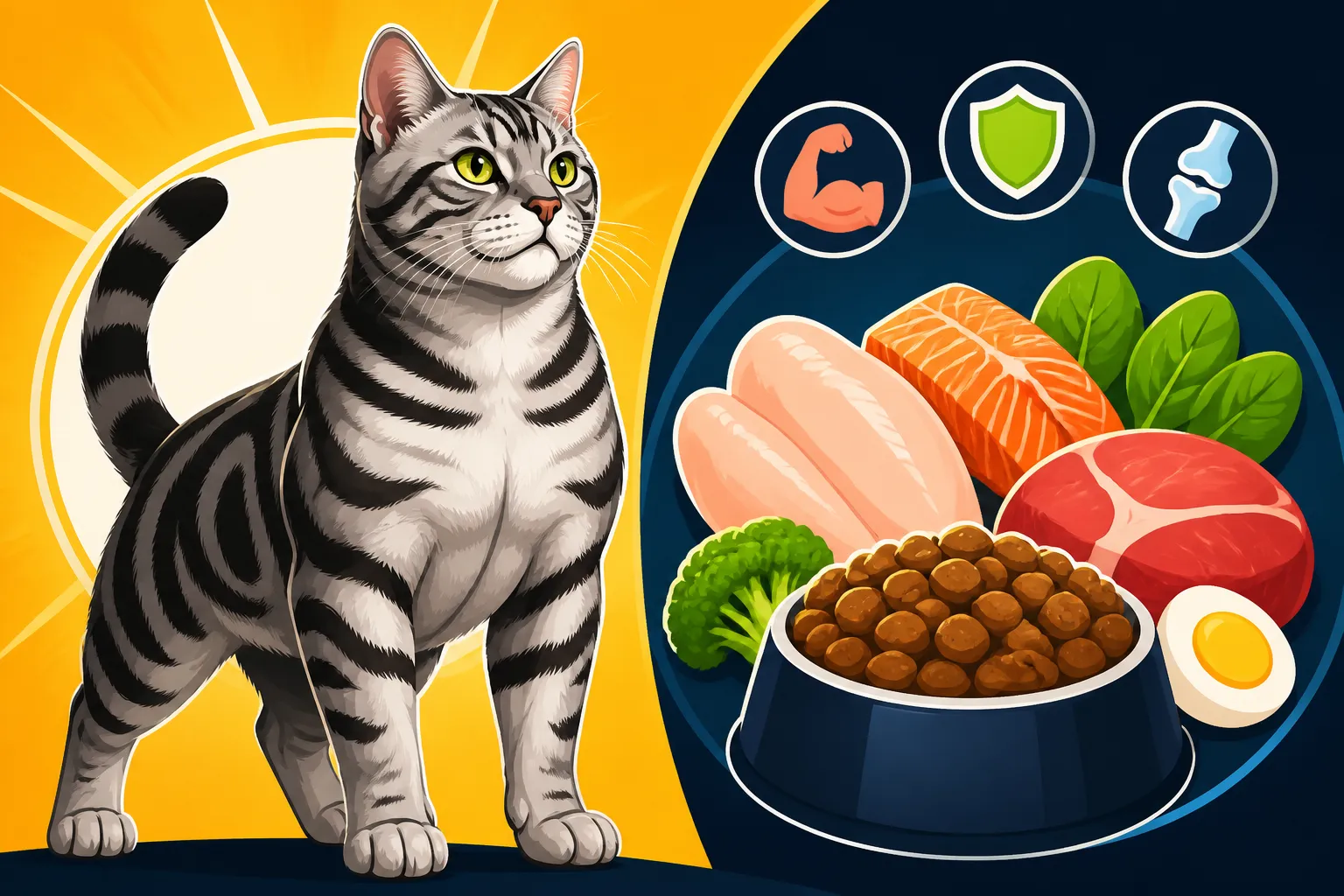
Today, even though your beloved American Shorthair might spend its days napping on sunbeams and chasing feather wands, that ancestral blueprint for a high-protein diet still holds true. Their muscular physique isn't just for show; it's a testament to generations of active living, and it requires consistent nutritional support to maintain. Without adequate protein, those impressive muscles can start to diminish, impacting their overall strength and metabolism. Think of them as natural athletes who, even in retirement, still benefit from a diet that supports their inherent athleticism. The American Shorthair Still Hunts, Whether You Want It To or Not speaks volumes about their internal drive, even if the prey is now just a toy.
The Impact of an Indoor Lifestyle on Calorie Requirements
Here’s where the modern dilemma truly sets in. While their genetic makeup calls for a protein-rich diet, their current energy expenditure is often dramatically lower than their forebears. An indoor cat simply burns fewer calories than one actively hunting for every meal. This creates a precarious balance: you want to provide enough high-quality fuel for their muscles, but not so much that those unused calories turn into unwanted fat.
The transition from a working life to a pampered indoor existence means that calorie control becomes paramount. A cat that once ran down prey for hours now often only walks from its food bowl to its favorite napping spot. This drastic reduction in activity means their caloric intake must be carefully managed. Overfeeding, even with the best intentions and the highest quality food, can quickly lead to weight gain, which can then cascade into a host of health issues. This is why a keen eye on portion sizes and an understanding of their actual daily needs, rather than just what the bag suggests, is so crucial. Why Indoor Life Made the American Shorthair Fat covers this perfectly.
Key Nutritional Components for a Muscular American Shorthair
Feeding your American Shorthair isn't just about throwing down some kibble. It's about providing the right building blocks to sustain their robust health and maintain that impressive musculature. We need to look beyond generic cat food advice and consider what truly nourishes this particular breed.
Prioritizing High-Quality Protein Sources
If there's one nutrient that stands out for the American Shorthair, it's protein. As obligate carnivores, cats must get their protein from animal sources. Plant-based proteins simply don't contain all the essential amino acids they need in the right ratios. For a muscular breed like the American Shorthair, high-quality animal protein is the cornerstone of their diet. This means looking for ingredients like chicken, turkey, beef, fish, or lamb as the first few items on the ingredient list.
High-quality protein supports muscle maintenance and repair, provides a sustained energy release, and even helps with satiety, which can prevent overeating. When a cat isn't getting enough protein, especially with a lower activity level, their body might start to break down its own muscle tissue for energy, which is the last thing you want for your sturdy companion. Aim for foods where meat is the primary ingredient, avoiding excessive fillers that offer little nutritional value to a carnivore. For more on this, check out Which Protein Level Keeps an American Shorthair Muscular.
The Role of Healthy Fats and Carbohydrates
While protein is king, healthy fats and a judicious amount of carbohydrates also play a vital role. Fats are a concentrated source of energy, provide essential fatty acids for skin and coat health, and help with the absorption of fat-soluble vitamins. Look for sources like chicken fat, fish oil (rich in Omega-3s), or even sunflower oil in smaller amounts. The key is balance; too much fat can quickly lead to weight gain, especially in an indoor cat.
Carbohydrates, while not essential for cats in the same way they are for omnivores, can provide a source of quick energy and fiber. However, ancestral diets were very low in carbs. Therefore, commercial foods should reflect this, with complex carbohydrates like peas, sweet potatoes, or certain grains (if tolerated) in moderation, rather than high amounts of corn, wheat, or soy. These are often used as cheap fillers and can contribute to weight gain and digestive issues. The focus should always be on species-appropriate nutrition, mimicking what they would naturally consume in the wild.
Essential Vitamins, Minerals, and Supplements
A well-balanced commercial cat food formulated for growth and maintenance should ideally contain all the necessary vitamins and minerals your American Shorthair needs. Key minerals like calcium and phosphorus are crucial for strong bones, while vitamins like taurine (an essential amino acid for cats, often grouped with vitamins) are critical for heart health and vision. A deficiency in taurine, for example, can lead to serious conditions like dilated cardiomyopathy.
Sometimes, despite a good diet, a cat might benefit from specific supplements, especially as they age or if they have particular health concerns. For instance, glucosamine and chondroitin can support joint health, which is beneficial for a stocky breed prone to hip issues. Omega-3 fatty acids, often found in fish oil, can boost skin and coat health and have anti-inflammatory properties. However, always consult your vet before adding any supplements, as too much of a good thing can sometimes be detrimental. Caring for an American Shorthair Past Twelve delves into senior care, where supplements might become more relevant.
Navigating Different Food Types: Wet, Dry, and Raw Options
The sheer variety of cat food on the market can be overwhelming, making it tough to decide which option is best for your American Shorthair. Let's break down the most common types and their implications for your muscular companion.
Wet Food Benefits for Hydration and Weight Management
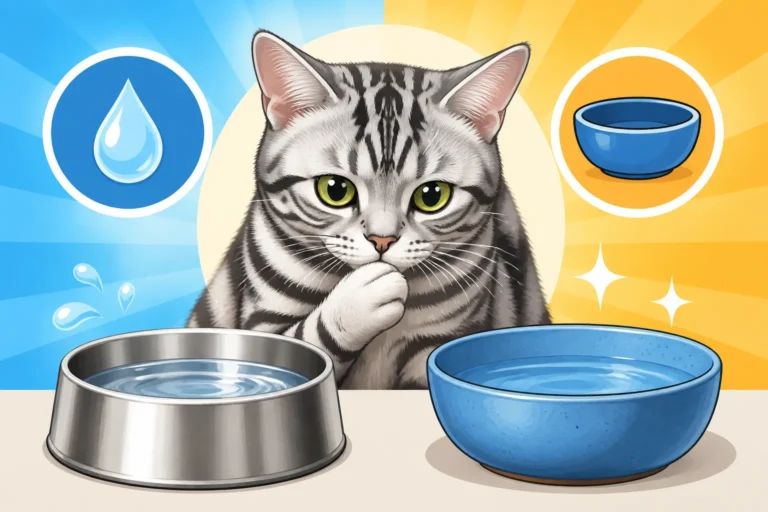
Wet food is often hailed as a superior choice for cats, and for good reason. Its high moisture content (typically 70-80%) is a huge advantage, as cats have a low thirst drive and often don't drink enough water on their own. This can be critical for urinary tract health, helping to prevent issues like urinary crystals or blockages, particularly in male cats.
Beyond hydration, wet food can be an excellent tool for weight management. Because it's more filling due to its water content, cats often feel more satiated on smaller portions of wet food compared to dry kibble with the same caloric value. This can be a game-changer for American Shorthairs, who, as we've discussed, tend to have an appetite that outlasted their working days. Feeding multiple small wet meals throughout the day can mimic their natural hunting patterns and keep them feeling satisfied. Many owners find a good selection of quality wet food on platforms like Chewy, making it easy to stock up. How Wet Food Helps an American Shorthair's Waistline offers more insights into this benefit.
Dry Kibble Considerations
Dry kibble offers convenience and can be cost-effective. It's easy to store, doesn't spoil quickly, and can be left out for free-feeding, though this isn't recommended for weight-prone breeds. However, kibble has its downsides. Its low moisture content means cats need to drink more water, which many simply don't do. It also tends to be higher in carbohydrates to bind the kibble together, which isn't ideal for a carnivorous diet.
If you choose to feed dry kibble, it's crucial to select a high-quality product. Look for brands that list animal protein as the first ingredient, have moderate fat content, and keep carbohydrates to a minimum. Portion control is absolutely essential to prevent obesity. Some owners use puzzle feeders with kibble to engage their cat's hunting instincts and slow down their eating, which can be beneficial for an American Shorthair. Just remember that kibble alone may not provide sufficient hydration, so ensuring multiple water sources and perhaps supplementing with some wet food is a good strategy.
Exploring Raw and Freshly Prepared Diets
Raw or freshly prepared diets are gaining popularity, stemming from the belief that they more closely mimic a cat's ancestral diet. These diets typically consist of raw meat, organs, and bones, often supplemented with vitamins and minerals to ensure complete nutrition. Advocates suggest benefits like improved digestion, better coat health, increased energy, and better weight management due to the high protein and moisture content.
For an American Shorthair, a well-formulated raw or fresh diet could theoretically align well with their natural carnivorous needs. However, these diets require careful handling and preparation to avoid bacterial contamination (like Salmonella) and to ensure they are nutritionally complete and balanced. A homemade raw diet, in particular, should always be formulated by a veterinary nutritionist to prevent dangerous deficiencies or excesses. If considering this route, research carefully and consult your vet to discuss the pros and cons for your individual cat.
Reading Labels and Choosing the Best Commercial Foods
The world of cat food labels can feel like deciphering an ancient text. With so many terms, claims, and percentages, it's hard to know what truly matters for your American Shorthair. Let's simplify it.
Deciphering Ingredient Lists
The ingredient list is your most powerful tool. The ingredients are listed in order by weight, so the first few items tell you what the food primarily consists of. For your muscular American Shorthair, you want to see one or more named meat sources at the very top. Think "chicken meal," "deboned salmon," "turkey." Avoid vague terms like "meat by-products" or "animal digest" as primary ingredients, as these can be of inconsistent quality. While some by-products are nutritionally sound (like organ meats), a specific named source gives you more confidence.
Also, be wary of excessive plant-based fillers like corn, wheat, soy, or unnamed "grain fragments." While some grains or starches might be used as binders, they shouldn't dominate the list. Look for wholesome additions like cranberries for urinary health, or specific prebiotics and probiotics for digestion. A good quality food will have a clear, concise ingredient list focused on what a carnivore needs. Buying from reputable online retailers like Amazon gives you access to a wide variety of brands and customer reviews to help you make an informed choice.
Guaranteed Analysis: Understanding Protein, Fat, Fiber Percentages
The "Guaranteed Analysis" panel is where you find the minimum percentages of crude protein and crude fat, and the maximum percentages of crude fiber and moisture. For an American Shorthair, you're generally looking for a high crude protein percentage, ideally above 30-35% for dry food and even higher on a dry matter basis for wet food. Crude fat should be moderate, usually in the 15-20% range for dry food, and crude fiber should be low (under 5%), indicating fewer fillers.
It's important to remember that these percentages are on an "as fed" basis, meaning they include the moisture content. For wet foods, which are mostly water, the "as fed" protein percentage might look lower than dry food. To accurately compare the protein content between wet and dry foods, you need to calculate the "dry matter basis" (DMB).
How to Calculate Dry Matter Basis (DMB):
- Find Moisture %: Look at the Guaranteed Analysis for the maximum moisture percentage.
- Calculate Dry Matter %: Subtract the moisture percentage from 100%.
- Calculate DMB for Nutrient: Divide the "as fed" nutrient percentage (e.g., protein) by the dry matter percentage, then multiply by 100.
Let's use an example for a wet food with 10% protein and 78% moisture:
- Dry Matter % = 100% – 78% = 22%
- Protein DMB = (10% / 22%) * 100 = 45.45%
This way, you can see that a wet food with 10% protein as fed is actually very high in protein on a dry matter basis, making it comparable or even superior to many dry kibbles.
Recognizing Reputable Brands and Formulations
Choosing a reputable brand means looking for companies that invest in research, quality control, and employ veterinary nutritionists. They will often clearly state where their ingredients come from and how their food is processed. Be wary of brands that rely heavily on marketing buzzwords without transparent information to back it up. A good brand will have foods formulated to meet the nutritional levels established by the Association of American Feed Control Officials (AAFCO) for the appropriate life stage (e.g., "complete and balanced for adult maintenance" or "for all life stages").
Consider brands that offer breed-specific or lifestyle-specific formulas, but always read the labels to ensure they align with the principles discussed here. Sometimes a "breed-specific" food might not truly offer what your American Shorthair needs if the core ingredients aren't optimal. Look for foods that prioritize animal protein, healthy fats, and minimal fillers, regardless of the marketing.
Addressing Common Feeding Challenges for American Shorthairs
Even with the best intentions, feeding an American Shorthair can come with its own set of hurdles. From managing their weight to accommodating pickiness, there are strategies to overcome these common challenges.
Preventing and Managing Obesity
This is perhaps the biggest challenge for today's indoor American Shorthair. Their natural robust build can sometimes mask gradual weight gain, and their ancestral appetite means they're always ready for a meal. Obesity is a serious health risk, leading to conditions like diabetes, joint problems, and a shorter lifespan. Obesity Is What Ending the American Shorthair's Job Cost It is a sobering reminder of this.
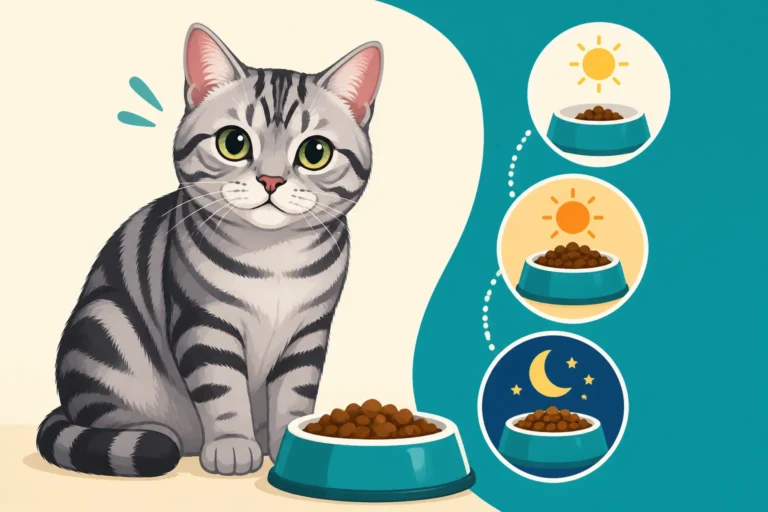
The key to prevention is strict portion control. Don't free-feed your American Shorthair. Instead, measure out their daily food allowance and divide it into two or three meals. Use a kitchen scale for accuracy if you're serious about weight management. Regular body condition scoring is also vital – you should be able to easily feel their ribs without pressing hard, and they should have a discernible waist. How to Spot Weight Gain on a Square Built American Shorthair provides detailed instructions. If your cat is already overweight, work with your vet to create a safe weight loss plan, which often involves a prescription diet designed for satiety and nutrient density with fewer calories. Increasing playtime and engaging them with interactive toys can also help burn a few extra calories.
Dealing with Picky Eaters and Food Aversions
Cats can be notoriously finicky, and American Shorthairs are no exception. If your cat suddenly turns up their nose at a new food, or even their old favorite, it can be frustrating. Often, pickiness stems from early experiences, texture preferences, or even how the food is served.
To introduce a new food, do so gradually over 7-10 days, mixing small amounts of the new food with the old and slowly increasing the proportion. This helps prevent digestive upset and allows your cat to adjust to new tastes and textures. Try different protein sources or textures (pâté vs. shredded, for example) if your cat is resistant. Warming wet food slightly can enhance its aroma and make it more appealing. Ensure food bowls are clean and in a quiet, safe location. Sometimes, a cat's aversion isn't to the food itself, but to the bowl or location. If your cat is usually a good eater and suddenly becomes picky, it's always worth a vet visit to rule out underlying health issues.
Special Dietary Needs for Seniors or Cats with Health Issues
As American Shorthairs age, their nutritional needs can change. Senior cats often become less active, so their calorie requirements might decrease, necessitating further portion control to prevent weight gain. However, some senior cats can also start losing muscle mass, requiring a diet that still provides high-quality, easily digestible protein. Caring for an American Shorthair Past Twelve is a crucial read here.
Cats with specific health conditions will require specialized diets. For example, those with kidney disease will need a low-phosphorus, controlled-protein diet. Cats with diabetes require carefully balanced carbohydrates and consistent feeding schedules. If your American Shorthair develops any health problems, your veterinarian is your best resource for prescribing or recommending appropriate therapeutic diets. Never attempt to diagnose or treat a health condition with diet alone without professional veterinary guidance, as this could do more harm than good.
Comparing Food Types for American Shorthairs
To help visualize the pros and cons of different food types for your American Shorthair, here's a handy comparison table. This isn't to say one is universally "best," but rather to highlight considerations for your specific cat.
| Feature | Wet Food | Dry Kibble | Raw/Freshly Prepared Food |
|---|---|---|---|
| Moisture Content | Very High (70-80%) | Low (5-10%) | High (60-75%) |
| Hydration Benefits | Excellent, supports urinary health | Poor, requires extra water intake | Very Good, supports overall hydration |
| Protein Source | Often high quality, meat as primary ingredient | Varies, can be high quality or filler-heavy | Typically high quality animal protein |
| Carbohydrate Level | Generally lower | Generally higher, for binding | Very low to none |
| Weight Management | Very good, helps with satiety | Challenging, easy to overfeed | Good, due to high protein and moisture |
| Dental Health | Minimal direct benefit | Some claim "crunch" cleans teeth, often negligible | Debatable, some believe bone chewing helps |
| Convenience | Moderate, spoils quickly once opened | High, easy to store and serve | Low, requires careful handling/storage |
| Cost | Can be higher | Generally lower | Can be highest, especially pre-prepared |
| Potential Risks | Minimal if nutritionally complete | Dehydration, obesity if overfed | Bacterial contamination if not handled properly, nutritional imbalance if not balanced |
| American Shorthair Suitability | High, good for muscle and weight | Moderate, with careful selection & portioning | High, if properly sourced and balanced |
Ultimately, the best food for your American Shorthair will be one that supports their muscular build, provides complete and balanced nutrition, maintains a healthy weight, and that they genuinely enjoy eating. Don't be afraid to experiment, always introducing changes gradually, and always prioritize your vet's advice. How Much a Working Framed American Shorthair Should Eat can give you further guidance on portions.
The Long-Term Impact of Nutrition on American Shorthair Lifespan
We all want our beloved American Shorthairs to live long, healthy, and happy lives. The decisions we make about their nutrition today have a profound impact on their well-being for years to come. It’s not just about today’s meal; it’s about setting them up for a vibrant future.
Preventing Chronic Diseases Through Diet
A properly balanced, high-quality diet plays a critical role in preventing many chronic diseases that can affect cats. For American Shorthairs, maintaining a healthy weight through appropriate nutrition is perhaps the single most impactful factor. Obesity, as we’ve discussed, can lead to conditions like diabetes, osteoarthritis, and even certain types of cancer. By carefully managing their calorie intake and providing nutrient-dense food, you reduce the strain on their bodies and significantly lower their risk of these preventable illnesses.
Beyond weight, the right diet can support kidney health, particularly with adequate moisture intake from wet food, which helps flush the urinary system. Proper protein levels maintain muscle mass, crucial for mobility and strength as they age. A diet rich in antioxidants can bolster their immune system, helping them ward off infections and maintain cellular health. Essentially, good nutrition is the foundation upon which long-term health is built, allowing your American Shorthair to enjoy The Fifteen to Twenty Years the American Shorthair Was Given to its fullest potential.
Supporting a Robust Immune System and Overall Vitality
A healthy American Shorthair, with its strong genetic background, should possess a naturally robust immune system. However, diet plays a crucial role in maintaining this. Essential fatty acids, vitamins, and minerals all contribute to immune function. For instance, Omega-3 fatty acids, often found in fish oil supplements or certain fish-based cat foods, have anti-inflammatory properties that can support overall health and a strong immune response.
Moreover, a well-fed cat exhibits higher vitality. Their coat will be shiny and soft, their eyes bright and clear, and their energy levels consistent. They’ll be more engaged in play, more active in their patrols around the house, and generally more resilient. Conversely, a cat on a poor diet might show signs of dull fur, lethargy, or repeated minor health issues. Investing in quality food is an investment in your American Shorthair's daily comfort and long-term vitality.
The Connection Between Diet and Longevity
It’s simple, really: a healthy body lasts longer. When you provide your American Shorthair with a diet tailored to their carnivorous nature and specific build, you're directly contributing to their longevity. This means choosing foods with high-quality animal protein, appropriate fat levels, and minimal unnecessary carbohydrates and fillers. It means being diligent about portion control to avoid the pitfalls of modern indoor living.
Regular veterinary check-ups are also crucial to monitor their health, and your vet can provide specific dietary advice as your American Shorthair matures. They can help you spot subtle changes in body condition or behavior that might indicate a need for dietary adjustment. By combining attentive care, informed nutritional choices, and regular vet visits, you give your muscular American Shorthair the best possible chance at a long, healthy, and active life, full of purrs and contented naps.
Disclaimer
This article is for general informational purposes only and does not constitute professional advice. Laws, prices and regulations vary by location and change over time. Consult a qualified professional for guidance on your specific situation.