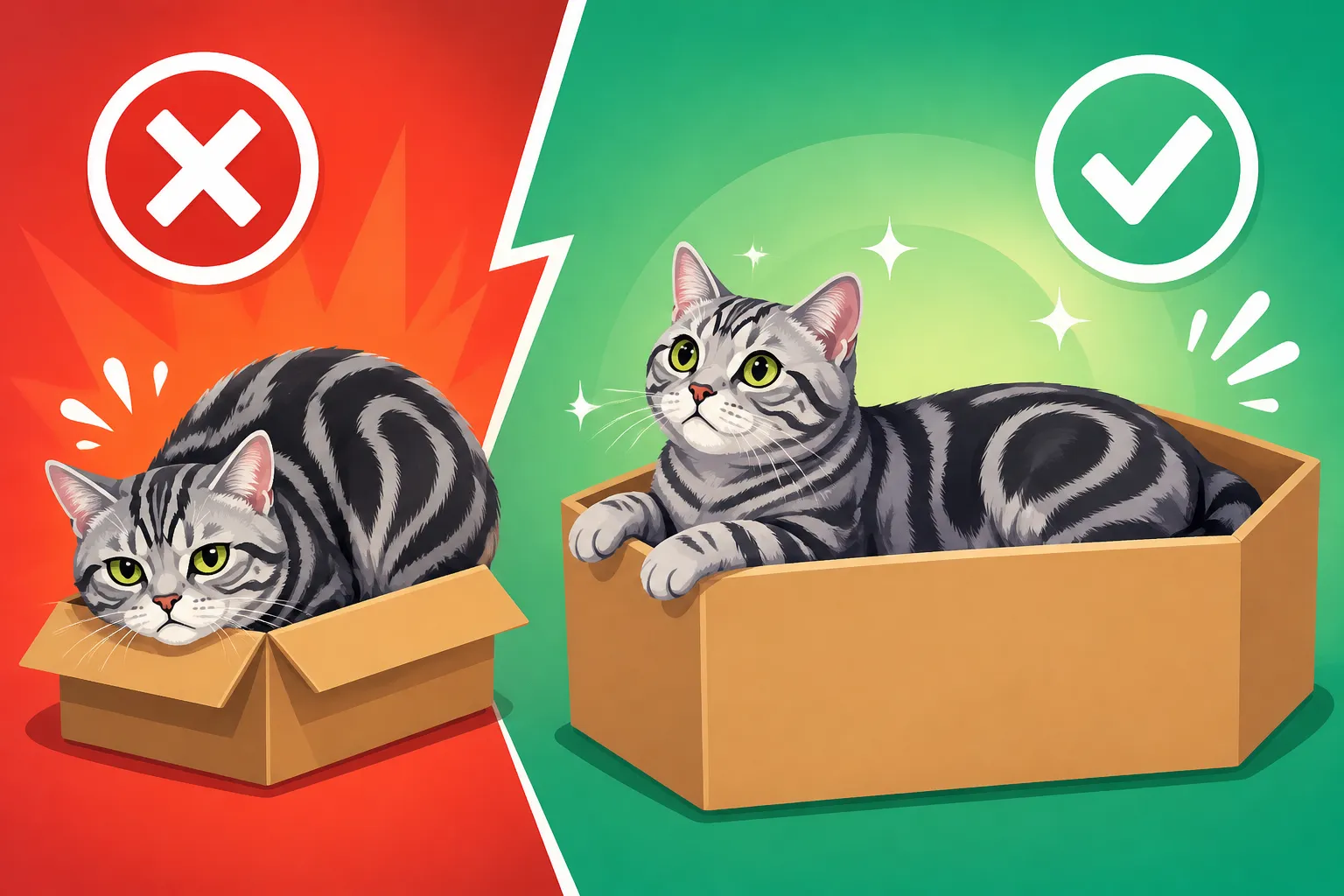
Why a Standard Box Is Too Small for an American Shorthair
It’s a common scenario: you bring home your adorable American Shorthair kitten, buy what looks like a perfectly reasonable "standard" litter box from the pet store, and then wonder why, as they grow, your once fastidious feline starts having accidents right outside the box, or worse, refusing to use it altogether. The truth is, many standard litter boxes simply aren't designed with the full-grown, muscular, and substantial American Shorthair in mind, leading to discomfort and frustrating elimination issues for both you and your beloved companion. This guide will help you understand why your American Shorthair needs more space in their litter box and how to choose the ideal setup to keep them happy and healthy.
The American Shorthair's Sturdy Build Demands Space
The American Shorthair is a magnificent, solidly built cat, and their physical dimensions play a huge role in their litter box needs. Unlike some of the more delicate or slender breeds, these cats are all about substance and strength. It's easy to underestimate just how much room they need to perform a natural and comfortable elimination routine.
A Cat of Substance: Size and Musculature
When we talk about an American Shorthair, we're discussing a breed that typically weighs in heavier than many other domestic cats, often between 10 to 15 pounds for females and 12 to 18 pounds or more for males. But it's not just the weight; it's the distribution of that weight. They are known for their broad chest, well-developed musculature, and a generally square, robust build. They're built for work, for hunting, and for navigating varied terrain. This means they are not dainty little creatures that can squeeze into tight spaces without feeling cramped.
Imagine trying to comfortably use a tiny restroom stall that's meant for a child. You can probably get in there, but turning around, squatting, and moving freely would be awkward and unpleasant. It’s no different for your American Shorthair. When they step into a standard litter box, often designed for average-sized cats or even kittens, they find themselves instantly constrained. There's barely enough room to turn a full circle without bumping into the sides, let alone dig and cover effectively. This lack of space can make the entire process feel unnatural and hurried, which goes against a cat's inherent need for privacy and thoroughness during elimination. What an American Shorthair Looks Like by the Standard provides a great overview of their physical attributes.
Length from Nose to Tail
Beyond their impressive girth, American Shorthairs also have a good length from their nose to the tip of their tail. While their tail is proportional to their body, it's still a significant appendage that needs room to maneuver. When they crouch to eliminate, they stretch out, and if the box isn't long enough, their hindquarters might hang over the edge. This is not only unhygienic but also incredibly off-putting for a cat. No one wants to make a mess, especially not a cat that is naturally fastidious.
Think of it from their perspective: they are trying to do something private and instinctual, but they feel exposed, their tail might hit the side, or their rear end ends up outside the box. This immediately creates a negative association with the litter box, and your intelligent American Shorthair will quickly seek out a more comfortable, spacious alternative – which, unfortunately for us, often means our carpets, bath mats, or quiet corners of the house. The robust size of an American Shorthair means they aren't going to shrink themselves to fit; they're going to find a better option. How Big an American Shorthair Gets further illustrates their substantial size.
Behavioral Imperatives for a Roomy Litter Box
A cat’s litter box isn't just a toilet; it's part of their territory, a place where they perform deeply ingrained natural behaviors. For an American Shorthair, a breed with a strong, historical connection to hunting and outdoor living, these instincts are particularly pronounced. A small box directly interferes with these essential behaviors, leading to stress and avoidance.
The Instinct to Dig and Cover
American Shorthairs, with their heritage as working cats, possess a powerful instinct to dig and cover their waste. This behavior serves multiple purposes in the wild: it hides their scent from predators and prey, maintaining a sense of security and discretion. In a home environment, this translates to a need for ample space to excavate a pit, eliminate, and then meticulously bury the evidence.
A standard litter box often restricts this crucial digging motion. When your American Shorthair attempts to dig, their paws hit the sides of the box almost immediately. They can't get enough leverage or create a deep enough hole. Then, when it comes time to cover, they're forced to perform a perfunctory scratch, often kicking litter out of the box because there's nowhere else for it to go. This isn't just annoying for you, the owner; it's deeply frustrating for the cat. They know they haven't completed the job properly according to their instincts. This can lead to a cat feeling anxious about using the box, knowing they can't fulfill their natural drive. Whether an American Shorthair Kicks Litter highlights the natural digging behavior.
Feeling Secure and Unconfined
Cats are vulnerable when they are eliminating. In nature, this is a moment when they are exposed to potential threats. Therefore, they seek out places where they feel secure, where they have good visibility, and where they can easily escape if necessary. While a litter box in your home doesn't present the same dangers, the instinct for security remains.
A small litter box, particularly one with a hood or a high-sided entry that traps them, can make an American Shorthair feel trapped and vulnerable. They can't comfortably turn their head to scan their surroundings, and the confined space prevents a quick exit. This feeling of being hemmed in can cause them significant stress, deterring them from using the box. They prefer an environment where they can enter, position themselves comfortably, do their business, cover it, and then confidently exit without feeling constrained or exposed. For a breed that was once independent and self-reliant, this sense of confinement is particularly unwelcome. How an American Shorthair Copes With Change emphasizes their adaptable yet self-possessed nature.
The Unpleasant Consequences of a Constrictive Litter Box
Ignoring your American Shorthair’s need for a generously sized litter box can lead to a cascade of problems, ranging from minor annoyances for you to serious health and behavioral issues for your cat. It's more than just about a bit of spilled litter; it's about their overall well-being.
Behavioral Issues and Inappropriate Elimination
The most obvious and frustrating consequence of a too-small litter box is inappropriate elimination outside the box. Your American Shorthair isn't doing this to spite you; they're doing it because the litter box is an uncomfortable or even painful experience for them. They are communicating a clear message: "This isn't working for me."
Common signs include:
- Urination or defecation just outside the box: They might try to use the box but end up hanging over the edge, or they might simply choose the floor right next to it because it offers more space.
- Eliminating on soft surfaces: Carpets, bath mats, laundry piles, or even your bed can become targets because they offer a softer, more spacious, and more absorbent alternative to a cramped, uncomfortable litter box.
- Avoiding the box entirely: Some cats will completely shun the small box, finding quieter, less trafficked spots in your home that offer the space and privacy they crave.
These behaviors are not "bad" or "naughty"; they are distress signals. Punishing your cat for these accidents will only increase their stress and fear, making the problem worse. The key is to identify and resolve the underlying issue, which, for a large breed like the American Shorthair, is often the size of their elimination station. Why a Withdrawn American Shorthair Should See a Vet reminds us that behavioral changes often signal underlying issues.
Health Risks: Urinary and Digestive Problems
Beyond the behavioral headaches, a small litter box can directly impact your American Shorthair's physical health. When a cat is uncomfortable using their litter box, they might try to hold their urine or feces for longer periods, which can lead to serious medical conditions.
- Urinary Tract Issues: Cats who delay urination are at a higher risk for developing urinary tract infections (UTIs), bladder stones, or even life-threatening urinary blockages, especially in male cats. Why a Male American Shorthair's Urethra Blocks First discusses this very serious concern. If your American Shorthair dreads the cramped conditions of their litter box, they might try to "hold it" until the discomfort becomes too great, putting immense strain on their urinary system.
- Constipation: Similarly, discomfort can lead to a cat avoiding defecation, which can result in chronic constipation. A cat needs to be able to comfortably squat and push to pass stool. If they feel unstable, cramped, or unable to assume a natural posture, they might withhold, leading to pain, impaction, and other digestive problems. Why a Well Muscled American Shorthair Gets Constipated delves into these digestive challenges.
These health issues are not only painful and distressing for your cat but can also be very expensive to treat, involving vet visits, medications, and potentially emergency procedures. Investing in a proper litter box size from the start is a preventative measure that saves both suffering and money.
Choosing the Right Litter Box for Your American Shorthair
Now that you understand why a standard box falls short, let’s talk about what makes a good litter box for your American Shorthair. It’s all about providing ample space, considering their comfort, and ensuring hygiene.
The Golden Rule: Size Matters
When it comes to litter boxes for an American Shorthair, bigger is always better. A good rule of thumb is that the litter box should be at least 1.5 times the length of your cat from nose to the base of their tail. This ensures they have enough room to turn around, dig, and cover without feeling constricted or hanging over the edge.
Forget the dainty, decorative boxes; look for utility. Many companies, including those found on Chewy and Amazon, offer extra-large or jumbo litter boxes specifically designed for larger breeds. You might even consider repurposing a large, shallow storage tote or concrete mixing tub (new and clean, of course!) if you’re on a budget. These often provide superior dimensions compared to commercially available "large" litter boxes.
| Feature | Standard Litter Box | Large/Jumbo Litter Box for American Shorthair |
|---|---|---|
| Length | Approx. 18-20 inches (45-50 cm) | At least 24-30+ inches (60-75+ cm) |
| Width | Approx. 14-16 inches (35-40 cm) | At least 18-22+ inches (45-55+ cm) |
| Height of Sides | 4-6 inches (10-15 cm) – often too low | 8-12 inches (20-30 cm) – ideal for diggers |
| Turning Room | Often cramped, difficult to turn | Ample space for comfortable turns |
| Digging Space | Limited, leads to kicked litter | Sufficient depth and surface area for digging |
| Comfort Level | Low, leads to stress and accidents | High, promotes proper elimination |
Open Versus Covered Boxes
While covered litter boxes can seem appealing to us humans for odor control and aesthetics, they can exacerbate the "too small" problem for an American Shorthair. A cover immediately reduces the internal height and perceived space, making an already small box feel even more cramped and potentially anxiety-inducing.
- Open Litter Boxes: Generally preferred by American Shorthairs because they offer maximum space, better ventilation, and a clear line of sight, which appeals to their instinct for security. Higher sides are a good compromise if you're worried about kicked litter; this way, they have the vertical space without feeling enclosed.
- Covered Litter Boxes: If you absolutely must use a covered box, ensure it is truly extra-large and has a wide opening. However, be aware that many cats find them less appealing due to reduced air circulation (which traps odors) and the feeling of confinement. Some cats will tolerate them, but if you're experiencing issues, the covered box is one of the first things to change.
The Right Litter and Depth
The type and amount of litter you use also play a role in the comfort of your American Shorthair. Most American Shorthairs prefer a soft, unscented, clumping clay litter. Fragranced litters can be off-putting to their sensitive noses, and non-clumping litters don't allow for thorough waste removal, which can lead to a dirty, unappealing box.
Aim for at least 3-4 inches (7-10 cm) of litter depth. This provides enough material for your cat to dig a proper hole and cover their waste completely. If the litter is too shallow, they'll quickly hit the bottom of the box, which again, frustrates their natural instincts and can make them associate the box with unpleasantness. Regularly scooping is also paramount. For a large, active cat like an American Shorthair, scooping at least twice a day is a must. A dirty box, regardless of size, will deter them. Which Litter an American Shorthair Accepts has more details on litter choices.
Placement and Number of Boxes
Even with the perfect-sized box, placement is key. Your American Shorthair needs their litter box in a quiet, accessible location where they won't be disturbed. Avoid noisy areas, busy hallways, or places where children or other pets might startle them. A private corner or a seldom-used room is ideal.
Finally, remember the "N+1" rule: you should have one more litter box than the number of cats in your household. So, if you have one American Shorthair, you should ideally have two litter boxes. If you have two American Shorthairs, you need three. This provides options, reduces competition if you have multiple cats, and ensures there's always a clean, available spot for your cat to do their business. This is especially important for American Shorthairs who value their territory and routines. How Many Litter Boxes an American Shorthair Needs delves deeper into optimal litter box numbers.
By understanding the unique physical and behavioral needs of your American Shorthair and making a simple adjustment to their litter box setup, you can avoid many common frustrations and ensure a healthier, happier life for your beloved feline friend.
Disclaimer
This article is for general informational purposes only and does not constitute professional advice. Laws, prices and regulations vary by location and change over time. Consult a qualified professional for guidance on your specific situation.