How Much a Working Framed American Shorthair Should Eat
One of the most common worries I hear from American Shorthair owners is about their cat's weight. Our beloved American Shorthairs are magnificent, sturdy creatures, but their powerful, compact build, a relic from their mousing days, can sometimes make it difficult to know exactly how much food they truly need. It’s a frustrating balancing act, especially when they seem perpetually hungry or, conversely, don't show much interest in their meals. This guide is here to help you navigate the nuances of feeding your American Shorthair, ensuring they maintain that ideal "working frame" without packing on unnecessary pounds.
The American Shorthair's Ancestral Appetite and Metabolism
It's easy to forget that the American Shorthair, despite being a cherished housecat today, has a deep-rooted history as a working animal. These cats weren't bred for delicate features or extreme coats; they were bred for function, for keeping barns and ships clear of rodents. That history has left them with a unique metabolism and a strong appetite, designed for a life of constant activity and opportunistic hunting. Understanding this past is the first step in properly nourishing your modern-day companion.
The Echo of Their Hunting Past
Imagine your American Shorthair's ancestors: constantly on the move, stalking prey, engaging in short bursts of intense activity, and then resting before the next hunt. Their diet would have been varied, consisting primarily of small prey, eaten in multiple small meals throughout the day. This lifestyle meant a high expenditure of energy and a diet rich in protein and fats, with very little in the way of carbohydrates. Their bodies became incredibly efficient at converting what they caught into usable energy, building strong muscle and maintaining a lean, athletic physique. Even though your cat might never chase a mouse further than a laser pointer dot, their internal systems are still largely wired for that ancestral existence. It's why they often have a robust appetite that doesn't always align with their indoor, less active reality.
This innate drive to hunt and eat frequently, a carryover from centuries of pest control, often means they’re quite food-motivated. You might notice them "asking" for food even if their bowl isn't empty, or showing keen interest whenever you head to the kitchen. It’s not necessarily a sign they’re starving; it’s just their instincts at play. Recognizing this helps us manage their expectations and our own, preventing overfeeding out of a misplaced sense of guilt. Many owners struggle with this, feeling like a loving pet parent means a perpetually full bowl, but for the American Shorthair, that can quickly lead to problems. Why Ending the Mousing Job Made the American Shorthair Heavy touches on this shift in lifestyle.
Why "Working Frame" Matters for Diet
When we talk about an American Shorthair's "working frame," we're referring to that sturdy, muscular, well-proportioned body that allows them to be agile, powerful, and efficient hunters. This isn't a delicate, slender build, nor is it a cobby, heavy-boned structure. It's a balanced, athletic physique. For their diet, this means they thrive on food that supports lean muscle mass rather than encouraging fat deposition. They need sufficient protein to maintain those powerful muscles and moderate, healthy fats for energy and coat health. What they don't need is an abundance of fillers or excessive carbohydrates, which their bodies aren't designed to process efficiently and which can contribute to weight gain.
Think of it like this: an athlete needs specific nutrition to perform at their best and maintain their physique. Your American Shorthair, with its "working frame," is a miniature athlete. Feeding them a diet that's too high in empty calories or poor-quality ingredients can quickly diminish that athletic build, turning muscle into excess fat. This not only impacts their physical appearance but, more importantly, their long-term health and mobility. A truly healthy American Shorthair is one that can jump, climb, and pounce with ease, and that starts with understanding what their natural frame requires from their food. What an American Shorthair Should Weigh at Its Frame delves deeper into ideal weight.
Factors Influencing Your American Shorthair's Calorie Needs
Just like people, not all American Shorthairs have the same dietary requirements. There are several key factors that dictate how much food your particular feline friend needs to stay healthy and happy. Ignoring these individual differences can lead to either an underfed, lethargic cat or, more commonly, an overweight one.
Age, Activity Level, and Lifestyle Differences
A rambunctious American Shorthair kitten, constantly exploring and playing, burns a phenomenal amount of calories. Their bodies are rapidly growing and developing, requiring a nutrient-dense diet to support this intense period. As they mature, their energy needs will stabilize and then slowly decrease. An adult American Shorthair who spends their day napping in sunbeams and only occasionally engaging in active play will naturally require fewer calories than one who has access to a secure outdoor catio, or who engages in daily, vigorous play sessions. Their activity level is perhaps the most significant determinant of their daily caloric intake.
Consider the difference between two adult American Shorthairs: one, an indoor-only cat living in a quiet apartment, primarily engaging in short play sessions and long naps. The other, perhaps a farm cat or one with extensive outdoor access, patrolling a large territory, climbing trees, and occasionally hunting. The latter will burn significantly more calories and require a more substantial diet. It's crucial to assess your cat's daily routine honestly. Is your American Shorthair truly active, or do they mostly snooze? Adjusting their food intake to match their actual energy expenditure is key. How Few Calories an Indoor American Shorthair Burns offers more insights into this specific challenge.
The Impact of Spaying or Neutering
One of the most profound changes to an American Shorthair's metabolism occurs after spaying or neutering. These procedures, while incredibly beneficial for population control and preventing certain health issues, significantly alter a cat's hormonal balance. This shift often leads to a decrease in metabolic rate and, unfortunately, an increase in appetite for many cats. It's a double-whammy that makes weight gain a very real concern for desexed American Shorthairs. Many owners are caught off guard by this, assuming their cat's food needs remain the same.
Because of these physiological changes, a spayed or neutered American Shorthair typically requires 20-30% fewer calories than an intact cat of the same size and activity level. If you continue to feed the same amount of food post-surgery, weight gain is almost inevitable. This is a common frustration for owners who notice their cat starting to get a little chunky despite no apparent change in their eating habits from the owner's perspective. It often means a deliberate adjustment to portion sizes and, sometimes, a switch to a "light" or "weight management" formula to help manage this new metabolic reality. Why a Neutered American Shorthair Puts On Weight Faster explains this phenomenon in detail.
Health Conditions and Dietary Adjustments
Certain health conditions can drastically impact your American Shorthair's dietary needs. For instance, cats with hyperthyroidism often have an incredibly high metabolism, burning calories at an accelerated rate, and may even lose weight despite eating ravenously. Conversely, conditions like diabetes, kidney disease, or heart conditions often require specialized prescription diets to manage symptoms and support organ function. Obesity, of course, is a health condition in itself and necessitates a carefully controlled weight loss plan.
Even less severe issues, like dental problems, can affect how and what your cat eats. A cat with painful teeth might prefer wet food over dry kibble, or eat less overall. It's vital to work closely with your veterinarian if your American Shorthair has any chronic health issues or if you notice sudden changes in their appetite, weight, or eating behavior. Never attempt to diagnose or treat a health condition through diet alone without professional guidance. Your vet can recommend specific therapeutic diets and help you understand the appropriate calorie intake for your cat's unique health profile.
Decoding Food Labels and Choosing the Right Nutrition
Walking down the pet food aisle can feel like stepping into a labyrinth of conflicting claims and confusing ingredients. For your American Shorthair's working frame, choosing the right food is paramount. It’s not just about calories; it’s about the quality and balance of those calories.
Protein, Fat, and Carbohydrate Ratios for Muscle
For an American Shorthair, whose body is designed for processing animal protein, a high-quality, animal-based protein source should be the cornerstone of their diet. Look for foods where meat (like chicken, turkey, beef, or fish) is listed as the first one or two ingredients, not plant-based proteins or fillers. Aim for a protein content of at least 30-40% on a dry matter basis, or even higher. This supports their powerful musculature and provides essential amino acids.
Fats are also crucial, offering a concentrated source of energy and supporting healthy skin and coat. Look for healthy fats like chicken fat, salmon oil, or flaxseed oil. A moderate fat content, typically around 15-25%, is generally appropriate for an active adult American Shorthair. Carbohydrates, on the other hand, should be minimal. While cats can digest some carbs, their bodies are not optimized for it, and excessive amounts can contribute to weight gain and other health issues. Opt for foods with grain-free or low-grain formulations, where any carbohydrates come from easily digestible sources like peas or sweet potatoes, in very small quantities. Reading "Which Protein Level Keeps an American Shorthair Muscular" can help you identify good options.
Wet Food Versus Dry Kibble for the American Shorthair
The debate between wet food and dry kibble is a long-standing one, and for an American Shorthair, both have their pros and cons. Dry kibble is convenient, can be left out for longer, and some argue it helps with dental health (though this effect is often minimal). However, its biggest drawbacks are typically its higher carbohydrate content and lower moisture. Given the American Shorthair's propensity for weight gain and their often-low thirst drive, these can be significant concerns.
Wet food, conversely, offers excellent hydration, which is vital for urinary tract health, especially for male American Shorthairs prone to blockages. It also tends to be lower in carbohydrates and higher in protein, making it a more biologically appropriate diet for a cat with a working, carnivorous heritage. Many American Shorthair owners find that a predominantly wet food diet, or a mix of wet and dry, helps them manage their cat's weight and overall health more effectively. If you do feed dry kibble, ensure it's a high-quality, low-carb option, and always provide plenty of fresh water. You might find excellent high-protein wet food options on sites like Chewy or Amazon.
Navigating Commercial Cat Food Brands
The market is saturated with cat food brands, and it can be overwhelming to pick one. When choosing for your American Shorthair, focus on brands that prioritize animal protein and avoid excessive fillers, artificial colors, and dubious by-products. Look for transparency in ingredient sourcing and manufacturing processes. Many other reputable brands offer excellent wet and dry options specifically formulated for different life stages and dietary needs.
It’s always a good idea to consult with your vet about specific brand recommendations, especially if your cat has any sensitivities or health concerns. They can offer tailored advice based on their nutritional knowledge and your cat's individual profile. Remember that marketing can be misleading, so always turn the bag or can over and read the ingredient list and nutritional analysis carefully. Don't be swayed by pretty packaging alone; focus on what's inside the food that will fuel your American Shorthair's working frame and keep them thriving.
Practical Feeding Strategies for a Healthy Weight
Once you've chosen the right food, how you feed your American Shorthair is just as important as what you feed them. Their natural instincts can sometimes work against them in a modern home, leading to overeating or boredom.
Portion Control and Scheduled Mealtimes
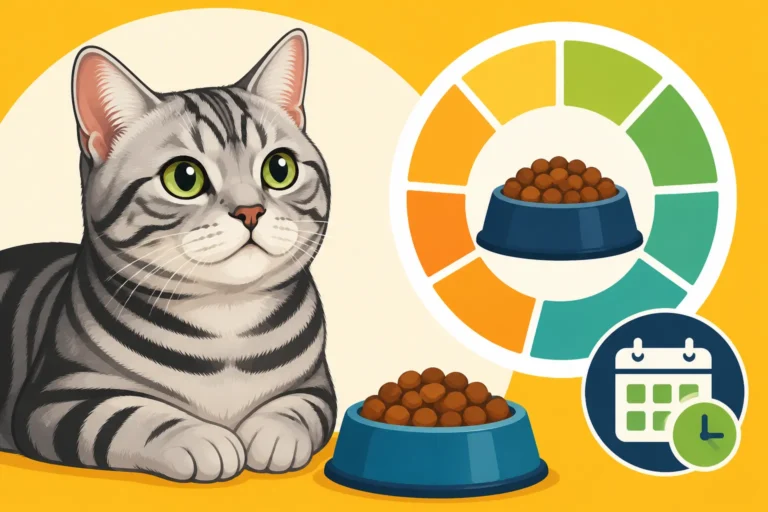
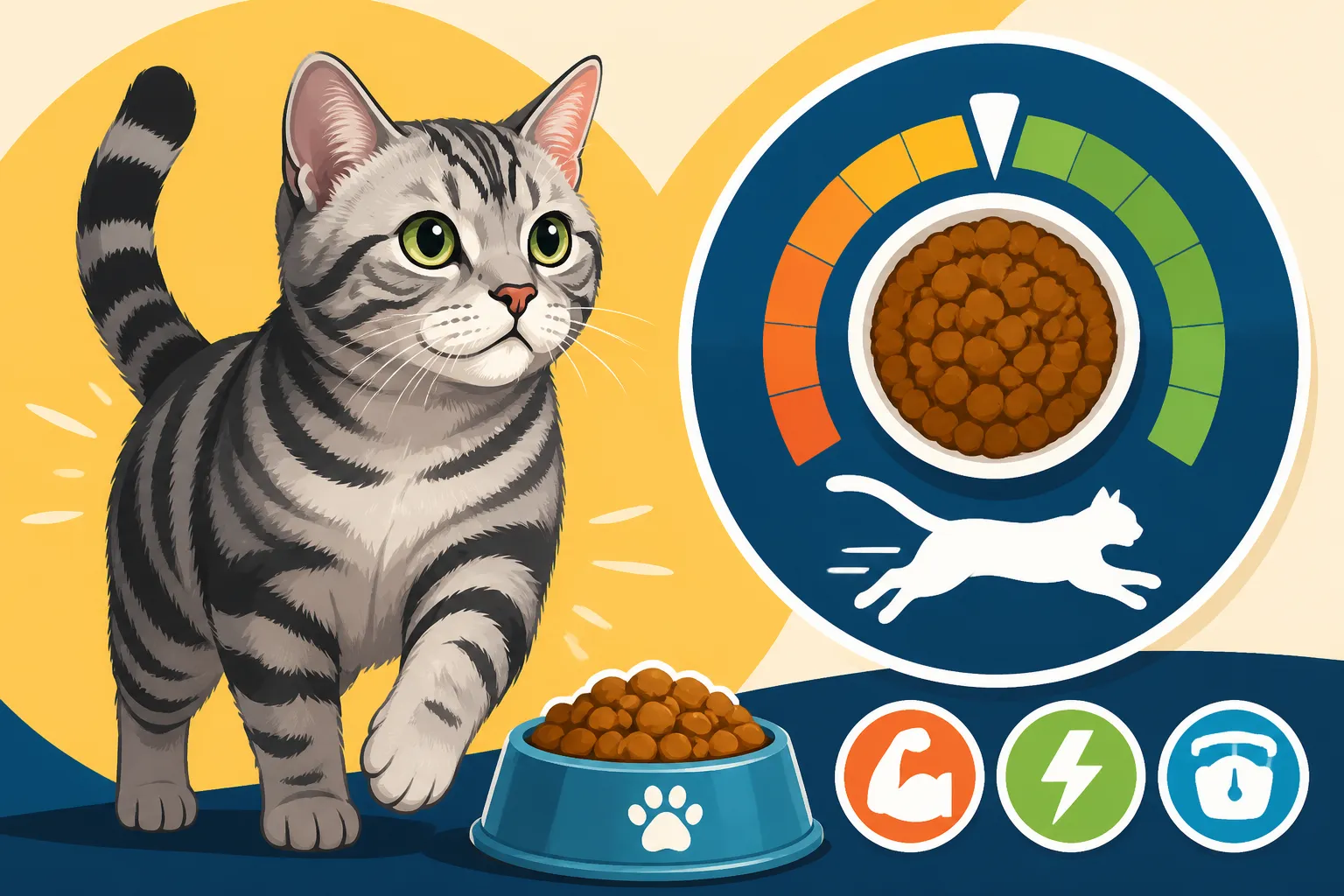
For an American Shorthair, portion control is absolutely critical, especially given their tendency towards weight gain once their active hunting role has diminished. Free-feeding, where a bowl of kibble is left out all day, is a recipe for obesity. Instead, measure out your cat's daily caloric intake accurately and divide it into two to three smaller meals throughout the day. This mimics their natural feeding pattern of smaller, more frequent meals. You can use a kitchen scale for precise measurement, as scoops can be inconsistent.
Sticking to a consistent feeding schedule helps regulate their metabolism and satisfies their expectation for food. They'll learn when to expect meals, reducing incessant begging between feedings. For example, if you feed them breakfast, a small lunch or afternoon snack, and dinner, it can help prevent them from feeling constantly hungry. This disciplined approach not only helps manage their weight but can also lead to better litter box habits and a more predictable daily routine for both of you. How Much to Put Down for an American Shorthair at Each Meal offers specific guidance.
Engaging Their Natural Foraging Instincts
An American Shorthair's ancestors had to "work" for every meal. In a domestic setting, we can replicate this by incorporating puzzle feeders or hiding portions of their food around the house. This taps into their natural foraging and hunting instincts, providing mental enrichment and slowing down their eating. It turns mealtime from a quick gulp-and-go affair into an engaging activity. There are many types of puzzle feeders available, from simple treat balls to more complex feeding stations, and some are readily available through retailers like Amazon.
Start with easy puzzles and gradually increase the difficulty. You can hide small portions of their measured kibble in different rooms, on cat trees, or in designated puzzle toys. This encourages them to move, sniff, and think, burning extra calories and preventing boredom. Not only does this help with weight management, but it can also reduce destructive behaviors often born out of understimulation. It's a fantastic way to honor their working heritage while ensuring they eat at a healthier pace. Making an American Shorthair Work for Its Dinner Again explores this in more depth.
Monitoring Weight and Adjusting Intake
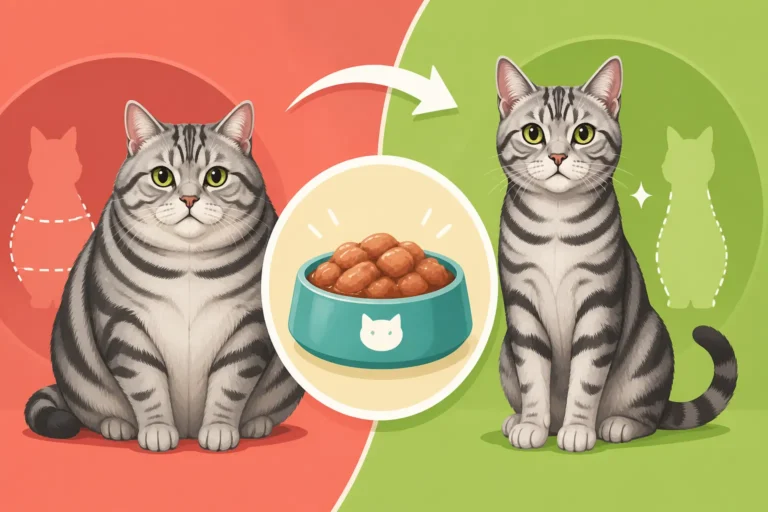
Regularly monitoring your American Shorthair's weight and body condition is essential. Don't just rely on the scales; learn to assess their body condition score (BCS). You should be able to easily feel their ribs with slight pressure, and they should have a discernible waist when viewed from above. Their tummy should tuck up slightly when viewed from the side, not hang low. A good way to remember this is that if you can't feel the ribs, your cat is likely overweight.
Weigh your cat regularly, perhaps once a month, especially if you're trying to manage their weight. Even small changes can be significant over time. If you notice weight gain, gently reduce their portion size or increase their activity level. If they seem too lean, you might need to slightly increase their food. It's a continuous process of observation and adjustment. Your veterinarian can also help you accurately assess their body condition and recommend specific weight goals if needed. Early intervention is always easier than trying to get an obese cat to lose a significant amount of weight. How to Spot Weight Gain on a Square Built American Shorthair provides visual cues for this process.
Common Feeding Mistakes and How to Avoid Them
Even with the best intentions, it's easy to fall into common feeding traps that can undermine your American Shorthair's health and lead to weight issues. Recognizing these pitfalls is the first step toward correcting them.
The Dangers of Free-Feeding
Free-feeding, the practice of leaving a bowl of dry kibble out for your cat to graze on throughout the day, is perhaps the single biggest contributor to obesity in American Shorthairs. While it seems convenient and might feel generous, it completely disregards their natural feeding behaviors and metabolic needs. Their ancestors ate what they caught, when they caught it – not an endless buffet. This constant availability of food encourages overconsumption, as there's no natural cue to stop eating once satisfied.
For an American Shorthair, whose appetite was historically tied to demanding physical activity, an unlimited food source in an indoor, low-activity environment spells trouble. They simply don't have the natural brakes on their appetite when food is always there. This leads to them consuming far more calories than they actually burn, resulting in steady weight gain. Switching from free-feeding to scheduled, portion-controlled meals is often the most impactful change you can make for your American Shorthair's weight and long-term health. Why a Bowl Left Down Ruins an American Shorthair goes into more detail about this particular feeding mistake.
Over-Treating and Its Consequences
Who can resist those pleading eyes when your American Shorthair stares longingly at your snack or performs a cute trick for a treat? Treats are a wonderful way to bond with your cat and can be useful for training, but over-treating is a very common mistake. Many commercial cat treats are high in calories, and if not accounted for in their daily caloric intake, they can quickly add up to significant weight gain. A few small treats might seem insignificant to us, but for a small animal like a cat, they can represent a substantial portion of their daily calorie budget.
If you enjoy giving treats, consider using a portion of their daily kibble as treats, or opt for very low-calorie options specifically designed for weight management. Always remember to deduct the calories from treats from their main meal portions to maintain overall caloric balance. Think of treats as a tiny bonus, not a significant part of their diet. It’s also a good idea to engage them with playtime or affection instead of food when they're simply seeking attention.
Ignoring Subtle Signs of Hunger or Fullness
Cats are masters of subtle communication, and sometimes we miss their cues, leading to misunderstandings about their hunger or fullness. An American Shorthair might "beg" for food not because they're truly hungry, but out of boredom, habit, or simply because they enjoy the interaction. If you respond to every meow or rub against your legs with food, you're inadvertently reinforcing this behavior.
Conversely, a cat who picks at their food, leaves some behind, or seems uninterested in mealtime might not just be "fussy." They could be full, or they might be experiencing discomfort, stress, or a health issue. It's important to differentiate between genuine hunger (often accompanied by intense interest in food, pacing before mealtime, or vocalizing specifically around feeding) and attention-seeking. Observing their post-meal behavior can also tell you a lot: are they satisfied and settling down, or are they immediately looking for more? Learning to read your American Shorthair's unique body language will help you fine-tune their feeding schedule and amounts.
Special Dietary Considerations for Different Life Stages
An American Shorthair's nutritional needs aren't static; they evolve throughout their life. What's perfect for a kitten won't be right for a senior, and vice-versa. Adapting their diet to their current life stage is crucial for their well-being.
Kittenhood: Fueling Rapid Growth
American Shorthair kittens are bundles of boundless energy, constantly playing, learning, and growing at an astonishing rate. This intense period of development requires a diet specifically formulated for kittens, which is denser in calories, higher in protein, and contains a carefully balanced array of vitamins and minerals to support bone and muscle growth, brain development, and a strong immune system. Kitten food will typically have more fat content than adult food.
During kittenhood, free-feeding high-quality kitten kibble can sometimes be acceptable, as their high metabolism often burns off calories quickly. However, even for kittens, portioning and scheduled meals can lay the groundwork for good habits. Always ensure they have access to plenty of fresh water. As they approach their first birthday, and certainly by the time they reach full adult size (which can take up to three years for American Shorthairs to fully fill out their working frame), you'll need to transition them gradually to an adult formula. Why an American Shorthair Kitten Stays on Kitten Food Longer provides further insight into this developmental stage.
Senior American Shorthairs: Adapting to Slower Metabolism
As your American Shorthair enters their golden years, typically around 7-10 years old, their metabolism naturally slows down, and their activity levels often decrease. This means their caloric needs will generally be lower than in their prime adult years. Continuing to feed them the same amount of food can lead to unwelcome weight gain, which exacerbates joint issues and other age-related health problems. However, this isn't always a simple reduction in calories. Some senior cats may develop conditions like hyperthyroidism or dental issues that can lead to weight loss and require more palatable or calorie-dense food.
For senior American Shorthairs, look for foods specifically formulated for older cats. These often contain easily digestible proteins, controlled phosphorus levels to support kidney health, and added joint supplements like glucosamine. Smaller, more frequent meals might also be beneficial, as their digestive systems can become less efficient. Regular veterinary check-ups are paramount during this stage, as your vet can help you identify any health changes that necessitate specific dietary adjustments and guide you on the best feeding strategy to keep your senior American Shorthair comfortable and healthy. Caring for an American Shorthair Past Twelve offers a more detailed look at senior care.
Calorie Needs and Feeding Guidelines
Here's a general guideline for caloric intake, but remember that individual needs can vary wildly. Always consult your vet for personalized advice.
| Life Stage / Activity Level | Estimated Daily Caloric Need (per pound of body weight) | Example for a 10lb American Shorthair | Feeding Strategy |
|---|---|---|---|
| Kitten (up to 1 year) | 30-40 calories/lb | 300-400 calories | High-protein kitten formula, multiple small meals. |
| Active Adult (Intact) | 25-30 calories/lb | 250-300 calories | High-protein adult formula, 2-3 scheduled meals. |
| Less Active/Neutered Adult | 20-25 calories/lb | 200-250 calories | High-protein, moderate fat adult formula, 2 scheduled meals. |
| Weight Loss Diet | 15-20 calories/lb (under vet supervision) | 150-200 calories | Prescription weight loss diet, strict portion control, 2-3 meals. |
| Senior Cat | 18-22 calories/lb (adjust for health issues) | 180-220 calories | Senior formula, highly digestible, monitor appetite. |
Important Note: Always check the specific calorie content on your chosen cat food's label, as this can vary significantly between brands and formulas. Use that number, along with your cat's target weight and activity level, to calculate their daily portion.
Disclaimer
This article is for general informational purposes only and does not constitute professional advice. Laws, prices and regulations vary by location and change over time. Consult a qualified professional for guidance on your specific situation.