Why Letting an American Shorthair Outside Is a Real Decision
The decision of whether to allow your American Shorthair outside is far more complex than simply opening the door. Many cat owners grapple with the desire to let their beloved felines experience the fresh air and natural world, yet they’re also keenly aware of the myriad dangers that lurk just beyond the threshold. This comprehensive guide aims to help you navigate this real dilemma, exploring the deep-seated instincts of your American Shorthair and the very practical risks and benefits involved in giving them outdoor access.
The Instinctive Hunter's Dilemma
It's easy to look at our pampered house cats and forget their wild origins, but the American Shorthair, despite centuries of domestication, still carries a powerful, inherent drive that connects them directly to their ancestors. This isn't just about a cute bat at a dangling toy; it's a hardwired behavioral blueprint that can profoundly influence their desire to explore and hunt outdoors.
Deep-Seated Prey Drive
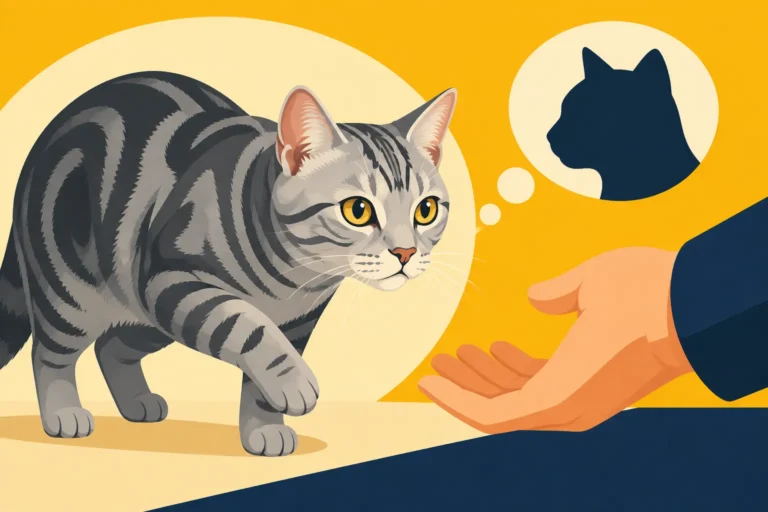
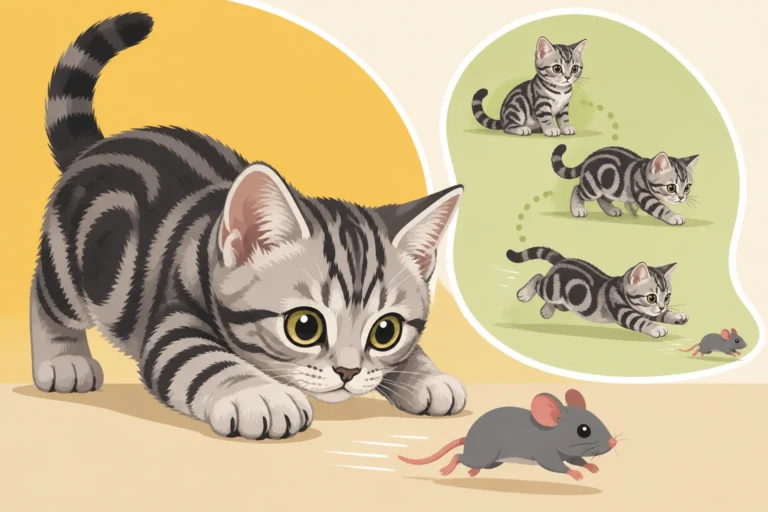
The American Shorthair, historically, was bred and valued for its prowess as a working cat, excelling at rodent control on farms and ships. This isn't a trait that simply vanishes with a cozy bed and an endless supply of kibble. Their instincts are incredibly strong, meaning The American Shorthair Still Hunts, Whether You Want It To or Not. This prey drive manifests as an acute awareness of movement, a keen sense of smell, and an insatiable curiosity for anything that scuttles, flits, or crawls. Even the most well-fed American Shorthair will experience the urge to stalk, chase, and pounce.
When an American Shorthair is indoors, this prey drive is often satisfied with interactive toys, puzzle feeders, and engaging play sessions. They might stalk a dust bunny, chase a sunbeam, or diligently "hunt" a favorite toy mouse that you bought from Amazon. However, the outdoor environment offers a sensory overload that no indoor setting can fully replicate. The rustle of leaves, the chirp of a bird, the scent of a mouse – these are powerful triggers that tap directly into their ancestral programming, making the call of the wild incredibly strong and difficult for them to ignore. They aren't going outside just to "stretch their legs"; they're going out to fulfill an ancient, primal urge.
The Thrill of the Chase
For an American Shorthair, the outdoors isn't just a place; it's a dynamic, ever-changing hunting ground. The thrill of the chase, the strategic stalking, and the ultimate capture of prey are immensely rewarding experiences for them. This isn't just about hunger; it's about the entire hunting sequence, from identification of prey to the final, satisfying pounce. An American Shorthair derives a huge amount of mental and physical stimulation from these activities.
While we can provide plenty of toys and play to simulate this indoors, it's never quite the same as the real thing. A catio or a supervised walk on a leash can offer some compromise, but for many American Shorthairs, the true satisfaction comes from the freedom to roam, investigate, and engage with their environment on their own terms. It’s this deep-seated desire for the "real hunt" that often makes owners feel guilty about keeping their cats solely indoors. However, it's crucial to balance this instinctual need with the very real dangers that exist in the world beyond our safe homes.
Navigating the Outdoor World
Once you decide to let your American Shorthair outside, even for short periods, you are exposing them to an entirely new set of risks and challenges. The world is full of potential dangers, and while your cat might be a fierce hunter, they are also vulnerable in many ways. Understanding these risks is the first step toward making an informed decision about your cat's safety and well-being.
Traffic and Other Feline Hazards
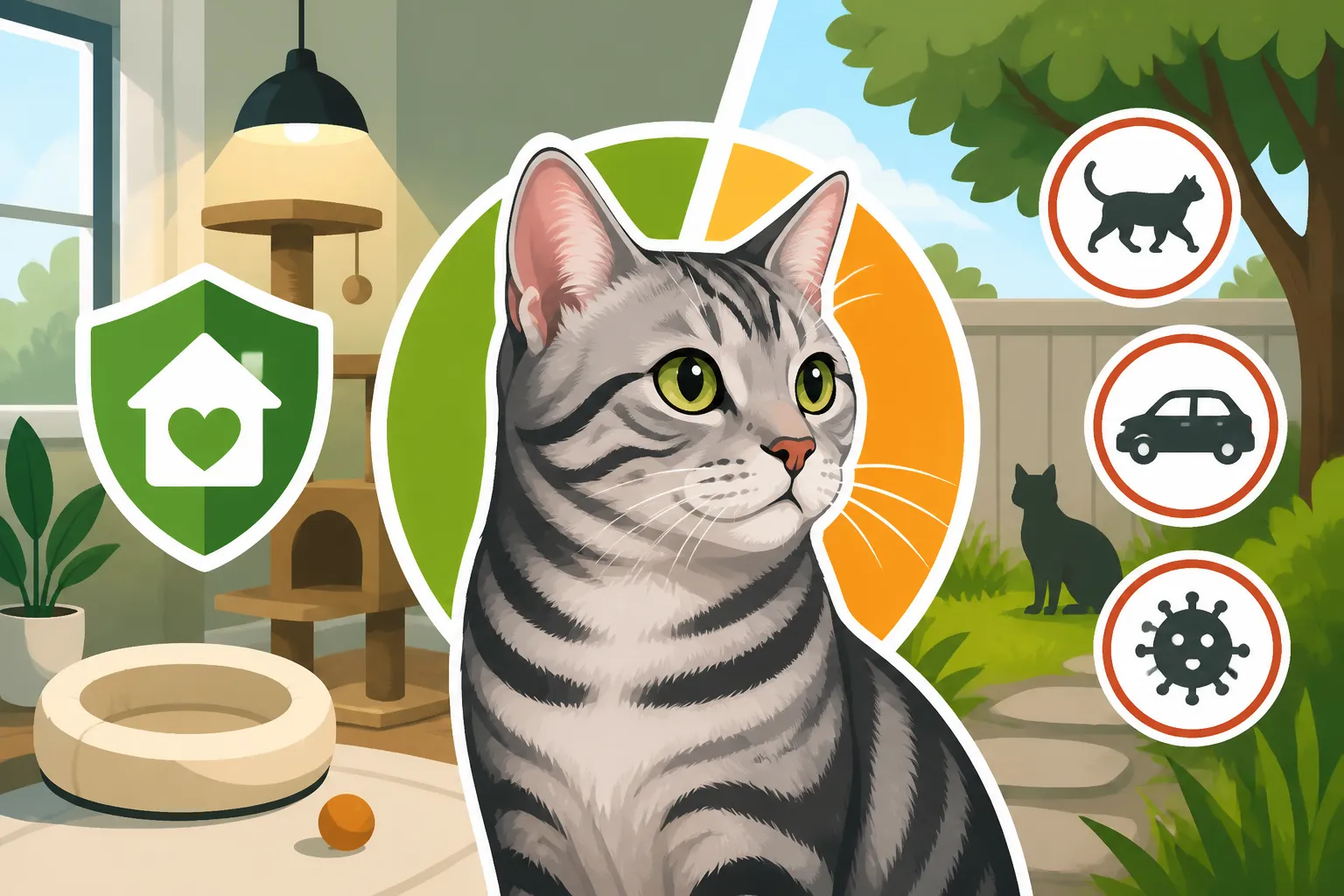
One of the most immediate and devastating risks for any outdoor cat, especially one as grounded and perhaps less agile as the sturdy American Shorthair, is road traffic. Even in seemingly quiet neighborhoods, a moment of distraction, a sudden chase, or simply misjudging the speed of a vehicle can lead to tragic consequences. Cats, despite their quick reflexes, are simply no match for cars. How Road Traffic Shortens an Outdoor American Shorthair's Life is a harsh reality that far too many owners face. It’s not just busy main roads; even quiet residential streets can be dangerous if a cat darts out unexpectedly.
Beyond traffic, there are other man-made hazards. Poisons, either intentionally set or accidentally spilled, can be ingested by curious cats. Antifreeze, for example, is notoriously lethal and attractive to cats due to its sweet taste. Traps, whether for nuisance animals or pests, can seriously injure a wandering cat. Furthermore, other animals pose a threat. Aggressive dogs, territorial cats, or even wildlife like coyotes, especially in suburban or rural areas, can cause serious injury or even death. Which Injuries an Outdoor American Shorthair Comes Home With often include bite wounds, scratches, and broken bones from encounters with other animals or vehicles.
Exposure to Illness and Parasites
The great outdoors, while offering mental stimulation, is also a teeming ecosystem of pathogens and parasites. An American Shorthair venturing outside can easily come into contact with a host of unwelcome guests, both internal and external. Fleas, ticks, and mites are common external parasites that can cause intense itching, skin infections, and even transmit diseases. Finding a reliable flea and tick preventative, perhaps one available on Amazon, becomes absolutely essential if your cat is going outside.
More insidious are the diseases transmitted by other cats or wildlife. Feline Leukemia Virus (FeLV) and Feline Immunodeficiency Virus (FIV) are highly contagious and often fatal diseases spread through bites, scratches, and close contact. Whether an Outdoor American Shorthair Needs FeLV Cover is a question that needs serious consideration and discussion with your veterinarian. Beyond these, there are other parasites like roundworms, hookworms, and tapeworms, which can be picked up from ingesting infected prey or contaminated soil. Which Parasites an Outdoor American Shorthair Picks Up are a constant concern, requiring regular deworming protocols to keep your cat healthy.
Protecting Your American Shorthair
If you've decided that some form of outdoor access is right for your American Shorthair, or even if they accidentally slip out, having protective measures in place is non-negotiable. These steps can significantly increase your cat's chances of returning home safely and staying healthy amidst the potential dangers of the outside world.
Microchipping and Identification
One of the most crucial steps you can take for an outdoor American Shorthair, or any cat for that matter, is ensuring they have permanent identification. A microchip is a tiny, rice-sized transponder implanted under the skin, usually between the shoulder blades. This chip carries a unique identification number that can be scanned by veterinary clinics or animal shelters. If your cat gets lost and is found, a quick scan can link them back to your contact information, dramatically increasing the chances of a happy reunion.
Beyond the microchip, a collar with an ID tag is also highly recommended. While collars can sometimes come off, or cats can even lose them during an escapade, they provide immediate visual identification. An ID tag clearly displaying your phone number and perhaps your cat's name can often lead to a quicker return, as a good Samaritan might call you directly rather than waiting to take the cat to a vet for a microchip scan. There are many comfortable, breakaway collars available on Amazon designed for cat safety, which will release if caught, preventing choking hazards.
Vaccinations and Preventative Care
For any cat spending time outdoors, an updated and comprehensive vaccination protocol is absolutely vital. Beyond the core vaccines for rabies and feline distemper (panleukopenia), a discussion with your vet about additional vaccines like FeLV (Feline Leukemia Virus) is critical. As mentioned, FeLV is a serious, often fatal disease spread through cat-to-cat contact, and an outdoor cat is at a much higher risk of exposure. Whether an Outdoor American Shorthair Needs FeLV Cover really depends on your local risk factors and your cat's specific habits, but it's a strong consideration.
Furthermore, a rigorous preventative care regimen for parasites is non-negotiable. Regular broad-spectrum deworming to protect against intestinal parasites and consistent flea and tick prevention are essential. These aren't just for your cat's comfort; many parasites can transmit diseases or, in the case of fleas, infest your home. Your vet can recommend the most effective and safest products based on your cat's lifestyle and local parasite prevalence. This proactive approach to health can mitigate many of the risks associated with outdoor living.
Enrichment for the Indoor Adventurer
For many American Shorthair owners, the risks of outdoor life simply outweigh the perceived benefits. But this doesn't mean your indoor cat has to live a dull or unfulfilling life. With a bit of creativity and understanding of their natural instincts, you can create a stimulating and enriching indoor environment that caters to their every need.
Simulating the Hunt Indoors
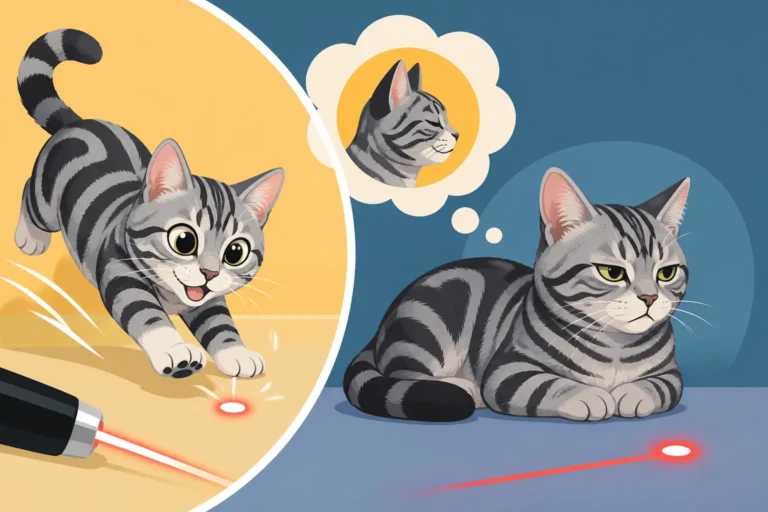
Remember that strong prey drive? It doesn't disappear just because your cat lives indoors. Instead of repressing it, we need to provide outlets for it. How Many Hunts a Day an Indoor American Shorthair Needs might surprise you, but it’s more than just a quick play session. Cats need to go through the full hunting sequence: stalk, chase, pounce, and "kill." Interactive toys are key here. Wand toys with feathers or realistic lures are fantastic, allowing you to mimic the erratic movements of prey. Engage your cat until they are panting and truly satisfied.
Puzzle feeders are another brilliant way to tap into their hunting instincts. Instead of just presenting food in a bowl, make them "work" for it by putting their kibble in toys they have to manipulate or "hunt" to get a reward. This not only slows down their eating, which can help prevent obesity, but also provides mental stimulation. Hiding small portions of their daily food allowance around the house can also simulate foraging behavior, turning mealtime into a scavenger hunt. Even chasing a harmless insect or a crumpled paper ball can provide a burst of satisfaction. What an American Shorthair Catches Indoors can be quite varied if you provide the right stimulation.
Vertical Space and Exploration
The instinct to patrol a territory is strong in an American Shorthair, and that territory isn't just on the floor. In the wild, cats climb trees and rocky outcrops to survey their domain, escape predators, and find sunning spots. Providing vertical space indoors allows your American Shorthair to express this natural behavior, making their environment feel much larger and more engaging.
Tall cat trees, wall-mounted shelves, and even clear paths on bookshelves can create a multi-level playground for your cat. Position these near windows where they can observe the outside world, fulfilling their need for surveillance without exposure to danger. Having high vantage points also gives them a sense of security, as they can retreat to a safe perch away from household activity or other pets. Look for robust cat trees and climbing structures on Amazon that can withstand the weight of a sturdy American Shorthair. This territorial mapping and exploration, even within four walls, significantly enhances their quality of life.
Weighing the Risks Against the Benefits
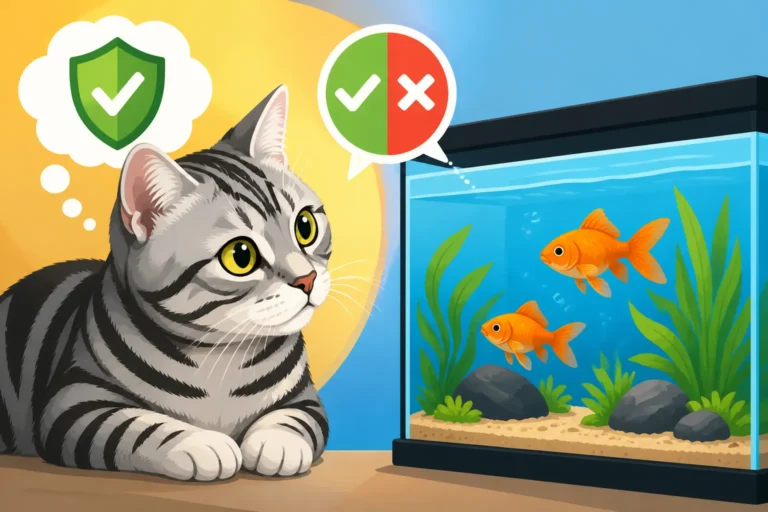
Making the choice about indoor versus outdoor access for your American Shorthair is deeply personal and depends heavily on your specific circumstances. There are undeniable pros and cons to each approach, and it's essential to look at both sides realistically, considering your cat's health, safety, and natural inclinations.
The Independent Nature
The American Shorthair is often described as an independent and self-sufficient cat. Their ancestors were working cats who had to rely on their own wits and abilities to survive and thrive. This ingrained independence means they often enjoy exploring and making their own decisions about where to spend their time. For some owners, seeing their American Shorthair confidently patrolling the garden, stalking a squirrel, or simply basking in a patch of sunshine feels like honoring their cat's true nature. They might argue that denying this freedom is akin to keeping a bird in a cage, preventing it from truly living.
However, this independence also comes with a caveat: it means they are out there alone. They are not under your direct supervision, and their independence doesn't make them immune to the dangers discussed earlier. While they might be resourceful, they are still vulnerable to cars, diseases, and other threats. The independent spirit can sometimes be a double-edged sword, leading them into situations from which they cannot extricate themselves. It's about finding a balance where their independence is respected, but their safety is not compromised.
Longevity and Safety
When considering the lifespan of an American Shorthair, the stark reality is that Whether an Indoor American Shorthair Lives Longer is almost universally true. Indoor cats, on average, live significantly longer than outdoor or indoor/outdoor cats. This is primarily due to the dramatic reduction in exposure to the myriad dangers of the outside world. No cars, no fights with other animals, no exposure to infectious diseases or parasites, no accidental poisonings – these factors all contribute to a much safer, and therefore longer, life.
While some might argue that an outdoor cat has a "happier" life due to freedom, it's worth considering the quality of that life. A life cut short by a preventable accident or a debilitating illness is hardly ideal. The mental and physical stimulation that an outdoor cat experiences can largely be replicated indoors with dedicated effort and appropriate enrichment. A long, healthy life spent in a safe, stimulating indoor environment, where preventative care like regular vet checks and Caring for an American Shorthair Past Twelve is the norm, often far outweighs the fleeting thrills of unsupervised outdoor adventures.
Making the Best Choice for Your Cat
Ultimately, the decision rests with you, the owner. It’s a choice that requires careful thought, honest assessment of your environment, and a commitment to your American Shorthair's welfare. There's no one-size-fits-all answer, but by evaluating your specific situation, you can make the most responsible decision.
Assessing Your Environment
Before even considering letting your American Shorthair out, you need to be brutally honest about your living environment. Do you live on a busy road? Is your neighborhood known for strays, feral cat colonies, or aggressive dogs? Are there wild predators like coyotes or foxes in your area? Do your neighbors use pesticides or other chemicals that could harm a curious cat? The answers to these questions should heavily influence your decision. A cat in a rural, fenced property with minimal traffic and few predators faces different risks than one in a dense urban environment with high traffic and many unknown variables.
Consider also the climate. Is it safe for your cat to be outside in extreme heat or cold? Do you have a secure yard or a catio? If your environment poses significant and unavoidable dangers, then the safest choice is almost certainly to keep your American Shorthair strictly indoors, focusing on maximizing their indoor enrichment. If you have any concerns about safety, it's better to err on the side of caution.
Gradual Introduction to Controlled Outdoor Spaces
If your environment is relatively safe and you're committed to providing some form of outdoor access, a gradual and controlled approach is best. Never just open the door and let your American Shorthair wander. Start with supervised time in a secure, enclosed space like a catio (cat patio). This allows them to experience fresh air, sights, and sounds safely. You can even build one yourself or find pre-fabricated options, many available on platforms like Amazon.
Another option is harness and leash training. While not every cat takes to it, many American Shorthairs can learn to enjoy supervised walks in a safe area, such as your backyard or a quiet park. Start with short periods indoors, gradually increasing the time and moving to outdoor areas. This allows them to explore with you present to ensure their safety and prevent them from encountering dangerous situations. Remember, the goal is to enhance their life, not to put it at risk. By controlling the outdoor experience, you can offer them the best of both worlds without the extreme dangers.
Disclaimer
This article is for general informational purposes only and does not constitute professional advice. Laws, prices and regulations vary by location and change over time. Consult a qualified professional for guidance on your specific situation.