Why the American Shorthair Kept Strong Jaws
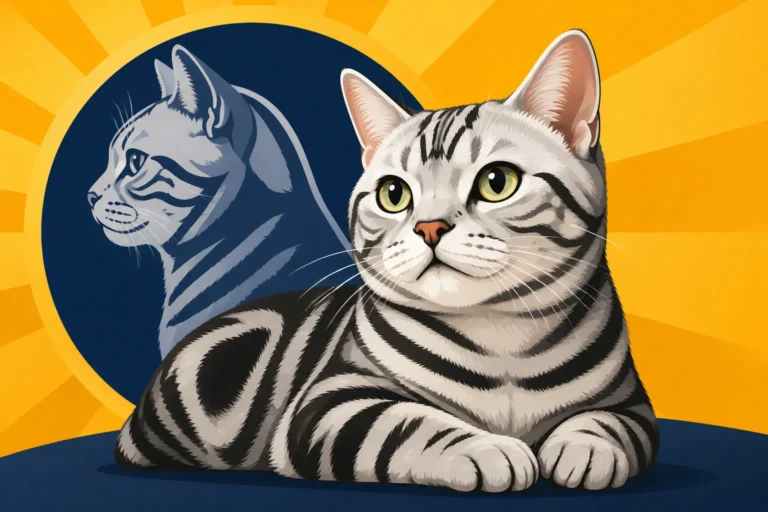
When you look at an American Shorthair, particularly their face, you might notice a certain robust quality around their muzzle and jawline. It’s not just for show; this sturdy, powerful jaw is a direct inheritance from their working past, a time when their survival literally depended on their ability to capture and dispatch prey. For many owners, understanding this ancestral trait helps explain not just their physical appearance, but also aspects of their personality and care needs. This guide delves deep into why the American Shorthair retained such strong jaws, what that means for them today, and how to best care for this magnificent feature.
The Ancestral Role of the American Shorthair
To truly understand why the American Shorthair boasts such strong jaws, we have to travel back in time, long before they were recognized as a pedigree breed, when their ancestors were simply working cats. Their very purpose shaped their physical attributes, and the strength of their bite was paramount.
A Legacy of Pest Control
Imagine life aboard a ship sailing across vast oceans centuries ago, or on a newly established farm struggling to grow crops. Pests, particularly rodents, were not just a nuisance; they were a direct threat to food supplies, valuable goods, and even the health of the crew or family. This is where the ancestors of the American Shorthair stepped in. They were brought along, not as pampered pets, but as essential crew members and farmhands, tasked with keeping rat and mouse populations under control.
A cat’s ability to hunt effectively against a formidable foe like a rat required more than just speed and stealth. It demanded the power to quickly incapacitate prey that could bite back or attempt to escape. Ships Carried the American Shorthair's Ancestors as Ratters describes the vital role these cats played in maritime history, and it's easy to see why only the most efficient hunters, those with jaws strong enough for a decisive bite, would have been valued and allowed to thrive. Their very survival, and the survival of the humans they served, depended on this physical prowess.
Survival of the Fittest in Early America
The New World was a tough place, and life for these early cats was equally challenging. There were no bowls of kibble readily available; every meal had to be earned. Natural selection played a huge role in shaping the breed. Cats that were less effective hunters, perhaps due to weaker jaws or a less robust build, simply wouldn't have survived to pass on their genes. This wasn't about aesthetics or a particular look; it was about pure, unadulterated function.
Over generations, the cats that excelled at pest control – those with strong, broad heads, powerful jaw muscles, and keen instincts – were the ones that proliferated. They became the foundation stock for what we now know as the American Shorthair. How Barn Work Selected the American Shorthair's Build goes into more detail about how their environment shaped their entire physical structure, including their impressive jaws. It's a testament to their enduring hardiness and natural ability that these traits persisted and were later enshrined in the breed standard.
What Strong Jaws Meant for a Working Cat
A cat’s jaws aren't just for eating; they are critical tools for survival, especially for a hunter. For the American Shorthair's ancestors, their powerful oral structure was key to their daily existence.
Capturing and Holding Prey
Think about the physics involved in a cat catching a scurrying mouse or a quick-footed rat. It's not just a grab-and-go situation. The prey needs to be held firmly, often while it struggles, and then dispatched efficiently. This requires more than just sharp teeth; it demands significant jaw strength to exert crushing pressure. The temporomandibular joint (TMJ) in cats, and particularly in the American Shorthair, is designed to deliver a powerful, scissor-like bite.
Their broad muzzle and strong cheekbones house substantial musculature, allowing for a tight, tenacious grip. This wasn't about playing; it was about a quick, clean kill to prevent injury to the cat and secure the meal. The American Shorthair's jaw structure allowed them to apply force precisely and effectively, a skill honed over centuries in barns and on decks. Why Centuries of Ratting Left the American Shorthair Its Drive explains how deep this hunting instinct runs, directly tying into the necessity of those strong jaws.
Chewing and Consuming Tougher Meals
While modern American Shorthairs often enjoy a diet of commercially prepared cat food, their ancestors weren't so lucky. Their meals consisted of whole prey – bones, fur, and all. Chewing through these tough, fibrous materials, and breaking down small bones, required a dental structure built for durability and power. Their strong jaws, combined with their robust, slightly flattened molars, were perfectly adapted for this kind of diet.
This historical diet meant their teeth and jaws were constantly being used and strengthened. It's a stark contrast to many modern breeds who have evolved on softer diets, or whose jaw structure has been altered by selective breeding for extreme aesthetics. The American Shorthair's practical origins ensured that form followed function, and powerful jaws were a non-negotiable part of that equation. Even today, you'll see this robustness in their wide bite and the strong alignment of their teeth.
The Impact on Modern American Shorthair Health and Care
Even though our American Shorthairs aren't out catching rats for dinner anymore, their strong jaws still influence their health and how we care for them today. It's a reminder of their heritage that informs best practices for their modern lives.
Dental Health Considerations
Despite their strong, ancestral jaws, modern American Shorthairs are still susceptible to dental issues if not cared for properly. A diet of soft wet food or kibble alone often doesn't provide the abrasive action that their ancestors got from chewing on whole prey. This can lead to plaque and tartar buildup, which in turn can cause gum disease and tooth decay. Even with the best genetics, preventive care is crucial.
Regular dental check-ups with your vet are paramount. They can assess your cat's oral health, identify any signs of gingivitis or periodontitis, and recommend professional cleanings if necessary. You might be surprised to learn how many American Shorthairs develop dental problems quietly, as cats are notoriously good at hiding pain. Why an American Shorthair Loses Teeth Nobody Noticed highlights this very issue, emphasizing the importance of proactive dental care.
Here’s a quick overview of common dental issues and signs to watch for:
| Dental Issue | Description | Signs to Watch For |
|---|---|---|
| Plaque & Tartar | Sticky film of bacteria (plaque) hardens into mineral deposits (tartar). | Yellow/brown buildup on teeth, bad breath. |
| Gingivitis | Inflammation of the gums, caused by plaque buildup. | Red, swollen, or bleeding gums, bad breath. |
| Periodontitis | Advanced gum disease, affecting structures supporting teeth. | Receding gums, loose teeth, painful chewing, refusal to eat dry food, facial swelling. |
| Tooth Resorption | Breakdown of a tooth's structure, often painful and progressive. | Visible lesions near gumline, sensitivity, pawing at mouth, decreased appetite. |
| Fractured Teeth | Broken teeth from trauma or chewing on hard objects. | Visible chip/crack, pain, difficulty eating. |
Choosing Appropriate Toys and Food
Given their powerful jaws and ingrained prey drive, selecting the right toys and food for an American Shorthair is more important than it might seem. When it comes to toys, think durable. Feather wands, sturdy plush toys, and puzzle feeders that require manipulation are excellent choices. They satisfy that deep-seated hunting instinct and give those strong jaws a safe, appropriate outlet. Brands like Chewy often have a great selection of robust cat toys and dental-specific chews that can help keep their jaws and minds active. Avoid toys that are too small or easily broken, as ingested pieces can cause serious problems. Which Wand Toy Reads as Prey to an American Shorthair can give you some ideas for engaging play.
For food, consider options that promote dental health. Some kibbles are designed with larger or textured pieces that help scrape plaque off teeth as your cat chews. While wet food is excellent for hydration, incorporating dental-specific kibble or treats can be beneficial. Discussing your American Shorthair's specific dietary needs with your veterinarian is always the best first step. They can guide you toward foods that support their muscle mass and overall health, while also considering their dental needs. Which Food Suits an American Shorthair Built for Muscle delves deeper into nutritional choices for this robust breed.
Recognizing Jaw-Related Issues
Even with strong jaws, American Shorthairs can experience issues beyond typical dental disease. Trauma, such as falling or impact, can lead to jaw fractures. Sometimes, conditions like temporomandibular joint dysfunction can occur, though less commonly than in some other breeds. It's vital to be observant of your cat's eating habits and general demeanor.
Signs of a problem might include:
- Difficulty opening or closing the mouth.
- Pain or reluctance to eat, especially dry food.
- Drooling or pawing at the face.
- Swelling around the jaw or face.
- Changes in temperament, such as irritability, due to pain.
If you notice any of these symptoms, don't hesitate to contact your vet. Prompt diagnosis and treatment can prevent further complications and ensure your American Shorthair remains comfortable. How Regularly a Healthy American Shorthair Still Needs Checking emphasizes the importance of routine veterinary care, which includes oral examinations.
How Form Follows Function in the American Shorthair's Build
The American Shorthair is a masterclass in functional design. Every aspect of their physical form, from their strong jaws to their sturdy body, speaks to their heritage as an effective working cat.
A Head Built for Purpose
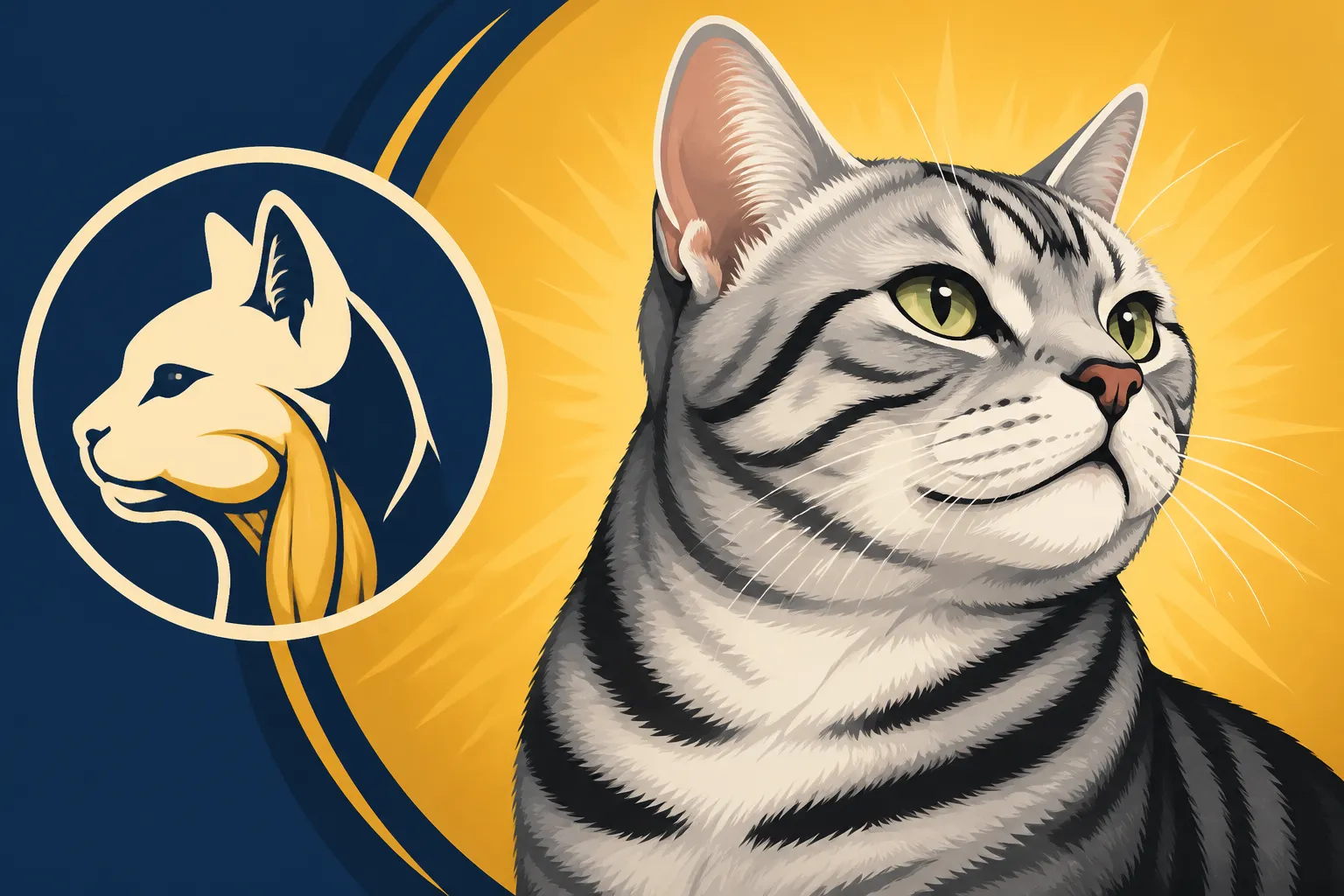
The American Shorthair's head isn't just a pretty face; it’s a finely tuned piece of equipment, and those strong jaws are its core. The breed standard calls for a medium to large head, with a full-cheeked appearance and a broad, well-developed muzzle. This isn't just about looking handsome; it's about accommodating powerful jaw muscles and providing the leverage needed for a strong bite. What an American Shorthair Looks Like by the Standard provides a comprehensive overview of their physical traits.
Their slightly rounded ears, set moderately apart, allow for excellent directional hearing – crucial for locating prey. Their large, wide-set eyes, which can be any color depending on coat, offer good peripheral vision. But it's the solid, well-defined jawline and chin that truly complete the picture of a hunter's head. It’s a design that prioritizes strength and efficiency, a direct echo of their days keeping rodents at bay.
Connection to Their Overall Musculature
Those strong jaws aren't an isolated feature; they are part of an integrated, athletic package. The American Shorthair is known for its well-muscled, powerful body – a characteristic that also stems from their working history. The robust musculature of their neck and shoulders provides the necessary support and force behind their bite. A cat needs more than just strong jaws to hold and dispatch prey; it needs the body strength to wrestle and subdue it.
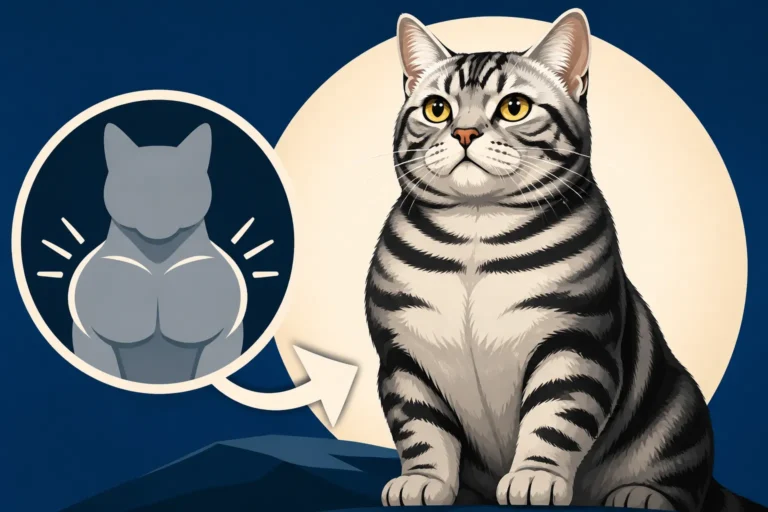
Their broad chest and strong, medium-length legs contribute to their overall power and agility. This solid, balanced build made them adept climbers, jumpers, and sprinters – all skills that complemented their hunting prowess. When you observe an American Shorthair, you’re seeing a breed where every physical attribute, including their prominent jaws, contributes to a harmonious and effective form. Why the American Shorthair Kept a Broad Chest further elaborates on how their entire structure is built for resilience and strength, showcasing their enduring legacy as truly functional felines.
Disclaimer
This article is for general informational purposes only and does not constitute professional advice. Laws, prices and regulations vary by location and change over time. Consult a qualified professional for guidance on your specific situation.