Which Ships Are Known to Have Carried American Shorthair Ancestors
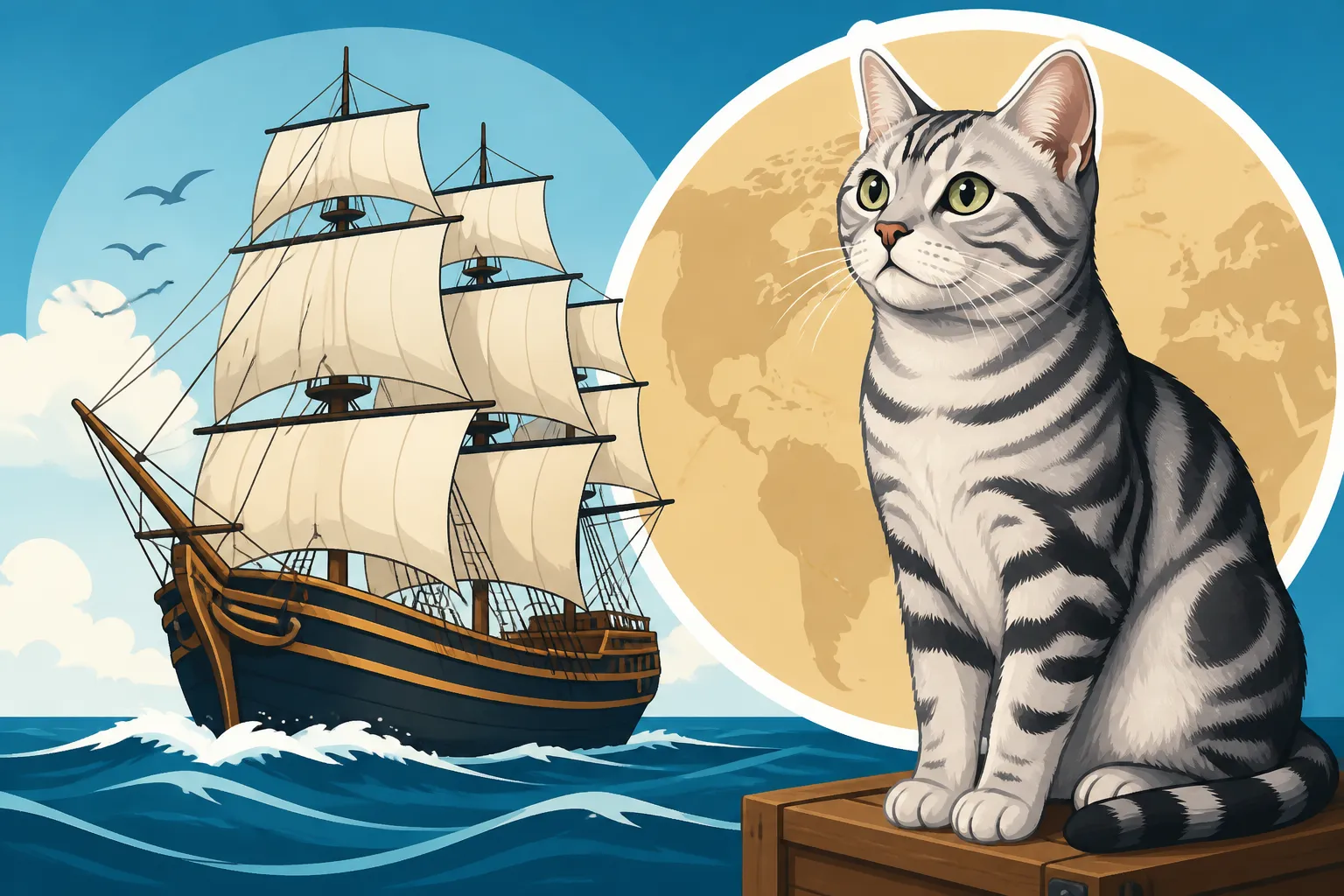
It’s a romantic notion, isn't it? Picturing a specific little cat, maybe a tabby just like your American Shorthair, tucked away on a grand ship that sailed across the vast ocean to the New World. We all love to imagine our beloved pets having a storied past, especially when it comes to a breed as iconic as the American Shorthair, whose very origins are tied to those early colonial days. While we can't point to one famous vessel, this guide will delve into the historical reality of how these amazing feline ancestors journeyed to America and became the foundation for the breed we cherish today.
The Historical Journey of the American Shorthair's Ancestors
When we think about the American Shorthair, we're not talking about a breed that was "designed" in a fancy cattery centuries ago. No, these cats are truly the definition of a working-class hero. Their ancestors earned their passage, often in the grimiest and most vital corners of early sailing ships. It’s a testament to their resilience and inherent usefulness that they made the journey at all, let alone thrived in a new land.
The Role of Cats on Early Voyages
Imagine a wooden sailing ship, packed with provisions for months at sea: grains, dried meats, and whatever else could sustain a crew and passengers for a perilous journey across the Atlantic. Such conditions were a paradise for stowaways of the rodent variety – rats and mice that could chew through ropes, contaminate food, and spread disease. This is where cats came in, not as pampered pets, but as indispensable crew members.
These early felines were the ultimate pest control. A single competent mouser could protect vital supplies, prevent the spread of illness, and even safeguard the structural integrity of the ship by keeping rodents from gnawing through critical rigging or timbers. Their presence was less about companionship and more about pure, practical necessity. They were selected, in a natural, unsentimental way, for their hunting prowess and their ability to survive the harsh conditions of a long voyage. Ships Carried the American Shorthair's Ancestors as Ratters really hammers home this historical role.
General Migration Patterns: From Old World to New
The journey of cats to North America wasn't a single, organized event, but rather a continuous trickle over centuries. As European settlers from England, Spain, France, and other nations embarked on voyages of exploration and colonization, their ships invariably carried these working cats. It wasn't just the famous expeditions; it was every merchant vessel, every fishing trawler, every pilgrim ship that made the crossing.
These cats disembarked at ports along the eastern seaboard, from Boston to Charleston, and then spread inland with the settlers. They adapted to new environments, facing different prey, climates, and challenges. Their genetic diversity was vast, reflecting the myriad origins of the ships and the people who brought them. This broad genetic base is a key factor in why the American Shorthair is often used as a benchmark for feline health. The American Shorthair Is the Control Group of Cat Breeding explores this concept in detail. The sheer volume of traffic over centuries meant that no single ship needs to be identified; it was a collective effort of countless unnamed cats on countless unnamed ships.
Specific Ships and the American Shorthair Mythos
When we look for concrete evidence of cats on specific ships, especially those from the earliest colonial period, we run into a fascinating historical challenge. While we know cats were definitely on ships, finding their names or even general descriptions in official manifests is incredibly rare.
The Mayflower Connection
Perhaps the most famous vessel associated with early American settlement is the Mayflower, which brought the Pilgrims to Plymouth in 1620. It's a common and understandable assumption that cats, being so vital, would have been aboard such an important voyage. The idea of a Mayflower cat captures the imagination, embodying the resilience and spirit of those early settlers.
However, historical records from the Mayflower are notoriously sparse regarding cargo, beyond basic provisions and human passengers. There's no definitive manifest or journal entry that explicitly mentions cats. This isn't to say there weren't cats on the Mayflower; it's highly probable, given their essential role. But official documentation of such "working animals" was often overlooked in favor of human passengers and more valuable goods. The romantic notion of a Mayflower cat remains just that – a romantic, yet unproven, possibility. It speaks to our desire to connect our modern pets with grand historical narratives.
The Lack of Specific Records
The truth is, naming specific ships known to have carried American Shorthair ancestors is largely impossible because early records simply didn't prioritize documenting working animals like cats. Ships' manifests focused on commercial cargo, human passengers, and often, larger livestock like horses or cattle, which were considered more significant assets. A cat, for all its value, was often seen as an extension of the crew or ship itself, rather than a distinct item of cargo.
This lack of specific documentation is common for many working animals throughout history. Cats were a utility, a tool against vermin, rather than a precious commodity to be listed and tracked. They were part of the fabric of seafaring life, an unspoken necessity. This makes it challenging to pinpoint particular vessels, but it doesn't diminish their incredible contribution. Their unrecorded journeys are a testament to their quiet effectiveness and the unassuming nature of their integration into human society. What an American Shorthair Bred Only for Usefulness Turns Out Like delves into how this utility-first approach shaped the breed.
Here's a quick look at the reality versus the popular perception:
| Aspect | Popular Perception / Wishful Thinking | Historical Reality |
|---|---|---|
| Specific Ship Names | Mayflower, Susan Constant, Godspeed, Discovery | No specific ship names definitively recorded. |
| Cat's Role | Companions, family pets | Primarily pest control (ratters), highly utilitarian. |
| Documentation | Believed to be listed in manifests or diaries | Rarely, if ever, mentioned in official records. |
| Origin of American Cats | A few select, foundational cats | Numerous cats over centuries on countless vessels. |
| Breed Intent | Deliberately brought to found a specific breed | Naturally occurring population that later formed a breed. |
Understanding the "Landrace" Origin
The absence of specific ship names doesn't detract from the American Shorthair's incredible story; in fact, it highlights a crucial aspect of their development: their origin as a "landrace" breed. A landrace is a domesticated animal population that has adapted to its natural and cultural environment through both natural selection and informal human selection, without intensive formal breeding.
Evolution from Working Cats
Once these intrepid felines stepped off the ships and onto the shores of the New World, their lives were far from pampered. They were immediately put to work in barns, homes, and burgeoning settlements, facing the same challenges and prey as their ship-bound ancestors. This continuous natural selection for strength, hunting skill, hardiness, and good temperament was the true "breeding program" for the American Shorthair.
These cats weren't bred for fancy colors or extreme physical traits; they were bred by life itself for survival and utility. Those that were good hunters, resilient to varied climates, and generally healthy thrived and passed on their genes. This "survival of the fittest" approach over hundreds of years created a robust, adaptable, and genetically diverse population of cats. This is why What an American Shorthair With No Designer Defect Gets Instead is such a compelling read; it's all about the benefits of this natural, utility-driven development.
The Impact of Natural Selection
The North American environment itself became a powerful selector. Cats had to be able to handle diverse weather conditions, from harsh winters in New England to humid summers further south. They needed strong hunting instincts to catch the local rodent populations and enough physical prowess to evade predators.
Over generations, this relentless natural selection produced a cat that was medium to large, substantially built, with a hardy coat, good musculature, and a placid yet intelligent disposition. These were the traits that ensured survival and usefulness to their human companions. It’s a powerful testament to the idea that a cat bred for function often embodies exceptional health and temperament. Whether a Landrace Origin Explains the American Shorthair's Health elaborates on how this natural development led to their sound constitution.
The Legacy of the Seafaring Feline
While we may never know the specific names of the ships that brought the first American Shorthair ancestors, their journey, however undocumented, shaped every aspect of the breed we know and love today. Their legacy is etched not in ship manifests, but in their robust health, practical nature, and steadfast companionship.
Modern American Shorthair Traits Reflecting Their Past
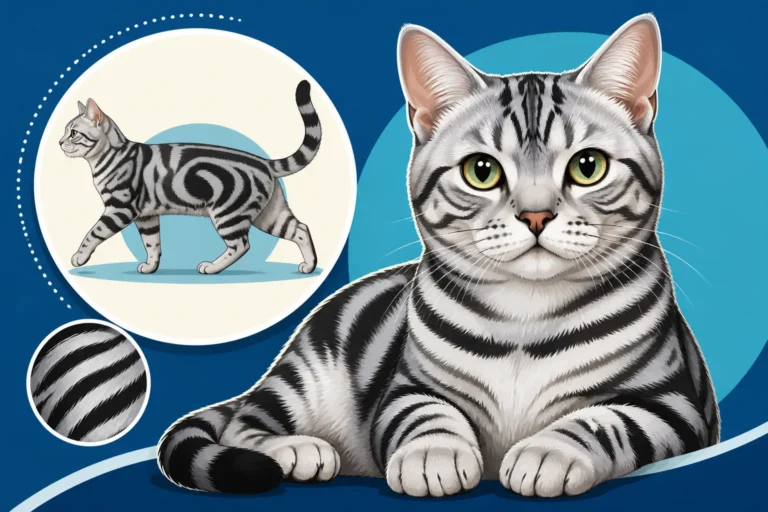
Look at your American Shorthair today, and you're seeing a direct descendant of those intrepid ship cats. Their well-muscled bodies, broad chests, and short, dense coats are perfect examples of traits selected for survival and effectiveness. That quiet, observant nature? That's the hunter assessing its territory. The ability to be both independent and affectionate? That's the working cat who learned to co-exist with humans on their terms. The American Shorthair Still Hunts, Whether You Want It To or Not is a great resource if you've ever wondered about those deep-seated instincts.
Even their famously calm and adaptable temperament can be traced back to a need for resilience in ever-changing environments, from a rocking ship to a bustling colonial farm. They weren't bred to be high-strung or overly demanding, because such traits would not have served them well in their working roles. They became the ultimate easy-going family cat precisely because their ancestors had to be self-sufficient and unfussy.
Appreciating the Unsung Heroes
So, while the quest for a "Mayflower cat" might lead to a historical dead end in terms of specific names, the story of the American Shorthair's ancestors is no less grand or inspiring. It's a tale of resilience, adaptation, and an enduring partnership between cats and humans that literally built a nation. These unrecorded feline passengers were unsung heroes of colonization, ensuring the health and prosperity of early settlements by keeping vermin at bay.
When you snuggle your American Shorthair, remember that you're cradling a piece of living history. You're connecting with generations of cats who sailed unknown seas, adapted to new worlds, and laid the foundation for one of the most beloved and robust cat breeds. Their journey may be undocumented by name, but it's clearly documented in the very essence of the American Shorthair. Their legacy is one of silent strength and unwavering dedication, a reminder that true value often lies in the most humble and essential contributions. Why a Self Sufficient American Shorthair Copes With a Long Day further illustrates the depth of their self-reliance.
Disclaimer
This article is for general informational purposes only and does not constitute professional advice. Laws, prices and regulations vary by location and change over time. Consult a qualified professional for guidance on your specific situation.