Whether the American Shorthair Was Ever Nearly Lost
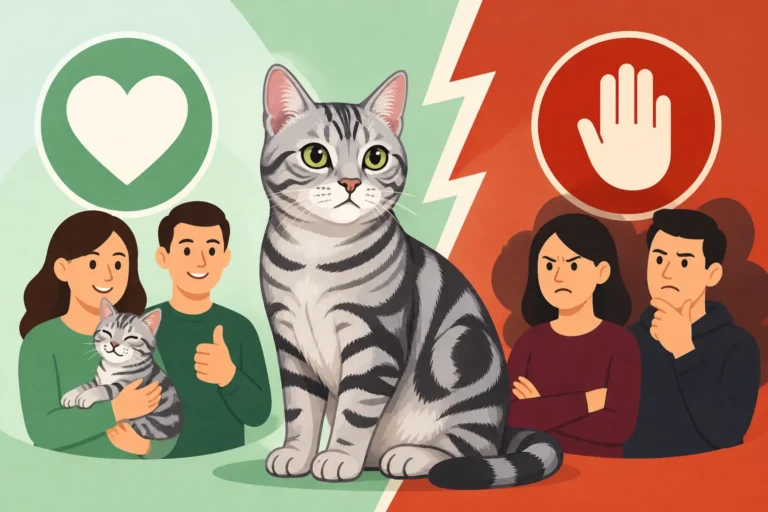
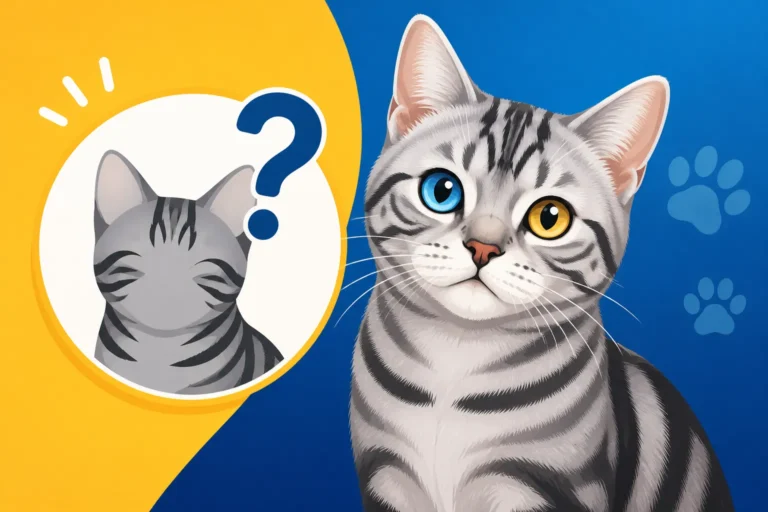
A visitor to a shelter may see a silver tabby that looks just like an American Shorthair and wonder whether the breed almost disappeared. The short answer is no: the cats themselves were not known to be on the brink of extinction. What came close to being lost was the breed’s distinct identity, obscured for decades by the broad label “Domestic Shorthair.”
Was the American Shorthair ever close to extinction?
The cats survived, but their breed identity was easy to overlook
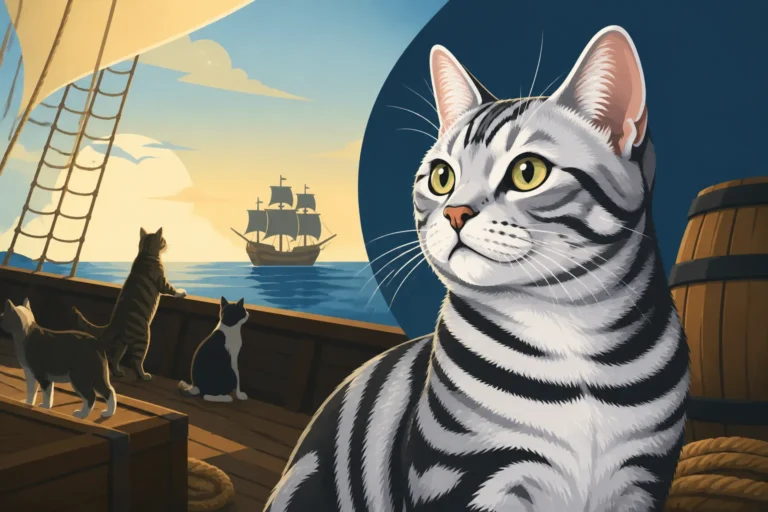
The American Shorthair developed from sturdy domestic cats that lived and worked alongside people in North America. They were valued for practical traits, including hardiness and the ability to catch rodents. For generations, these cats were part of everyday life rather than a carefully promoted pedigree breed. Their ancestors were not a single, neatly documented group, and popular stories about specific ships should be treated cautiously; the broader history is more dependable than any one origin tale. Where the American Shorthair Comes From
That background matters when people ask whether the breed was “nearly lost.” The cats did not need to be maintained as a formal breed in order to remain in barns, homes, ports, and neighborhoods. But without consistent breeding goals and a clear identity, a particular type of cat can become hard to distinguish from the larger population of shorthaired cats. The animals could remain common while the named breed struggled to stand apart.
This is the central distinction: the American Shorthair’s survival as a cat population is not the same as the survival of its recognition as a pedigree breed. There is no good reason to describe it as a breed rescued from the edge of biological extinction. It is more accurate to say that its identity and public visibility needed deliberate protection.
A working cat did not automatically become a recognized breed
People have lived with useful, mixed-ancestry cats for a very long time. That does not mean those cats were automatically bred to a shared written standard. A breed requires people to agree on the traits they want to preserve, keep track of ancestry, and register cats under a name that means something specific. The American Shorthair’s working roots predated that kind of organized breed program. How Farm Work Shaped the American Shorthair
When cat shows and registries began organizing pedigree cats, the North American shorthaired cat had a complicated position. It was familiar, but familiarity was not necessarily an advantage. A cat with no distinctive long coat, unusual body shape, or fashionable foreign ancestry could be overlooked beside breeds that were easier to market as something visibly different.
That doesn’t mean every breeder or registry dismissed the native cats. It does help explain why a naturally occurring, practical type could face a quieter risk than a rare breed: not vanishing from homes, but being treated as ordinary and left without a clear breeding identity. The breed’s later history is largely about answering that risk.
Why the American Shorthair’s name mattered
“Domestic Shorthair” described many cats, not one pedigree
Before the name American Shorthair took hold, the breed was associated with the name Domestic Shorthair. The difficulty is that “domestic shorthair” also works as a general description for shorthaired cats without a documented pedigree. If people used the same label for both a registered breed and a random-bred cat, it was hard for the public to understand what made the pedigree breed distinct.
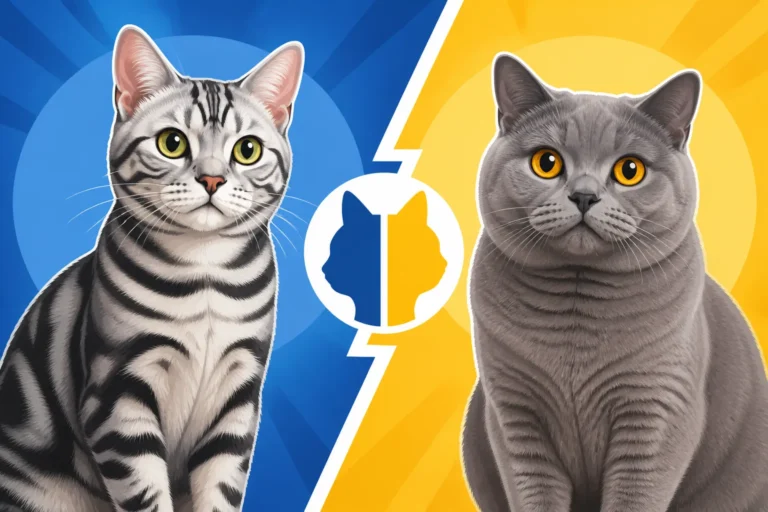
That confusion could affect how breeders presented their cats and how prospective owners understood them. Someone might see a registered American Shorthair and assume it was simply a shelter tabby with a different price tag. Someone else might call any stocky silver tabby an American Shorthair, despite having no lineage information. The cats could look alike without having the same documented background.
The breed’s name change in 1966 helped separate the pedigree identity from that general category. It did not transform the cats overnight or create a new population from scratch. Rather, it gave breeders and registries a clearer way to talk about the established breed. What the Breed Was Called Before American Shorthair Why the American Shorthair Name Changed in 1966
Recognition gave breeders a framework for preservation
Formal recognition and breed standards can help preserve a type by setting shared expectations for appearance and ancestry. The American Shorthair’s connection to early cat registration is part of that story; it was among the breeds associated with the beginnings of organized American pedigreed-cat records. Which Year the CFA Recognized the American Shorthair The American Shorthair Was One of the CFA's Five Founding Breeds
A standard gives breeders a reference point, but it is not a magic shield. People still have to choose breeding cats carefully, maintain records, and avoid treating a fashionable look as more important than health and sound structure. In the American Shorthair’s case, a written identity helped distinguish a breed that had often been regarded as an everyday cat.
It is useful to think of recognition as a form of cultural and organizational protection, rather than proof that the breed had been on the verge of disappearing. Registration made it easier to say, “This is the American Shorthair type we are preserving,” instead of relying on a vague label that could describe a huge variety of cats.
| Question | More accurate answer |
|---|---|
| Were American Shorthairs nearly extinct? | There is no strong basis for saying the cats were on the brink of extinction. |
| What was at risk? | The breed’s distinct identity and recognition could be blurred by the broad term “Domestic Shorthair.” |
| Did the 1966 name change create the breed? | No. It clarified the name used for an existing pedigree breed. |
| Does a silver tabby appearance prove pedigree? | No. Similar markings can occur in cats without documented American Shorthair ancestry. |
What threatened the breed’s distinct identity?
Imported breeds changed what some breeders and buyers admired
As organized cat breeding developed, imported and highly distinctive breeds attracted attention. Cats with unusual coats, body types, or ancestry could be easier to identify in a show hall or advertise to people seeking something uncommon. That created pressure for the established North American shorthaired type: it could be admired as dependable and attractive, but also dismissed as too familiar.
Breed identity can be vulnerable when people value novelty more than continuity. If breeders stop selecting for a consistent type, the name may survive on paper while the look and purpose behind it become less coherent. On the other hand, a breed that changes too aggressively to compete with fashionable newcomers can lose the very qualities that made it distinct in the first place.
This tension did not mean every cross or outside influence erased the American Shorthair. It meant breeders had to make choices about what belonged in the breed and what they wanted to preserve. The history of its standards and breeding rules helps explain how those boundaries developed. Whether the American Shorthair Had a Standard in 1906 Whether Outcrossing Is Still Allowed in the American Shorthair
“Common” can make a breed harder to recognize
The American Shorthair’s ordinary, familiar appearance has always been a double-edged advantage. It can make the breed approachable: a robust, short-coated cat does not look like it needs a complicated grooming routine or a highly specialized home. But it can also make pedigree cats easy to confuse with domestic shorthairs, especially in photographs or casual online listings.
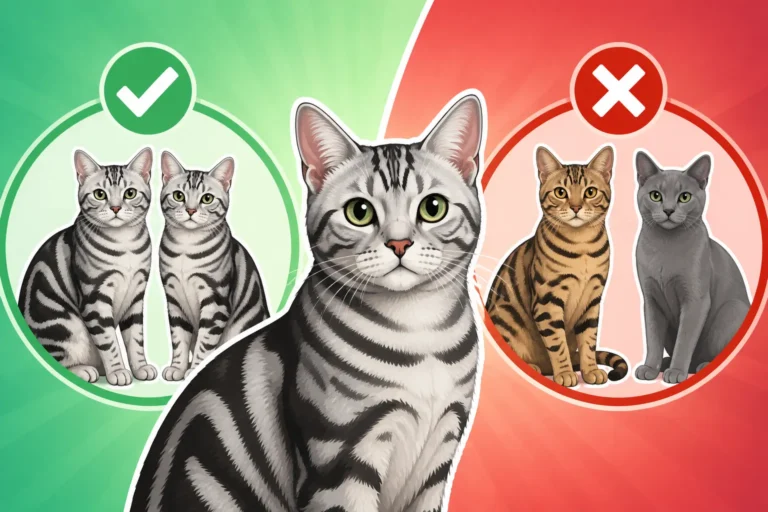
A shelter cat may have the broad head, dense coat, or tabby pattern people associate with the breed. Those features alone do not establish pedigree. A registered breed is supported by lineage records and breeder documentation, not simply by resemblance. That distinction is important both for honest breed history and for people deciding whether a particular cat’s background is known. How an American Shorthair Differs From a Domestic Shorthair
There is no need to treat domestic shorthairs as lesser cats. They are a broad and varied population, and many are healthy, affectionate companions. The point is simply that “looks like an American Shorthair” and “has documented American Shorthair ancestry” are different claims. Confusing them can make it harder to see what breeders worked to maintain.
How to understand the “nearly lost” claim today
The phrase usually describes recognition, not population numbers
When someone says the American Shorthair was nearly lost, it helps to ask what they mean by “lost.” They might mean that the breed was at risk of being absorbed into a generic category, that public interest shifted elsewhere, or that its historical importance was overlooked. Those are reasonable concerns about recognition and continuity. They are not the same as evidence that the cats were close to disappearing entirely.
This kind of distinction appears in the history of other familiar working animals, too. A population can remain abundant while a particular lineage or defined type becomes less visible. The American Shorthair’s natural roots made that distinction especially easy to miss: the cat could still be present in everyday life even if the pedigree breed struggled to claim a separate place.
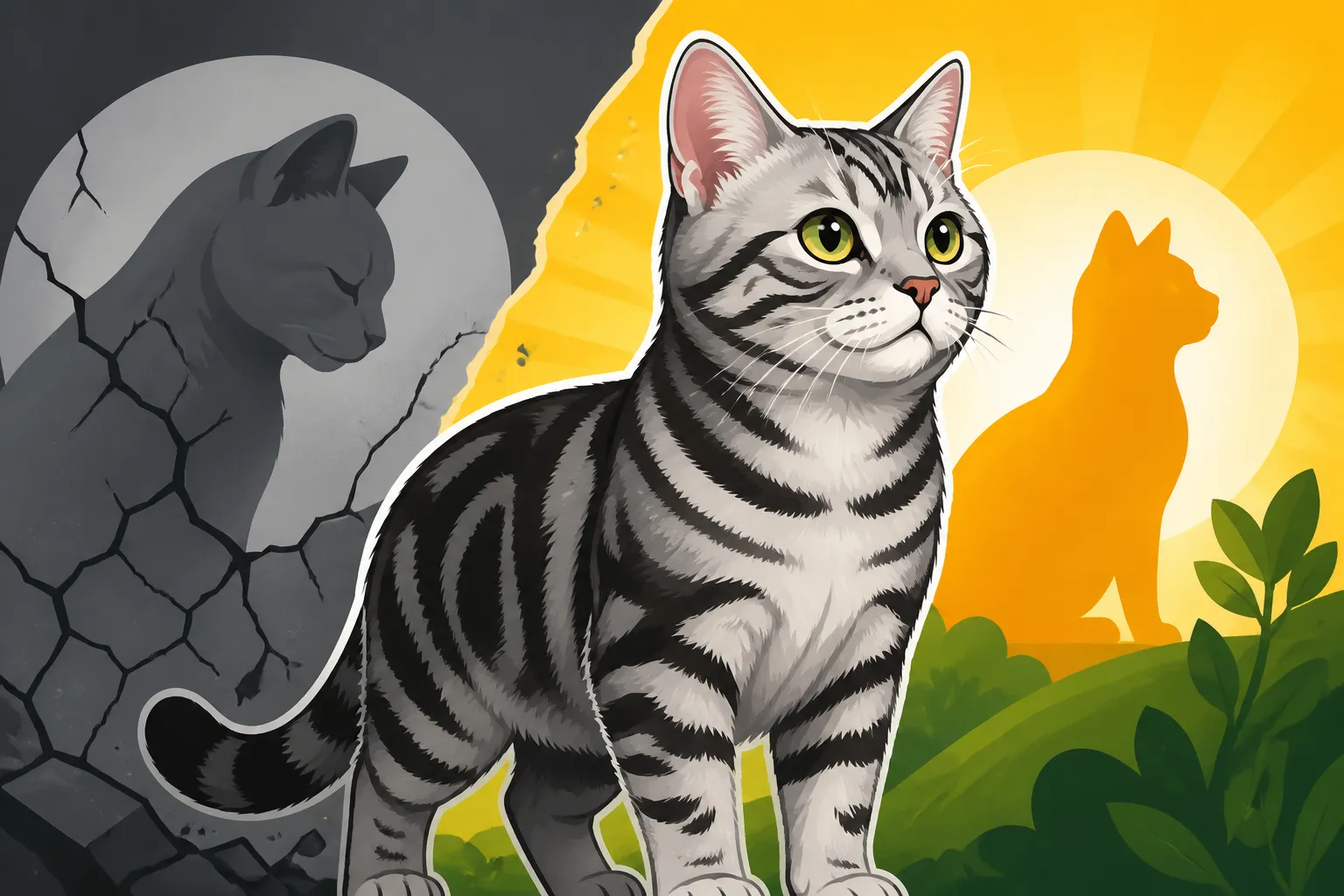
So the careful answer is: the American Shorthair was not generally “nearly lost” in the literal extinction sense, but its status as a distinct, valued breed did need protection. The name, registry history, standards, and ongoing breeder choices all helped make that identity clearer.
What the story means if you are looking for an American Shorthair
If you are considering a cat because you love the American Shorthair’s sturdy build or classic tabby coat, focus on what you actually need to know. For a pedigree kitten, ask about registration, family history, health practices, and the breeder’s documentation. A responsible breeder should be able to explain what their paperwork establishes—and what it does not.
If you meet a similar-looking cat through a shelter or rescue, you can still appreciate its appearance and personality without needing to prove a pedigree. A shelter cat may be an excellent fit even when its ancestry is unknown. The practical decision is about the individual cat’s health, temperament, and needs, not whether its coat earns a particular label.
The history also offers a useful reminder: preserving a breed is not just about keeping a name alive. It involves maintaining clear records, breeding with care, and resisting the idea that novelty is automatically better. The American Shorthair’s story is less a dramatic rescue from extinction than a long effort to make sure a familiar working cat was recognized as a distinct breed rather than overlooked as just another shorthaired cat.
Disclaimer
This article is for general informational purposes only and does not constitute professional advice. Laws, prices and regulations vary by location and change over time. Consult a qualified professional for guidance on your specific situation.