What a Silver Tabby American Shorthair Is
A silver tabby American Shorthair can look unmistakable: pale silver fur, dark markings, and a solid, sturdy build. But the phrase describes both a coat color and a pattern on a particular breed, which can make it confusing when a similar-looking shelter cat appears in the mix. This guide explains what the label means, how to recognize the pattern, and what appearance alone cannot tell you.
What “silver tabby American Shorthair” means
Silver describes the background color and tabby describes the markings
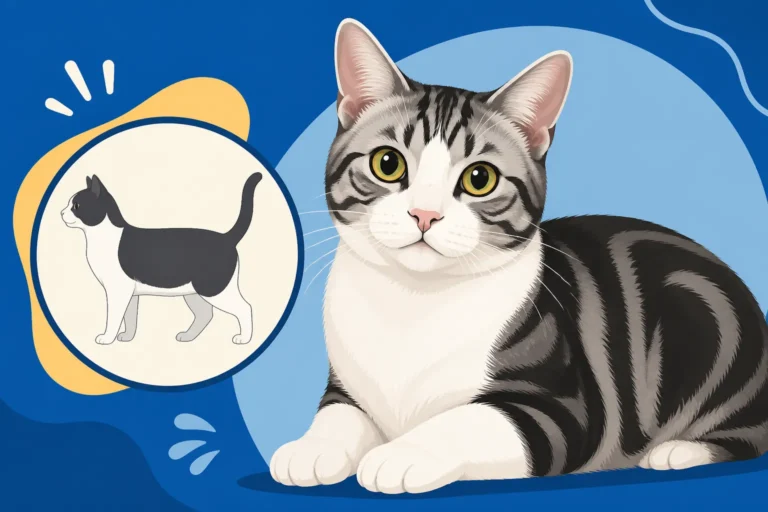
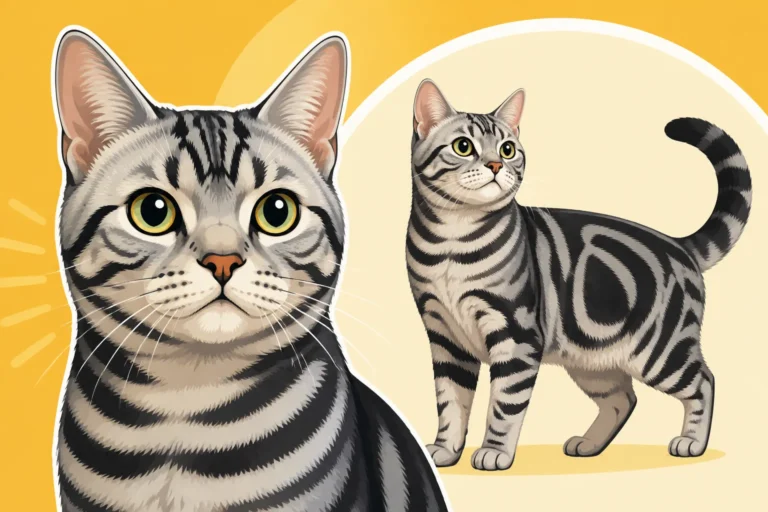
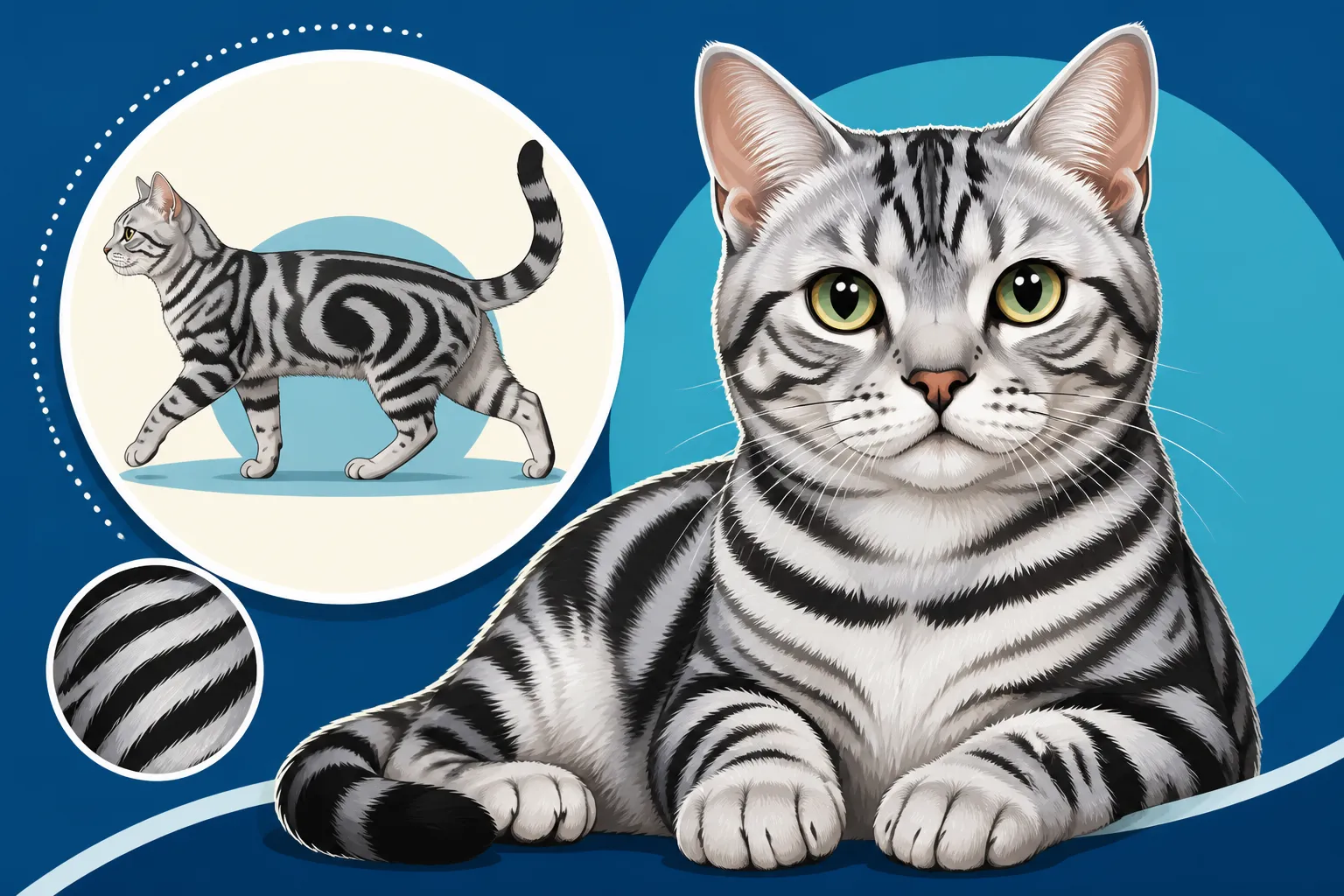
“Silver tabby” combines two coat features. Silver refers to the light background of the coat, while tabby refers to the pattern of darker markings laid over it. On a classic silver tabby, those markings are usually black or very dark, standing out clearly against the pale ground color.
The pattern may show as bold swirls along the sides, narrow stripes, or another tabby arrangement. The lighter parts can look almost white in bright light, but the overall effect is different from a solid white coat. It is the contrast between the pale background and darker pattern that gives the cat its familiar silver-tabby appearance.
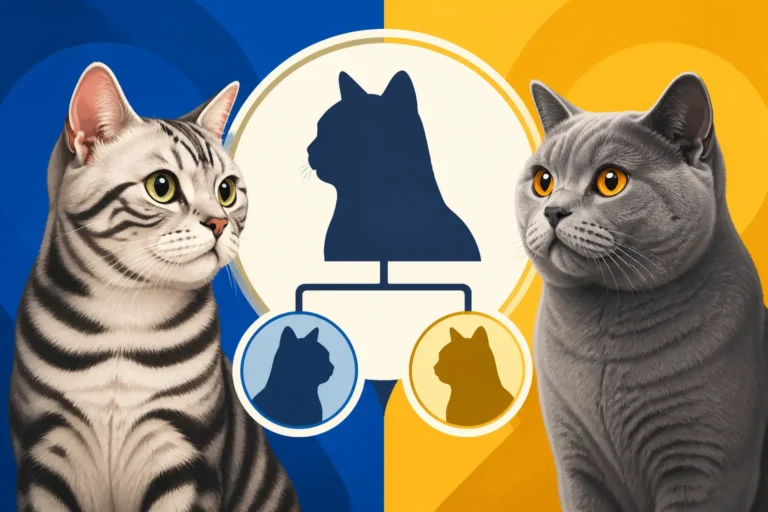
American Shorthair identifies the breed, not the coat pattern. The breed comes in many accepted colors and patterns; silver tabby is simply one especially recognizable combination. For a broader view of the breed’s appearance and build, see What an American Shorthair Looks Like by the Standard.
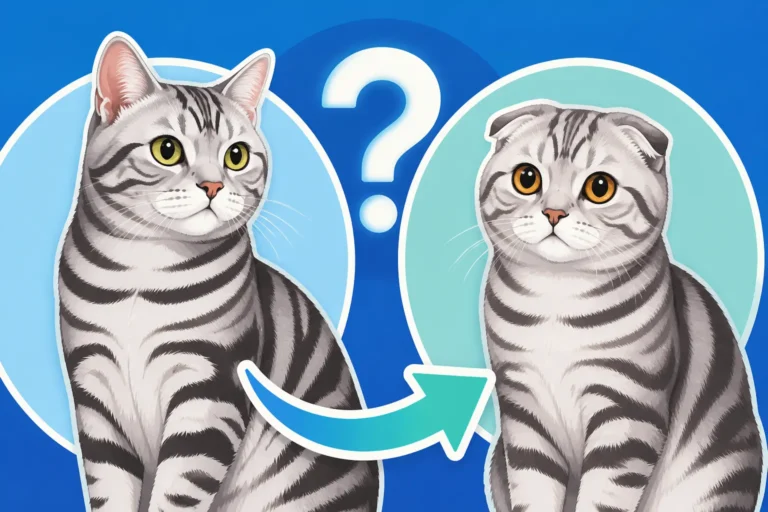
This distinction helps avoid a common mix-up: a cat can be a silver tabby without being an American Shorthair. Domestic shorthairs, for example, may have very similar coloring and stripes. A cat’s coat can suggest what it looks like, but it does not establish its pedigree.
“Classic tabby” is one specific kind of tabby pattern
People often picture a classic tabby when they hear “silver tabby American Shorthair.” This pattern typically has broad, curved markings on the sides, with rings or stripes on the legs and tail. The pattern can look almost marble-like, though the exact shapes and contrast vary from cat to cat.
Not every silver tabby has those broad swirls. Some have narrower, more vertical stripes, often called a mackerel pattern. Other tabby patterns exist too. If you are comparing coat markings, What a Classic Tabby American Shorthair Is and What a Mackerel Tabby American Shorthair Is explain the difference between two familiar arrangements.
The name of the color and the name of the pattern are separate pieces of information. “Silver” does not tell you whether the markings are swirls or stripes, and “tabby” does not tell you whether the background is silver, brown, or another color. A more detailed description might combine both, such as a silver classic tabby.
| Coat description | What it refers to | What you may notice |
|---|---|---|
| Silver | Background color | A pale, cool-toned ground beneath darker markings |
| Tabby | Marking pattern | Stripes, swirls, or other patterned markings |
| Classic tabby | A particular tabby pattern | Broad, curved markings on the sides |
| Mackerel tabby | A particular tabby pattern | Narrower, more stripe-like markings |
How to recognize the silver tabby appearance
Look at the coat pattern across the whole cat
Start with the background color and markings rather than judging from a single patch of fur. A silver tabby generally has a pale silver-looking ground with darker tabby markings visible across the body. The markings should make sense as a pattern, rather than appearing as isolated dark spots.
Check the sides, shoulders, legs, and tail. A classic pattern is often easiest to see on the flanks, while stripes on the legs and rings on the tail can help you understand how the markings continue across the body. Natural light is useful because warm indoor lighting can make silver fur look beige or cream.
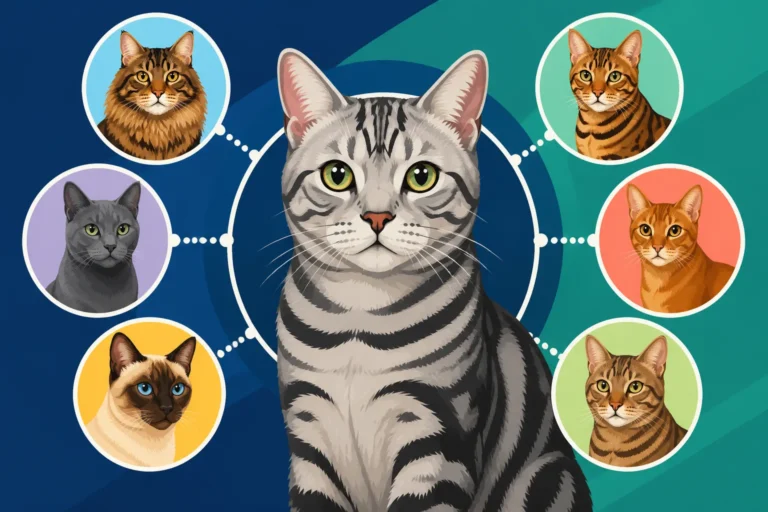
Kittens can be harder to assess at a glance. Their coats may change in appearance as they grow, and their adult size and build are not yet obvious. If you are trying to understand the range of coat options within the breed, Which Colors an American Shorthair Comes In gives more context than focusing on one iconic pattern.
Separate coat clues from breed clues
A silver tabby coat does not tell you whether a cat has the broad, balanced build associated with an American Shorthair. To assess breed type, consider the whole cat: body, head, coat, and proportions. Even then, visual resemblance is not the same as documented ancestry.
That matters especially when a listing or informal description calls a cat an American Shorthair based only on its color. Plenty of non-pedigreed cats have silver tabby coats. How an American Shorthair Differs From a Domestic Shorthair and How to Tell an American Shorthair From a Random Bred Tabby explain why the two can look alike while still being different in terms of documented breed status.
If you are considering a pedigree kitten, ask what registration and pedigree documents are available and whether they match the kitten. Responsible records provide evidence of lineage; a photograph or coat description does not. For a rescue cat, it is perfectly reasonable to describe the cat by its visible traits, such as “silver tabby domestic shorthair,” without trying to assign a breed that cannot be confirmed.
Why the silver tabby became so associated with the breed
A recognizable pattern became part of the breed’s public image
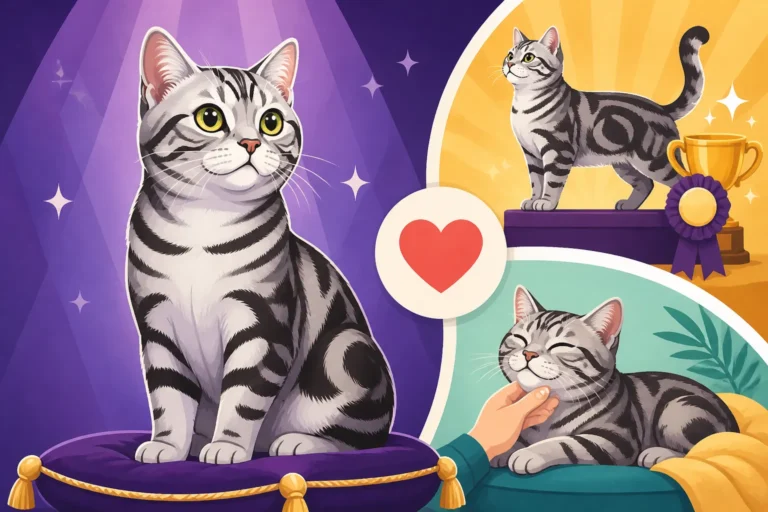
The silver tabby is one of the most familiar American Shorthair looks. Its contrast makes the markings easy to notice in photographs, and the classic swirls create a distinctive outline across the cat’s sides. Over time, that striking appearance became closely associated with the breed in people’s minds.
Still, a famous look is not the whole breed. American Shorthairs come in many colors and patterns, and a cat does not need to be silver tabby to be a well-formed example of the breed. The silver tabby’s visibility can make it seem more common or more representative than it is. Why the Silver Tabby Became the American Shorthair's Face explores how that association developed, while Whether the Silver Tabby Is the Commonest American Shorthair addresses the difference between being iconic and being the most frequently seen.
This is also why people sometimes assume every silver tabby with a sturdy build must be an American Shorthair. The pattern is memorable, but it is not exclusive to the breed. Treat it as a coat description first, then look for reliable breed documentation if ancestry matters to you.
Coat color does not predict personality or care needs
A silver tabby American Shorthair should not be assumed to have a particular temperament simply because of its color. Individual behavior is shaped by many things, including early experiences, health, environment, and the cat’s own personality. A confident-looking kitten is not guaranteed to grow into a lap cat, and a quiet one is not necessarily unfriendly.
The same principle applies to care. Silver tabby coloring does not call for a special diet, grooming routine, or medical plan by itself. Like other shorthaired cats, an American Shorthair benefits from regular coat checks, appropriate feeding, and routine veterinary care. If you are comparing grooming tools, Chewy is one place owners may browse for basic combs or brushes; choose a tool that suits your cat’s coat and comfort rather than buying one because of its color.
The practical goal is to get the individual cat used to gentle handling. A few calm strokes with a suitable brush can help you notice loose fur, skin irritation, or a new lump. If the cat dislikes grooming, keep sessions brief and reward calm behavior. Chewy also carries a range of enrichment items, but a simple wand toy or a cardboard scratcher can be enough to begin building a routine. Focus on what the cat actually uses, not what looks attractive in a product listing.
Choosing, describing, and caring for a silver tabby
Ask for evidence when breed identity matters
If you are buying a cat specifically as an American Shorthair, ask the breeder what documentation supports the breed claim. A silver tabby kitten may look like the breed, but coat appearance alone cannot confirm ancestry. Ask to see the pedigree and registration details, and make sure the paperwork corresponds to the kitten you are discussing.
It is also sensible to ask about the kitten’s health history, veterinary care, and the parents. A breeder should be willing to answer questions without relying on coat color as proof of quality. For more on the breed’s standards and lineage, How an American Shorthair Differs From a Domestic Shorthair is a helpful starting point.
When adopting from a shelter or rescue, a cat may be described as an American Shorthair type because it resembles the breed. That can be a useful shorthand for appearance, but it does not necessarily mean the cat has a registered pedigree. The best description is the one that separates what is known from what is guessed: “silver tabby” for the coat, and “American Shorthair” only when there is evidence for the breed.
Keep care decisions based on the individual cat
A silver tabby’s coat may make loose hairs easy to see on dark clothing, but that does not mean the cat requires elaborate grooming. Check the coat regularly and brush as needed, especially during heavier shedding. Avoid bathing unless there is a clear reason, and ask a veterinarian for guidance if you notice persistent dandruff, hair loss, itching, or a sudden change in coat condition.
Feeding should also be based on the cat’s age, body condition, activity, and health—not its color. Measure meals rather than relying on an always-full bowl if your cat tends to overeat, and keep treats within a sensible part of its overall diet. If you are comparing food labels, Chewy can be one place to review ingredient and feeding information, but your veterinarian can help tailor choices to your cat’s needs.
Finally, enjoy the pattern without treating it as a promise of pedigree or personality. A silver tabby American Shorthair is a cat of a particular breed wearing a particular coat pattern; a silver tabby of unknown ancestry can be just as striking and deserving of care. The clearest description keeps those two facts separate.
Disclaimer
This article is for general informational purposes only and does not constitute professional advice. Laws, prices and regulations vary by location and change over time. Consult a qualified professional for guidance on your specific situation.