Which Advertising Cat Was an American Shorthair
Morris, the orange cat from the 9Lives advertisements, is often mistaken for an American Shorthair because he had the sturdy build and classic tabby look many people associate with the breed. But a familiar appearance is not proof of pedigree. Morris is generally described as a shelter cat or domestic shorthair, and his documented story does not establish him as a registered American Shorthair.
The Advertising Cat Most Often Mistaken for an American Shorthair
Morris and the 9Lives advertisements
When people ask which advertising cat was an American Shorthair, Morris is usually the name they have in mind. The orange tabby became the face of 9Lives cat food, known for his dry, unimpressed delivery and the joke that he would only eat the brand’s food. His expressive face and solid, muscular body made him look like the sort of confident, substantial cat people picture when they hear “American Shorthair.”
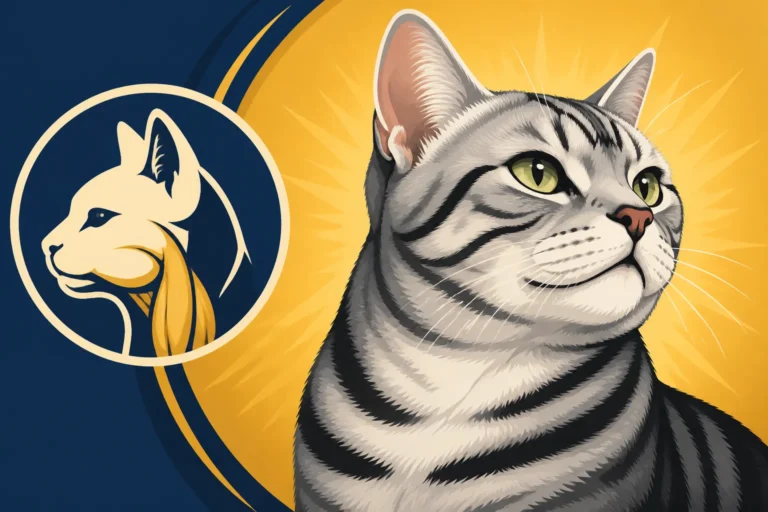
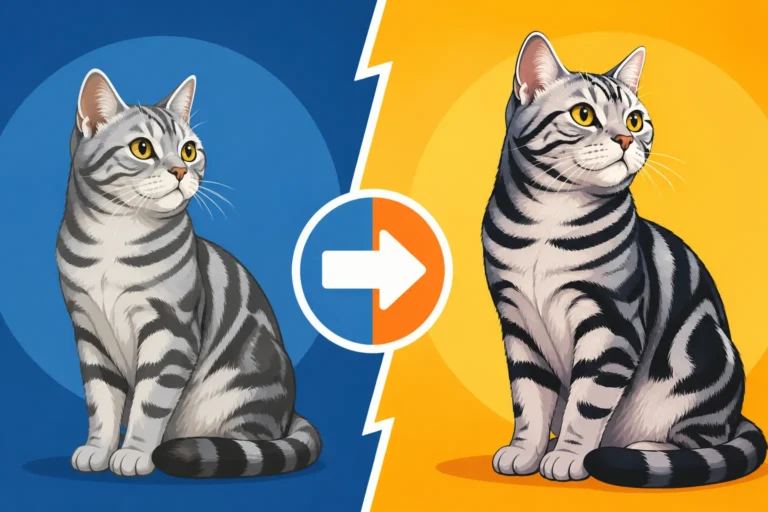
That resemblance is understandable. The American Shorthair is a medium-to-large, sturdy breed, and the silver tabby is especially recognizable. Morris, however, was orange, and a tabby pattern or broad body does not identify a cat’s breed. As with many animal performers, the character audiences remember is clearer than the cat’s complete breeding history.
Morris is commonly described as a shelter cat or domestic shorthair. That makes the most careful answer: he looked like a cat who could be an American Shorthair, but there is no solid basis for calling him a documented, pedigreed American Shorthair. If a trivia answer labels him “an American Shorthair,” it is likely using appearance as shorthand rather than confirming his registration or ancestry.
Why Morris’s breed is difficult to confirm
Advertising campaigns focus on a character, not a formal breed record. A production may document a cat’s name, training, temperament, and role without preserving a pedigree. Even when a performer’s background is discussed, details can get simplified as the mascot becomes famous and the story gets retold.
There is another complication: Morris was a character portrayed by cats over time, rather than a single fictional identity that necessarily points to one individual animal. A campaign can retain the same name and personality while using different performers. Without clear records for each cat, assigning one definitive breed to the advertising character is especially risky.
This is a familiar problem for anyone comparing a pet to a celebrity animal. A photo may show a silver tabby with a round face or an orange cat with a heavy build, but those traits can appear in cats without a documented pedigree. Looking up a similar-looking cat on Chewy or another retailer might help someone compare coat colors or general descriptions, but a product listing cannot establish an individual cat’s ancestry.
The short answer
If you need a concise answer for a quiz or conversation, say: Morris, the 9Lives advertising cat, is often mistaken for an American Shorthair, but he is generally described as a shelter or domestic shorthair cat rather than a confirmed pedigreed American Shorthair.
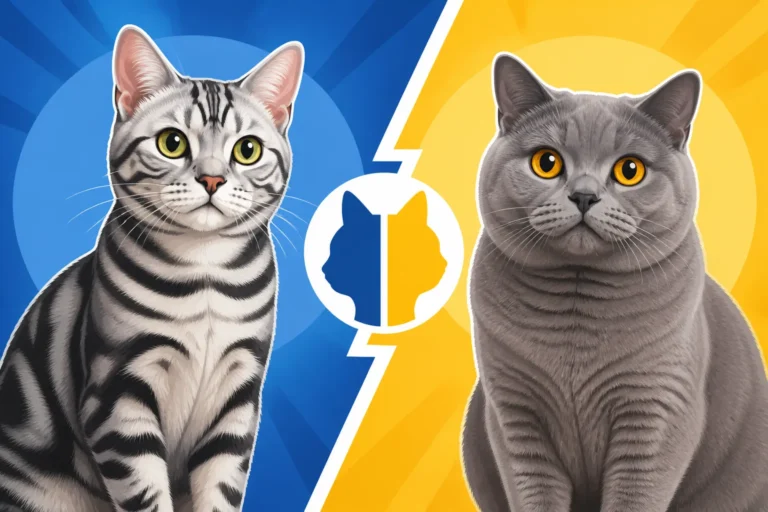
That distinction may sound fussy, but it matters. “American Shorthair” names a recognized breed; “domestic shorthair” describes a short-coated cat without confirmed membership in that breed. For more on the difference, see How an American Shorthair Differs From a Domestic Shorthair and What a Domestic Shorthair Is Next to an American Shorthair.
What Makes an American Shorthair Different From a Lookalike
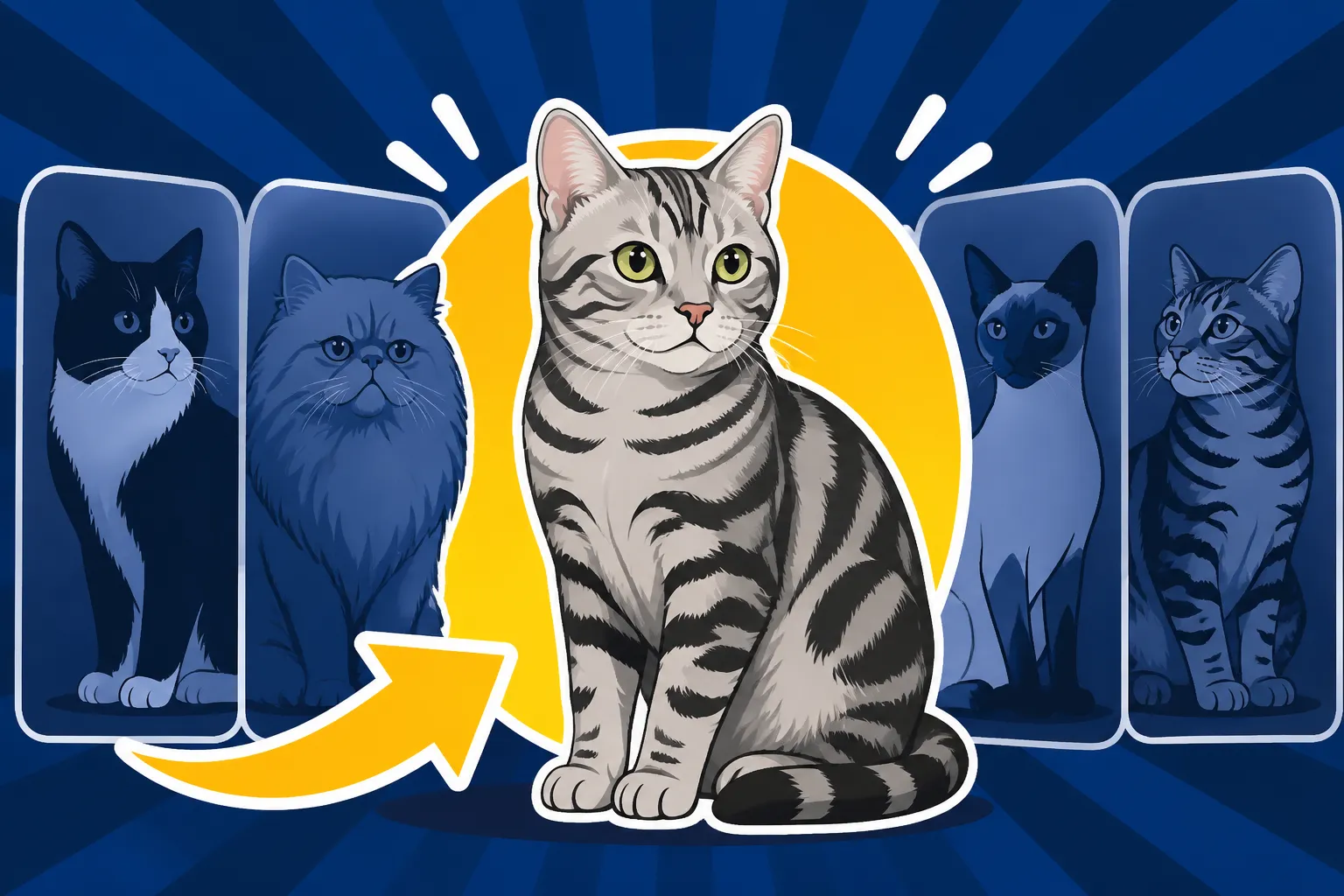
A coat pattern is not a breed
People often use “tabby” as though it names a breed. It does not. Tabby describes a coat pattern, which can appear in many breeds and in mixed-breed cats. A classic tabby may have bold, swirling markings; a mackerel tabby has narrower stripes; and a silver tabby has dark markings against a pale silver background. None of those patterns alone proves that a cat is an American Shorthair.
Morris’s orange tabby coat is part of why he is so easy to remember, but it does not settle his breed. The same is true of a cat seen in a television commercial, pet-food package, or online product photo. A picture can show what a cat looks like. It cannot, by itself, show what generations of cats came before it.
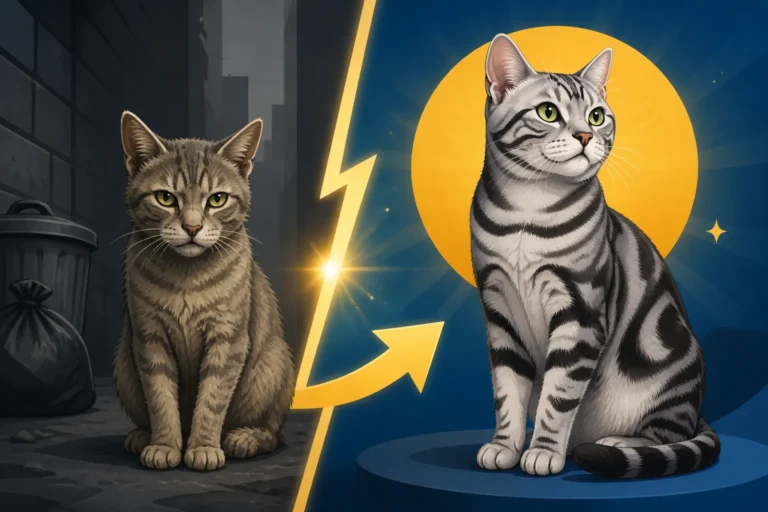
The silver tabby is strongly associated with the American Shorthair, which can make the visual shortcut feel especially convincing. But the breed comes in many accepted colors and patterns, and silver tabbies can also be domestic shorthairs. The history of that signature look is explored in The Silver Tabby That Made the American Shorthair Famous.
Build can suggest a type, but it cannot verify ancestry
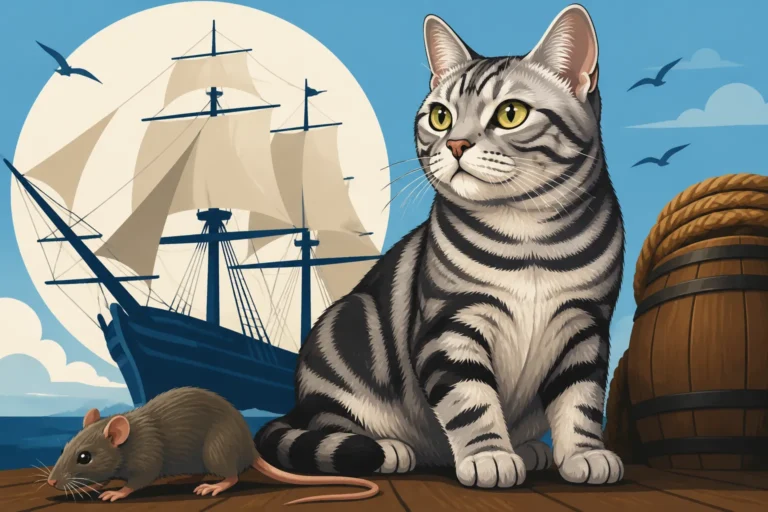
American Shorthairs tend to have a balanced, sturdy appearance, with a broad chest, strong legs, and a rounded face. Those features developed within a breed whose ancestors were valued for practical work, including controlling rodents around farms and ships. A cat with that general shape may remind viewers of the breed, but similar builds occur among ordinary mixed-breed cats too.
A single photograph can also be misleading. Camera angle, posture, age, and body condition all change how large or stocky a cat appears. A cat sitting with its shoulders tucked forward may look especially broad; another photographed while stretched out may appear longer and leaner. Weight can add to the impression of a “square” build without indicating anything about pedigree.
Breed identification therefore relies on more than a quick visual comparison. The breed standard describes the overall type, but a resemblance to the standard is not the same thing as documented descent. For a closer look at the physical characteristics, read What an American Shorthair Looks Like by the Standard. For the limits of visual identification, How to Tell an American Shorthair From a Random Bred Tabby is a useful companion topic.
Pedigree and everyday breed labels are not interchangeable
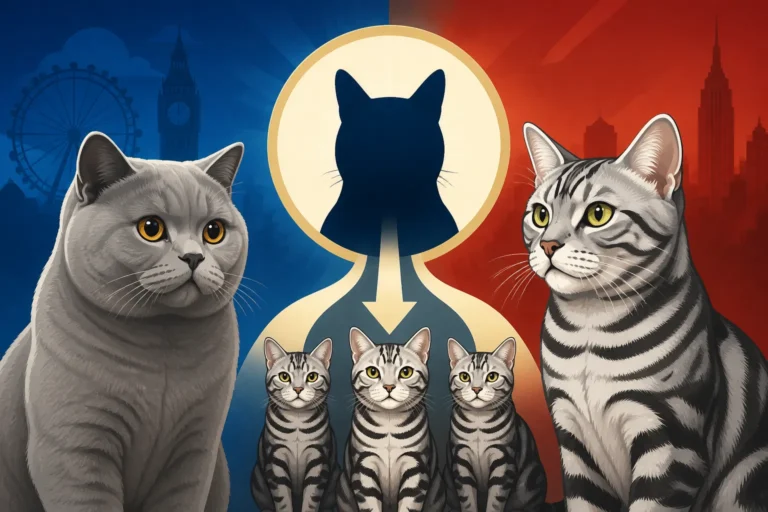
A registered American Shorthair has a documented lineage recognized through the relevant registry. A domestic shorthair may look remarkably similar, but without the required pedigree documentation, it should not automatically be described as an American Shorthair. That does not make the domestic shorthair less lovable, healthy, or deserving of a good home. It simply means the label communicates a different kind of information.
This difference can get blurred in casual descriptions. Someone might call a cat an American Shorthair because it has the classic round face and sturdy body, while a shelter, veterinarian, or adoption listing may use “domestic shorthair” because the cat’s ancestry is unknown. Both descriptions can reflect what the observer sees, but only pedigree documentation supports a confirmed breed claim.
Even DNA results need to be interpreted carefully. A genetic test may offer clues about ancestry or breed-related markers, depending on the test, but it is not a substitute for a registered pedigree when the question is whether a cat is formally a pedigreed American Shorthair. The distinction is discussed further in Whether a Domestic Shorthair and an American Shorthair Differ Genetically and Whether Papers Are the Only Difference an American Shorthair Has.
How to Judge Claims About Famous Advertising Cats
Separate the character from the animal performer
Mascots are designed to be memorable. A cat’s expression, voice-over, costume, or repeated catchphrase can turn an animal into a character that seems consistent across years of advertising. Yet the character’s public identity may not tell you how many cats performed the role, which cat appeared in a particular commercial, or what any one performer’s pedigree was.
When you see a claim that an advertising cat belonged to a specific breed, look for the exact animal being described. Is the claim about the mascot as a fictional character, the first cat used in the campaign, or a later performer? Does the description identify a breeder or registry paperwork, or is it only based on appearance? Those are very different levels of evidence.
This is especially helpful with older campaigns, where photos and brief retellings may circulate without much context. A mascot can be unmistakably famous even when the individual cats behind the role are not well documented. For Morris, the safest language is that he was a well-known orange tabby advertising cat and is generally described as a shelter or domestic shorthair—not that he was conclusively an American Shorthair.
Look for the kind of evidence the claim would require
A reliable breed claim usually needs more than a caption or a fan page. Useful evidence would connect the specific cat to a breeder, pedigree, or recognized registry record. If those details are absent, it is better to describe visible traits—such as “orange tabby” or “short-haired”—than to present a breed as fact.
This is the same caution people need when shopping for a cat. A photo on a breeder page, classified listing, or retailer website can help you see coat color and general appearance, but appearance alone cannot verify lineage. A Chewy product page, for example, may show a cat in an advertisement or list a product for a particular type of cat; it is not documentation of a mascot’s breed or pedigree. The useful habit is to distinguish product imagery from evidence about an individual animal.
If you are evaluating a kitten represented as a pedigreed American Shorthair, ask for the documentation connected to that kitten rather than relying on a resemblance to Morris or another famous cat. The same common-sense rule applies to adoption descriptions: a shelter can accurately describe a cat’s coat and personality without knowing its ancestry. For what breed labels and paperwork can—and cannot—tell you, see What People Get Wrong About the American Shorthair.
Why the distinction matters without turning it into a status contest
It can feel as though calling a famous cat a domestic shorthair diminishes its appeal. It does not. Morris’s fame came from his comic presence and the memorable advertising, not from a confirmed pedigree. A cat does not need a breed certificate to be distinctive, charming, or beloved.
The distinction is useful because breed labels can shape expectations. A person considering an American Shorthair may be looking for a predictable size range, appearance, or family history. Someone adopting a domestic shorthair may have less certainty about ancestry, but can still learn a great deal from the individual cat’s behavior, health records, and needs. Neither situation makes one cat inherently better.
It also helps avoid passing along a small error until it becomes accepted as fact. “Morris was an American Shorthair” sounds tidy and plausible, especially when someone remembers a stocky tabby from a commercial. The more accurate version leaves room for what is known and what is not: Morris was the famous 9Lives cat, generally identified as a shelter or domestic shorthair, and his appearance alone does not establish an American Shorthair pedigree.
Other Advertising Cats and the Limits of Breed Trivia
Familiar mascots are often identified by appearance
Many animal mascots are described by coat color, pattern, or general type rather than by a documented breed. That is practical for an advertisement: viewers recognize the animal instantly, while a formal pedigree is rarely important to the story being told. A white cat, orange tabby, or fluffy longhair can become strongly associated with a product whether or not the campaign ever identifies a breed.
This is why online lists of “famous cats by breed” should be treated with care. They may blend confirmed pedigrees with guesses based on photos. Some entries may use a broad category such as “shorthair” as if it meant American Shorthair, when it may only describe coat length. If you see a claim repeated without details about the individual cat, it may be a convenient label rather than a verified fact.
Retailer marketing can create similar confusion. A cat shown in a food advertisement on Chewy, for instance, may illustrate the product or make a listing feel friendly, but that image should not be read as a breed certification. Treat advertising pictures as illustrations unless the specific animal’s documented identity is part of the claim.
A careful answer is still a satisfying answer
For the question “Which advertising cat was an American Shorthair?”, Morris is the most likely reference, but the answer needs a qualification. He is widely associated with the 9Lives campaign and often gets described as resembling an American Shorthair. The stronger historical description, however, is that he was a shelter or domestic shorthair cat, and his status as a registered American Shorthair is not established.
That may be less neat than naming a breed with certainty, but it is more useful. It tells you who people mean, why they connect him to the breed, and where the evidence stops. When a cat’s famous image is clear but its pedigree is not, separating “looks like” from “is documented as” is the fairest answer—for the history and for the breed itself.
Disclaimer
This article is for general informational purposes only and does not constitute professional advice. Laws, prices and regulations vary by location and change over time. Consult a qualified professional for guidance on your specific situation.