How Much Comes Off an American Shorthair in Spring
If you’re an American Shorthair owner, you’ve probably noticed that as the days get longer and the chill finally leaves the air, so too does a whole lot of your cat’s fur! It can feel like your home is suddenly under a fluffy siege, and you might wonder just how much fur is normal for these wonderful, sturdy cats to shed in the spring. This guide will walk you through what to expect and how to manage the seasonal shedding that comes with the warmer weather.
Understanding the American Shorthair's Seasonal Shedding Cycle
The American Shorthair, a breed known for its robust health and easy-going temperament, comes from a long line of working cats. Their ancestors were bred for utility, not delicate aesthetics, and their coats were designed to protect them from the elements, whether on a ship or in a barn. This heritage means their fur isn't just for looking pretty; it's a functional marvel that responds keenly to environmental changes, particularly the shifting seasons.
Their coat, unlike some of the more elaborate show breeds, is short, dense, and feels rather firm to the touch. It's meant to offer a good barrier against cold and damp, and it does that job remarkably well. What makes it unique is its ability to adapt, growing thicker and more insulating in winter, then shedding out to a lighter layer for the warmer months. You can almost think of it as their built-in climate control system, inherited from centuries of ancestors who had to brave the outdoors.
The Winter Coat and Its Purpose
To fully appreciate spring shedding, you first need to understand the "winter coat." As the days shorten and temperatures drop in late autumn and early winter, an American Shorthair's body naturally responds by growing a denser undercoat. This isn't just about the length of the fur, but its thickness and the number of individual hairs. This plush, insulating layer traps air close to their body, providing excellent warmth against cold winds and chilly nights.
This undercoat is a marvel of natural engineering, effectively turning your American Shorthair into a walking, purring insulator. It allows them to maintain their body temperature efficiently without expending excessive energy, a trait that was incredibly valuable to their working ancestors. While many American Shorthairs today enjoy comfortable indoor lives, this ancient programming remains, ensuring they are always prepared for colder weather, even if the biggest chill they face is from an open refrigerator door. This protective aspect is a key part of The American Shorthair's Coat Was Built for Weather, Not a Judge, showcasing its functional design over purely ornamental qualities.
The Triggers for Spring Shedding
When spring arrives, marked by longer daylight hours and steadily rising temperatures, your American Shorthair’s body receives a clear signal that it’s time to lighten up. The primary trigger for this seasonal shedding is the change in photoperiod—the length of daylight. Cats, like many mammals, are incredibly sensitive to this cue, which affects their hormone production and, consequently, their hair growth cycles.
As the days stretch longer, the hormonal balance shifts, signaling that the dense, insulating winter coat is no longer necessary and, in fact, would be a hindrance in the coming heat. The secondary trigger is the actual increase in ambient temperature. While internal biological clocks driven by light are the main orchestrators, the external warmth reinforces the need to shed that heavy fur. This process is a testament to their adaptability, shedding out the thick undercoat to make way for a lighter, more breathable summer coat. It’s a completely natural, healthy process, even if it means you suddenly find fur everywhere!
How Much Fur to Expect in Spring from Your American Shorthair
Let's get down to the nitty-gritty: just how much fur are we talking about here? If you're new to American Shorthairs or perhaps just haven't paid close attention before, you might be surprised by the sheer volume. Unlike some highly selective breeds that have been bred for minimal shedding, the American Shorthair, with its practical, weather-resistant coat, goes through a significant seasonal "blow."
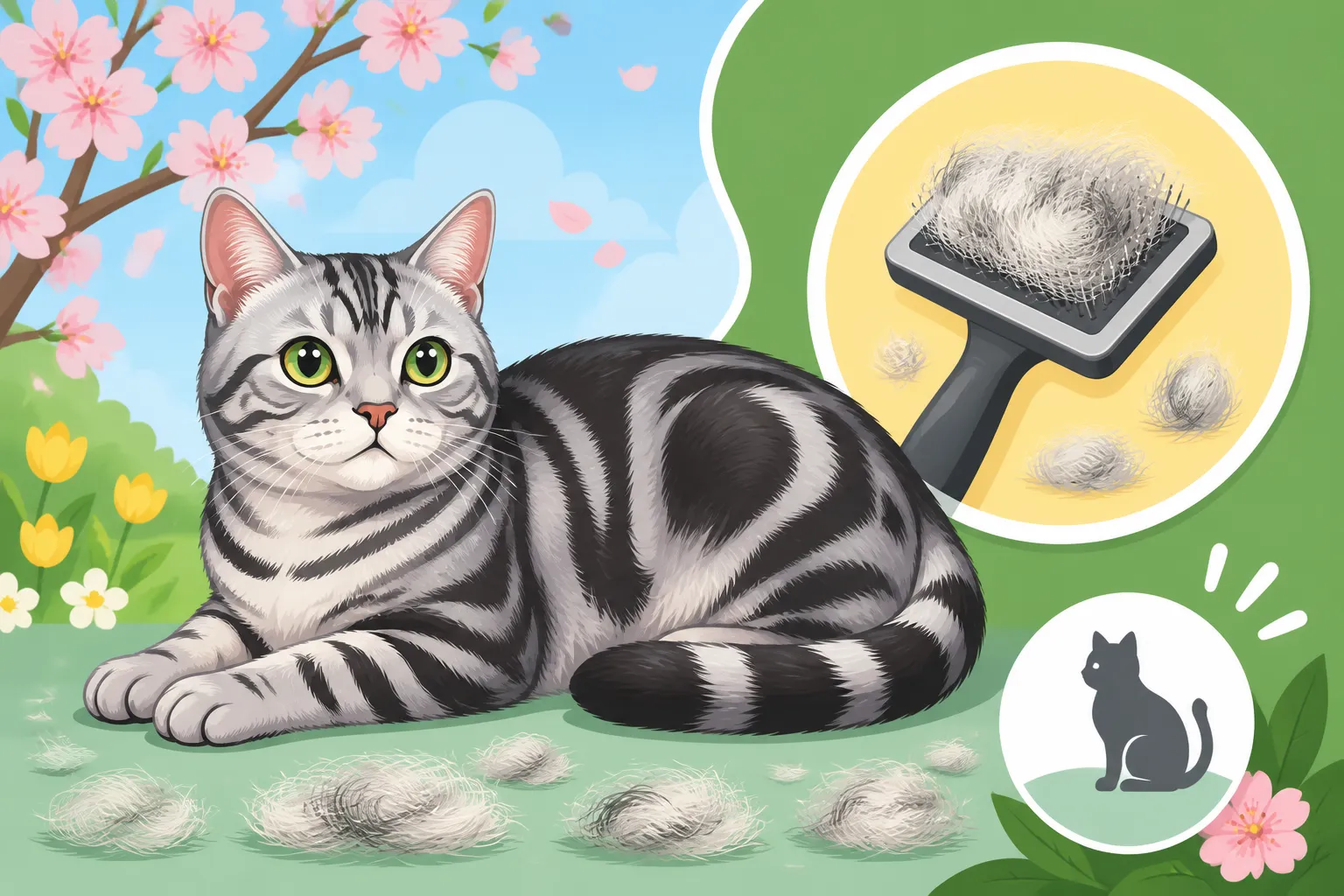
During the peak shedding months of spring (and often again in the fall), you can expect to see a considerable increase in loose fur. This isn't just a few extra hairs on the sofa; we're talking about visible tufts on your carpets, fur "bunnies" accumulating in corners, and perhaps even feeling like you're constantly de-furring yourself. It's not uncommon to brush your American Shorthair and pull off what feels like enough fur to make a small, new cat! This heavy shedding is a normal part of their coat cycle, reflecting their sturdy, natural design. If you've ever wondered How an American Shorthair's Coat Differs From a Random Bred Tabby's, this functional shedding is a key characteristic.
Visualizing the Shed: More Than Just Loose Hairs
When an American Shorthair sheds its winter coat, it's more than just individual hairs gently falling out. You'll often find what cat owners affectionately (or exasperatedly) call "fur tumbleweeds" rolling across your floors, especially in carpeted areas. These are clumps of loose undercoat that have detangled and migrated from their body. You might also spot larger patches of fur clinging to their favorite sleeping spots, like their bed, your couch, or even your clean laundry basket.
The loose fur can be quite noticeable on dark clothing, creating a stark contrast. It's not uncommon to pick up your American Shorthair for a cuddle and suddenly find your shirt covered in a fine dusting of their shed coat. If they groom themselves and then shake, a little cloud of fur might even become airborne. This is all perfectly normal, just a sign that their body is efficiently ridding itself of the old, heavy insulation.
Factors Affecting Shedding Volume
While seasonal changes are the main driver, several factors can influence the exact amount of fur your American Shorthair sheds. No two cats are exactly alike, and what one cat loses, another might not.
First, individual differences play a role. Some American Shorthairs simply have denser coats or shed more vigorously than others, even within the same litter. Genetics can influence coat thickness and shedding patterns. Second, diet and nutrition are incredibly important. A cat receiving a high-quality, balanced diet with adequate protein and essential fatty acids will generally have a healthier coat that sheds appropriately. If your cat's diet is lacking, their fur might become dull, brittle, and shed excessively or poorly, leading to matting. Fresh, human-grade cat food, premium kibble, or wet food can all contribute to a healthier coat.
Third, overall health is a major factor. Underlying health issues, even mild ones, can manifest as changes in coat quality and shedding. If your American Shorthair is ill or experiencing stress, you might notice an abnormal increase or decrease in shedding, or even patchy hair loss. Lastly, an indoor versus outdoor lifestyle makes a difference. Outdoor American Shorthairs tend to have more pronounced seasonal shedding, as they are fully exposed to the natural light cycles and temperature fluctuations. Indoor cats, on the other hand, are exposed to artificial light and consistent indoor temperatures, which can sometimes lead to more continuous, albeit lighter, shedding year-round, with spring still being a noticeable peak. What an Outdoor American Shorthair Brings Home in Its Coat is a good read if you're curious about the specific challenges and differences in care for outdoor cats.
Managing Spring Shedding: Practical Tips for American Shorthair Owners
Dealing with a significant amount of cat fur around the house can be a bit overwhelming, but with the right strategies, you can minimize the impact of your American Shorthair's spring shedding. It's all about proactive care, consistent routines, and choosing the right tools for the job. You're not going to stop shedding entirely – it's a natural process – but you can certainly make it more manageable for both you and your feline companion.
Brushing Routines to Minimize Shedding Impact
This is by far your most powerful tool in the fight against spring fur. Regular, consistent brushing is key to removing loose hairs before they have a chance to land on your furniture, clothes, or become matted on your cat.
During peak shedding season, aim for daily brushing. Even 5-10 minutes a day can make a huge difference. If daily isn't feasible, try for at least 3-4 times a week. The goal is to capture as much loose fur as possible directly from your cat. When it comes to tools, the American Shorthair's dense, hard coat benefits from specific types of brushes. A sturdy slicker brush with fine, wire bristles or a de-shedding tool designed for short-haired breeds can work wonders on their undercoat. Many owners find a metal comb with both fine and wide teeth useful for getting deeper into the coat. You can find a wide variety of these grooming tools on platforms like Amazon or Chewy. For tips on choosing the right one, check out Which Comb Suits an American Shorthair's Hard Coat. Remember that while their short coat rarely mats, getting the loose undercoat out is crucial.
Technique is important too. Always brush gently, in the direction of hair growth. Start with short, light strokes, gradually increasing pressure as your cat becomes comfortable. Pay extra attention to areas where the undercoat is thickest, like around their neck, flanks, and hindquarters. Make brushing a positive experience by offering treats, gentle praise, and choosing a quiet time when your cat is relaxed. This helps build a positive association and makes future grooming sessions easier.
Supporting Coat Health Through Diet and Hydration
What goes into your American Shorthair's body directly impacts the health and quality of their coat. A well-nourished cat will have stronger, healthier fur that sheds more predictably and less excessively, compared to a cat on a poor diet.
High-quality food is paramount. Look for cat foods that list real meat (like chicken, turkey, or fish) as the first ingredient. These provide the essential proteins and amino acids necessary for healthy hair growth. Many premium cat food brands formulate diets specifically for skin and coat health, often including beneficial ingredients. You can explore a variety of cat food options on Chewy.
Consider omega fatty acid supplements. Omega-3 and omega-6 fatty acids are crucial for skin and coat health, helping to keep the skin supple and the fur strong and shiny. If your cat's diet isn't naturally rich in these (many commercial foods are), a vet-approved supplement, often in liquid form that can be added to food, can be incredibly beneficial. Always consult your veterinarian before adding any supplements to your cat's diet.
Finally, hydration plays a vital role. Healthy skin, which supports healthy fur, requires adequate water intake. Ensure your American Shorthair always has access to fresh, clean water. Some cats prefer running water, so a cat fountain might encourage them to drink more. Wet food also contributes significantly to a cat's daily water intake. For more on keeping your feline friend well-hydrated, see How Much Water an American Shorthair Should Drink.
Keeping Your Home (and Yourself) Fur-Free
Even with diligent brushing, some fur will inevitably escape and settle around your home. However, you can take steps to minimize its presence and make cleanup easier.
Frequent vacuuming is essential during shedding season. Invest in a good quality vacuum cleaner with strong suction, preferably one designed to handle pet hair. Focus on areas where your cat spends a lot of time – their favorite napping spots, carpeted areas, and under furniture. You might find yourself vacuuming daily or every other day during the worst of the spring shed.
Lint rollers will become your new best friend! Keep them handy near your doors, by your clothes hamper, and in your car. They are invaluable for quickly de-furring clothes, upholstery, and even curtains. You can buy multi-packs on Amazon that will last you through the shedding season. For furniture, a damp cloth or a specialized pet hair remover tool can also work wonders to pick up loose strands.
Consider furniture covers or designated "cat zones." If you have a favorite armchair that your American Shorthair loves, consider draping it with a washable blanket or a specific furniture cover. This provides an easily removable and washable barrier against fur. Creating designated, comfortable sleeping areas for your cat – with their own washable beds – can also help contain the fur to specific spots, making cleanup more targeted. Lastly, air purifiers can help capture airborne pet dander and loose fur, improving indoor air quality and reducing the amount of fur that settles on surfaces.
Common Misconceptions and When to Worry About Shedding
It's easy to jump to conclusions when you see a lot of fur, but it's important to differentiate normal, healthy shedding from something that might indicate an underlying problem. The American Shorthair is generally a very healthy breed, but even the healthiest cats can sometimes develop issues that manifest in their coat.
Shedding Myths and Realities
There are a few persistent myths about cat shedding that often cause unnecessary worry or lead to ineffective solutions. Let's clear some of them up:
One common misconception is that "shorthairs don't shed much." While it's true that a short-haired cat might not produce the same visible clumps of fur as a long-haired Persian, they absolutely do shed, and often quite a lot, especially American Shorthairs with their dense undercoats. All cats shed to some degree as part of their natural hair growth cycle; it's a vital process for maintaining skin and coat health.
Another myth is that "bathing stops shedding." While a bath can help remove some loose hair in the tub, it won't prevent future shedding. For an American Shorthair's specific coat type, frequent bathing can actually strip natural oils, leading to dry skin and potentially more shedding or skin irritation. Why an American Shorthair Rarely Needs a Bath elaborates on this point, explaining that their coat is largely self-cleaning.
Finally, the idea that "diet alone solves shedding" is an oversimplification. While an excellent diet is crucial for a healthy coat, it's one piece of a larger puzzle. Environmental factors, genetics, and grooming routines all play a significant role. A good diet optimizes coat health, but it won't eliminate normal seasonal shedding entirely. Think of it as supporting, not replacing, the natural process.
Signs That Shedding Might Indicate a Problem
While significant spring shedding is normal for an American Shorthair, there are definite signs that the shedding might be indicative of a health issue and warrant a vet visit. It's always better to be safe than sorry when it comes to your pet's health.
Keep an eye out for excessive or patchy hair loss. If you notice bald spots, thinning patches, or areas where the fur seems to be coming out in large clumps outside of typical seasonal shedding, this is a red flag. This can be a sign of parasites (like fleas, mites, or ringworm), allergies, hormonal imbalances, or even stress.
Look for skin irritation, redness, or scabs. If the skin underneath the shedding fur appears inflamed, itchy, scaly, or has any lesions, it's a clear indication that something is wrong. Healthy shedding should not be accompanied by skin discomfort. You might also notice your cat excessively licking, scratching, or chewing at certain spots.
Any changes in coat texture are also a reason for concern. If your American Shorthair's usually dense, hard coat becomes dull, brittle, greasy, or matted (which is rare for them), it could signal a nutritional deficiency or an underlying health problem. A healthy coat should feel clean and resilient.
Finally, pay attention if the shedding is accompanied by other symptoms. If your cat seems lethargic, has a reduced appetite, experiences vomiting or diarrhea, or shows any behavioral changes alongside the excessive shedding, these are all strong indicators that a trip to the veterinarian is needed. These combined signs can point to a range of issues, from organ problems to infections. While American Shorthairs are generally hardy, even a stoic cat can hide discomfort, so vigilance is key. It's good practice to understand What an Untested American Shorthair Usually Dies Of in general, as it can help you spot early signs of various illnesses.
Regular veterinary check-ups are also crucial, as your vet can often spot subtle changes in your cat's coat or skin before they become obvious problems. They can also offer advice on specific dietary supplements or grooming routines tailored to your cat's individual needs.
| Shedding Characteristic | Normal Spring Shedding | Potential Problem (Vet Needed) |
|---|---|---|
| Amount of Fur | Significantly increased, noticeable tufts, fur tumbleweeds | Excessive, sudden, or patchy hair loss; bald spots |
| Skin Appearance | Healthy, clear, no redness or irritation | Redness, inflammation, scabs, rashes, dry flakes |
| Coat Texture | Retains normal density (but lighter for summer), healthy sheen | Dull, brittle, greasy, matted (unusual for ASH), uneven |
| Cat Behavior | Normal activity, appetite, self-grooming | Excessive licking/scratching, lethargy, changes in appetite, withdrawal |
| Duration | Typically 4-8 weeks, corresponding with seasonal change | Prolonged or year-round excessive shedding without clear seasonal link |
Disclaimer
This article is for general informational purposes only and does not constitute professional advice. Laws, prices and regulations vary by location and change over time. Consult a qualified professional for guidance on your specific situation.