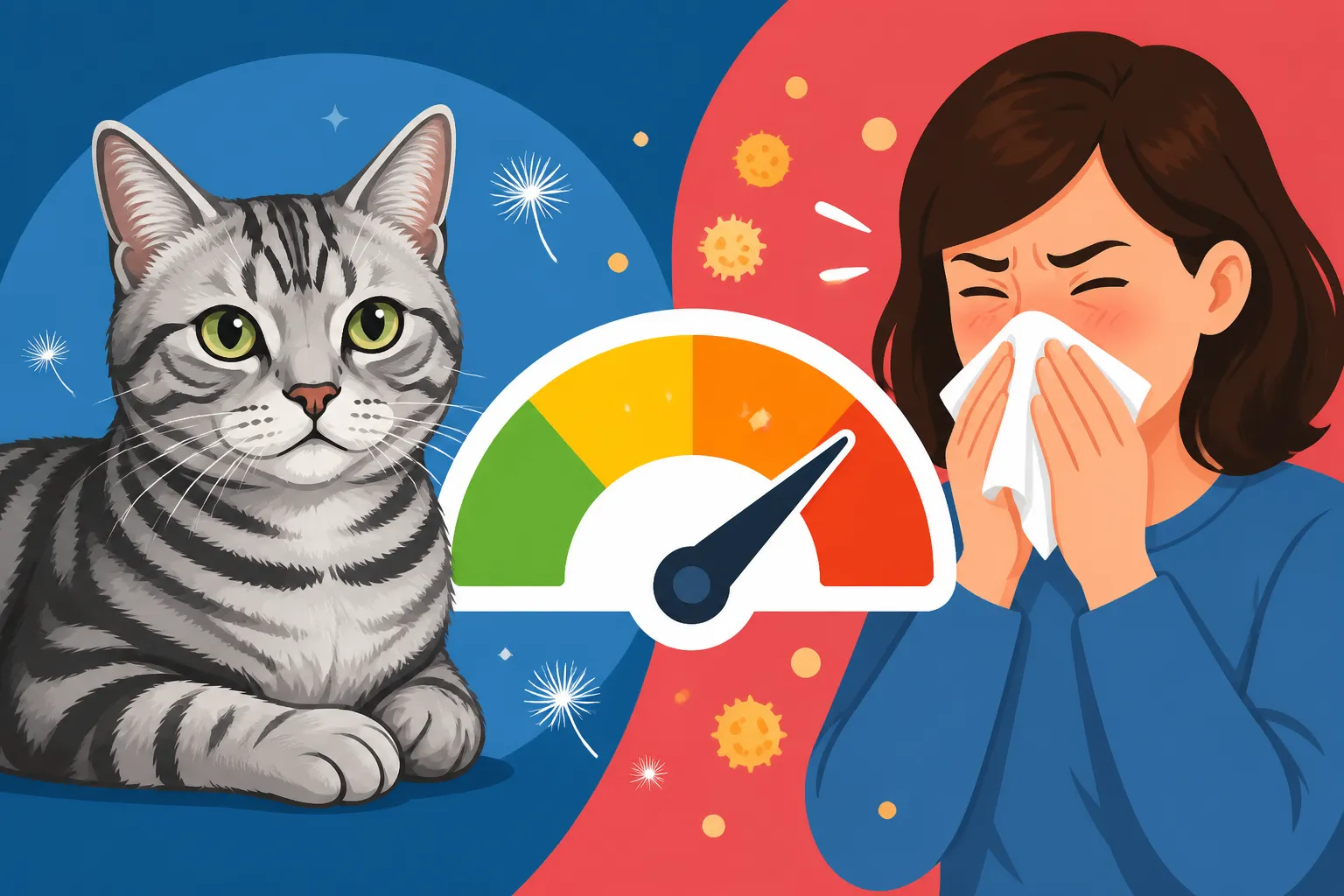
How Much an American Shorthair Sets Off Allergies
It's a common, heartbreaking scenario: you adore cats, but your eyes start watering, your nose runs, and that familiar itch creeps up shortly after a furry friend enters the room. Many people, understandably, cling to the hope of finding a "hypoallergenic" cat breed, a magical feline that won't trigger their allergies. For American Shorthair lovers, the question often arises: just how much does an American Shorthair set off allergies? Let's dive deep into the reality of cat allergies and what it means for owning one of these wonderful, robust cats.
Unpacking Cat Allergies: It's Not About the Fur, It's About the Protein
First, we need to clear up a major misconception: cat allergies aren't actually caused by the cat's fur itself. It’s not the individual hairs floating through the air that are the primary culprits, although they can carry the real allergens. The true source of allergic reactions is a specific protein, most notably Fel d 1, which is found in a cat's saliva, dander (flakes of dead skin), and urine.
Every single cat, regardless of its breed, hair length, or how much it sheds, produces this protein. When a cat grooms itself, it deposits Fel d 1-laden saliva onto its fur. As the saliva dries, the protein becomes airborne along with shed hair and microscopic dander, spreading throughout your home. These tiny particles are incredibly light and can stay suspended in the air for hours, settling on furniture, carpets, and even your clothes. This is why you can react to a cat even if it's not directly on your lap. It's a pervasive protein, and it loves to stick around.
You might have heard whispers about certain breeds being "hypoallergenic," but the truth is, there's no such thing as a truly non-allergenic cat. Some breeds might produce less of the Fel d 1 protein, or their coat type might release less dander into the environment, but none are completely free of it. It's a spectrum, not an on/off switch.
The American Shorthair and Allergen Production
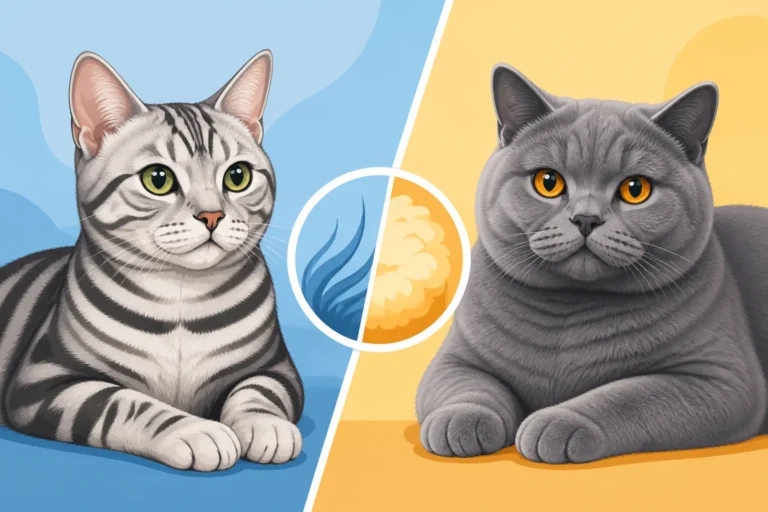
So, where does the American Shorthair stand in all of this? Unfortunately for allergy sufferers, the American Shorthair is not considered a low-allergen breed. They produce Fel d 1 protein just like any other cat. Their short, dense coat, while lovely and low-maintenance in terms of tangles, still sheds dander. In fact, their coat is designed for practicality and weather protection, not necessarily for minimizing allergen spread. How Dense an American Shorthair's Coat Is certainly highlights its functional nature, which means it’s built to hold up, not necessarily to be "allergy-friendly."
During their regular grooming, which American Shorthairs are quite adept at – How Much Time an American Shorthair Spends Grooming Itself will tell you they're meticulous – they distribute those allergenic proteins over their entire body. As they move through your home, rub against furniture, and, yes, shed their fur, these proteins are released into your environment. While their short fur might mean less visible hair tumbleweeds compared to, say, a Maine Coon, the microscopic dander and dried saliva particles are still very much present and airborne.
American Shorthairs shed their coats seasonally, often "blowing" their undercoat twice a year. An American Shorthair Sheds Twice a Year and Asks Nothing Else means you'll experience periods of heavier shedding, typically in spring and fall. During these times, the amount of dander and hair released into your home will increase, potentially making allergy symptoms worse. It's a natural process, and while a good brushing routine helps, it doesn't eliminate the core issue of allergen production.
The good news is that every person's sensitivity to Fel d 1 is different, and some individuals might find they react less severely to certain individual cats, even within the same breed. This isn't because the cat is "hypoallergenic," but often due to varying levels of protein production between individual felines. However, relying on this variability for an American Shorthair is a gamble for someone with known cat allergies.
Practical Strategies for Living with an American Shorthair if You Have Allergies
If your heart is set on an American Shorthair despite your allergies, or if you already share your home with one, don't despair! There are many effective strategies you can implement to significantly reduce allergen levels in your home and manage your symptoms. It requires diligence and a multi-pronged approach, but it's absolutely achievable for many.
Grooming Your American Shorthair to Minimize Dander
Regular grooming is your first line of defense. While an American Shorthair handles much of its own grooming, helping them out can make a big difference for your allergies. Aim for weekly, or even twice-weekly, brushing sessions. Using a fine-toothed comb or a specialized deshedding tool can help remove loose hair and dander before it spreads. How Often an American Shorthair Should Actually Be Combed is more often than you might think if allergies are a concern.
Consider having a non-allergic family member or friend do the brushing, or wear a mask yourself if you're sensitive. Brushing should ideally be done outdoors to prevent the allergens from entering your home's air circulation. If outdoors isn't an option, do it in an easily cleaned space, like a tiled bathroom, and vacuum immediately afterward.
Bathing can also help, though many cats, American Shorthairs included, aren't keen on it. A monthly bath with a cat-safe shampoo designed to reduce dander can be very effective. This isn't about scrubbing them clean for appearance, but rather rinsing away those sticky proteins. Just be prepared for a potential struggle, as How to Bathe an American Shorthair That Objects can be a real adventure!
Environmental Control: Creating an Allergen-Reduced Zone
Your home environment plays a massive role in allergy management. Think of your home as a series of zones, some more critical than others for allergen control.
- Bedroom Boundary: Your bedroom should be a cat-free sanctuary. This means no cat on the bed, no cat sleeping in your room, ever. This gives your body a place to recover overnight from allergen exposure.
- HEPA Filters are Your Friends: Invest in high-quality air purifiers with true HEPA filters for main living areas and especially your bedroom. These devices constantly filter airborne allergens, dramatically reducing the concentration of Fel d 1 particles. You can find excellent models on platforms like Amazon.
- Vacuum with Vigor: Regular vacuuming is crucial. Use a vacuum cleaner equipped with a HEPA filter to trap allergens, rather than just recirculating them. Focus on carpets, rugs, and upholstery where dander can accumulate. Vacuum at least twice a week, more often during peak shedding seasons like spring when How Much Comes Off an American Shorthair in Spring.
- Wash Soft Furnishings: Frequently wash bedding, throw blankets, and cushion covers in hot water to remove embedded allergens. Consider using allergen-proof covers on pillows and mattresses.
- Hard Surfaces Rule: If possible, opt for hard flooring (wood, tile, laminate) over carpets, as carpets are notorious traps for dander. If you have carpets, steam cleaning them periodically can help.
- Clean Surfaces Regularly: Wipe down all hard surfaces like tables, shelves, and countertops with a damp cloth. This picks up settled dander rather than just pushing it around.
- Litter Box Location and Maintenance: Keep the litter box in a well-ventilated area away from main living spaces. Clean it daily, and consider using low-dust litter. The act of a cat digging and covering can aerosolize urine proteins and dander, so quick and thorough cleaning is key.
Diet and Overall Health for Reduced Dander
A healthy cat generally has healthier skin and coat, which can translate to less flaky dander. Ensure your American Shorthair is on a high-quality diet appropriate for its age and activity level. Reputable high-protein, nutritionally complete cat foods can support skin health.
Hydration is also important. Ensure your cat always has access to fresh, clean water. Good hydration contributes to overall skin health and can indirectly help reduce dry, flaky dander. While diet won't eliminate allergen production, it can certainly optimize their coat condition. How Much a Working Framed American Shorthair Should Eat for optimum health is a good reference to ensure they aren't over or underfed, both of which can impact coat quality.
Personal Hygiene Habits for Allergy Sufferers
Your own habits can also make a significant difference in managing your allergies.
- Wash Your Hands: After petting or interacting with your American Shorthair, always wash your hands thoroughly with soap and water. Avoid touching your face, especially your eyes and nose, until you've done so.
- Change Clothes: If you've had a particularly cuddly session with your cat, consider changing your clothes to remove any accumulated dander before sitting on furniture or going into your allergen-free bedroom.
- Shower Before Bed: If your allergies are severe, showering before bed can wash away allergens from your hair and skin, preventing them from transferring to your pillow and exacerbating nighttime symptoms.
Realistic Expectations and Testing the Waters
It's vital to have realistic expectations. No American Shorthair, or any cat, will be truly "hypoallergenic." These strategies are about management and reduction of allergens, not eradication. The success of these measures will depend on the severity of your allergy, your dedication to the routine, and even the individual cat's allergen production levels.
Before bringing an American Shorthair home, especially if you have known cat allergies, it's highly recommended to spend extended time with one. Visit a reputable breeder or shelter that has American Shorthairs and see how you react. Ask if you can spend an hour or two in a room with a few cats, perhaps even handling one. This "trial run" can give you a much better indication of your specific reaction than simply reading about breeds online. Even better, if you know someone with an American Shorthair, try spending time at their home.
For those with mild to moderate allergies, a combination of these environmental controls and potentially over-the-counter antihistamines or nasal sprays can make living comfortably with an American Shorthair a reality. Consulting with an allergist is always a wise step to discuss medication options and further strategies tailored to your specific needs. The joy of sharing your life with an American Shorthair, known for its calm temperament and affectionate nature, can be immense, and for many, it's worth the effort of diligent allergy management.
| Strategy | Impact on Allergens | Frequency | Key Considerations |
|---|---|---|---|
| Regular Brushing | Removes loose dander and hair | 2-3 times per week | Do outdoors or in easy-to-clean area; use appropriate brush. Which Comb Suits an American Shorthair's Hard Coat |
| Bathing | Washes away Fel d 1 proteins from coat | Monthly | Use cat-safe shampoo; may be challenging for cat; have all supplies ready. |
| HEPA Air Purifiers | Filters airborne allergens | Continuous | Place in main living areas and bedroom; regularly change filters (check Amazon). |
| HEPA Vacuuming | Removes settled dander from surfaces | 2-3 times per week | Focus on carpets, upholstery; empty canister outdoors. |
| Washing Fabrics | Removes embedded allergens | Weekly (bedding) / Monthly (others) | Use hot water for maximum effectiveness. |
| Designated Cat-Free Zones | Provides allergen-free respite | Always | Crucial for bedrooms; maintain strict boundaries. |
| Litter Box Maintenance | Reduces aerosolized urine proteins/dander | Daily scooping / Weekly full change | Place in ventilated area; use low-dust litter. |
| Personal Hygiene | Prevents allergen transfer | After petting / Before bed | Wash hands, change clothes, shower before sleeping. |
| High-Quality Diet | Supports healthy skin and coat | Daily | Consult vet for best food options; some brands may offer tailored nutrition. |
Disclaimer
This article is for general informational purposes only and does not constitute professional advice. Laws, prices and regulations vary by location and change over time. Consult a qualified professional for guidance on your specific situation.