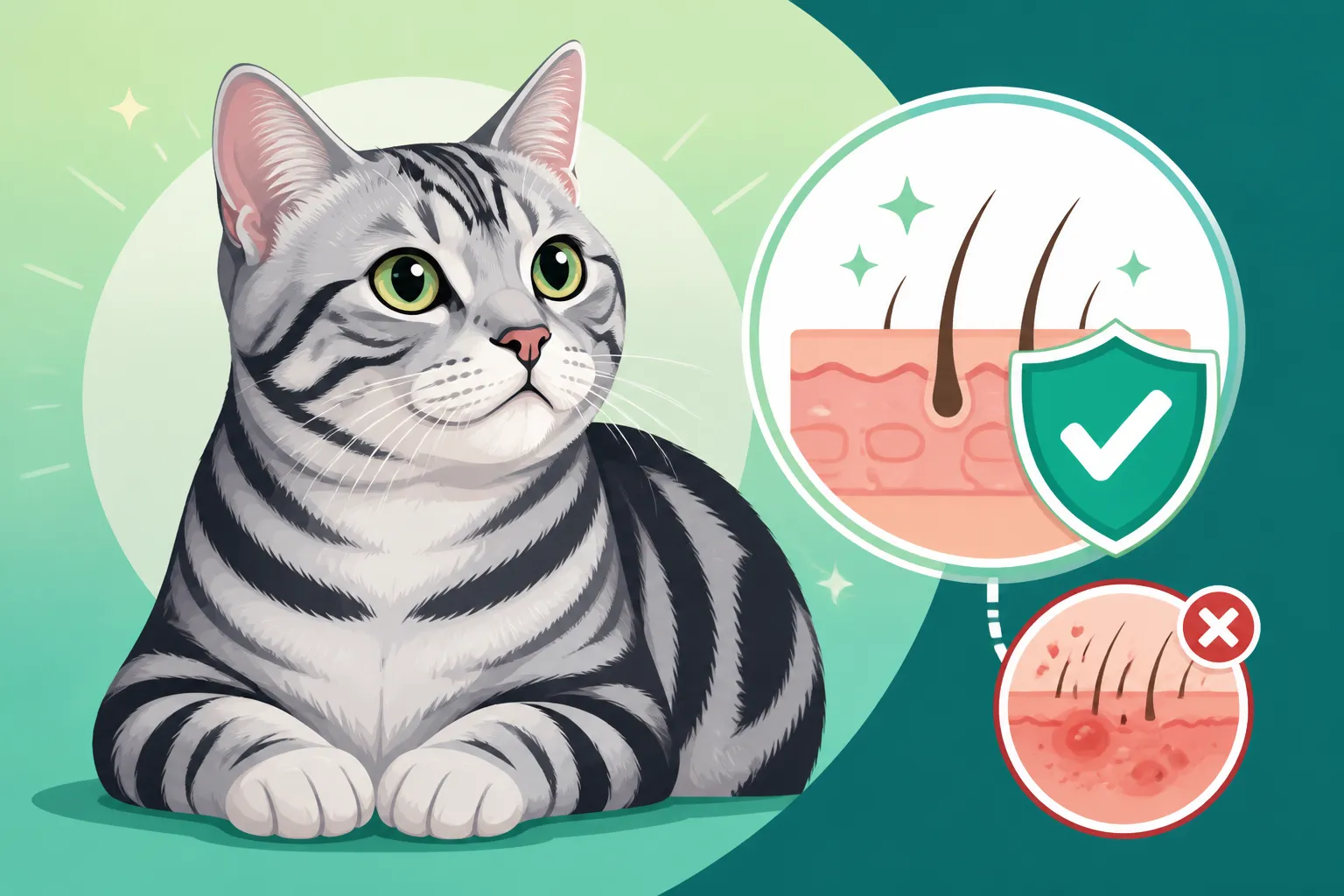
How Rarely an American Shorthair Gets a Skin Complaint
It’s a common worry for cat parents: that persistent scratching, the sudden bald patch, or the irritation that just won’t go away. We all want our feline friends to be comfortable in their own skin, literally. While many cat breeds seem prone to a myriad of skin issues, from allergies to mysterious rashes, American Shorthairs often stand apart due to their remarkable resilience. This guide will delve into why these wonderful cats are so rarely plagued by skin complaints and what you can do to ensure their continued epidermal health.
The American Shorthair's Natural Skin Resilience
If you've ever owned an American Shorthair, you might have noticed they tend to be pretty low-maintenance when it comes to their coat and skin. They just seem… sturdy. This isn't by accident; it's a testament to their heritage as a working breed, where survival and self-sufficiency were paramount. Their skin and coat developed to withstand various environmental challenges without human intervention, leading to a naturally robust system that resists many common feline dermatological problems.
Inherited Robustness of Their Coat
The American Shorthair’s coat isn't just for looks; it’s a functional piece of equipment, honed over centuries. Unlike some highly specialized breeds with exaggerated coats, the American Shorthair possesses a short, dense, and even texture that repels water and provides excellent insulation against both cold and heat. This hardy outer layer, combined with a softer undercoat, acts as a natural barrier, protecting the skin beneath from minor scrapes, bug bites, and environmental irritants. The structure of their guard hairs is particularly noteworthy; they are stiff and resilient, which helps prevent matting and allows the coat to shed efficiently, reducing the likelihood of trapped debris or excessive moisture that can lead to skin issues.
Their self-grooming habits are also incredibly efficient. An American Shorthair grooms itself better than you can, keeping its coat clean and free of loose hair. This consistent self-maintenance minimizes the buildup of dander and allergens on their skin, contributing significantly to their overall skin health. They don't typically require extensive brushing beyond seasonal shedding periods, as their natural grooming takes care of most needs. If you're curious about their unique coat, you might find it interesting to learn more about What Makes an American Shorthair's Coat Hard Rather Than Soft.
Minimal Genetic Predispositions to Skin Conditions
One of the most comforting aspects of owning an American Shorthair is their generally low predisposition to hereditary health issues, especially those affecting the skin. Many purebred cats, due to selective breeding for extreme traits, can unfortunately inherit genetic conditions that manifest as chronic skin problems, such as certain types of dermatitis or sensitivities. The American Shorthair, however, is often considered the "control group" of cat breeding, meaning they’ve largely retained the robust health of their landrace ancestors.
This breed’s extensive and open gene pool, which was historically refreshed by allowing random-bred cats into the registry, has helped safeguard them against the accumulation of deleterious genes. Consequently, you'll rarely hear about breed-specific skin diseases being a significant concern for American Shorthairs, unlike some other breeds that might struggle with conditions like polycystic kidney disease (PKD) or various forms of ichthyosis. This genetic stability is a major factor in why you'll find them mentioned in discussions about Why the American Shorthair Is Used as a Health Benchmark.
Common Skin Issues Cats Face (and How American Shorthairs Often Dodge Them)
While American Shorthairs are generally hardy, it's helpful to understand the kinds of skin problems that commonly affect other cats to truly appreciate their relative rarity in this breed. Knowing what to look for can also help you identify the rare instances when your own American Shorthair might be experiencing a problem.
Allergies and Environmental Triggers
Allergic reactions are a huge category of skin complaints in cats. These can manifest as intense itching, redness, bumps, scabs, and even hair loss in affected areas. The most common culprits include flea allergy dermatitis, environmental allergies (atopy) to things like pollen, dust mites, or mold, and food allergies.
- Flea Allergy Dermatitis (FAD): This is by far the most common allergic skin disease in cats. Even a single flea bite can trigger a severe reaction in hypersensitive cats, leading to widespread itching, particularly around the base of the tail, hind legs, and abdomen. While an American Shorthair can certainly get fleas, their naturally dense coat offers a bit more protection against continuous exposure, and their robust immune systems seem less prone to the extreme, chronic reactions seen in some other breeds. Regular parasite control, as discussed in How Often an Outdoor American Shorthair Needs Flea Treatment, remains crucial regardless of breed.
- Environmental Allergies (Atopy): These are reactions to airborne allergens. Cats with atopy might excessively groom, develop skin inflammation, or experience recurrent ear infections, which are often linked to skin irritation. Happily, it's quite rare for an American Shorthair to develop asthma or generalized environmental allergies that lead to chronic skin issues. Their pragmatic evolution means they weren't selected for sensitivities that would hinder their survival in varied environments.
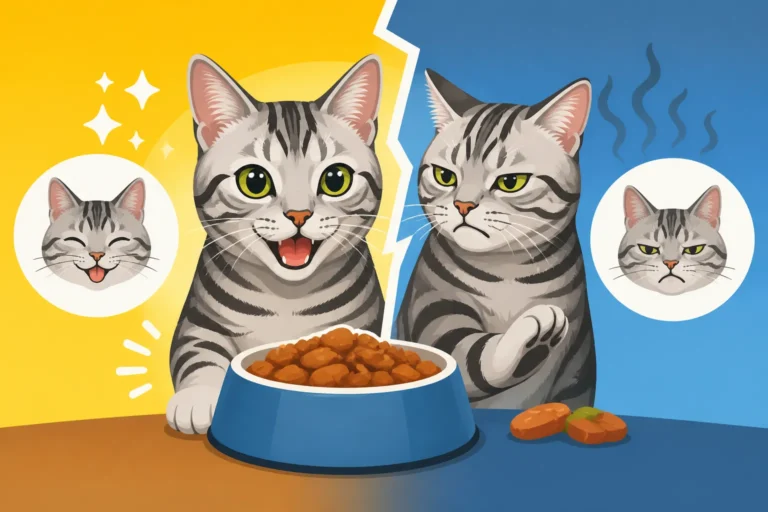
- Food Allergies: These occur when a cat's immune system reacts adversely to certain proteins in their diet. Symptoms often include intense itching, skin lesions, and sometimes gastrointestinal upset. While any cat can develop a food allergy, it's generally less common in American Shorthairs. However, if you notice consistent skin issues, especially around the face, neck, or ears, after a change in diet, it's worth considering. You can find more information about How Often an American Shorthair Reacts to a Food to better understand this potential, albeit rare, scenario.
Parasites and Fungal Infections
Beyond fleas, other unwelcome guests can cause skin distress. Mites, such as ear mites or Sarcoptic mites (which cause sarcoptic mange), can lead to severe itching, crusting, and hair loss. Fungal infections like ringworm are also a common concern, especially in multi-cat households or environments where hygiene is challenging.
- Mites: Ear mites are quite common, especially in kittens or cats with outdoor access, leading to itchy, dirty ears. While an American Shorthair can get ear mites, their generally clean and well-maintained ears mean that severe, chronic infections are rare. As for skin mites, like those causing mange, these are also less common due to their healthy immune system and protective coat. If you ever need to clean their ears, it's important to know How Rarely an American Shorthair Gets an Ear Infection, which further highlights their natural defenses.
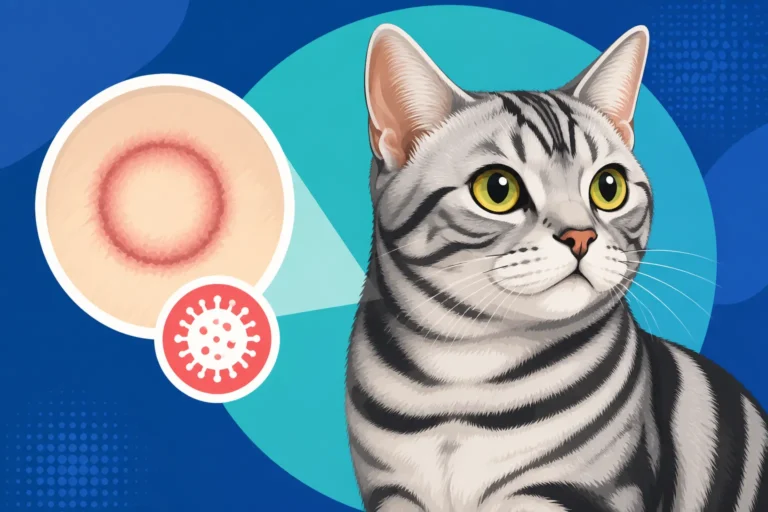
- Ringworm (Dermatophytosis): Despite its name, ringworm is a fungal infection, not a worm. It causes circular patches of hair loss, scaly skin, and sometimes redness and itching. It's highly contagious and can be a nuisance to clear up. Given their short, dense coat, you might wonder Whether Ringworm Is a Risk in a Short Coated American Shorthair. While no cat is completely immune, the American Shorthair's robust skin and efficient self-grooming often mean they are less likely to develop severe or widespread ringworm infections compared to breeds with longer or less resilient coats. Prompt detection and treatment are key if it does occur.
The rarity of these complaints makes the American Shorthair a fantastic choice for owners who prefer less intensive grooming and vet visits for dermatological issues.
Maintaining Optimal Skin Health in Your American Shorthair
Even though American Shorthairs are champions of healthy skin, a little proactive care goes a long way. Ensuring their environment, diet, and general well-being are in top shape will bolster their natural defenses and keep their skin and coat looking pristine.
Routine Care and Observation
Regular, gentle handling and observation are your best tools for early detection of any issues. While your American Shorthair probably doesn't need much in the way of complicated grooming, taking a few minutes each week to pet them thoroughly, feeling for any bumps, scabs, or rough patches, is incredibly beneficial. Pay attention to areas like their chin (where feline acne can sometimes appear, though it's rare), their armpits, groin, and around the tail. Their dense coat, while protective, can sometimes hide subtle changes, so a tactile inspection is key.
You might also notice when your cat is shedding. An American Shorthair sheds twice a year and asks nothing else, so a bit of extra combing during those times can help remove loose hair, which in turn reduces the chances of ingrown hairs or irritation. A simple rubber brush or a fine-toothed comb is usually all you need. You don't need to overdo it, as their coat is generally self-managing. If you're concerned about Whether an American Shorthair Gets Feline Acne, regular light inspection of the chin area can help. Any persistent scratching, licking, or biting at specific spots should always prompt a closer look.
Dietary and Lifestyle Factors
Nutrition plays a pivotal role in skin and coat health for any cat, and the American Shorthair is no exception. A high-quality diet rich in omega-3 and omega-6 fatty acids can contribute to a healthy skin barrier and a shiny coat. Look for cat foods with good protein sources and a balanced nutrient profile. Avoid cheap fillers that offer little nutritional value. Adequate hydration is also essential for skin elasticity and overall health, so ensure your cat always has access to fresh, clean water. Some American Shorthairs might prefer a running water fountain, which can encourage them to drink more. Learning How Much Water Keeps an American Shorthair's Bladder Clear is not just good for urinary health, but for general bodily functions that support skin integrity.
When it comes to lifestyle, consider your cat’s environment. While some American Shorthairs enjoy supervised outdoor time, an indoor lifestyle generally reduces exposure to external parasites, allergens, and injuries that could lead to skin problems. If your American Shorthair does go outside, consistent flea and tick prevention is non-negotiable. Even for indoor cats, these treatments are often recommended, as parasites can hitch a ride into your home on other pets or even your clothes. Remember, prevention is always easier than treatment when it comes to parasites and their associated skin complaints.
| Skin Condition | Common in Other Breeds | Rarity in American Shorthairs | Key Prevention |
|---|---|---|---|
| Flea Allergy Dermatitis | High | Low to Moderate | Consistent flea prevention, indoor living |
| Environmental Allergies | Moderate | Low | Minimal exposure to known allergens, good air quality |
| Food Allergies | Moderate | Low | High-quality, consistent diet; novel proteins if needed |
| Ear Mites | Moderate | Low | Regular ear checks, indoor living, parasite control |
| Ringworm | Moderate | Low | Good hygiene, avoid exposure, minimal stress |
| Feline Acne | Low to Moderate | Very Low | Clean food bowls, chin checks |
When to Seek Veterinary Attention
Despite their natural resilience, no cat is completely immune to health issues. If you notice any persistent or concerning changes in your American Shorthair's skin or coat, it's always best to consult your veterinarian. Don't wait until a small problem becomes a big one.
Recognizing Red Flags
There are several signs that indicate it's time to call the vet for a skin complaint:
- Excessive scratching, licking, or biting: If your cat is constantly preoccupied with a specific area, it's a clear sign of irritation or pain.
- Hair loss (alopecia): Patchy or generalized hair loss, especially if accompanied by redness or scabbing.
- Redness, swelling, or inflammation: Any areas of skin that look irritated, hot, or swollen.
- Scabs, crusts, or flaky skin: These can indicate infection, parasites, or allergic reactions.
- Pus or discharge: Especially from open sores or wounds.
- Changes in skin texture: Skin that feels greasy, abnormally dry, or thickened.
- Odor: An unusual or foul smell coming from the skin or coat.
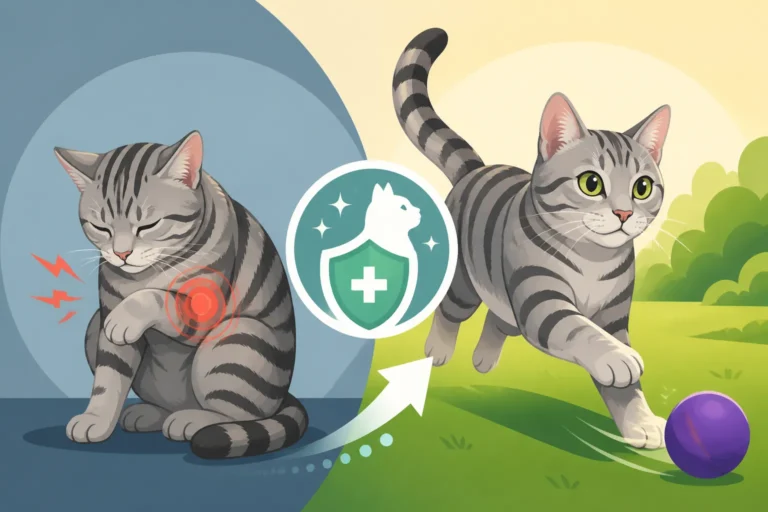
Remember that American Shorthairs are often stoic, thanks to their working cat heritage. They might not show pain or discomfort as overtly as some other breeds, so subtle changes can be significant. Even a slight increase in grooming or a change in their resting posture could indicate discomfort. For an older cat, keeping an eye on their overall health, as detailed in Caring for an American Shorthair Past Twelve, can help you notice any emergent skin issues.
The Importance of Early Intervention
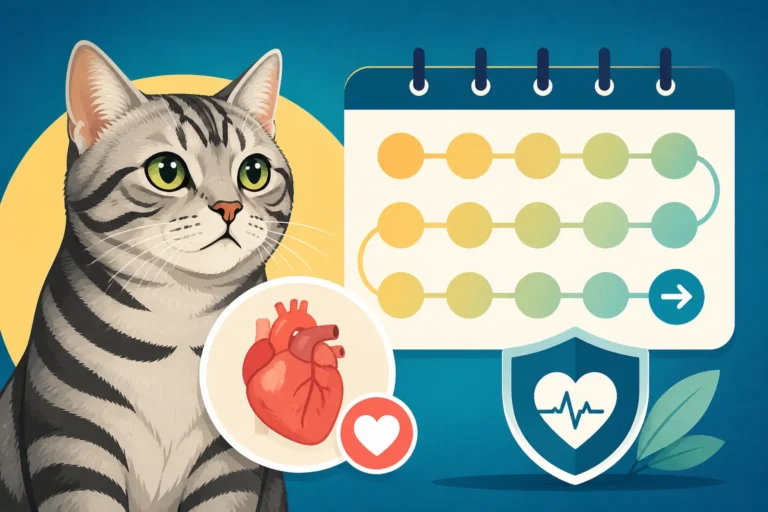
Catching skin issues early is crucial for several reasons. Firstly, it prevents discomfort and pain for your cat. What might start as a minor itch can quickly escalate into a secondary bacterial infection if the skin barrier is compromised by constant scratching. Secondly, early diagnosis can simplify treatment, potentially preventing more invasive or prolonged therapies. A quick vet visit can identify if the problem is a simple flea infestation, a minor irritation, or something that requires specific medication or a diet change.
Having a reliable pet insurance plan, like one from Healthy Paws, can provide immense peace of mind when facing unexpected vet visits for diagnostics or treatments. Even for a generally healthy breed like the American Shorthair, unforeseen issues can arise, and knowing you’re covered allows you to make decisions based on what’s best for your cat, not just your wallet. When your vet recommends tests or treatments for a skin condition, being prepared with a solid insurance plan can make a world of difference. Your veterinarian can perform tests such as skin scrapings, fungal cultures, or allergy tests to pinpoint the exact cause of the problem and recommend the most effective course of action. They can also offer advice on preventative measures or specialized diets if needed.
Disclaimer
This article is for general informational purposes only and does not constitute professional advice. Laws, prices and regulations vary by location and change over time. Consult a qualified professional for guidance on your specific situation.