How Fast an American Shorthair Learns Its Name
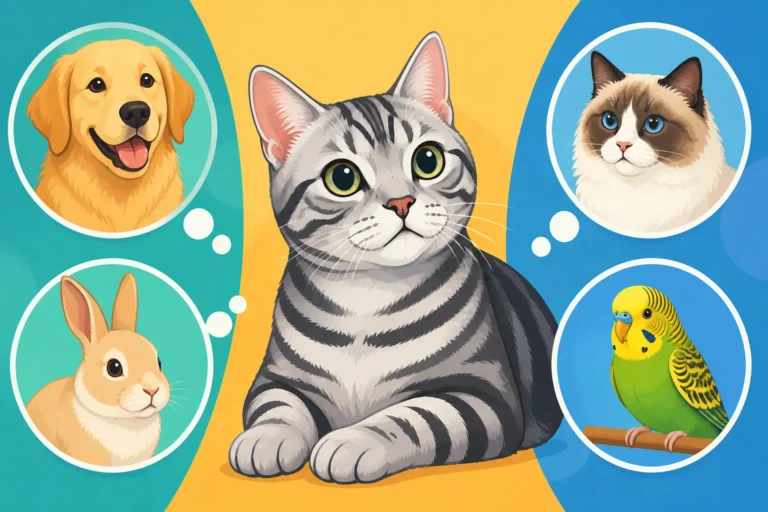
It’s a common scenario for cat parents: you call your beloved feline by name, and they just… stare. Or perhaps they flick an ear, then go right back to their nap, leaving you wondering if they even know you're talking to them. When it comes to American Shorthairs, their stoic and often independent nature can make it seem like they’re particularly slow to pick up on their names, but that’s often a misunderstanding of their inherent intelligence and unique motivations. This comprehensive guide will delve into how fast an American Shorthair learns its name, exploring the nuances of their learning process and offering practical strategies to help your feline friend not just recognize, but also respond, to their special moniker.
The American Shorthair's Unique Learning Style
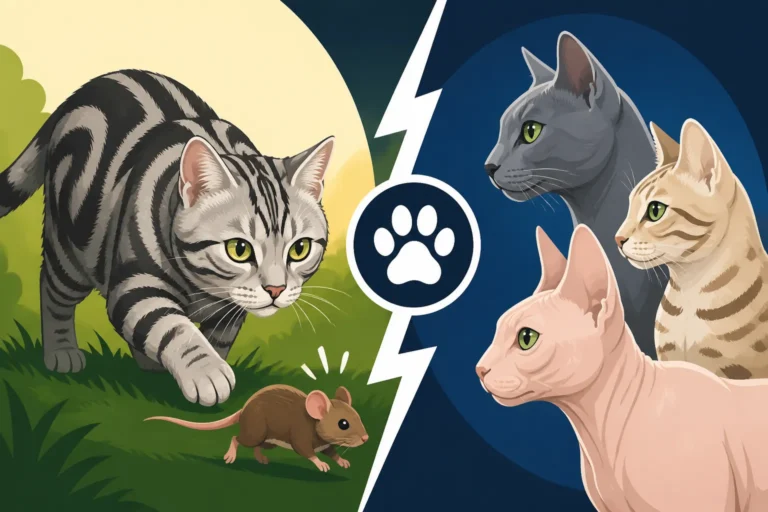
American Shorthairs are a breed with a long history rooted in practicality. They weren't bred primarily for companionship or show-stopping looks in the beginning, but rather for their formidable mousing skills and self-sufficiency. This background has gifted them with a keen intelligence and an independent spirit that influences how they interact with their human companions, including how they learn. They observe, they assess, and they decide if an interaction is worth their time and energy. This isn't stubbornness; it's a legacy of efficiency.
Their learning style is often described as practical and observational. They don't typically respond to commands with the same eagerness as some dog breeds might, simply because their motivation system is different. An American Shorthair will learn its name not because it feels compelled to obey, but because it associates the sound with something positive and beneficial to them. Understanding this intrinsic motivation is key to successful name recognition. They aren't trying to ignore you; they're simply weighing the benefits of engagement.
Instinct Versus Command: What Motivates an ASH?
Unlike breeds selectively bred for close human interaction or specific tasks that require immediate obedience, the American Shorthair’s instincts lean towards self-preservation, hunting, and territorial management. Centuries of Why Centuries of Ratting Left the American Shorthair Its Drive means their brains are hardwired for efficiency and tangible rewards. For them, a sound, including their name, needs to have a clear and consistent meaning linked to a positive outcome.
If you call their name, and nothing interesting or beneficial happens, why should they bother? Their learning is less about "doing what I'm told" and more about "what's in it for me?" This isn't a flaw in their intelligence; it's a testament to their smart, self-reliant nature. They are perfectly capable of understanding. The challenge is in making it consistently worthwhile for them to demonstrate that understanding. This pragmatic approach to learning means that your teaching methods need to align with their natural motivations.
The Sound of Their Name: More Than Just a Word
For an American Shorthair, their name isn't just a collection of syllables; it's a specific auditory cue that, through repetition and association, should signal something important. Think of it less as a label and more as a personalized doorbell. When the doorbell rings, they know someone is there. When their name is called, they should understand that you are trying to communicate specifically with them, and something is likely to follow.
The key is consistency in the sound and the subsequent action. If "Mittens" sometimes means treats, sometimes means cuddling, and sometimes means a vet visit (all without consistent positive reinforcement tied specifically to the name before the negative event), the association becomes muddled. They might learn to hear the sound, but not necessarily to respond to it in a predictable, positive way. The goal is to build a strong, unwavering link between the vocalization of their name and an enjoyable experience.
Factors Influencing Name Recognition Speed
So, how quickly will your American Shorthair learn its name? There's no single answer, as several factors play into it. Some ASH cats might seem to get it within days, while others take weeks or even a few months of consistent effort. It's less about the cat's inherent intelligence (which is generally high in this breed) and more about the environment, your training approach, and the individual cat's personality.
Understanding these influencing factors can help you tailor your approach, making the learning process smoother and more effective for both you and your feline companion. Patience is truly a virtue here, as forcing the issue is unlikely to yield good results with such an independent spirit.
Age and Prior Socialization
A kitten, especially one coming from a good breeder who has already begun some socialization and positive association with human interaction, might pick up their name quite rapidly. Kittens are sponges, and their brains are primed for learning new associations. If a breeder has consistently called the kitten by a chosen name while feeding or playing, you're already off to a great start. Whether an American Shorthair Kitten Needs an Early Vet Check is a good time to discuss their socialization with your vet.
Older American Shorthairs, particularly those from rescue situations or who have had inconsistent human interaction, might take a bit longer. They might have a previous name to unlearn, or they might simply be more wary and less inclined to immediately trust a new sound-reward system. However, don't let age deter you! Adult cats are absolutely capable of learning their names, it just might require a little more time and a stronger emphasis on positive reinforcement to overcome any past experiences or ingrained habits. An older cat's quiet, observational nature can sometimes make it seem like they're not listening, but often they are simply assessing the situation. What Confusion Looks Like in an American Shorthair Past Sixteen offers insights into how their cognitive abilities can change, but core learning remains.
Consistency and Positive Reinforcement
This is perhaps the most critical factor. American Shorthairs thrive on routine and predictability, which makes consistency your superpower when teaching them their name. Every single time you say their name, it needs to be followed by something good. This isn't about bribery; it's about clear communication. The moment they hear their name, good things happen.
Think about it from their perspective: "Oh, when the human makes that specific sound, a tasty treat appears!" or "That sound means playtime with the feather wand!" The more consistent you are, the faster they will form this connection. This means everyone in the household needs to be on board, using the same name and the same positive follow-up.
Positive reinforcement can take many forms, including:
- High-Value Treats: Small, delectable treats they don't get often. Think tiny pieces of cooked chicken, salmon, or specialized cat treats. You can find a wide variety of these on Amazon to keep things interesting.
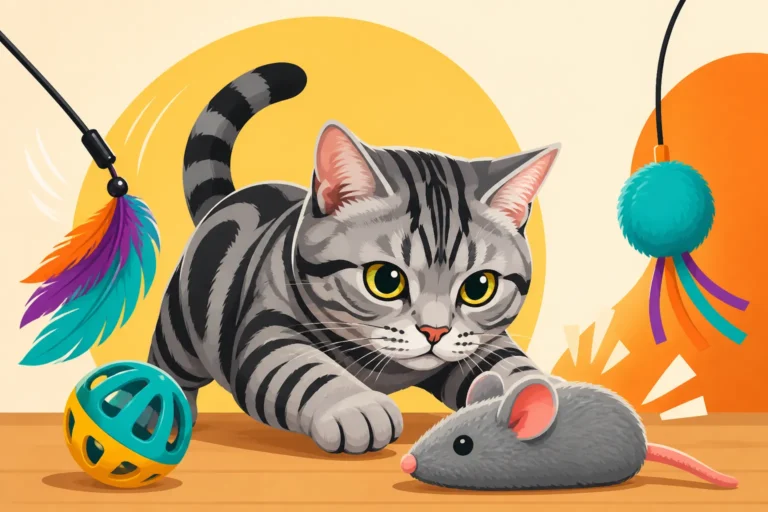
- Favorite Toys: A quick, engaging play session with their absolute favorite toy, especially one that simulates hunting. Which Wand Toy Reads as Prey to an American Shorthair can give you ideas for this.
- Affection: For some ASH cats, a gentle head scratch or chin rub is a highly valued reward. Understand your individual cat's preferences.
- Verbal Praise: A happy, soft, consistent tone of voice, perhaps paired with the other rewards.
What you don't want to do is use their name in a negative context, like when they're being scolded or are about to do something they dislike (e.g., vet visits, nail trims) without first establishing a strong positive association. If their name becomes linked to unpleasantness, they'll learn to avoid it, not respond to it.
The Environment and Distractions
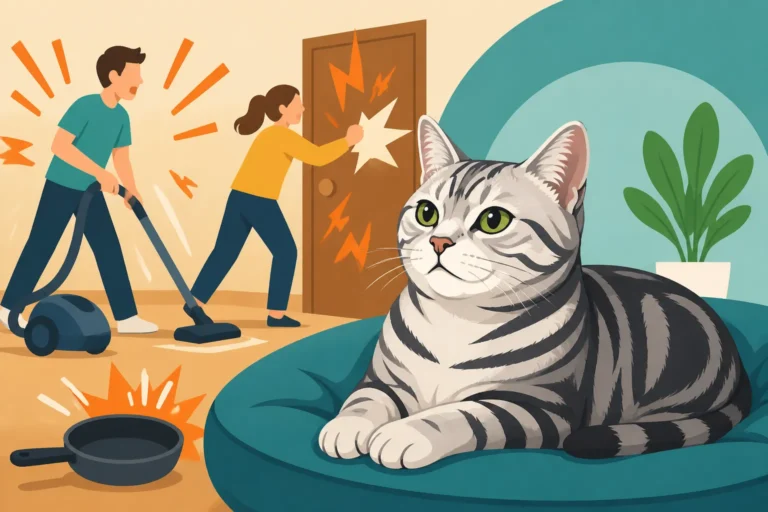
Cats are masters of observation, but also easily distracted by their environment, especially American Shorthairs with their keen hunting instincts. A noisy house, other pets, or even a bird outside the window can pull their attention away before they can fully process your call. This is particularly true in the initial stages of learning.
Starting in a quiet, low-distraction environment is crucial. This allows your American Shorthair to focus solely on you and the sound of their name, making the association clear and strong. As they progress, you can gradually introduce more distractions. If you're constantly competing with a barking dog or children playing loudly, your cat's response time might seem slower, but it's often just a matter of external noise overwhelming the signal.
| Factor | Impact on Learning Speed | Tips for Success |
|---|---|---|
| Age | Younger learn faster; older can too. | Start early; be patient with rescues. |
| Previous Socialization | Well-socialized cats adapt quicker. | Build trust, offer high rewards for wary cats. |
| Consistency | Absolutely critical for all cats. | Every call = positive outcome. All family on board. |
| Type of Reinforcement | High-value rewards are most effective. | Use treats, favorite toys, preferred affection. |
| Environment | Distractions slow learning. | Start in quiet spaces; gradually add complexity. |
| Cat's Personality | Confident cats respond more readily. | Adapt methods to your cat's unique temperament. |
Practical Steps to Teach Your American Shorthair Its Name
Teaching your American Shorthair its name is a process that requires patience, consistency, and a keen understanding of their motivations. While some cats might seem to pick it up almost instantly, for many, it’s a gradual building of positive associations. The goal is to make the sound of their name synonymous with good things happening for them.
Remember, an American Shorthair won't perform tricks for praise alone; they're driven by tangible rewards. How to Clicker Train an American Shorthair That Works for Prey, Not Praise offers valuable insights into their reward-based learning.
Creating a Positive Association
This is where the magic truly begins. You want your American Shorthair to feel happy and excited when they hear their name, not confused or annoyed.
- Choose a Quiet Moment: Find a time when your cat is relaxed, perhaps just before a meal or a favorite play session. Make sure there are minimal distractions around.
- Say Their Name, Then Reward: Get down to their level. Say their name clearly and cheerfully, then immediately offer a high-value treat or a quick stroke if they enjoy it. Don't wait for them to look at you or respond yet; the goal is simply to pair the sound with the good thing. For example, "Mittens!" (treat). "Mittens!" (treat).
- Repeat, Repeat, Repeat: Do this several times in a row, then take a break. Repeat these short sessions throughout the day. Consistency is far more important than long, drawn-out sessions that might bore or overwhelm your cat. Five minutes, several times a day, is much more effective than one long 30-minute session.
- Gradually Introduce Looking: Once your cat consistently gets a treat after their name, you might notice they start to perk their ears or even glance in your direction when you say it. The moment they make eye contact or twitch an ear in acknowledgment, that's the moment to give the treat. This reinforces the idea that looking at you after hearing their name leads to a reward. This is a crucial step for getting them to actively respond.
Minimizing Distractions and Short Sessions
American Shorthairs, with their innate hunting focus, are incredibly observant of their surroundings. Anything moving or making a sound can easily pull their attention away. To maximize their learning potential, especially in the early stages, keep training environments as distraction-free as possible.
- Designated Training Area: Choose a quiet room where other pets, loud noises, or exciting visual stimuli (like windows overlooking active areas) are minimized. This helps them laser-focus on you.
- Keep It Brief: Cats have relatively short attention spans, especially for structured training. Aim for sessions of no more than 2-5 minutes. Longer sessions can lead to frustration or disinterest, which defeats the purpose. It's better to have multiple short, positive interactions throughout the day than one long, tedious one.
- End on a High Note: Always finish a training session while your cat is still engaged and before they get bored. This leaves them wanting more and reinforces the positive association with training. If they start to lose interest, simply give a final treat and let them go. You can find excellent training treats on Amazon that are small enough for frequent rewards without overfeeding.
Graduating to More Complex Scenarios
Once your American Shorthair consistently looks at you or responds in some way when you say their name in a quiet setting, it's time to gently increase the challenge.
- Increase Distance: Start calling their name from a slightly greater distance, still immediately rewarding them when they look or come towards you.
- Add Mild Distractions: Introduce minor, non-threatening distractions. Perhaps another family member is quietly in the room, or a soft radio is playing in the background. If they ignore you, go back to a less distracting environment.
- Use Their Name Before Action: Instead of just saying their name and then giving a treat, start using it to signal other positive things. "Mittens, dinner time!" (then put down their food). "Mittens, want to play?" (then pull out their favorite wand toy). This helps them associate their name with a wider range of good events and not just the immediate treat. This also teaches them that their name is a precursor to other desired outcomes, such as a rousing game with a Which Wand Toy Reads as Prey to an American Shorthair.
- Practice in Different Rooms: Gradually move your training sessions to different areas of the house. A cat's learning can be very context-specific, so practicing in various locations helps generalize their understanding. Remember, an ASH is an observant creature, and their attention can be captured by the smallest details in their environment.
The goal is for your American Shorthair to respond to their name reliably, not just in ideal conditions but also in the hustle and bustle of daily life. This takes time, patience, and consistent positive reinforcement.
Troubleshooting and Common Misconceptions
Even with the best intentions and consistent effort, you might encounter moments where your American Shorthair seems utterly oblivious to their name. It can be frustrating, making you question if they're even capable of learning it. But don't despair! Often, it's not a lack of intelligence on their part, but rather a misinterpretation of their behavior or a need to adjust your approach. Remember, the American Shorthair has a How Undemanding an American Shorthair Really Is nature, so they may not feel the need to respond to every single call.
When Your ASH Seems Indifferent
It's tempting to think your cat is just being stubborn or ignoring you out of spite when they don't respond to their name. However, cats, especially American Shorthairs, aren't typically motivated by human-centric emotions like spite. Their "indifference" usually boils down to a few core reasons:
- Insufficient Motivation: Are your rewards truly high-value? What might be a good treat for one cat might be "meh" for another. Experiment with different treats (e.g., freeze-dried salmon, chicken bits, lickable treats available on Amazon) or play items. Why an American Shorthair Is Awake Before You Are often indicates they are keenly aware of their environment and what motivates them, typically food or activity.
- Inconsistent Reinforcement: Have you, or other family members, been perfectly consistent? If the name is sometimes called without a reward, or if it's used in a negative context, the positive association gets diluted.
- Too Many Distractions: Is the environment still too stimulating? Try moving to an even quieter space for a few sessions to re-establish the connection.
- Timing Issues: Are you rewarding immediately after the name is called or when they acknowledge you? A delay of even a few seconds can break the association for a cat. The reward needs to be almost instantaneous.
- Your Tone of Voice: Are you calling their name in a consistent, cheerful tone? A harsh or frustrated tone can make them wary. Cats are highly sensitive to vocal nuances.
- Physical Discomfort or Illness: Occasionally, a sudden lack of responsiveness could be a sign of a health issue, such as hearing loss (especially in older cats) or general discomfort. If this is a new behavior, a vet check-up might be warranted. Why a Withdrawn American Shorthair Should See a Vet is important for any sudden changes in behavior.
If your ASH still seems indifferent, go back to basics. Revert to a quiet room, use the highest-value treat you can find, and focus on very short, highly positive sessions where you simply say their name and immediately reward. Build up from there again.
The Myth of the Untrainable Cat
There’s a pervasive myth that cats are untrainable, especially when compared to dogs. While their training methods differ, American Shorthairs are intelligent, adaptable creatures perfectly capable of learning, including their names and even tricks. Their reputation for being "untrainable" often stems from:
- Misunderstanding Cat Motivation: As discussed, cats are not "pack animals" driven by a desire to please an alpha. They are independent and respond best to reinforcement that directly benefits them. If you understand How Trainable an American Shorthair Is, you'll realize it's about finding their incentive.
- Lack of Patience from Humans: Training a cat requires more patience and subtlety than training a dog. You can't force a cat to do anything it doesn't want to; you have to entice them.
- Inconsistent Training Methods: Unlike some dog breeds that can tolerate a bit of inconsistency, cats thrive on predictable routines and clear associations.
- Ignoring Species-Specific Behavior: Expecting a cat to respond like a dog is setting everyone up for disappointment. A cat's response might be a flick of an ear, a tail twitch, or a slow blink, rather than a full-blown run and sit. Over time, you might notice How Little an American Shorthair Bothers to Say, but that doesn't mean they aren't listening.
The truth is, an American Shorthair's independent nature doesn't make them untrainable; it just means you need to be a clever and consistent trainer. They are observing you, learning your habits, and deciding how best to interact with their environment, which includes you. By tapping into their natural curiosity and desire for comfort and rewards, you can teach your American Shorthair to recognize and respond to their name, fostering a deeper bond and clearer communication between you both.
Disclaimer
This article is for general informational purposes only and does not constitute professional advice. Laws, prices and regulations vary by location and change over time. Consult a qualified professional for guidance on your specific situation.