Whether Insurance Pays Off on a Low Risk American Shorthair
It's a common thought process, isn't it? You've got this wonderful American Shorthair, known for its robust health and easygoing nature, and you wonder if shelling out for pet insurance is really worth it. After all, they're not one of those breeds notorious for a laundry list of genetic ailments, so surely, they're a "low-risk" bet, right? This guide is going to dive deep into that very question, exploring the true financial landscape of owning an American Shorthair and whether pet insurance genuinely pays off, even for a cat that seems to defy the odds.
Understanding the "Low Risk" American Shorthair
It’s completely understandable why you might see your American Shorthair as a low-risk companion when it comes to health. This breed, with its working-class roots, was quite literally bred for survival and functionality, not for exaggerated physical traits that often come with a heavy health burden. They were the original "barn cats" and "ship's cats," needing to be tough, resourceful, and healthy to earn their keep.
What Makes the American Shorthair Seem Low Risk?
Historically, the American Shorthair's very existence was predicated on natural selection. Cats that were frail, prone to illness, or physically compromised simply wouldn't have thrived in the harsh environments of early American settlements or aboard ships. This long history of natural resilience means that, as a breed, they tend to be hardy. They're often cited as a benchmark for what a healthy, well-structured cat should be. Their conformation is moderate – no flattened faces that lead to breathing issues, no overly long backs that cause spinal problems, and no extreme coat types requiring constant, specialized grooming that can hide skin issues. This balanced physical form generally contributes to fewer musculoskeletal problems and better overall organ function. For many owners, this translates to fewer trips to the emergency vet and, seemingly, lower overall healthcare costs. They’re often quite stoic, too, which can sometimes make early signs of discomfort harder to spot, but also means they aren't often prone to the neurotic, stress-induced illnesses some more delicate breeds experience. Indeed, the breed is often used as a standard to measure other breeds against, leading to the idea that they are inherently more sound. Why the American Shorthair Is Used as a Health Benchmark delves into this further.
Common Misconceptions About Breed Health
While the American Shorthair certainly boasts an enviable health record compared to many pedigreed cats, it's crucial to understand that "low risk" doesn't mean "no risk." This is where a common misconception can set in: believing that because a breed is generally healthy, it's immune to serious or costly medical issues. Unfortunately, that's just not the case. Even the hardiest American Shorthair can fall victim to accidents, unexpected illnesses, or age-related conditions that can become incredibly expensive to treat.
For instance, while generally healthy, the American Shorthair isn't entirely free from inherited conditions. Hypertrophic Cardiomyopathy (HCM), a thickening of the heart muscle, is one such condition that can affect them, just like many other cat breeds. HCM Is the One Inherited Disease the American Shorthair Kept explores this specific risk. Even if your cat's parents were screened, or you believe your cat is from a line with no known history, new mutations can arise, or a previously undiagnosed case in a distant ancestor could surface. Beyond genetics, cats are curious creatures! They can ingest foreign objects, suffer injuries from falls, or get into tussles with other animals (especially if they have outdoor access). These aren't breed-specific issues, but universal cat problems that can lead to emergency vet visits, diagnostics, and potentially surgery, all of which come with hefty price tags.
Furthermore, as American Shorthairs age, they become susceptible to the same chronic conditions that affect many senior cats: kidney disease, hyperthyroidism, diabetes, and dental disease. These conditions often require ongoing medication, specialized diets, regular blood tests, and frequent vet check-ups. These aren't typically "cheap" treatments, and they can add up significantly over several years. So, while your American Shorthair might start life with fewer immediate concerns, a long life – which is a real possibility for this breed – inevitably brings with it an increased chance of needing medical intervention. The perception of low risk can sometimes lead to a false sense of security, making the actual financial impact of an illness even more jarring when it hits.
The Financial Reality of "Low Risk" Pet Ownership
It's tempting to think that a healthy cat like an American Shorthair will just sail through life with minimal vet bills. We often budget for food, litter, and a few toys, but the reality of veterinary care, even for a robust breed, can be quite different. The "low risk" label doesn't exempt them from the ever-increasing costs of modern veterinary medicine.
Unexpected Costs Even for Healthy Cats
Even if your American Shorthair never develops a genetic condition, life happens. Let's paint a picture: your energetic American Shorthair, perhaps chasing a sunbeam, misjudges a jump from a cat tree and lands awkwardly, resulting in a fractured leg. Or maybe they sneak a taste of a toxic houseplant you didn't even realize was dangerous. Suddenly, you're looking at emergency room fees, X-rays, possibly surgery, pain medication, and follow-up appointments. These aren't minor expenses; a single emergency can easily run into thousands of dollars.
Consider another scenario: your cat, at five years old, seems perfectly healthy, but during a routine annual check-up, your vet discovers a new heart murmur. This often necessitates further diagnostics like an echocardiogram, which is a specialist cardiac ultrasound. While not always indicative of an immediate crisis, it begins a monitoring journey that can involve regular scans and potentially medication down the line. These specialized tests are far more expensive than a basic exam.
Then there are the common, non-emergency issues that still add up. A persistent ear infection, a bout of gastroenteritis requiring medication and special food, or an abscess from an outdoor skirmish can all lead to vet visits, diagnostics, and prescriptions. While individual instances might seem manageable, they chip away at your savings. And let's not forget the dental health. Even a cat with good genes can develop periodontal disease, requiring professional dental cleanings under anesthesia, and possibly extractions. Why Gum Disease Is the American Shorthair's Quietest Problem outlines how this can be a silent issue that becomes costly. These "routine but significant" costs are often overlooked when calculating the financial benefit of pet insurance. We often assume that because an American Shorthair might be cheaper to treat than a Persian with multiple congenital issues, the costs are negligible. Why an American Shorthair Costs a Vet Less Than a Persian certainly applies here, but "less" doesn't mean "little."
How Insurance Premiums Are Calculated for American Shorthairs
When you look into pet insurance for your American Shorthair, you'll find that premiums are influenced by several factors, even for a generally healthy breed. Insurers assess risk, and while the American Shorthair's overall breed health profile is a positive factor, it's not the only one.
Here’s what typically goes into the calculation:
- Age of your cat: This is a big one. A young American Shorthair kitten will typically have a lower premium because they are less likely to develop chronic conditions or age-related diseases. As your cat gets older, the premium will increase significantly, reflecting the higher likelihood of health issues down the road. This is why it’s often recommended to get insurance when your cat is young and healthy.
- Location: Veterinary costs vary dramatically by geographic region. A vet visit in a major metropolitan area like New York City or Los Angeles will likely be more expensive than one in a rural town. Insurance providers factor these regional differences into their premium calculations.
- Your chosen plan: The level of coverage you select plays a huge role. A basic accident-only plan will be cheaper than a comprehensive plan that covers accidents, illnesses, routine care, and specialist consultations. The deductible (the amount you pay before insurance kicks in), reimbursement percentage (how much of the covered costs the insurer pays), and annual limit (the maximum the insurer will pay in a year) all impact the premium.
- Breed-specific considerations: While American Shorthairs are generally healthy, insurers might still account for any known breed predispositions, no matter how rare. For American Shorthairs, any history of HCM in the broader breed population might be subtly factored in, even if it's less prevalent than in some other breeds. Whether Insurers Price the American Shorthair Low touches on how these general health trends affect pricing.
- Individual medical history: If your American Shorthair has any pre-existing conditions, these will almost certainly be excluded from coverage, or may affect premium costs for future, unrelated conditions. This again underscores the benefit of getting insurance early, before any health issues arise.
So, while your American Shorthair might enjoy a reputation for robustness, their premiums aren't flat-rate and will evolve with them. It’s a dynamic calculation that aims to predict future veterinary expenses based on a variety of data points.
Comparing Deductibles, Reimbursements, and Annual Limits
Understanding the nuts and bolts of an insurance policy is crucial before you commit. These three terms – deductible, reimbursement percentage, and annual limit – are the core components that dictate how much you'll pay out-of-pocket versus what your insurance provider covers.
Let's break them down:
-
Deductible: This is the amount you, the policyholder, must pay towards covered veterinary expenses before your insurance company starts to reimburse you. Think of it like the initial portion of the bill that's always yours. Deductibles can range from a low figure, say $100, up to $1000 or more, depending on the plan and provider. Generally, a higher deductible means a lower monthly premium, and vice-versa. Some plans, like those from Healthy Paws, might offer flexible deductible options. For an American Shorthair that is genuinely low-risk, a higher deductible might be appealing initially to keep premiums down, but you need to be prepared to meet that cost if something does happen.
- Example: If your American Shorthair has an emergency visit costing $2,000, and your deductible is $500, you pay the first $500 yourself. The remaining $1,500 is what the insurance company will then apply the reimbursement percentage to.
-
Reimbursement Percentage: This is the percentage of the remaining covered costs (after your deductible has been met) that the insurance company will pay back to you. Common reimbursement percentages are 70%, 80%, or 90%. A higher reimbursement percentage means the insurer covers more, but it also means a higher monthly premium.
- Example (continuing from above): You've paid your $500 deductible. The remaining bill is $1,500. If your reimbursement percentage is 80%, the insurance company will pay 80% of $1,500, which is $1,200. You would be responsible for the remaining 20% ($300). In total, for that $2,000 bill, you've paid $500 (deductible) + $300 (20% co-pay) = $800. The insurance paid $1,200.
-
Annual Limit: This is the maximum amount of money your insurance company will pay out for covered expenses within a policy year. Some plans offer unlimited annual coverage, while others have limits ranging from $5,000 to $20,000 or more. If your cat racks up bills exceeding this limit in a year, you're responsible for all costs beyond that cap. For a breed generally considered healthy, an unlimited or very high annual limit might seem unnecessary, but a severe illness or a series of unfortunate accidents could quickly push past lower limits, leaving you exposed.
- Example: If your plan has a $10,000 annual limit and your cat needs multiple surgeries or treatments for a chronic condition that push the total covered costs past this, you'll pay for everything above $10,000 that year, even if your deductible is met and your reimbursement percentage is high.
It's a balancing act. A plan with a high deductible, low reimbursement, and low annual limit will have the cheapest premiums. But it also means you bear more of the financial risk. Conversely, a plan with a low deductible, high reimbursement, and unlimited annual payout will be the most expensive monthly, but offers the most financial protection when a significant event occurs. Consider your budget and your risk tolerance. What amount are you comfortable paying out of pocket if your American Shorthair suddenly needs $5,000 worth of care?
Scenarios Where Insurance Becomes Invaluable
Even with a naturally healthy American Shorthair, life is unpredictable. There are specific situations where having pet insurance can shift a devastating financial burden into a manageable one, proving its worth even for a seemingly low-risk companion.
Accidents and Emergency Situations
Think about it: cats, even the calmest American Shorthairs, are curious. They explore, they climb, and sometimes, they get themselves into sticky situations. Accidents don't discriminate by breed health profile. A fall from a bookshelf, a curious sniff of an antifreeze spill in the garage, or a run-in with an aggressive stray cat if they have outdoor access can instantly turn into an emergency. Which Injuries an Outdoor American Shorthair Comes Home With shows just how varied these injuries can be.
Imagine your American Shorthair swallows a piece of string or a small toy. This is a common occurrence in cats and can lead to a linear foreign body obstruction, a life-threatening emergency requiring immediate surgery. The cost for such an emergency, including diagnostics like X-rays or ultrasound, surgery, anesthesia, hospitalization, and post-operative care, can easily soar into several thousand dollars. What an American Shorthair's Emergency Visit Costs can be truly shocking when you're caught unprepared. Without insurance, that bill hits your bank account directly, often at a time of emotional stress. With a good accident and illness policy, after your deductible, you'd be reimbursed for a significant portion of that expense, allowing you to focus on your cat's recovery rather than scrambling to pay a massive bill.
Chronic Conditions and Age-Related Illnesses
This is perhaps where the true "payoff" for a healthy, long-lived breed like the American Shorthair often lies. While they might be healthy in their youth, American Shorthairs often live well into their teens, with many reaching 15-20 years. Caring for an American Shorthair Past Twelve is a reality that almost every owner will face. The longer a cat lives, the higher the chances of developing chronic or age-related conditions.
Common ailments in older cats include:
- Kidney Disease: This is very prevalent in senior felines. It requires regular blood work, special prescription diets (which can be expensive), fluid therapy, and medication to manage. These are ongoing costs for potentially years.
- Hyperthyroidism: Another common endocrine disorder in older cats, requiring daily medication, regular blood tests, or more aggressive (and costly) treatments like radioactive iodine therapy.
- Diabetes: Especially if your American Shorthair has packed on a few extra pounds (which is a common issue for this breed once their "mousing" job is over and they lead a more sedentary indoor life, as discussed in Obesity Is What Ending the American Shorthair's Job Cost It). Diabetes means daily insulin injections, special food, and frequent monitoring, leading to significant recurring expenses. How Many Years Extra Weight Takes Off the American Shorthair's Lifespan illustrates the serious consequences of this.
- Arthritis: As a robust, muscular breed, American Shorthairs can experience joint pain and arthritis in their senior years, requiring pain management, joint supplements, and sometimes even physical therapy.
- Dental Disease: As mentioned, even with good genetics, teeth wear down, and plaque builds up. Regular dentals under anesthesia are crucial for health but are costly.
These conditions aren't one-off expenses; they are long-term commitments, often requiring thousands of dollars in care over the course of several years. For these cumulative costs, pet insurance, especially a comprehensive plan, can be an absolute lifesaver. You pay your monthly premium, and when these age-related issues inevitably arise, a significant portion of the ongoing treatment costs can be covered.
The Peace of Mind Factor
Beyond the purely financial aspect, there's the invaluable peace of mind that pet insurance provides. When your beloved American Shorthair is sick or injured, your primary concern should be their well-being, not how you're going to afford the necessary treatment. Imagine being presented with a costly treatment option that could save or significantly improve your cat's life, but having to agonizingly weigh it against your family's budget. It's a heartbreaking position no pet parent wants to be in.
Knowing you have a safety net allows you to make medical decisions based on what's best for your cat, not just what's cheapest. It prevents you from having to choose between your cat's health and your financial stability. This intangible benefit—the reduction of stress and anxiety during difficult times—is often cited by pet owners as one of the most compelling reasons to have insurance, regardless of their pet's perceived risk level. It allows you to say "yes" to the best care without guilt or panic. Many pet owners, myself included, sleep a little easier knowing that if the unthinkable happens, we have support.
Weighing the Costs: Insurance vs. Self-Insurance (Emergency Fund)
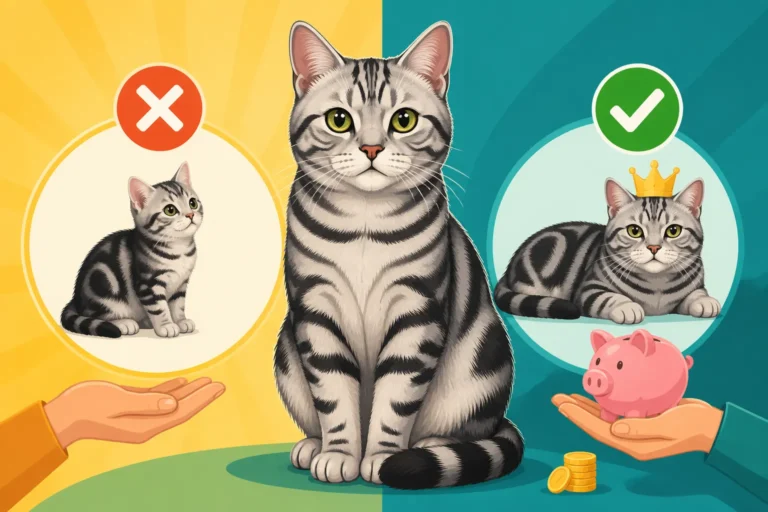
This is the age-old debate for pet owners: do you pay for insurance premiums every month, or do you tuck that money away into a dedicated savings account? Both approaches have merit, especially for an American Shorthair known for its general good health.
The "Self-Insurance" Approach
The "self-insurance" method is straightforward: instead of paying a monthly premium to an insurance company, you commit to putting an equivalent amount (or more) into a high-yield savings account designated solely for pet emergencies.
Pros of Self-Insurance:
- You control the money: It's your money, available whenever you need it, for whatever veterinary expense arises, without waiting for claim processing or worrying about exclusions.
- No premiums or deductibles: You save on monthly premiums, and you don't have a deductible to meet before funds are accessible.
- No annual limits or exclusions: You're not restricted by what an insurer deems "covered" or by a maximum payout for the year.
- Interest earnings: If your savings account offers interest, your emergency fund can grow over time.
Cons of Self-Insurance:
- Requires discipline: You must consistently contribute to the fund and resist the temptation to dip into it for other expenses. Many people find this difficult in practice.
- May not be enough for major events: A single major accident or chronic illness can easily run into thousands, or even tens of thousands, of dollars over a cat's lifetime. Unless you've been saving for many years, your fund might not be robust enough for the truly catastrophic events. A $5,000 emergency fund might sound like a lot, but a foreign body surgery and recovery could eat that up in a flash.
- No interest on debt: If your fund isn't large enough, you might end up putting vet bills on a credit card, incurring high interest charges.
This method works best for highly disciplined savers who can rapidly build a substantial fund, and for those who have a strong financial buffer for truly massive, unexpected expenses.
When Insurance Offers a Better Safety Net
For many, especially in an unpredictable world, pet insurance provides a much more robust safety net than a self-funded emergency account.
Here's why insurance often wins out for larger, unexpected bills:
- Immediate large coverage: From day one, after waiting periods, your cat is covered for catastrophic expenses that would take years to save up for. Most people can't immediately sock away $10,000 or $20,000, which is what a major surgery or long-term chronic illness can cost.
- Budgeting predictability: You know exactly what your monthly premium is. While a vet bill might be $8,000, your insurance policy means you only pay your deductible and co-pay, keeping your out-of-pocket expense much lower and more manageable.
- Covers ongoing costs: For chronic conditions that require years of medication, special food, and regular check-ups, insurance can repeatedly cover a large percentage of these costs, year after year, until the annual limit (if any) is reached.
- Specialized care: Many plans cover consultations with specialists (cardiologists, oncologists, internal medicine vets), which are significantly more expensive than general practice visits.
Even for a low-risk American Shorthair, a sudden emergency can be financially crippling without insurance. Consider a cat who develops cancer at age 10. Treatment involving chemotherapy, radiation, or specialized surgeries can cost well over $10,000. While your personal emergency fund might cover a fractured leg, it might not withstand the prolonged, intense costs of cancer treatment. Insurance companies like Healthy Paws are known for their comprehensive coverage, which would be invaluable in such a scenario.
Finding the Right Balance
Ultimately, the decision between insurance and self-insurance comes down to your personal financial situation, risk tolerance, and how you prefer to manage unexpected expenses. There isn't a single "right" answer for every American Shorthair owner.
Many people find a hybrid approach to be the most comfortable:
- Purchase a solid pet insurance policy: Opt for an accident and illness plan with a deductible and reimbursement percentage you're comfortable with. This covers the large, unexpected bills that could devastate your finances.
- Maintain a smaller emergency fund: This fund can cover your deductible, your co-pay, and any smaller, routine-but-uninsured costs (like certain prescription foods not covered, or perhaps a minor vet visit that falls below your deductible). This ensures you're prepared for some out-of-pocket expenses without relying entirely on your insurance for every single dollar.
When considering a pet insurance provider, do your homework. Look at reputation, customer service, and how quickly they process claims. Companies like Healthy Paws often receive high marks for their comprehensive coverage and straightforward claim process. Also, consider products and services from brands like Chewy; while they don't offer insurance directly, their subscription services for food and litter can free up a small amount in your monthly budget that you could then direct towards an emergency fund or a slightly higher insurance premium. Similarly, specialized food services, while a premium offering, can ensure top-notch nutrition, potentially bolstering your American Shorthair's long-term health, but you'd still want insurance for the unforeseen.
Here's a quick comparison to help you weigh your options:
| Feature | Pet Insurance | Self-Insurance (Emergency Fund) |
|---|---|---|
| Initial Outlay | Monthly premiums | Monthly contributions to savings |
| Major Event ($10k+) | Covers a large percentage (after deductible/co-pay) | Requires a large, pre-existing fund |
| Minor Event ($500) | May be covered, but could be within deductible | Covered directly from your fund |
| Discipline | Required for consistent premium payment | High discipline required for saving and not spending |
| Coverage Scope | Defined by policy, may have exclusions (pre-existing) | Completely flexible, no exclusions |
| Financial Risk | Managed, predictable monthly cost | High risk if fund is insufficient |
| Peace of Mind | High, especially for catastrophic events | High, if fund is substantial and growing |
| Growth Potential | None (money goes to insurer) | Can earn interest in a savings account |
Even for an American Shorthair, celebrated for its robust health, the reality is that no cat is immune to illness or injury. While they may present a "low risk" profile, the impact of that risk when it materializes can be financially crippling. Pet insurance, therefore, isn't just for breeds with known predispositions; it's for any pet owner who wants to ensure they can provide the best possible care without compromising their financial stability. For a breed like the American Shorthair, which often lives a long and healthy life, a good insurance policy becomes a wise investment in protecting them through their golden years, when age-related conditions often appear. Ultimately, it’s about making an informed decision that aligns with your financial comfort and your commitment to your furry family member's well-being.
Disclaimer
This article is for general informational purposes only and does not constitute professional advice. Laws, prices and regulations vary by location and change over time. Consult a qualified professional for guidance on your specific situation.