Whether an American Shorthair Retrieves From Instinct
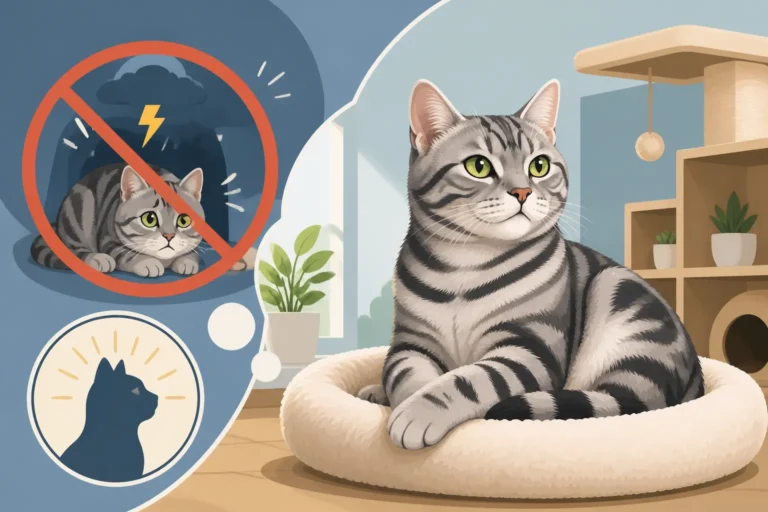
It’s a common sight to see a dog enthusiastically bring a ball back, tail wagging, ready for another round. But when it comes to cats, many people assume they’re simply not built for such games, preferring to stalk and pounce rather than retrieve. Yet, the American Shorthair, with its deep hunting roots, often surprises owners by displaying a natural inclination to fetch. This guide will explore whether the American Shorthair genuinely retrieves from instinct, how you can encourage this charming behavior, and what it means for their overall enrichment and your bond.
The American Shorthair's Hunting Instinct and Play
The American Shorthair isn't just a pretty face; this breed carries centuries of purposeful breeding as a working cat, primarily as a mouser and rat catcher. Their physical build, their temperament, and their keen senses are all honed for hunting. It's in their very DNA, an echo of their ancestors who sailed on ships and patrolled barns, keeping pests at bay. This strong prey drive is the foundation for many of their behaviors, including, for some, the surprising act of retrieving.
How Their Prey Drive Translates to Play
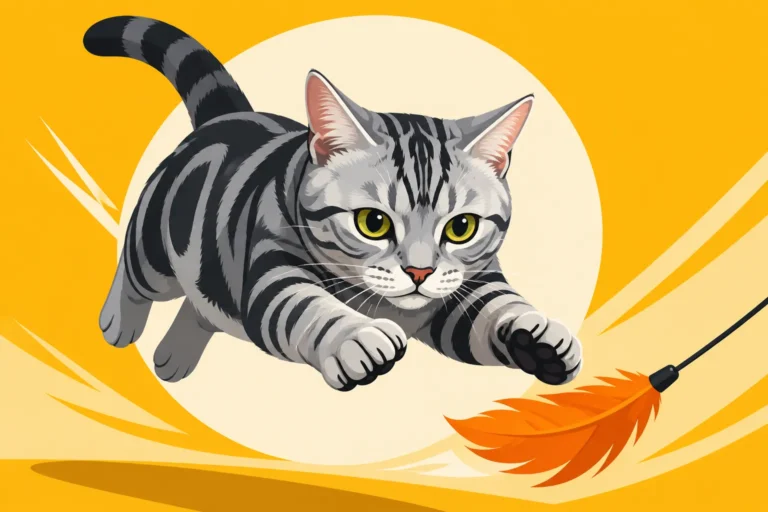
Think about a cat in the wild, or even a very efficient alley cat. The hunting sequence isn't just about the pounce; it's a multi-stage process: stalking, chasing, capturing, and often, carrying the prey away to a safe spot to consume or present it. For the American Shorthair, this complete sequence is deeply ingrained. When an American Shorthair engages in play, especially with toys that mimic small animals, they are often reenacting this ancient ritual.
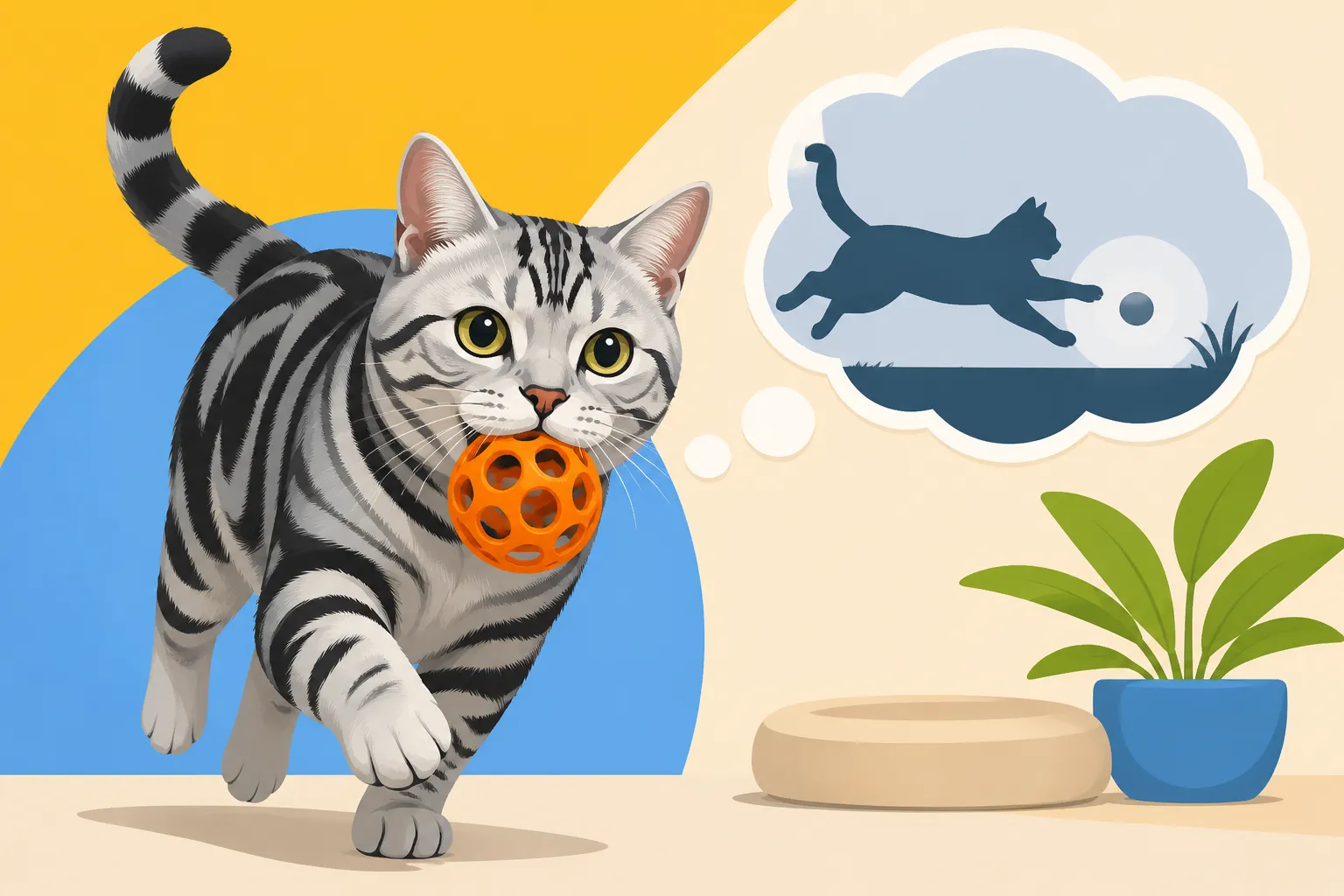
The "carry" phase is particularly relevant to retrieval. A cat that brings its "kill" (a toy, in this case) back to you is, in a way, completing this sequence and involving you in their success. It's not the same as a dog retrieving, which is often driven by a desire to please and a high social drive, but rather an extension of their independent hunting pattern. They’re sharing their bounty, or perhaps re-initiating the hunt with a fresh “prey” item. For many American Shorthairs, their instincts dictate that The American Shorthair Still Hunts, Whether You Want It To or Not, even if the 'prey' is a crinkly ball.
Individual Personality and Early Experiences
While the underlying hunting instinct is strong in the American Shorthair breed, it's crucial to remember that every cat is an individual. Not every American Shorthair will be a natural retriever, even with the strongest prey drive. Just like humans, they have unique personalities, preferences, and quirks. Some might love the chase but lose interest after the "kill," while others might take immense pride in bringing their toy back for another toss.
Early kittenhood experiences play a huge role in shaping these behaviors. Kittens who are encouraged to play interactively with their littermates and human caregivers, using toys that are easily carried, are more likely to develop retrieving habits. If a kitten learns that bringing a toy back results in positive attention or another toss, they're more likely to repeat the behavior. A mother cat also teaches her kittens essential hunting skills, and part of this can be how to handle and carry prey, which lays a foundational behavior that can be channeled into retrieving. What an American Shorthair Kitten Learns to Hunt can heavily influence their play style as adults.
Encouraging Retrieval in Your American Shorthair
So, you've got an American Shorthair and you're hoping to tap into that latent retrieving talent? It's absolutely possible, but it requires patience, consistency, and understanding of how your cat thinks. You're not training a dog; you're engaging with a natural hunter.
Choosing the Right "Prey" Toys
The key to successful retrieval training often starts with the right equipment. The toys you choose should feel like legitimate "prey" to your cat. They need to be lightweight enough to be easily carried in their mouth, small enough to grasp comfortably, and ideally, have a texture or sound that mimics small animals. Think about what a cat would naturally hunt.
Here are some characteristics to look for in retrieving toys:
- Size and Weight: Small, light toys like crinkle balls, soft fabric mice, or small pom-poms are perfect. If it's too heavy or too large, your cat won't be able to carry it comfortably, defeating the purpose.
- Texture: Toys with varied textures, like faux fur, feathers, or crinkly materials, can be more engaging. These mimic the feel of actual prey and activate their hunting senses.
- Sound: Crinkling sounds, bells (if safe and securely enclosed), or even silent toys that don't distract from the primary action can work. Many cats respond well to the crinkle of a metallic ball or the rustle of a feather toy.
- Safety: Always ensure toys are non-toxic and don't have small parts that can be easily chewed off and swallowed, which could pose a choking hazard. Look for durable, well-made items.
You can find a fantastic array of suitable toys online, and Amazon has a wide selection of cat-friendly toys that fit these criteria, from multi-packs of crinkle balls to realistic looking plush mice. It's often helpful to have several options on hand to see what truly sparks your American Shorthair's interest. Remember, Which Toys Finish an American Shorthair's Hunt are usually the ones that engage their full hunting sequence.
The Art of the Play Session
Once you have your "prey" ready, it's time to engage. The secret is to make it feel like a hunt, not a chore.
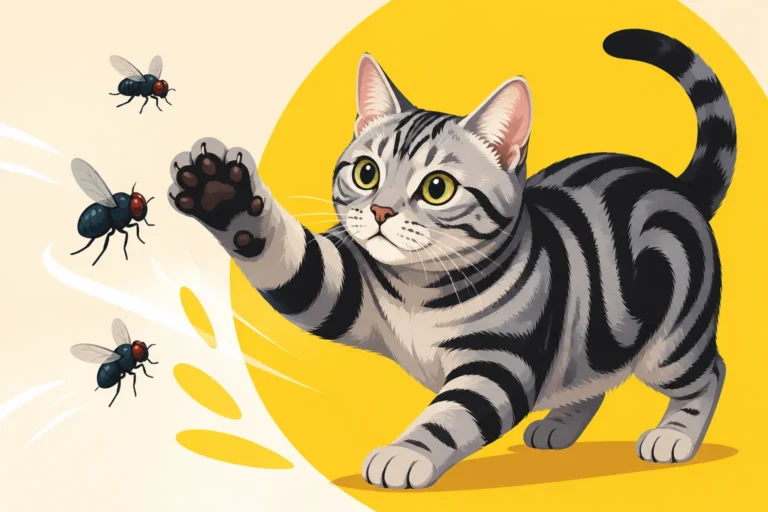
- Start with Enticement: Begin by getting your American Shorthair interested in the toy. Dangle it, wiggle it, make it dart and hide like a real mouse. Let them stalk and pounce on it a few times to build up their hunting excitement. Remember, How an American Shorthair Pounces is part of their natural sequence.
- The Gentle Toss: When they've "caught" the toy, give it a soft, short toss a few feet away. The distance should be minimal at first, just enough for them to take a few steps.
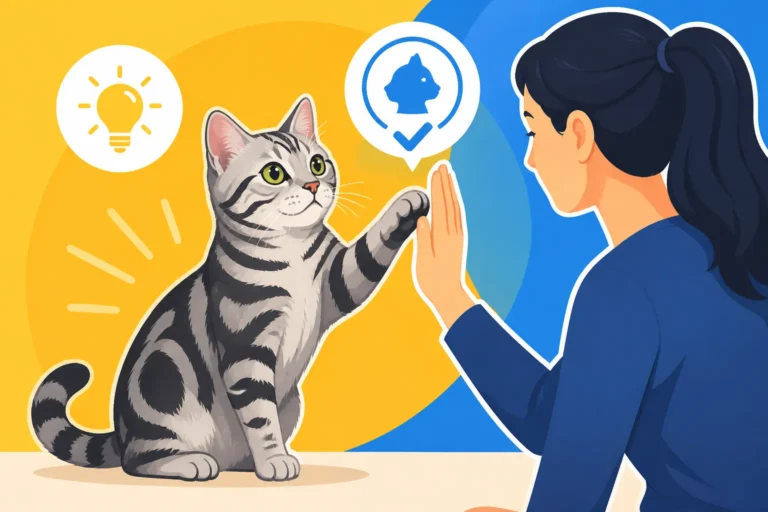
- Encourage the Bring-Back: This is where patience comes in. If they pick up the toy, praise them gently. If they bring it closer to you, even just a little, offer more enthusiastic praise or a tiny, healthy treat. Wiggle your fingers near the toy or make soft, encouraging sounds. Avoid chasing them for the toy, as this might make them think it's a game of keep-away.
- Repeat and Reinforce: As they start bringing the toy back more consistently, gradually increase the distance of your throws. Always reward the behavior you want to see. This could be verbal praise, a gentle head scratch, or another toss of the toy. The reward for many American Shorthairs is the continuation of the hunt itself. For them, getting the toy tossed again is the prize.
- Keep it Short and Sweet: Cats have shorter attention spans than dogs, especially for repetitive tasks. Keep play sessions brief, perhaps 5-10 minutes, and end on a positive note before they lose interest. You want them to associate retrieving with fun and success.
Consistency is key. Regular, positive play sessions can help solidify this behavior. Don't get discouraged if it doesn't happen overnight. Some cats pick it up quickly, others take weeks or months, and some may never truly become reliable retrievers, and that’s perfectly fine.
| Toy Characteristic | Description | Why it Works for Retrieving | Examples |
|---|---|---|---|
| Size | Small, easily gripped in the mouth. | Allows comfortable carrying. | Crinkle balls, small plush mice |
| Weight | Lightweight. | Easy to pick up and transport. | Feather toys, foam balls |
| Texture | Mimics natural prey (fur, feathers, crinkle). | Engages hunting instincts, stimulating. | Faux fur mice, feather wands (detachable) |
| Sound | Crinkles, rattles (securely enclosed), or silent. | Adds to the prey illusion, holds attention. | Mylar crinkle balls, small bell toys |
| Durability | Can withstand chewing and carrying. | Ensures safety and longevity of the toy. | Well-stitched fabric toys, solid rubber balls |
Why Some American Shorthairs Don't Retrieve (and that's okay!)
You've tried everything, from the perfect Amazon toy to engaging play sessions, and your American Shorthair still just stares at the toy or bats it once before walking away. Don't fret! This is a completely normal scenario.
Breed Tendencies vs. Individual Traits
While the American Shorthair is known for its strong hunting instincts and generally amenable nature, leading to a higher propensity for retrieving than many other breeds, it's never a guarantee. Think of it like a human family trait: you might come from a long line of musicians, but that doesn't mean you'll automatically pick up an instrument and play flawlessly. The genetic blueprint provides a foundation, but individual personality, early experiences, and environmental factors all play a significant role.
Some American Shorthairs might have a strong chase and pounce drive but lack the "bring-back" component of the hunting sequence in their play. Others might be more interested in exploring or cuddling. The beauty of the American Shorthair is their generally adaptable and independent nature; they are not typically high-demand cats, and How Undemanding an American Shorthair Really Is is one of their most celebrated traits. If they don't retrieve, it doesn't mean there's anything "wrong" with them or that you're a bad owner. It simply means their individual personality leans towards other forms of engagement.
Other Forms of Interaction and Enrichment
If retrieving isn't your cat's jam, that's perfectly fine. There are countless other ways to provide enrichment and strengthen your bond. The goal is to keep their minds and bodies active, especially for an indoor American Shorthair who might otherwise feel unfulfilled.
Consider these alternatives:
- Wand Play: Wand toys with feathers or fabric attachments are fantastic for simulating the hunt. You control the "prey," making it dart, hide, and fly, allowing your cat to stalk, chase, and pounce. Just ensure Why an American Shorthair Needs to Catch the Toy at the end of the session to feel satisfied.
- Puzzle Feeders: Since American Shorthairs have a strong food drive (a remnant of their working past where they had to earn their meals), puzzle feeders can be incredibly engaging. They have to "work" to get their kibble or treats, stimulating their problem-solving skills and keeping them occupied. You can find many varieties, from simple treat balls to more complex mazes, often available on Amazon. Whether a Puzzle Feeder Satisfies an American Shorthair is often a resounding yes for this breed.
- Climbing and Vertical Space: American Shorthairs love to survey their territory from high vantage points. Cat trees, shelves, and window perches provide excellent physical exercise and mental stimulation, allowing them to patrol their domain from above.
- Hiding Treats or Kibble: Make them hunt for their food! Hide portions of their daily meal around the house in different spots. This taps into their foraging instincts and makes mealtime an engaging activity rather than a simple bowl-filler.
The important thing is to observe your cat and see what truly excites them. Every American Shorthair has unique preferences, and tailoring enrichment activities to those preferences will lead to a happier, healthier, and more engaged feline companion. You might be surprised to learn that What an Indoor American Shorthair Does With a Mouser's Instinct can manifest in a variety of playful ways beyond just fetching.
The Benefits of Interactive Play for American Shorthairs
Whether your American Shorthair is a born retriever or prefers other games, engaging in regular interactive play is incredibly beneficial for their overall well-being. It goes beyond just having fun; it's a vital part of their physical and mental health.
Physical Exercise and Mental Stimulation
American Shorthairs are robust, muscular cats, and they need appropriate exercise to maintain their healthy physique. Their ancestors were constantly on the move, chasing rodents and patrolling territories. While modern indoor American Shorthairs might not have a barn full of mice to hunt, that energy and drive still exist. Interactive play, including potential retrieving games, helps burn off excess energy, prevents boredom, and keeps their muscles toned.
Without adequate physical activity, indoor cats, especially those with a sturdy build like the American Shorthair, can be prone to weight gain. Obesity can lead to a host of health problems. Regular play helps keep their metabolism active and their weight in check. Furthermore, the mental challenge of anticipating prey movement, stalking, and "capturing" a toy provides crucial mental stimulation, preventing boredom and potential behavioral issues that can arise from an under-stimulated cat. It helps them stay sharp and engaged, rather than simply lounging around all day.
Strengthening Your Bond
Perhaps one of the most heartwarming benefits of interactive play is the strengthening of the bond between you and your American Shorthair. When you engage with your cat in play, you're not just providing exercise; you're speaking their language. You're participating in an activity that is fundamental to their feline nature, showing them that you understand and appreciate their instincts.
These shared moments create positive associations and build trust. Your cat learns to see you as a source of fun, excitement, and security. Even if your American Shorthair is generally quite independent, these focused playtimes offer a special connection that can deepen your relationship significantly. It’s a chance to truly observe their incredible agility, their stealth, and their joyful pounces. This kind of interaction can also help you recognize subtle changes in their mood or health, as you're regularly engaged with them. It's not just about what they do with the toy; it's about the connection you forge through the act of playing together. So, grab a favorite toy—you can certainly find plenty of great options on Amazon—and enjoy the unique joy of playing with your American Shorthair.
Disclaimer
This article is for general informational purposes only and does not constitute professional advice. Laws, prices and regulations vary by location and change over time. Consult a qualified professional for guidance on your specific situation.