Why HCM Survived in the American Shorthair
It’s a truly disheartening moment when you hear that your beloved American Shorthair, a breed renowned for its robust health and easy-going nature, might be at risk for a serious inherited condition like Hypertrophic Cardiomyopathy (HCM). We often associate American Shorthairs with longevity and minimal health issues, making the news of a potential heart problem even more perplexing and frustrating for owners. This guide aims to shed light on why HCM, despite the breed's generally excellent health profile, has managed to persist within the American Shorthair lines, and what that means for you and your cherished companion.
Understanding the American Shorthair's Robust Health History
The American Shorthair has a storied past rooted in utility and resilience, characteristics that have historically contributed to its exceptional health. Unlike many modern pedigreed cats that were bred for specific, sometimes extreme, aesthetic traits, the American Shorthair's development was largely shaped by its environment and practical purpose.
The Landrace Legacy and Natural Selection
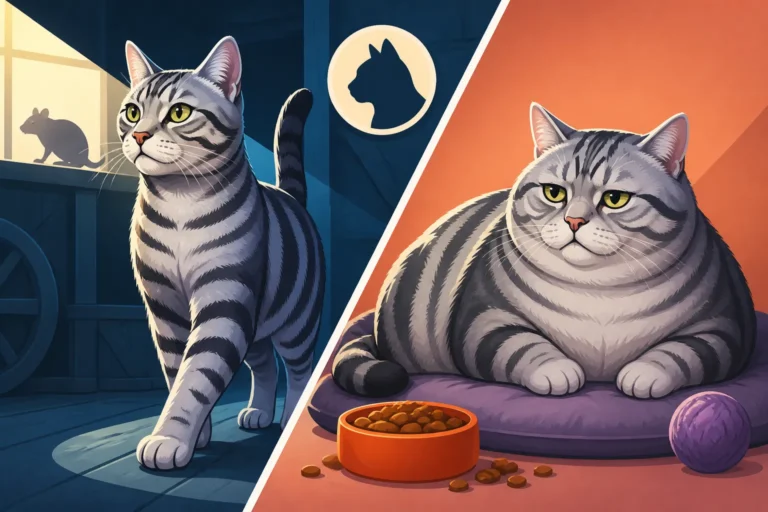
Imagine cats arriving on ships to the New World, tasked with keeping rodents at bay. These weren't pampered pets; they were workers, survivors. Their lives depended on being strong, healthy, and adaptable. This process, known as natural selection, essentially culled weaker individuals from the gene pool, favoring those with robust constitutions. Over centuries, this created a population of cats that were hardy, intelligent, and relatively free from genetic weaknesses. This landrace origin means their inherent health wasn't a product of selective breeding programs but rather a testament to their ability to thrive in demanding conditions. Many often point to how The American Shorthair Is the Control Group of Cat Breeding because of this unadulterated foundation in natural health.
Early Breeding Practices and Open Gene Pool
When fanciers eventually began to recognize and formalize the breed, their initial focus wasn't on exaggerating physical traits but on preserving the working cat's practical qualities. The early breeding practices allowed for a relatively open gene pool, where diverse "domestic shorthairs" with desirable traits could be incorporated. This continuous influx of new genetics helped prevent the genetic bottlenecks and inbreeding that can sometimes concentrate inherited diseases in other breeds. For a significant period, the breed was simply known as the Domestic Shorthair, and its formal recognition was an effort to elevate its status rather than drastically alter its physical characteristics. This broad genetic base is often a shield against the proliferation of specific genetic diseases.
Why the American Shorthair Is Used as a Health Benchmark
Because of this history of natural selection and a wide gene pool, the American Shorthair is often cited by veterinarians and breed enthusiasts as a benchmark for feline health. They are generally known for their relatively long lifespans, minimal predisposition to many of the designer defects found in more selectively bred pedigrees, and overall hardiness. When comparing them to other pedigrees, the American Shorthair often stands out for its low incidence of complex genetic illnesses. This reputation for health is well-deserved and makes the presence of a serious condition like HCM even more of a puzzle for many owners. However, even the most robust breeds can, unfortunately, carry hidden vulnerabilities.
The Insidious Nature of Hypertrophic Cardiomyopathy HCM
Hypertrophic Cardiomyopathy (HCM) is the most common heart disease in cats, regardless of breed. Its presence in American Shorthairs isn't unique, but its persistence demands a closer look into the nature of the disease itself and the challenges it poses for detection and eradication.
What HCM Actually Is in Cats
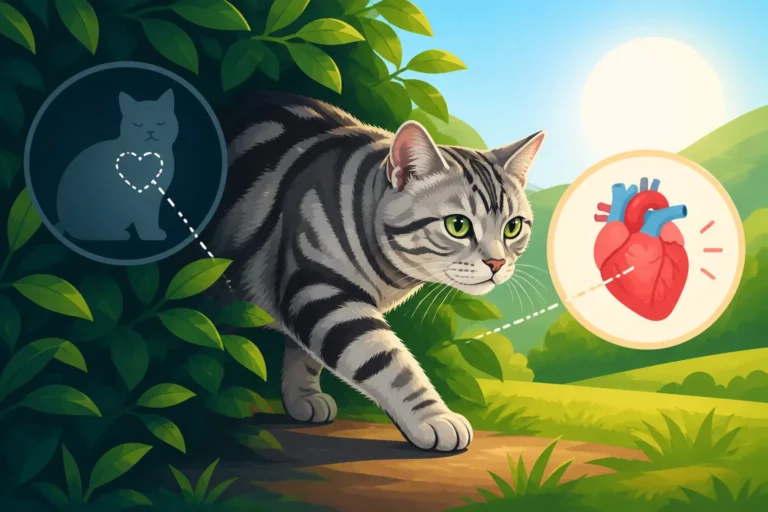
At its core, HCM is a disease characterized by the thickening of the muscular walls of a cat's heart, particularly the left ventricle. This thickening makes it harder for the heart to pump blood effectively and to relax and fill with blood between beats. Over time, this reduced efficiency can lead to various complications, including congestive heart failure, blood clot formation, and even sudden death. It's not just a minor flaw; it's a progressive condition that can severely impact a cat's quality of life and lifespan. What's particularly concerning is that HCM often progresses silently for years, with few to no outward signs until the disease is quite advanced.
Genetic Predisposition Versus Environmental Factors
While there's a clear genetic component to HCM in many cat breeds, it's not always a straightforward "one gene, one disease" scenario. In some breeds like Maine Coons and Ragdolls, specific gene mutations (e.g., in the MYBPC3 gene) have been identified, making genetic testing a valuable tool. However, in other breeds, and notably in the American Shorthair, the genetic basis appears to be more complex, often involving multiple genes (polygenic inheritance) or even unknown genetic factors. This complexity makes it incredibly difficult to pinpoint a single culprit or develop a definitive genetic test that covers all potential cases. Environmental factors, though not the primary cause of genetic HCM, can sometimes exacerbate underlying heart conditions or mimic HCM symptoms, further complicating diagnosis.
Why HCM Can Be So Hard to Detect Early
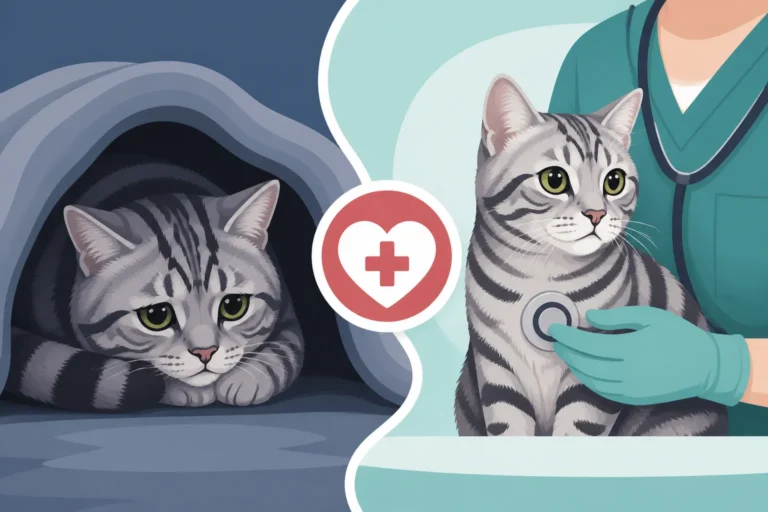
One of the most frustrating aspects of HCM is its silent nature. Cats are masters of disguise when it comes to illness, and heart disease is no exception. Many American Shorthairs with HCM will show absolutely no outward signs in the early stages. They might be eating, playing, and acting completely normal, all while their heart muscle is slowly thickening. Even a routine vet check-up might not reveal anything conclusive; a heart murmur might be heard, but not all cats with murmurs have HCM, and not all cats with HCM have murmurs. This makes it challenging for even the most vigilant owners and general practitioners to catch the disease before it has significantly progressed. It’s why understanding What an American Shorthair Shows Before Its Heart Fails is so crucial, as by then, the disease is often advanced.
Tracing the Genetic Roots of HCM in American Shorthairs
The very qualities that make the American Shorthair a healthy breed can, paradoxically, make the eradication of a complex disease like HCM more challenging. The lack of a clear, single genetic marker for HCM in the breed is a significant hurdle.
Identifying Specific Gene Mutations
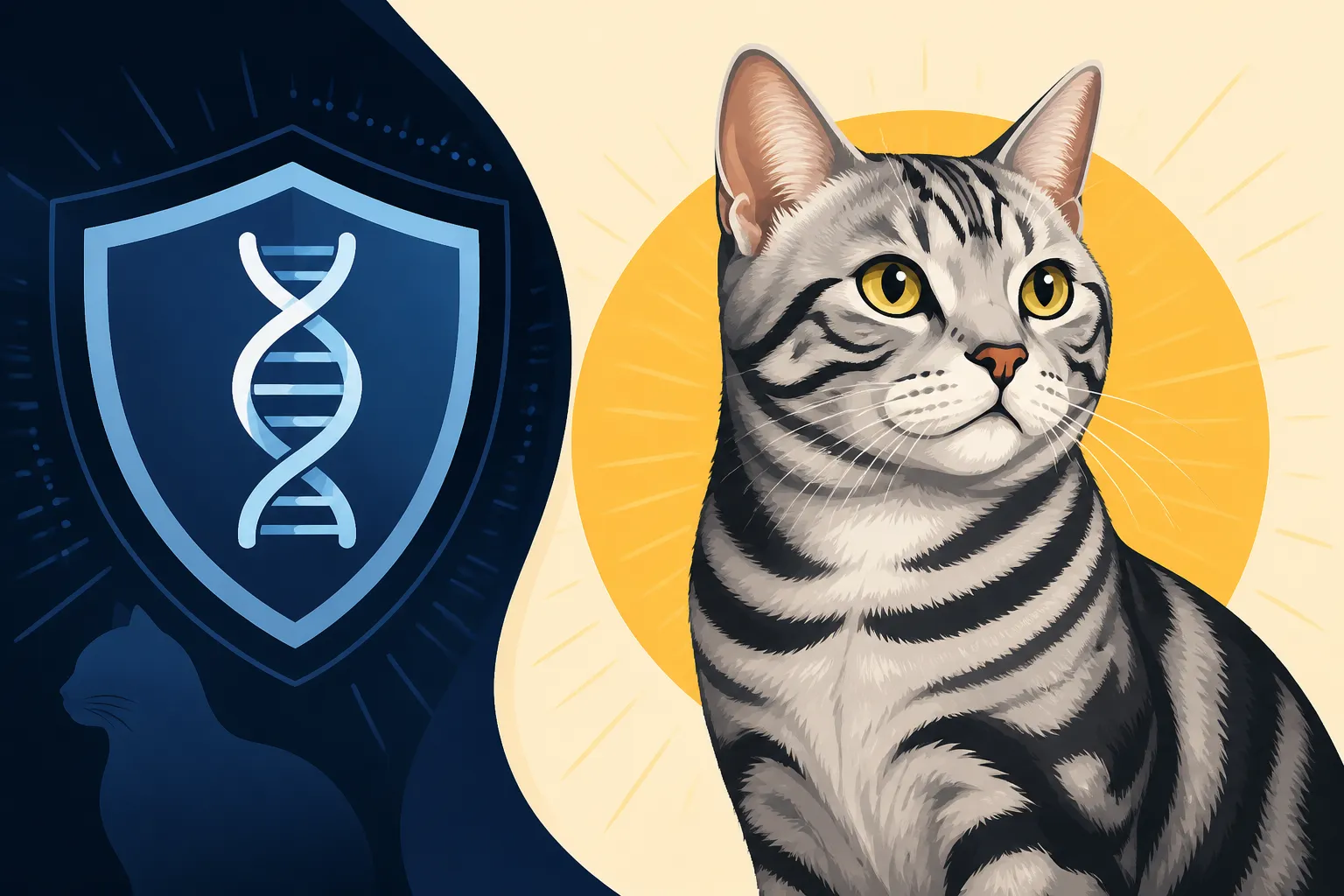
For some breeds, researchers have been able to isolate specific gene mutations responsible for HCM. This breakthrough allows for genetic testing, where a simple cheek swab can determine if a cat carries the gene, even before symptoms appear. This is incredibly powerful for breeders, enabling them to make informed decisions about breeding pairs and to remove affected individuals from the gene pool before they pass on the condition. However, for the American Shorthair, such a universally accepted, single, dominant genetic marker for HCM has not been widely identified or adopted for screening. This means breeders cannot simply perform a DNA test to "clear" their cats of HCM in the same way some other breeds can. The absence of this genetic roadmap makes the fight against HCM in American Shorthairs far more complicated.
The Challenges of a Broad Gene Pool
While the American Shorthair's broad gene pool is a blessing for its overall health, protecting it from many breed-specific issues, it presents a unique challenge when dealing with a condition like HCM. If HCM's genetic basis is polygenic—meaning it involves multiple genes interacting, possibly with environmental triggers—then a broad, diverse gene pool can actually make it harder to trace and eliminate. Instead of a clear "on/off" switch gene, you're dealing with a more diffuse, complex genetic predisposition scattered across a larger, more varied population. This contrasts sharply with breeds where a few foundational cats might have inadvertently propagated a single, identifiable mutation, making detection and removal simpler. It speaks to the nuances of How Wide the American Shorthair's Gene Pool Really Is.
Why Some Lines Still Carry the Risk
Even with conscientious breeding practices, if the specific genetic mechanisms for HCM aren't fully understood or easily tested for, some lines can unknowingly carry and pass on a predisposition to the disease. A breeder might have cats with clear echocardiograms that later develop HCM, or that produce offspring with HCM, even if the parents themselves never showed symptoms. This scenario is particularly frustrating because it means that even careful screening of breeding animals doesn't offer a 100% guarantee that a line is entirely free of the risk. It underscores the continuous vigilance required by responsible breeders who are committed to the health of the breed, constantly striving to understand and mitigate these subtle risks.
Screening Limitations and Their Impact
Given the complexities of HCM's genetic basis in American Shorthairs, robust screening protocols become paramount. However, even the best screening methods have their limitations, which contribute to the disease's persistence.
The Role of Echocardiograms in Detection
Since a reliable genetic test for HCM in American Shorthairs isn't widely available, the current gold standard for detection is a cardiac ultrasound, known as an echocardiogram. This non-invasive procedure allows a veterinary cardiologist to visualize the heart's structure, measure the thickness of its walls, and assess its function. It's the most effective way to diagnose HCM in a living cat, providing a phenotypic assessment – meaning it detects the physical manifestation of the disease rather than just the genetic predisposition. This direct visualization of the heart means that if a cat has thickening that meets the diagnostic criteria for HCM, an echo will likely find it. This is why many experts emphasize Why an Echo Beats a Gene Test in an American Shorthair for current American Shorthair breeding programs.
The "Snapshot in Time" Problem
Despite their effectiveness, echocardiograms suffer from one significant limitation: they are a "snapshot in time." A cat that screens clear today might develop HCM months or even years down the line, as the disease is progressive. This is particularly true for breeding cats, who might be cleared at a young age but could develop the disease later in life after they’ve already produced several litters. Because of this, responsible breeders often recommend regular, typically annual or biennial, echocardiogram screenings for their breeding animals to catch any late-onset developments. This continuous monitoring is a considerable commitment, but it’s essential to manage the risk. It also explains why How Many Years a Clear Scan Covers a Breeding American Shorthair is not a permanent clearance but a temporary one.
Cost and Accessibility Barriers
The rigorous screening necessary to combat HCM comes with its own set of challenges, namely cost and accessibility. A specialized cardiac echocardiogram must be performed by a board-certified veterinary cardiologist, not just any general vet. These specialists are not available in every town, meaning some breeders or owners might need to travel considerable distances. Furthermore, the cost of these specialized scans can be significant, often ranging from several hundred dollars per cat per screening. These financial and logistical hurdles can unfortunately limit how widely and frequently screening is performed, especially among less conscientious breeders or pet owners who might not be aware of the risks. This can inadvertently allow cats with undiagnosed HCM to remain in the breeding pool or for pet cats to go undiagnosed until symptoms become severe. This is where pet insurance, like policies from Healthy Paws, can be invaluable, helping to offset the high costs of specialized diagnostics and ongoing care. Knowing you have support for unexpected vet bills can make the decision to pursue thorough screening much easier.
Breeding Practices and Managing HCM Risk
Even without a definitive genetic test, responsible American Shorthair breeders play a critical role in minimizing HCM within the breed. Their dedication to health, transparency, and continuous screening is the best line of defense against this challenging disease.
Ethical Breeding and Regular Screening
Ethical breeding practices are the cornerstone of managing HCM risk in American Shorthairs. This means breeders commit to regularly screening their breeding cats with echocardiograms performed by a veterinary cardiologist. Any cat diagnosed with HCM, regardless of how mild the case, should be immediately removed from the breeding program. This proactive approach helps to prevent the proliferation of the disease through successive generations. While it's a significant investment of time and resources, these breeders understand that the long-term health of the breed depends on these careful decisions. They are also usually transparent about their screening results, offering prospective owners documentation. For anyone looking into the breed, it's wise to inquire What an American Shorthair Breeder Should Have Screened.
The Importance of Pedigree and Health History
As a prospective American Shorthair owner, your role is also crucial. Always ask breeders for comprehensive health paperwork for the parents of any kitten you are considering. This should include recent echocardiogram results from a certified veterinary cardiologist, showing that both parents are clear of HCM. A reputable breeder will be happy to provide this documentation and discuss their screening protocols openly. Understanding the health history of a kitten's lineage can provide valuable insight into potential risks. It’s also wise to check if Whether an American Shorthair Kitten Arrives With Health Paperwork is standard practice for the breeder you are considering. This transparency is a strong indicator of a breeder's commitment to producing healthy kittens.
The Ongoing Effort to Reduce Incidence
The fight against HCM in American Shorthairs is an ongoing, community-wide effort. Dedicated breeders work tirelessly, often in conjunction with veterinary cardiologists and breed clubs, to share information, refine screening protocols, and make informed breeding decisions. While a single, easy gene test remains elusive for this particular breed, consistent phenotypic screening (echocardiograms) combined with careful pedigree analysis has led to a reduction in HCM incidence in well-managed lines. This means that while HCM has survived in the American Shorthair, the efforts of the responsible breeding community are continually working to diminish its presence. For pet owners, supporting these breeders and considering pet insurance from providers like Healthy Paws can help ensure that if, by unfortunate chance, your American Shorthair does develop health issues, you're financially prepared to provide the best care possible. This collaborative approach, from breeders to owners, is essential to secure the long-term health legacy of this wonderful breed.
Disclaimer
The information provided in this article is for educational purposes only. While we aim to offer comprehensive and factual details, it should not be considered as actual medical advice. For accurate medical advice or treatment options, always consult with a licensed professional.