Whether the American Shorthair Gene Pool Is Still Open
One of the biggest worries for anyone looking into a purebred cat is the health implications that can come from a closed gene pool. You hear stories of certain breeds being prone to all sorts of genetic issues, and it makes you wonder if every carefully bred cat is destined for a life of vet visits. It’s a very real concern, and it leads many to ask: is the American Shorthair, a breed known for its robust health, still benefiting from an open gene pool, or has it become just as genetically restricted as some others? This guide will dive deep into the fascinating history and current status of the American Shorthair's genetic diversity.
The American Shorthair's Robust Beginnings
Unlike many modern cat breeds that were selectively bred for specific aesthetic traits from a very limited foundation, the American Shorthair has a much more practical and diverse origin. These were the working cats, the barn cats, the ship cats, arriving on North American shores with early settlers. Their role was clear: keep rodents in check. This meant that the gene pool wasn't "managed" in the early days; it was simply a melting pot of hardy, adaptable felines that proved their worth.
The Landrace Legacy and Natural Selection
Imagine cats from all corners of Europe, arriving on different ships, bringing their own unique genetic contributions to the nascent American colonies. These cats weren't selected for a particular ear shape or coat color; they were selected by survival. Only the fittest, the most adaptable, and the best hunters thrived and reproduced. This natural selection process meant that the cats contributing to what would eventually become the American Shorthair were inherently healthy, resilient, and possessed a wide array of genetic traits. They were a true landrace breed, evolving naturally within an environment rather than through human design. This broad foundation is a huge part of why The American Shorthair Is the Control Group of Cat Breeding, serving as a benchmark for what a healthy cat should be. It also explains Why Function Left the American Shorthair Fewer Faults compared to breeds developed solely for appearance.
Early Registration Practices and an Open Studbook
When cat fancy truly began to take shape in North America in the late 19th and early 20th centuries, these common, well-loved domestic shorthaired cats were among the first to be recognized. They were initially known as "Domestic Shorthairs," a name that truly encapsulated their everyday origins. Early registry practices were quite accommodating, effectively maintaining an "open studbook." This meant that if a cat met the physical standard established for the Domestic Shorthair (later American Shorthair), even if its parentage wasn't fully documented as "pedigreed," it could still be registered and integrated into the developing breed lines. This was a critical factor in ensuring continued genetic diversity. It wasn't about shutting out new blood; it was about identifying and preserving the best examples of these fantastic working cats. This practice of Whether Registering Random Bred Cats Kept the American Shorthair Sound played a massive role in building the breed's reputation for health and vigor. It wasn't until 1966 that the breed was officially renamed the American Shorthair, specifically to differentiate it from generic domestic short-haired cats and emphasize its distinct heritage and standards. The Rename That Separated the American Shorthair From the Alley Cat was a strategic move, but initially, it didn't completely close the doors to new, qualifying genetics.
The Evolving Definition of an "Open" Gene Pool in Breeding
The concept of an "open gene pool" isn't a static one; it evolves as a breed matures and gains recognition. In the very early stages of breed development, an open studbook is crucial for building a strong genetic foundation. However, as a breed becomes more established and its defining characteristics are solidified, registries often move towards more controlled systems.
The Role of Outcrossing in Maintaining Diversity
Outcrossing, the practice of breeding a purebred animal with an animal from a different, often unregistered, genetic background or a different breed entirely, has been a tool used by breeders to introduce new genetic material and bolster diversity. For the American Shorthair, early in its development, the "open studbook" policy effectively acted as a form of controlled outcrossing. It allowed for the infusion of robust, healthy domestic cats into the nascent pedigree lines, ensuring that the gene pool remained broad and resilient. This was vital in preventing the accumulation of recessive genetic health issues that can sometimes plague breeds with very narrow foundations. While deliberate outcrossing to other pedigree breeds is now rare and generally not allowed by major registries like the CFA for the American Shorthair, the breed's historical ability to incorporate diverse domestic genes is a testament to its foundational strength. This is partly why How Wide the American Shorthair's Gene Pool Really Is remains a point of pride for the breed.
When the Studbook "Closed" and What It Means Now
Over time, as the American Shorthair breed matured and its defining traits became consistently reproducible, the major cat registries, like the Cat Fanciers' Association (CFA), transitioned from a largely open studbook to a more "closed" system. What does a "closed studbook" mean in practical terms? It means that, generally, only cats whose parents are both registered American Shorthairs can themselves be registered as American Shorthairs. You can't just find a tabby in a shelter that looks like an American Shorthair and register it as such anymore, even if it perfectly fits What an American Shorthair Looks Like by the Standard. This shift aims to preserve the integrity and consistency of the breed standard that breeders have worked hard to establish.
It’s important to clarify that "closed" doesn't mean "stagnant" or "doomed." It simply means that new genetic material doesn't typically come from outside the registered pool. The focus shifts to careful management of the existing diversity within the registered population. While this can sound concerning to those worried about genetic bottlenecks, for the American Shorthair, its uniquely diverse foundation has historically given it a significant advantage. This closure was a gradual process, evolving as the breed cemented its identity after the renaming from Domestic Shorthair, which occurred because breeders wanted to distinguish their well-bred cats from every stray on the street. You can read more about Why the American Shorthair Was Called Domestic Shorthair Until 1966.
Current State of the American Shorthair Gene Pool
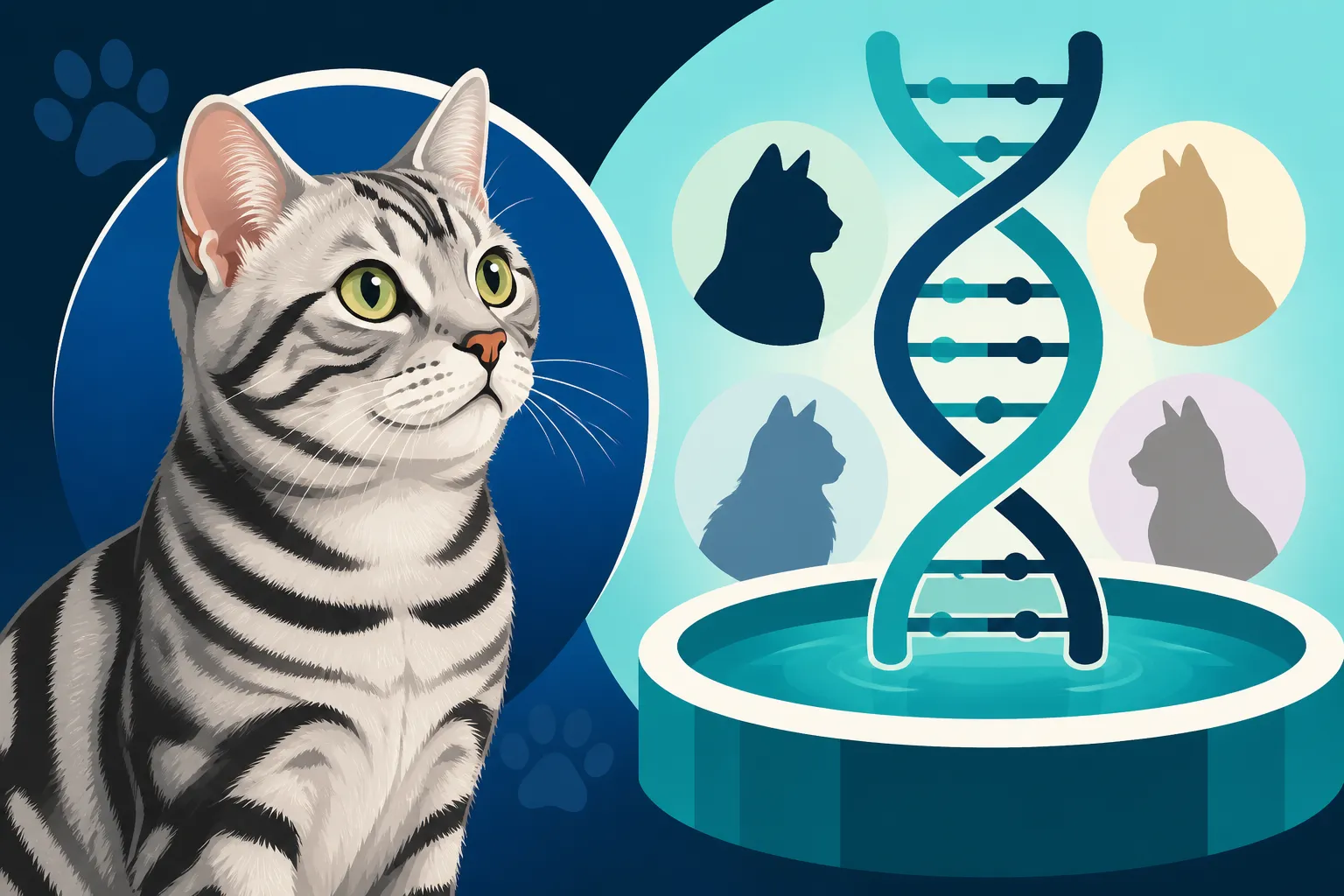
So, to answer the burning question: is the American Shorthair gene pool still open? In the traditional sense of allowing unregistered domestic cats into the formal pedigree lines, no, it is largely considered a closed studbook by major registries today. However, this doesn't mean the breed is suffering from a critically narrow gene pool. Far from it, thanks to its robust beginnings and the efforts of responsible breeders.
Contemporary Breeding Practices
Modern American Shorthair breeders understand the importance of genetic diversity, even within a closed studbook. They utilize tools like pedigrees to track lineage and practice careful selection to avoid excessive inbreeding. A good breeder will meticulously plan pairings, often looking back several generations to ensure sufficient genetic distance between breeding cats. They aim to produce healthy, well-socialized kittens that embody the breed standard without sacrificing vigor. This isn't just about avoiding visible defects; it's about maintaining overall vitality. They are acutely aware of the potential pitfalls of over-selection for extreme traits and prioritize health above all else. When you are looking for a kitten, asking Which Questions to Ask an American Shorthair Breeder should definitely include inquiries about their breeding philosophy regarding genetic diversity.
Genetic Testing and Health Screening
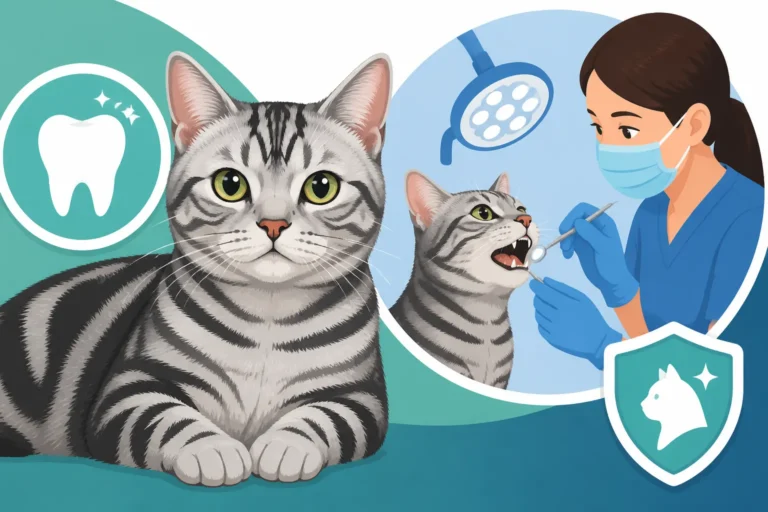
Even with a historically broad gene pool, diligent health screening remains paramount. While the American Shorthair is famously healthy, it's not immune to all issues. For instance, HCM Is the One Inherited Disease the American Shorthair Kept from its domestic ancestors. Responsible breeders conduct regular health tests on their breeding stock to identify and manage any potential genetic predispositions. This includes screening for conditions like Hypertrophic Cardiomyopathy (HCM) through echocardiograms. Some breeds have extensive DNA panels, but Whether the American Shorthair Has a Required DNA Panel is a different matter, reflecting its generally low incidence of inherited diseases. This proactive approach helps ensure that any cats carrying genes for health issues are not contributing to the next generation, thereby protecting the breed's overall health and maintaining the quality of its gene pool. It’s also wise for pet parents to consider pet insurance from providers like Healthy Paws, which can help cover unexpected veterinary costs for these occasional health issues, providing peace of mind and access to the best care for your beloved American Shorthair.
Here’s a look at how gene pool management typically progresses for pedigree breeds:
| Stage of Breed Development | Studbook Status | Characteristics & Goal | Impact on Diversity |
|---|---|---|---|
| Foundation | Open | Establishing core traits; incorporating diverse local populations. | Maximizes initial diversity; wide genetic base. |
| Early Development | Controlled Open | Refining standard; selective inclusion of qualifying domestic cats. | Continues to infuse new genetics, but more targeted. |
| Established Breed | Closed | Maintaining consistency within the established standard. | Diversity managed within the existing gene pool; relies on careful breeding. |
| Mature Breed | Closed | Preserving type and health; vigilance against genetic bottlenecks. | Requires sophisticated genetic management to avoid issues. |
Why the American Shorthair Is Used as a Health Benchmark
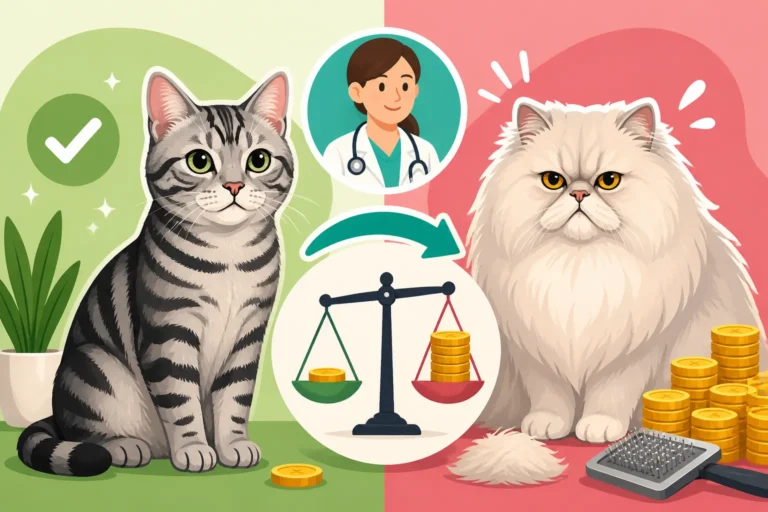
The American Shorthair's history as a working cat, chosen for its survival skills rather than its looks, means it started with an incredibly robust genetic foundation. This inherent hardiness is why the American Shorthair is often cited as a benchmark for good health in the feline world. Breeders have largely avoided the pitfalls of extreme breeding that can sometimes lead to health compromises in other breeds. This commitment to maintaining natural form and function has resulted in a cat that is generally quite healthy, with a long lifespan of The Fifteen to Twenty Years the American Shorthair Was Given, and Why an American Shorthair Costs a Vet Less Than a Persian over its lifetime. The careful management of the gene pool, even after its "closure" to outside domestics, has focused on preserving this natural vigor, rather than altering it for fleeting show trends. This commitment is why they have earned the reputation as Why the American Shorthair Is Used as a Health Benchmark. When owners invest in quality food and preventive care, with support from services like Healthy Paws, their American Shorthair is set up for a fantastic, healthy life.
While the "open door" for unregistered domestic cats into the American Shorthair pedigree studbook has largely closed, the breed still benefits immensely from its exceptionally diverse origins. Modern American Shorthair breeders continue to prioritize health and genetic diversity through careful selection and health screening, ensuring that this beloved breed remains the picture of feline robustness for generations to come.
Disclaimer
Please remember that while this article provides comprehensive information on the American Shorthair's gene pool, it is not a substitute for professional veterinary advice. Always consult with a qualified veterinarian regarding your pet's specific health and care needs. Individual cats can have unique health considerations, and responsible pet ownership includes regular veterinary check-ups and personalized care plans.