Why a Male American Shorthair Carries More Muscle
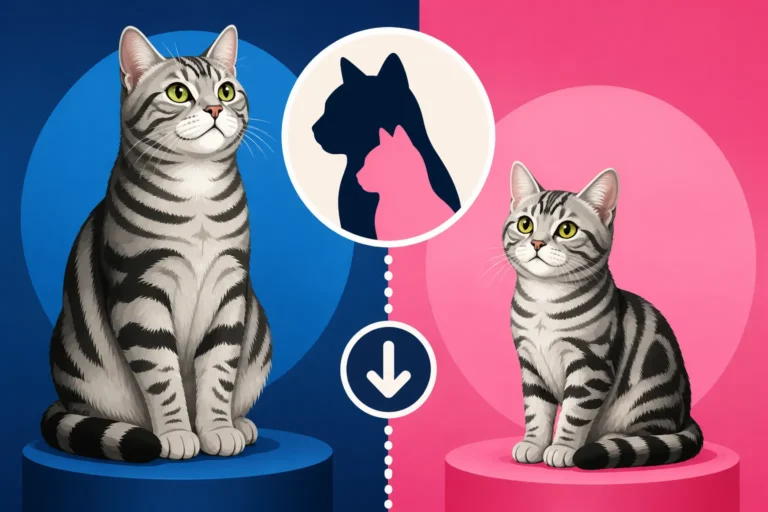
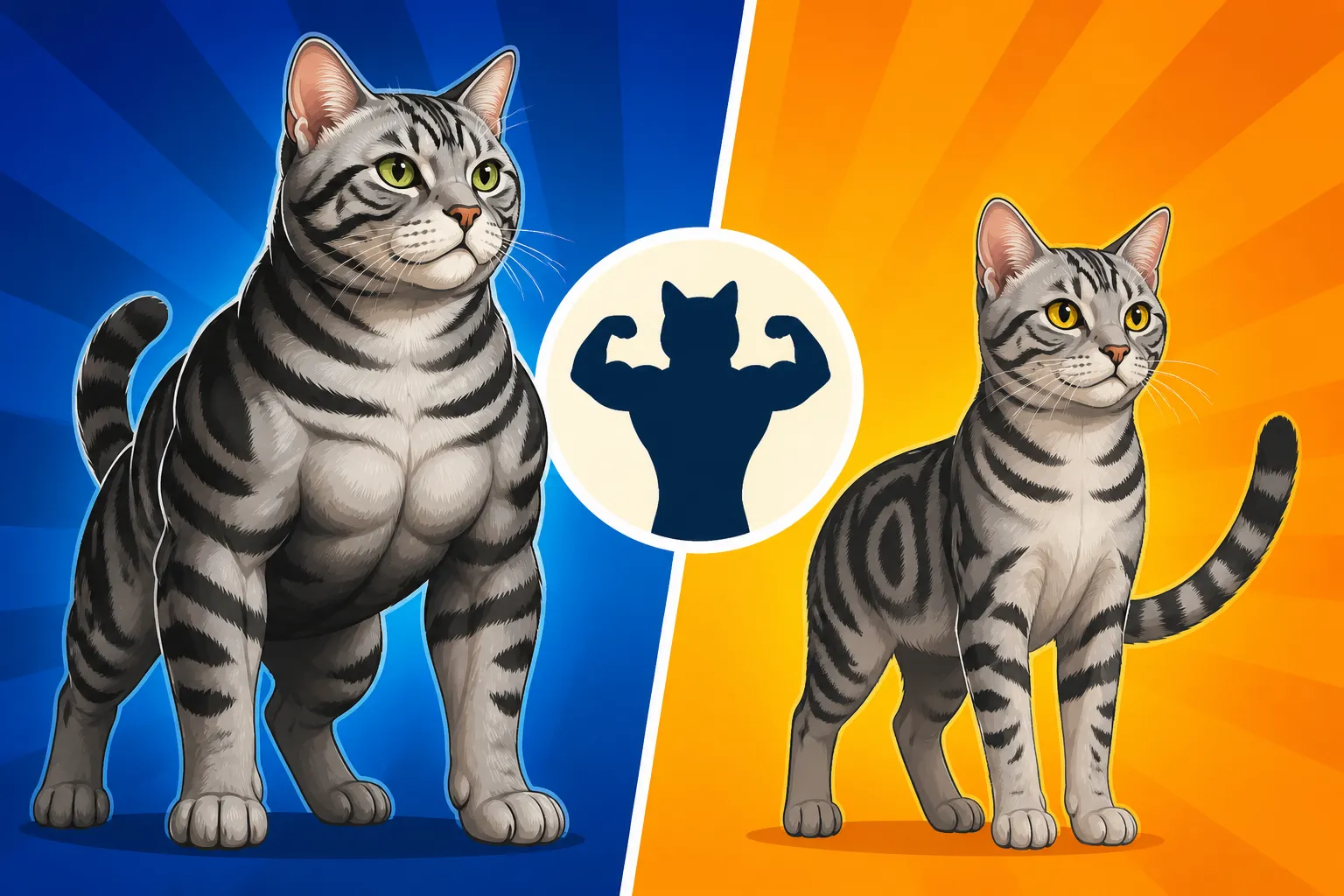
It's a common sight for American Shorthair owners: a male cat of the breed often looks noticeably more substantial, more muscular, and frankly, just bigger than his female counterparts. You might wonder if it's just your boy or if there's a real biological reason behind this difference in build. Many people mistakenly think it's just about eating more, but there's a fascinating interplay of genetics, hormones, and even lifestyle factors that contribute to why a male American Shorthair carries more muscle. This guide will delve into these reasons, helping you understand the unique physiology of your magnificent male American Shorthair.
The Genetic Blueprint for American Shorthair Muscle
When we talk about an American Shorthair's build, we're really talking about centuries of natural selection and a genetic foundation that has always favored strength and resilience. These cats were, after all, working animals first and foremost, bred for their ability to hunt and thrive in varied environments. That robust, muscular frame wasn't just for show; it was essential for survival. And within that lineage, distinct differences emerged between the sexes.
The Role of Sex Hormones in Feline Development
The most fundamental reason for the muscular difference between male and female American Shorthairs lies in their hormones. Just like in many other mammalian species, testosterone plays a pivotal role in male development, influencing everything from bone density to muscle mass. Male cats, or "toms," naturally produce higher levels of testosterone than females, and this hormone is a powerful anabolic agent, meaning it promotes tissue growth, particularly muscle tissue.
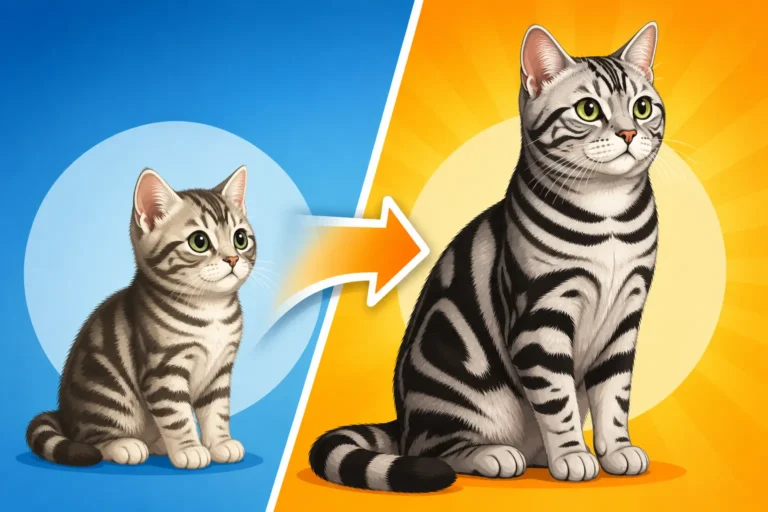
This hormonal difference starts becoming apparent as kittens mature. While both male and female American Shorthair kittens are equally playful and energetic, the males begin to develop a broader, more substantial frame as they approach adolescence and adulthood. Even if you've had your male neutered, the hormonal cascade during their early developmental months lays the foundation for their muscularity. Neutering later in life might slightly reduce the ultimate size and density compared to an intact male, but the inherent predisposition for a more muscular build remains. This genetic programming is why you'll often hear discussions about Why an American Shorthair Takes Three Years to Fill Out, as this is a breed that truly takes its time to develop its full, impressive form.
Ancestral Influences and Natural Selection
The American Shorthair's ancestors were hardy, self-sufficient cats that arrived on ships with early settlers. Their primary job was pest control, and they excelled at it. A strong, agile, and muscular body was a massive advantage in hunting mice, rats, and other vermin. Natural selection favored the cats that were most effective at their job, and often, the more robust and muscular males were more successful hunters and, by extension, more successful at passing on their genes.
This long history of working for their keep has etched itself into the breed's physical characteristics. Male American Shorthairs, with their larger heads, broader chests, and stockier builds, are a direct reflection of this past. They needed the strength to overpower prey, the endurance to patrol large territories, and the solid frame to withstand the rigors of an outdoor, working life. Even though many American Shorthairs today are beloved indoor companions, that ancestral blueprint for a powerful, muscular physique persists, particularly in the males. It's a testament to the breed's heritage, contributing to What an American Shorthair Looks Like by the Standard even in the modern show ring.
How Lifestyle and Environment Amplify Muscle Mass
While genetics and hormones lay the groundwork, your American Shorthair's daily life, including how much he moves and what he eats, plays a huge role in how much muscle he actually carries. It’s not enough to have the potential for muscle; it needs to be built and maintained through activity and proper nutrition.
Activity Levels and Energy Expenditure
Even as indoor cats, American Shorthairs retain a strong hunting instinct. The American Shorthair Still Hunts, Whether You Want It To or Not, and this innate drive encourages activity. Male American Shorthairs, often with larger territories in their minds (even if that territory is just your living room), can be quite active. They might patrol the house, stalk toys, climb cat trees, and engage in vigorous play sessions. This consistent physical activity helps to build and maintain muscle mass.
Think about it: a cat that regularly leaps onto high shelves, pounces on feather wands, and chases after crinkle balls is actively engaging his muscles. This regular exertion, even if it's just indoor play, contributes to a more toned and muscular physique. Without adequate opportunities for activity, even a genetically predisposed male American Shorthair can become soft or overweight, masking his natural muscularity. Interactive toys, regular play sessions with you, and vertical spaces like cat trees can all help provide the necessary outlets for their physical energy. You can find a huge variety of these types of enrichment items on sites like Chewy or Amazon.
Nutritional Needs for Peak Condition
Just like human athletes, a cat's muscles need fuel to grow and recover. A diet rich in high-quality animal protein is crucial for an American Shorthair, especially a male, to develop and maintain his impressive musculature. Protein provides the essential amino acids that are the building blocks of muscle tissue. If your cat isn't getting enough protein, or if the protein sources are of poor quality, he won't be able to achieve his full muscular potential, regardless of his genetic predisposition.
It's not just about protein, though. A balanced diet that provides appropriate calories, healthy fats, and necessary vitamins and minerals also supports overall health and muscle function. Portion control is incredibly important, as an American Shorthair, particularly one no longer actively hunting for every meal, can easily overeat and become overweight. This is a topic often discussed, such as in What an American Shorthair Should Weigh at Its Frame, because understanding your cat's ideal body condition is key to healthy feeding. Many premium cat foods are specifically formulated to support lean muscle mass and overall feline health.
Here’s a simplified look at the macronutrient needs for an adult American Shorthair, though individual needs will vary:
| Nutrient | Recommended Percentage of Calories (Dry Matter Basis) | Role in Muscle Development |
|---|---|---|
| Protein | 30-45% | Essential for muscle repair and growth |
| Fat | 15-30% | Energy, fatty acid absorption, overall health |
| Carbohydrates | <10% (ideally) | Minimal for muscle, can contribute to weight gain if too high |
Remember, these are general guidelines, and it's always best to consult your vet for precise dietary recommendations tailored to your specific cat's age, activity level, and health status.
Recognizing a Healthy Muscular Build vs. Obesity
Sometimes it can be tough to tell if your stocky American Shorthair is just wonderfully muscular or if he's carrying a bit too much weight. This is especially true for a breed known for its robust and square build. A healthy, muscular American Shorthair is a joy to behold, but obesity can lead to a host of health problems. Knowing the difference is crucial for their long-term well-being.
Body Condition Scoring for American Shorthairs
Body condition scoring (BCS) is a tool veterinarians use to assess a cat's overall fat reserves. It's not about the number on a scale, but rather how your cat's body feels and looks. For a muscular breed like the American Shorthair, this can be particularly important because their dense build might make them feel heavier than a leaner breed, even at a healthy weight. Learning How to Score a Square Built American Shorthair's Body Condition is an invaluable skill for any owner.
A male American Shorthair at an ideal body condition will have easily palpable ribs with a slight covering of fat. You should be able to feel his spine without it protruding, and his waist should be visible when viewed from above, even if subtle. When viewed from the side, his abdomen should tuck up slightly, not hang down. A healthy muscle tone means that when you gently palpate his legs and back, you feel firm muscle rather than soft fat. An overweight cat, in contrast, will have ribs that are difficult to feel, no discernible waist, and perhaps a prominent abdominal fat pad.
Maintaining Optimal Muscle Mass Throughout Life
Keeping your male American Shorthair in prime muscular condition isn't just about feeding him well; it's about a holistic approach to his care throughout his life. From kittenhood through his senior years, his needs will change, but the goal of maintaining lean muscle mass remains constant. Regular, interactive play sessions are vital to keep those muscles active and engaged. Feather wands, laser pointers (with a tangible "catch" at the end to prevent frustration), and puzzle feeders can all encourage movement and mental stimulation.
As your American Shorthair ages, his metabolism might slow down, and his activity levels might naturally decrease. This is when it's particularly important to adjust his caloric intake and ensure he's still getting enough protein to prevent muscle wasting (sarcopenia) that can come with age. Your vet can recommend senior-specific diets that support joint health and lean muscle. You might find that Caring for an American Shorthair Past Twelve requires a more attentive eye to diet and exercise. Keeping them active and engaged, even with gentler play, helps support mobility and quality of life. Regular veterinary check-ups are also key to catch any underlying health issues that might affect muscle mass or lead to unhealthy weight gain. It's all about balancing their natural, muscular predisposition with the reality of their indoor, pampered lives.
Disclaimer
This article is for general informational purposes only and does not constitute professional advice. Laws, prices and regulations vary by location and change over time. Consult a qualified professional for guidance on your specific situation.