How Slowly an American Shorthair Should Lose Weight
It's a tough pill to swallow when you realize your beloved American Shorthair, a breed known for its robust and sturdy build, has started to pack on a few too many pounds. You look at their once trim, muscular frame and see a rounder belly, maybe even a little "pouch" that wasn't there before. It's frustrating because you want them to be healthy, but how do you even begin to help a cat lose weight without risking their well-being? This guide is going to walk you through exactly how slowly an American Shorthair should lose weight, focusing on safe, sustainable methods that protect their health and keep them purring happily.
Understanding the American Shorthair's Metabolism and Weight Gain
The American Shorthair is a magnificent cat, celebrated for its strong, utilitarian build, a direct inheritance from its working ancestors. These were the cats that sailed with settlers, guarded barns, and kept homes free of rodents. Their bodies were honed for activity, for quick bursts of energy, and for maintaining muscle mass. But in our modern homes, that inherent design, coupled with a keen appetite, can sometimes work against them, making weight management a real challenge.
The Legacy of a Working Breed's Appetite
Think about the life of an American Shorthair's ancestors. They were literally working for their meals. Hunting required energy, patience, and a strong drive to find and consume food when it was available. This history imbued them with a robust appetite and an efficient metabolism, designed to make the most of every calorie. They weren't just eating for pleasure; they were eating for survival and performance. Today, that instinct persists. Your American Shorthair still has that underlying drive, even if their "hunt" now involves sauntering to a bowl that's always full. This strong food drive means they can easily overeat when food is constantly accessible or portions are too generous, leading to incremental weight gain over time. It's not their fault; it's simply their ancient programming bumping up against a very different modern reality. This is why understanding Why Ending the Mousing Job Made the American Shorthair Heavy is so crucial to their current dietary needs.
The Sedentary Reality of Indoor Living
While keeping our American Shorthairs indoors protects them from many dangers—traffic, predators, infectious diseases—it also drastically reduces their activity levels. A cat that once roamed acres, climbing, hunting, and marking territory, now navigates a living room and maybe a cat tree. This dramatic shift means their caloric needs are significantly lower than their ancestors'. Yet, many owners continue to feed them as if they still need that working cat's energy output. This mismatch between caloric intake and energy expenditure is the primary culprit behind feline obesity. Even the most playful American Shorthair often doesn't burn enough calories in a day to justify free-feeding or oversized portions of dense, calorie-rich commercial cat food. How Few Calories an Indoor American Shorthair Burns is often a shocking realization for many owners. The sheer lack of consistent, high-intensity activity means every extra kibble counts.
The Dangers of Rapid Weight Loss for Cats
When you realize your American Shorthair is overweight, your first instinct might be to drastically cut their food. It's a natural human response to weight gain: eat less, move more. But for cats, especially those carrying excess weight, rapid weight loss can be incredibly dangerous and even life-threatening. Their unique physiology means they process fats differently than humans or dogs, making them highly susceptible to a severe condition if weight loss is too fast.
Hepatic Lipidosis: The Silent Killer
The most serious risk associated with rapid weight loss in cats is hepatic lipidosis, often called "fatty liver disease." When a cat suddenly stops eating or significantly reduces its caloric intake, its body starts mobilizing fat stores at an accelerated rate to compensate for the lack of energy. Unlike other species, a cat's liver isn't equipped to handle this rapid influx of fat. The fat overwhelms the liver's processing capacity, leading to a dangerous buildup of lipids (fats) within the liver cells. This impairs liver function, and without prompt, aggressive veterinary intervention, it can be fatal. It's a truly terrifying condition that can sneak up on you. You might just think your cat is being a bit picky or unwell, but meanwhile, their liver is struggling. This is precisely Why Fast Weight Loss Gives an American Shorthair Fatty Liver.
Muscle Loss vs. Fat Loss
Another critical concern with too-rapid weight loss is the undesirable loss of lean muscle mass instead of fat. When a cat isn't getting enough protein and calories, its body will break down muscle tissue for energy, alongside fat. For a breed like the American Shorthair, built on a foundation of strong musculature, losing muscle is counterproductive to their overall health, mobility, and quality of life. Muscle is essential for supporting their joints, maintaining strength, and keeping their metabolism running efficiently. Rapid weight loss programs that aren't carefully balanced often prioritize caloric restriction without adequate protein, leading to a weaker, less healthy cat even if the number on the scale goes down. We want to reduce fat, not diminish their powerful working frame. What Extra Weight Does to an American Shorthair's Working Frame often highlights how crucial muscle support is.
Establishing a Safe and Effective Weight Loss Rate
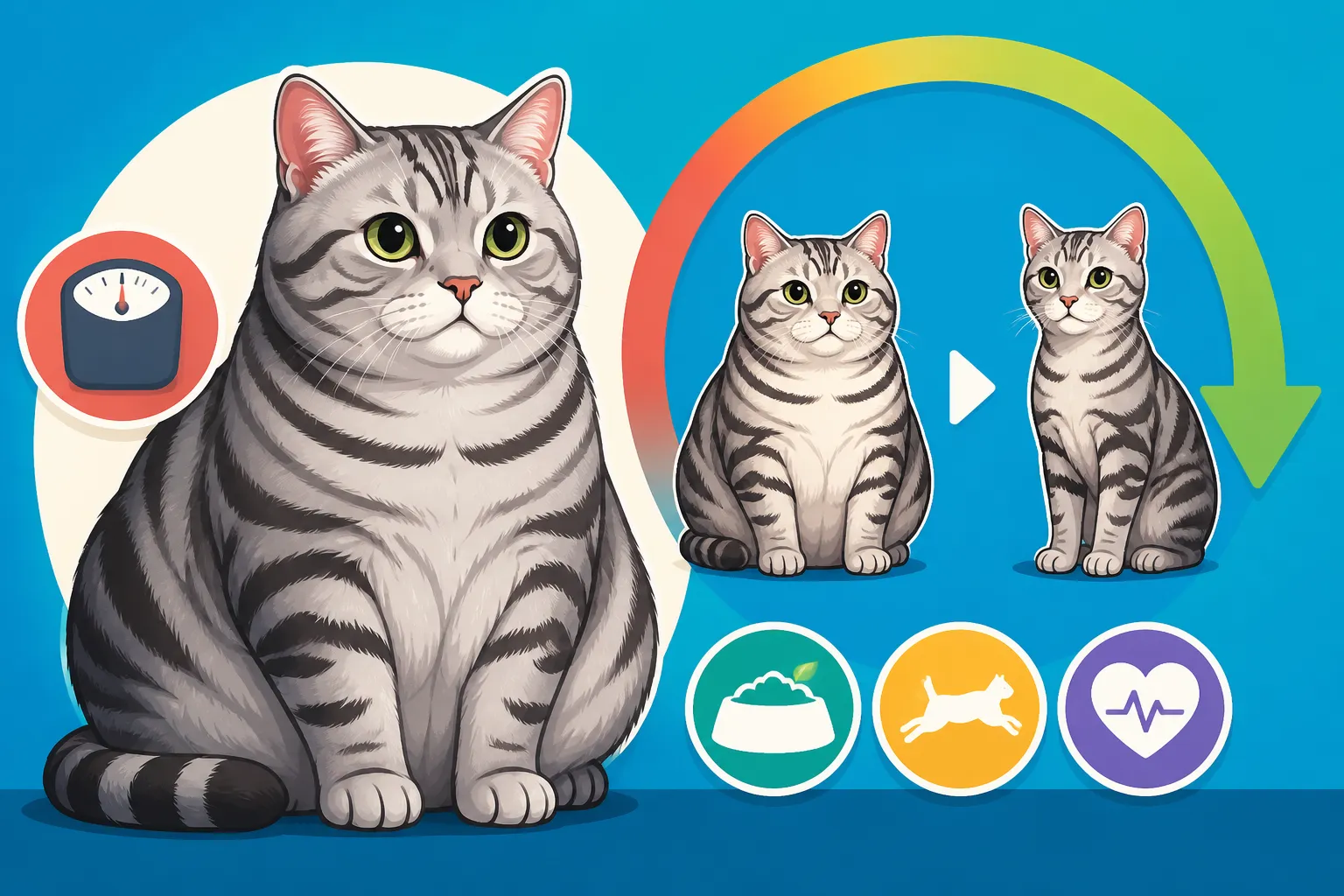
So, how quickly should your American Shorthair lose weight? The key is slow and steady. This isn't a sprint; it's a marathon, and patience is your best friend here. Working with your veterinarian is paramount to set realistic goals and monitor progress safely.
The "Sweet Spot" for Healthy Weight Reduction
For cats, a safe and healthy rate of weight loss is generally considered to be 1% to 2% of their total body weight per month. This might sound agonizingly slow, especially if your cat has a significant amount of weight to lose, but it's the rate that minimizes the risk of hepatic lipidosis and helps ensure that the weight lost is primarily fat, not muscle.
Let's put this into perspective with an example:
If your American Shorthair weighs 15 pounds (and should ideally weigh 12 pounds), a 1-2% monthly loss means:
- 1% of 15 lbs = 0.15 lbs (2.4 ounces) per month
- 2% of 15 lbs = 0.30 lbs (4.8 ounces) per month
So, in a month, you're looking to lose just a few ounces. Over six months, this could equate to 1 to 2 pounds, which is a significant and healthy achievement. It requires dedication, consistency, and a keen eye on their intake and activity. Remember, even though American Shorthairs are typically robust, their internal systems are sensitive to drastic changes.
Here’s a quick overview of safe versus risky weight loss:
| Factor | Safe Weight Loss | Risky Weight Loss |
|---|---|---|
| Rate | 1-2% of body weight per month | >2% of body weight per month (or sudden drastic drop) |
| Goal | Gradual, sustainable fat reduction | Quick visible reduction, often involving muscle loss |
| Dietary Approach | Controlled portions, high protein, moderate fat | Severe calorie restriction, often low protein |
| Energy Levels | Maintained or improved | Lethargy, decreased activity |
| Health Risks | Minimal, focuses on overall well-being | High risk of hepatic lipidosis, nutrient deficiencies |
| Veterinary Role | Essential for guidance and monitoring | Often bypassed or ignored, leading to complications |
Tracking Progress and Making Adjustments
You can't manage what you don't measure. Regular weigh-ins are crucial. Your vet might have a scale you can use, or you might invest in a pet-specific scale for home. Weigh your cat at the same time of day, ideally before a meal, to keep readings consistent. Document the weight each week or every couple of weeks. Don't get discouraged if progress seems slow or if there are minor fluctuations. Weight loss is rarely a perfectly linear journey.
If your American Shorthair isn't losing weight, or if they're losing it too quickly, it's time to consult your vet. They can help you re-evaluate their caloric intake. Sometimes, a slight adjustment in portion size or food type is all that's needed. They might also recommend specific prescription weight-loss diets that are formulated to be lower in calories while still providing all essential nutrients and a higher protein content to preserve muscle. You can often find these specialized diets through retailers like Chewy, making it convenient to get what you need. How a Vet Builds an American Shorthair's Weight Loss Plan is a detailed look at this collaborative process.
Practical Strategies for Sustainable Weight Management
Achieving safe and sustainable weight loss for your American Shorthair involves a two-pronged approach: careful dietary adjustments and increased, appropriate activity. It's about making lifestyle changes that are manageable for both you and your cat, transforming their daily routine into one that supports a healthy weight.
Dietary Adjustments for the American Shorthair
This is where the rubber meets the road. Simply cutting back on their current food might not be enough, especially if it's not a high-quality, protein-rich option.
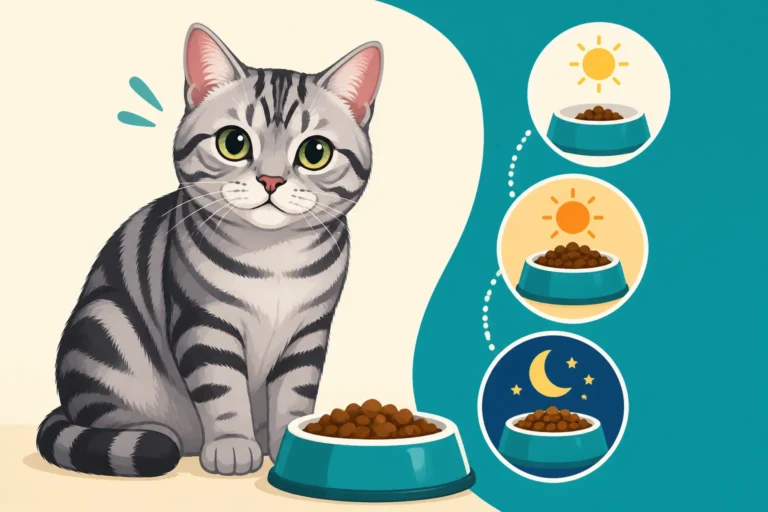
- Precise Portion Control: This is the most fundamental step. Free-feeding, where food is left out all day, is a recipe for weight gain in a cat with an ancestral hunting drive. Measure every single meal accurately. Your vet will give you a target caloric intake based on your cat's ideal weight. Use a kitchen scale for precision, as measuring cups can be inaccurate. How Many Calories a Working Framed American Shorthair Needs a Day can give you an idea of typical requirements, but your vet's recommendation is key.
- Transition to High-Quality, High-Protein Food: Look for foods with real meat as the first ingredient. High protein helps your cat feel full, preserves lean muscle mass during weight loss, and supports their natural carnivorous needs. Many commercial diets are packed with fillers and carbohydrates that are less beneficial for a cat's metabolism. Some owners find success with fresh food options, which often have higher moisture content and less filler. Portioned fresh food that can be tailored to your cat's specific caloric needs makes it easier to manage their intake.
- Increase Moisture Intake: Wet food is generally lower in calories per serving than dry kibble and helps keep your cat hydrated, which is good for overall health, including kidney function. If your American Shorthair is currently on an all-kibble diet, gradually transitioning to a mixed diet or primarily wet food can be highly beneficial. This also helps them feel fuller for longer.
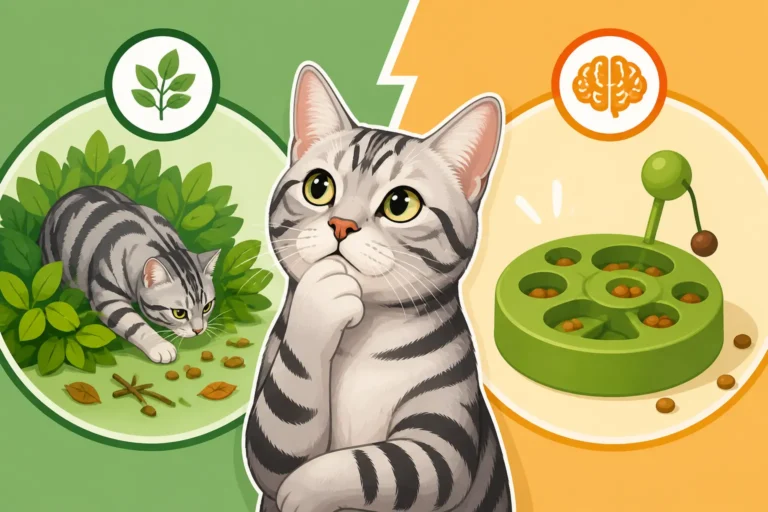
- Consider Puzzle Feeders: These ingenious devices make your cat "work" for their food, mimicking their natural hunting behavior. Instead of gulping down a meal in minutes, they have to use their paws and brains to extract individual kibbles or treats. This slows down eating, provides mental stimulation, and burns a few extra calories. You can find a wide variety of puzzle feeders on Amazon or Chewy. Whether a Puzzle Feeder Satisfies an American Shorthair is a question many owners ask, and the answer is usually a resounding yes!
Boosting Activity Levels Without Overdoing It
Getting your American Shorthair moving more is the other half of the weight loss equation. Remember, they were built for action, so tapping into those instincts is key.
- Scheduled Play Sessions: Integrate dedicated play sessions into your daily routine. Aim for two to three 10-15 minute sessions, especially around dawn and dusk, when cats are naturally more active. Use interactive toys like wand toys that mimic prey. Let them chase, stalk, pounce, and catch the "prey" at the end of the session to satisfy their hunting drive.
- Encourage Exploration: Make your home more stimulating. Cat trees, shelves, and window perches give them vertical territory to explore. Hide portions of their measured food around the house (if using dry kibble) to encourage foraging, turning mealtime into a mini-hunt.
- Consider a Harness and Leash (Carefully!): While not for every American Shorthair, some enjoy supervised outdoor adventures on a harness and leash. This offers new sights, sounds, and smells, stimulating their senses and providing exercise. Start slow and always prioritize safety.
- Monitor for Joint Issues: If your American Shorthair is significantly overweight, they might already have stressed joints. How Weight Wears Out an American Shorthair's Joints is a serious concern. Consult your vet before starting any strenuous exercise routine, and be observant. If they seem stiff or reluctant to jump, a gentler approach to activity might be needed initially, perhaps incorporating joint supplements as recommended by your vet.
- Re-evaluate Ideal Weight: As your cat loses weight, periodically assess their body condition. You should be able to easily feel their ribs when gently running your hands along their sides, without them being visible. They should have a discernible waist when viewed from above, and their abdominal tuck should be evident when viewed from the side. If you're unsure, your vet can help you assess How to Judge an American Shorthair's Ideal Weight by Frame or How to Find the Ribs on a Square Built American Shorthair.
Helping your American Shorthair shed those extra pounds is a journey that requires patience, consistency, and a deep understanding of their unique needs. It's an act of love that will contribute significantly to their long-term health and happiness.
Disclaimer
This article is for general informational purposes only and does not constitute professional advice. Laws, prices and regulations vary by location and change over time. Consult a qualified professional for guidance on your specific situation.