Which Blood Values Matter Most in an American Shorthair
It can feel incredibly daunting when your vet hands you a sheet full of acronyms and numbers after your American Shorthair’s annual check-up, especially when you’re just looking for reassurance that your stoic companion is truly healthy. It’s easy to feel lost in the jargon, wondering which of these values actually matter for your particular feline friend. This comprehensive guide will walk you through the most crucial blood values for American Shorthairs, explaining what they mean, why your vet is looking at them, and how they contribute to understanding your beloved cat's overall well-being.
Understanding the Baseline: Why Bloodwork is Essential for Your American Shorthair
For many American Shorthair owners, their cat’s seemingly robust nature can sometimes be a double-edged sword. These wonderful cats are known for their quiet, independent demeanor and often hide illness until it's quite advanced. This inherent stoicism means that routine bloodwork isn't just a suggestion; it's a vital tool for early detection and proactive health management.
The Routine Annual Check-up and What It Reveals
That yearly vet visit, which often includes bloodwork, might seem like a formality, especially if your American Shorthair appears perfectly fine. However, these routine panels establish a baseline for your cat. Every cat is an individual, and while there are general reference ranges, knowing what’s normal for your American Shorthair allows your vet to spot subtle shifts over time. This is particularly important as your cat ages, giving insights into its unique health trajectory. It’s like having a detailed map of their internal landscape, ensuring no stone is left unturned in their long-term care.
Identifying Silent Killers: When American Shorthairs Hide Illness
American Shorthairs, with their heritage as working cats, are champions at masking pain and discomfort. This instinct, developed over centuries of self-sufficiency, means they rarely complain. A cat can be experiencing significant organ dysfunction, dental pain, or early stages of metabolic disease, and you might not notice a single outward symptom. Blood tests cut through this silence, revealing issues that are brewing long before they become visible crises. For instance, early kidney changes, which can be devastating if left unchecked, often show up in bloodwork before your cat starts drinking excessively or losing weight. This proactive approach can make all the difference in catching and addressing problems like these. You might find yourself delving deeper into topics like Why an American Shorthair Needs a Yearly Heart Scan or How Many Years Extra Weight Takes Off the American Shorthair's Lifespan after an initial bloodwork reveals potential risks.
Establishing Your Cat's Unique Normal Values
Beyond general population averages, your American Shorthair has its own "normal." Factors like age, diet, activity level, and even genetic predispositions can influence what constitutes a healthy range for an individual cat. A comprehensive blood panel helps create a personalized health record. If your cat has an elevated liver enzyme at age five that remains consistent for years, your vet knows that's likely a benign individual variation. However, if that same enzyme suddenly jumps at age ten, it's a red flag. This historical data is invaluable, allowing your vet to interpret current results within the context of your cat’s specific health journey rather than just comparing them to a generic chart.
Key Indicators of Organ Function: Kidney, Liver, and Pancreas
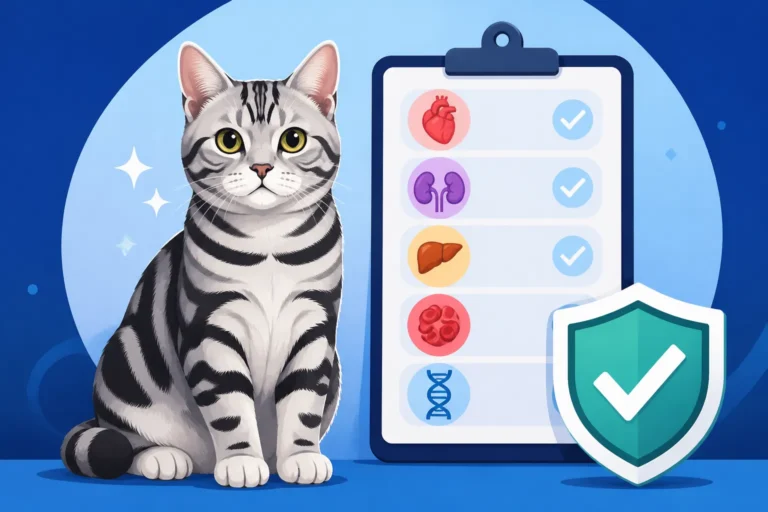
When we talk about an American Shorthair’s blood values, some of the most critical markers relate directly to the health of their vital organs. The kidneys, liver, and pancreas are workhorses, tirelessly filtering toxins, metabolizing nutrients, and regulating essential bodily processes. Any dip in their function can have widespread implications, making these blood tests cornerstones of feline diagnostics.
Decoding Kidney Health: BUN, Creatinine, and SDMA
Kidney disease is a common concern as cats age, and American Shorthairs are no exception. The main blood values your vet scrutinizes for kidney function are Blood Urea Nitrogen (BUN), Creatinine, and Symmetric Dimethylarginine (SDMA). BUN and Creatinine have long been the go-to indicators, representing waste products that healthy kidneys efficiently filter out. When these levels rise, it signals that the kidneys aren't doing their job as effectively.
However, the newer SDMA test is a game-changer because it can detect kidney disease much earlier than BUN and Creatinine, often when as little as 25% of kidney function is lost, compared to 60-75% for the older markers. This early warning system is incredibly valuable for stoic American Shorthairs, allowing for interventions that can slow progression and improve quality of life. Elevated values here mean your vet might discuss dietary changes, hydration strategies, or even medications. It's truly a testament to how far veterinary medicine has come in helping our feline companions age gracefully, especially when you consider how crucial early detection is for conditions like How Kidney Disease Creeps Up on an Old American Shorthair.
Liver Enzyme Insights: ALT, ALKP, and Bilirubin
The liver is a powerhouse, responsible for detoxification, protein synthesis, and metabolism. When your American Shorthair's bloodwork flags elevated liver enzymes like Alanine Aminotransferase (ALT) and Alkaline Phosphatase (ALKP), it often indicates liver cell damage or bile flow issues. ALT is quite specific to the liver in cats, meaning a high level almost certainly points to a liver problem. ALKP, while also liver-related, can sometimes be elevated due to other conditions, such as certain medications or bone growth in younger animals, so context is key.
Bilirubin, a byproduct of red blood cell breakdown, is another important marker. High bilirubin levels can suggest issues with bile ducts or more severe liver dysfunction. While temporary elevations can occur from stress or certain medications, persistently high levels warrant further investigation, as they can indicate anything from inflammation to more serious conditions like cholangitis or hepatic lipidosis, especially if your cat shows signs like jaundice. Understanding these values helps your vet pinpoint the nature and severity of any liver concerns, guiding treatment to keep your cat's internal processing plant running smoothly.
Pancreatic Health and Blood Glucose: Amylase, Lipase, and Fructosamine
The pancreas plays a dual role: producing digestive enzymes and hormones like insulin. Pancreatitis, an inflammation of the pancreas, can be painful and serious, and traditional markers like Amylase and Lipase aren't always definitive in cats. Instead, your vet might look at specific feline pancreatic lipase immunoreactivity (fPLI) tests, which are more accurate for diagnosing pancreatitis in cats.
Blood glucose, or blood sugar, is another critical value, directly reflecting the pancreas's insulin production and regulation. Persistently high blood glucose can indicate diabetes mellitus, a condition that, while manageable, requires careful monitoring and often insulin therapy. For American Shorthairs, who can be prone to weight gain if not managed carefully, monitoring glucose is particularly important. A long-term glucose marker, Fructosamine, gives an average blood glucose level over the past 2-3 weeks, providing a more comprehensive picture than a single glucose reading, which can be influenced by stress. If your vet notes concerns here, it's definitely a time to discuss topics like How Weight Turns Into Diabetes in an American Shorthair and explore how to keep your cat's metabolism balanced.
Red and White Blood Cell Counts: Your Cat's Immune System and Oxygen Levels
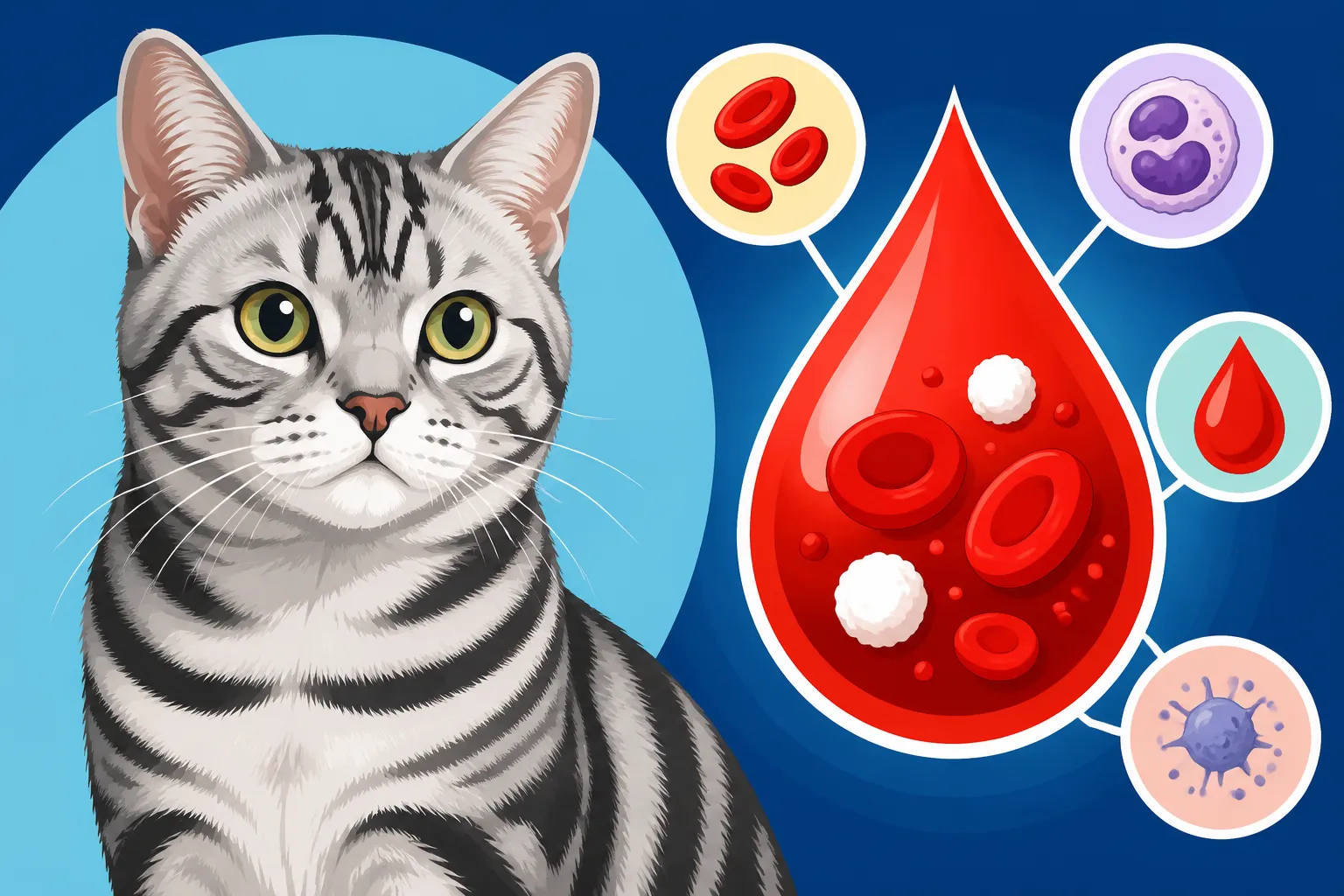
Beyond organ function, blood tests provide a detailed look at the cellular components of your American Shorthair’s blood. The complete blood count (CBC) offers a snapshot of their red blood cells, white blood cells, and platelets – each playing a vital role in oxygen transport, immunity, and clotting.
The Importance of Red Blood Cells: PCV, Hemoglobin, and Anemia
Red blood cells are the unsung heroes, carrying oxygen from the lungs to every tissue in your American Shorthair's body. The Packed Cell Volume (PCV) or Hematocrit, along with Hemoglobin levels, are primary indicators of red blood cell health. A low PCV or hemoglobin level signifies anemia, meaning your cat isn't getting enough oxygen. Anemia isn't a disease itself but a symptom of an underlying issue, ranging from chronic kidney disease (which affects red blood cell production) to internal bleeding, parasitic infections, or immune-mediated conditions.
Identifying anemia through bloodwork is crucial for these stoic cats, as outward signs might be subtle – perhaps just a bit less energy or paler gums, which can be easily missed. Your vet will dig deeper to find the cause, as treating the anemia successfully depends entirely on resolving the root problem. Healthy Paws, and other pet insurance providers, often emphasize the importance of diagnostics for uncovering these kinds of issues early.
White Blood Cells: Guardians of Immunity and Inflammation Markers
White blood cells are your American Shorthair's immune system soldiers, each type with a specific job. The total white blood cell count (WBC) can indicate infection or inflammation. For instance, an elevated neutrophil count (a type of white blood cell) often points to a bacterial infection or significant inflammation, while increased lymphocytes might suggest a viral infection or chronic inflammatory state. Eosinophils, another type, often rise with allergic reactions or parasitic infestations.
Conversely, a low white blood cell count can be a sign of viral infections (like feline panleukopenia), bone marrow issues, or even certain medications. Interpreting these nuanced changes allows your vet to narrow down potential causes of illness, even when your American Shorthair is doing its best to hide how it feels. This detailed insight into their immune status helps guide appropriate treatments, from antibiotics to anti-inflammatory medications.
Platelets and Clotting Ability
Platelets are tiny cell fragments essential for blood clotting, preventing excessive bleeding from injuries. A normal platelet count ensures that your American Shorthair's blood can clot effectively. A low platelet count (thrombocytopenia) can indicate a variety of serious conditions, including immune-mediated diseases where the body destroys its own platelets, certain infections, or bone marrow suppression.
While less common to see issues with platelets in a generally healthy American Shorthair, it's a critical value to monitor, particularly if your cat has a history of trauma, internal bleeding, or is being prepared for surgery. Any concerns here would lead your vet to investigate further, as adequate clotting function is fundamental to your cat's safety and recovery from injury or medical procedures.
Electrolytes and Minerals: The Balance Keepers
Maintaining the delicate balance of electrolytes and minerals in your American Shorthair’s body is crucial for virtually every physiological process, from nerve impulses to muscle contractions and bone health. Imbalances in these values can indicate serious underlying issues, often linked to hydration, kidney function, or hormonal regulation.
Sodium, Potassium, and Chloride: Crucial for Hydration and Nerve Function
Sodium, potassium, and chloride are the primary electrolytes, and their balance is absolutely vital for your American Shorthair's hydration, nerve impulses, and muscle function, including the heart. Abnormal levels can be particularly telling. For example, high sodium (hypernatremia) might suggest dehydration or problems with water retention, while low sodium (hyponatremia) could point to kidney disease, heart failure, or Addison's disease (though rare in cats).
Potassium levels are also extremely important. High potassium (hyperkalemia) can be life-threatening, often seen with acute kidney failure, urinary blockages (a more common issue in male cats, see Why a Male American Shorthair's Urethra Blocks First), or Addison's. Low potassium (hypokalemia) can cause muscle weakness and is often associated with chronic kidney disease or certain medications. Monitoring these electrolytes carefully provides valuable insights into overall fluid balance and internal stability, especially in sick or older cats.
Calcium and Phosphorus: More Than Just Bones
While most people associate calcium and phosphorus with strong bones, these minerals play extensive roles in cellular function, energy metabolism, and nerve transmission. Their balance is also intricately linked to kidney health and parathyroid gland function. High calcium levels (hypercalcemia) can be a red flag for various conditions, including certain types of cancer, kidney disease, or hyperparathyroidism. Symptoms might be subtle in an American Shorthair, from increased thirst to lethargy, so bloodwork is key to detection.
On the other hand, low calcium (hypocalcemia) can lead to muscle tremors or seizures, though it's less common than hypercalcemia. Phosphorus levels are often looked at in conjunction with calcium. In cats with kidney disease, phosphorus levels tend to rise as the kidneys struggle to excrete it, which can further disrupt calcium balance and contribute to bone problems. Maintaining the proper ratio between calcium and phosphorus is essential for long-term health, and imbalances often prompt further investigation into kidney or endocrine function.
Thyroid Health and Other Crucial Markers for the American Shorthair
As American Shorthairs age, particularly past their prime, certain hormonal and metabolic conditions become more prevalent. Regular bloodwork often includes tests that monitor these, catching issues like thyroid imbalances before they significantly impact quality of life.
Unmasking Hyperthyroidism: T4 Levels in Older Cats
Hyperthyroidism, an overactive thyroid gland, is one of the most common endocrine diseases in older cats, including American Shorthairs. The T4 (thyroxine) level in the blood is the primary diagnostic test for this condition. An elevated T4 indicates that the thyroid gland is producing too much hormone, which speeds up the cat’s metabolism to an unhealthy degree. This can lead to weight loss despite a ravenous appetite, hyperactivity, increased thirst and urination, and even heart problems if left untreated.
Because American Shorthairs can be so good at masking initial symptoms, routine T4 screening is often recommended for all cats over the age of seven or eight. Catching hyperthyroidism early allows for effective management, whether through medication, dietary changes, or other treatments, significantly improving your cat's comfort and longevity. This proactive screening aligns with the care discussed in articles like Caring for an American Shorthair Past Twelve.
Total Protein and Albumin: Nutritional Status and Inflammation
Total protein and albumin are important general indicators of your American Shorthair's nutritional status, hydration, and the presence of inflammation or disease. Albumin is the most abundant protein in the blood, synthesized by the liver, and plays a critical role in maintaining fluid balance within blood vessels. Low albumin (hypoalbuminemia) can suggest liver disease, kidney disease (where protein is lost in urine), malnutrition, or severe inflammatory bowel disease.
Elevated total protein can indicate dehydration or chronic inflammation, such as an infection. Globulins, another group of proteins, are associated with the immune system; high globulin levels often point to chronic inflammation, certain infections, or immune-mediated diseases. Together, total protein and albumin give your vet a good overall picture of your cat's systemic health and can prompt investigation into issues that might not be immediately obvious.
Cholesterol and Triglycerides: Less Common, Still Relevant
While not as commonly a primary concern as in humans, cholesterol and triglyceride levels can still provide useful information in your American Shorthair’s bloodwork. High levels of these fats can sometimes indicate underlying conditions such as hypothyroidism (though rare in cats), diabetes, pancreatitis, or certain liver diseases. For a breed like the American Shorthair that can be prone to weight gain, particularly if their activity levels drop, these values can offer a glimpse into their metabolic health.
Typically, if your cat has elevated cholesterol or triglycerides, your vet will look for other correlating signs or symptoms, as isolated high levels are less common as a primary health concern in cats compared to dogs or humans. However, if your cat is overweight or has other metabolic concerns, these levels can contribute to a broader understanding of their health profile and guide dietary recommendations. This ties into the larger discussion of What Extra Weight Does to an American Shorthair's Working Frame and the importance of a balanced diet.
| Blood Value Category | Specific Value (Common Acronym) | What It Indicates Primarily | Potential Concerns (High/Low) |
|---|---|---|---|
| Kidney Function | Blood Urea Nitrogen (BUN) | Waste product filtration | High: Kidney disease, dehydration |
| Creatinine (Crea) | Muscle waste product | High: Kidney disease | |
| Symmetric Dimethylarginine (SDMA) | Early kidney dysfunction | High: Early kidney disease | |
| Liver Function | Alanine Aminotransferase (ALT) | Liver cell damage | High: Liver injury, inflammation |
| Alkaline Phosphatase (ALKP) | Liver/bone disease, bile flow | High: Liver/bile issues, medications | |
| Bilirubin (T.Bili) | Red blood cell breakdown | High: Liver disease, bile obstruction | |
| Pancreatic/Metabolic | Glucose (Glu) | Blood sugar levels | High: Diabetes; Low: Hypoglycemia |
| Fructosamine | Average blood glucose (2-3 weeks) | High: Uncontrolled diabetes | |
| Amylase/Lipase (Amyl/Lip) | Pancreatic enzymes | High: Pancreatitis (less reliable in cats) | |
| Red Blood Cells | Packed Cell Volume (PCV) / Hematocrit (HCT) | % of red blood cells in blood | Low: Anemia; High: Dehydration |
| Hemoglobin (Hgb) | Oxygen-carrying protein | Low: Anemia | |
| White Blood Cells | White Blood Cell Count (WBC) | Immune system activity | High: Infection, inflammation; Low: Viral infection, bone marrow issues |
| Neutrophils (Neut) | Bacterial infection, inflammation | High: Bacterial infection | |
| Lymphocytes (Lym) | Viral infection, chronic inflammation | High: Chronic infection; Low: Stress, viral infection | |
| Eosinophils (Eos) | Allergic reactions, parasites | High: Allergies, parasites | |
| Platelets | Platelet Count (Plt) | Blood clotting ability | Low: Bleeding disorder, immune disease |
| Electrolytes | Sodium (Na), Potassium (K), Chloride (Cl) | Fluid balance, nerve/muscle function | Imbalances indicate dehydration, kidney/hormonal issues |
| Minerals | Calcium (Ca), Phosphorus (Phos) | Bone health, cell function | High/Low: Kidney disease, cancer, parathyroid issues |
| Thyroid | Thyroxine (T4) | Thyroid hormone level | High: Hyperthyroidism (older cats) |
| Proteins | Total Protein (TP), Albumin (Alb) | Hydration, nutrition, inflammation | Low: Liver/kidney disease, malnutrition; High: Dehydration, inflammation |
Disclaimer
This article is intended for informational purposes only and is not a substitute for professional veterinary advice, diagnosis, or treatment. Always seek the advice of your veterinarian with any questions you may have regarding a medical condition.