Which Shampoo Suits an American Shorthair
It’s a common question that pops up in many American Shorthair households: "Which shampoo should I use for my cat?" Most American Shorthair owners quickly discover their feline companions are quite adept at keeping themselves pristine, leading to questions about whether bathing is even necessary, let alone what products to use. This guide is here to demystify the process and help you choose the best shampoo for those rare occasions when your beloved American Shorthair needs a little extra help.
Understanding Your American Shorthair's Natural Coat and Grooming Habits
Before we dive into specific shampoos, it's really important to understand why the American Shorthair is often seen as a low-maintenance cat when it comes to grooming. Their coat is remarkably efficient, a testament to their working-cat origins, and they are masters of self-care.
The Self-Cleaning Machine
One of the most wonderful things about owning an American Shorthair is how impeccably clean they keep themselves. These cats are equipped with a barbed tongue, like a tiny comb, that they use diligently to remove loose fur, dirt, and debris from their coats. They spend a significant portion of their waking hours meticulously grooming, ensuring their fur remains soft, clean, and free from tangles. It's truly amazing to watch their dedication to personal hygiene, and honestly, they often do a better job than we ever could with a brush and comb for day-to-day cleanliness. This innate ability is why Why an American Shorthair Grooms Itself Better Than You Can is so true for the breed.
This self-grooming behavior also means they rarely accumulate the kind of grime that might necessitate frequent bathing for other pets. Unless they've gotten into something particularly messy or have a specific health issue, their natural routine is usually more than enough to keep them looking and feeling good. Pushing baths too often can even strip their skin of essential oils, leading to dryness or irritation, which is the last thing we want.
Built for the Elements
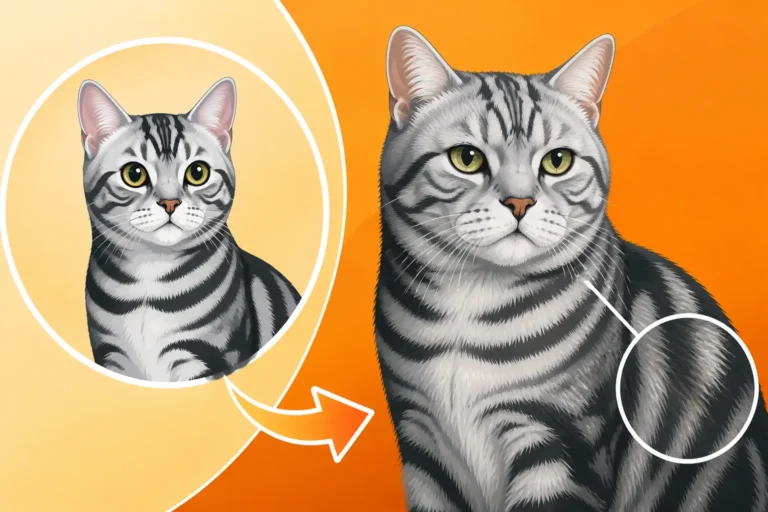
The American Shorthair's coat isn't just for looking pretty; it's a functional marvel. Their fur is short, dense, and has a rather firm texture, unlike the plush, soft coats of some other breeds. This coat was originally designed for protection against the elements and rough outdoor work, like keeping them warm and dry while hunting rodents in barns or on ships. It’s a hardy coat, shedding water and dirt quite effectively. The American Shorthair's Coat Was Built for Weather, Not a Judge means it's incredibly robust and doesn't easily mat or tangle, which is a common problem for long-haired breeds.
Because their coat is so well-adapted, it doesn't tend to trap dirt or oils in the same way that a longer, softer coat might. This natural resilience means baths are typically reserved for exceptional circumstances, not a regular part of their grooming regimen. You'll find that their natural oils provide a protective barrier, and too much washing can actually compromise this, making them more susceptible to skin issues.
The Shedding Cycle
While American Shorthairs are excellent self-groomers, they do shed. Like most cats, they have distinct shedding cycles, usually ramping up in spring and fall. You might notice a bit more loose fur around the house during these times. An American Shorthair Sheds Twice a Year and Asks Nothing Else is a good way to put it—they don't demand much in terms of grooming, but a good comb-through during these periods can help manage the shedding.
During heavier shedding periods, a good brushing routine with a metal comb or a rubber grooming tool can work wonders. This helps to remove dead hair and stimulate the skin, distributing natural oils. This is usually far more effective and less stressful for your American Shorthair than a bath. For more on how much fur they lose, check out How Much Comes Off an American Shorthair in Spring. A bath at this time might help remove loose fur, but it's not strictly necessary if you're diligent with brushing.
When Your American Shorthair Absolutely Needs a Bath
Despite their self-sufficient grooming habits, there will be times when a bath is genuinely unavoidable. These situations are usually out of the ordinary and require a calm approach from you.
Accidental Mishaps and Sticky Situations
Life with a cat can be unpredictable, and sometimes, even the most fastidious American Shorthair finds themselves in a predicament. Perhaps they've explored a greasy garage, tumbled into something sticky like sap or paint, or gotten themselves covered in something smelly that their usual grooming can't handle. These are the prime instances where a bath becomes a necessity rather than an option.
It’s not just about aesthetics; some substances can be toxic if ingested during self-grooming, or they can irritate the skin. If your cat has motor oil on their fur, for example, they must be bathed to prevent them from licking it off. This isn't about cleanliness for its own sake, but about protecting their health. In these cases, choosing the right shampoo is paramount to get the job done effectively without causing further distress or skin issues.
Parasites and Skin Conditions
Another critical time for bathing is when your American Shorthair is dealing with external parasites or a specific skin condition. Fleas, for instance, can be relentless, and a flea shampoo (specifically designed for cats, of course!) can be an effective part of a broader treatment plan. You'll often find these specialized shampoos available through your vet or on pet supply sites like Chewy. Remember that a flea shampoo is usually a short-term solution and should be combined with other treatments recommended by your vet to fully eradicate the problem. You might also find yourself needing to read How Often an American Shorthair Needs Flea Treatment to understand ongoing prevention.
Beyond parasites, conditions like feline acne (which can sometimes manifest on their chin) or certain fungal infections might require medicated shampoos. These are almost always prescribed or recommended by a veterinarian because they contain active ingredients designed to treat specific issues. Never try to self-diagnose or use human medicated shampoos on your cat, as this could be harmful. If you suspect your American Shorthair has a skin issue, a vet visit is the first step. Whether an American Shorthair Gets Feline Acne is a good read if you're seeing signs of this.
Senior Care Considerations
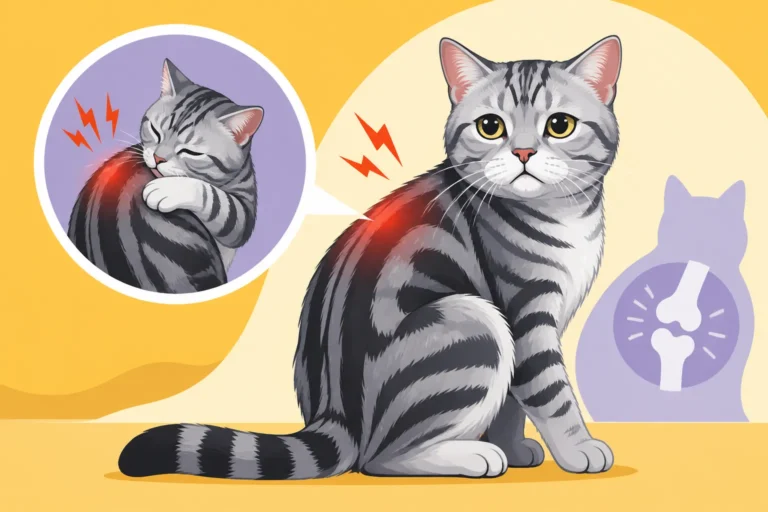
As our beloved American Shorthairs age, their grooming habits can sometimes decline. Senior cats might develop arthritis or other mobility issues that make it difficult for them to reach certain parts of their body, leading to matted fur or a dull, greasy coat. In these situations, a gentle bath, perhaps more frequently than in their younger years, might become necessary to help them stay comfortable and clean.
It’s a sad reality that older cats might need a bit more help maintaining their pristine appearance. Their fur might also become drier or more brittle, requiring a moisturizing shampoo to help maintain skin health. Always approach bathing a senior cat with extreme gentleness and caution, ensuring the water is warm and the process is as quick and stress-free as possible. For more insights into helping an aging feline, check out When an Old American Shorthair Needs Help Grooming.
Choosing the Right Shampoo for Your American Shorthair
When a bath is unavoidable, selecting the correct shampoo is the most crucial step. Using the wrong product can lead to skin irritation, dryness, or even toxic reactions.
Prioritizing Cat-Specific and Gentle Formulas
This cannot be stressed enough: always use a shampoo specifically formulated for cats. Human shampoos, even "baby" shampoos, have a different pH balance than what is suitable for feline skin and can contain ingredients that are toxic to cats. What's safe for us is often not safe for them. Cat shampoos are designed to be mild, non-irritating, and often "tearless" for their sensitive eyes.
Look for formulas that are free from harsh chemicals, dyes, and strong fragrances. Fragrances, while pleasant to us, can be overwhelming and irritating to a cat’s much more sensitive olfactory system. Hypoallergenic options are often a great choice, especially if your cat has sensitive skin or you're unsure how they'll react. Brands that prioritize natural, gentle ingredients are always a good starting point. You can find a wide array of reputable cat shampoos on online pet retailers like Chewy or Amazon.
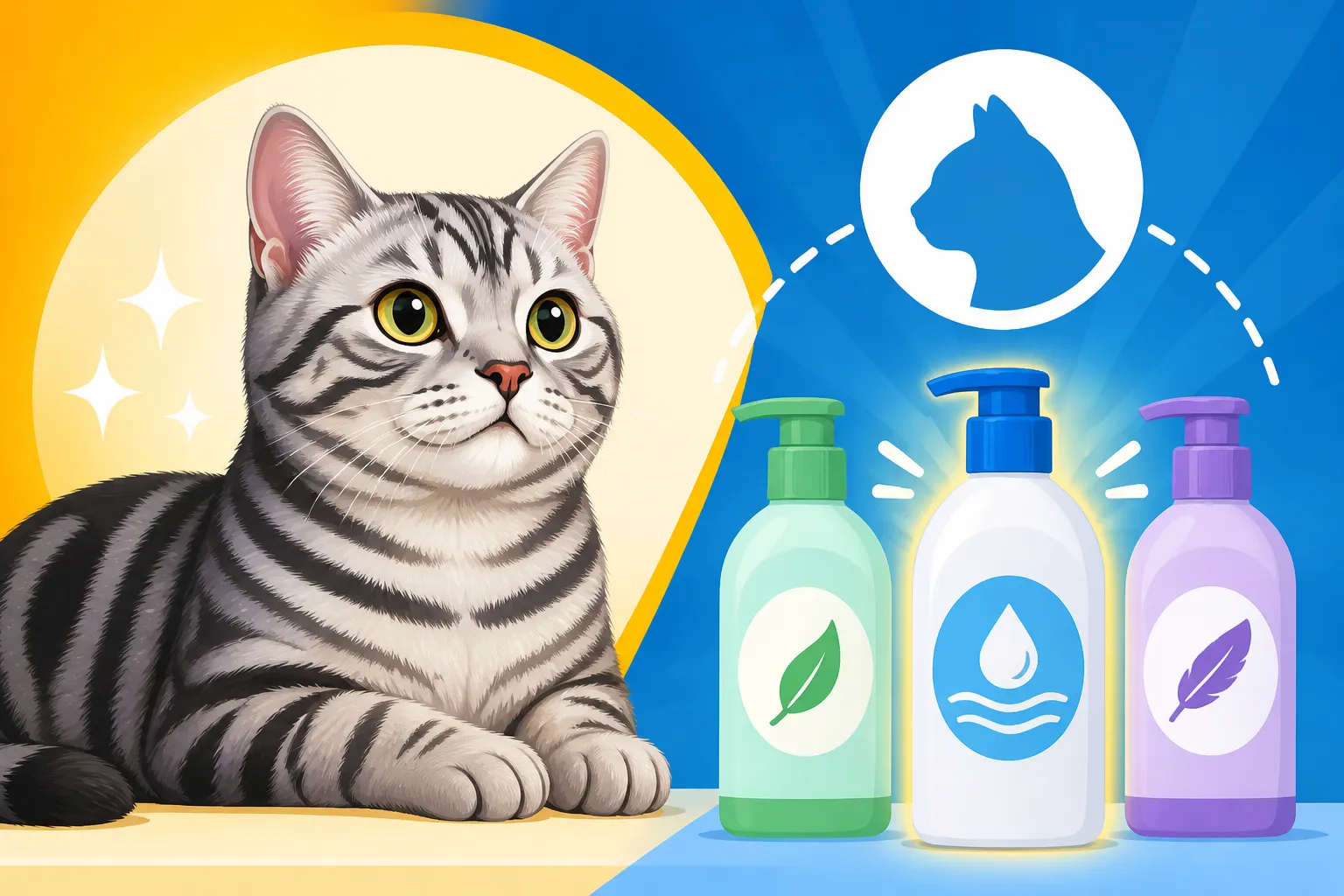
Here's a quick comparison of common shampoo types for cats:
| Shampoo Type | Best For | Key Characteristics | When to Use |
|---|---|---|---|
| Moisturizing | Dry, flaky skin; dull coats; older cats | Contains oatmeal, aloe vera, essential fatty acids | When skin is dry or irritated; to improve coat luster |
| Hypoallergenic | Sensitive skin; allergy-prone cats; first-time bathers | Fragrance-free, dye-free, minimal ingredients | If your cat has a history of skin reactions or is new to bathing |
| De-shedding | Heavy shedding seasons | Helps release loose undercoat; often contains conditioners | During spring/fall shedding to reduce excess hair |
| Flea/Tick | Active parasite infestations | Contains insecticides safe for cats (check label!) | Only when instructed by a vet for active infestations |
| Medicated | Specific skin conditions (fungal, bacterial infections, severe allergies) | Active pharmaceutical ingredients | Strictly as prescribed by a veterinarian |
| Waterless/Foam | Quick clean-ups; cats intolerant to traditional bathing | No rinse required; gentle cleansing agents | For minor messes or between full baths |
Ingredients to Seek Out and Avoid
When you're scanning those ingredient lists, there are a few things to keep in mind. Look for soothing ingredients like oatmeal, aloe vera, vitamin E, and natural oils (like coconut oil, but ensure it's cat-safe). These can help hydrate the skin and condition the coat, preventing dryness after a bath. Many reputable cat shampoo brands include these beneficial elements.
Conversely, steer clear of sulfates (like Sodium Lauryl Sulfate), parabens, phthalates, and artificial colors or perfumes. These can be harsh, irritating, or even endocrine disruptors. Phenols, found in some essential oils or disinfectants, are particularly toxic to cats due to their unique liver metabolism. Always check labels carefully. If a product seems too good to be true, or boasts a strong, perfumed scent, it's probably best to avoid it for your American Shorthair.
Specialized Shampoos for Specific Needs
Sometimes, a general gentle shampoo just won't cut it. If your American Shorthair is dealing with fleas, your vet might recommend a specific flea and tick shampoo. For skin allergies, a hypoallergenic, anti-itch formula might be necessary. Fungal infections, like ringworm, will require an antifungal shampoo, which will definitely be a veterinary-prescribed product.
It's crucial to follow your vet's advice when using any medicated shampoo. They will provide instructions on how long to leave the shampoo on, how often to bathe, and for how long to continue treatment. These aren't meant for routine bathing and should only be used under professional guidance. Remember, a specialized shampoo is a treatment, not just a cleaning product.
Tips for a Less Stressful Bathing Experience
Bathing a cat, especially one who isn't used to it, can be a daunting task. American Shorthairs are generally calm, but a bath is still a big deal for them. A little preparation and a calm demeanor from you can make a world of difference.
Preparation Is Key
Cats thrive on routine and can get stressed by sudden changes. Before you even think about turning on the tap, make sure you have everything you need within arm's reach. This includes your chosen cat-specific shampoo, a few towels (one for immediate wrapping, others for rubbing), a non-slip mat for the tub or sink, and maybe even a helper if your cat is particularly resistant. Fill the tub or sink with a few inches of lukewarm water before bringing your cat in to avoid startling them with the sound of running water.
Having a familiar, calm environment also helps. Close the bathroom door, ensure the room is warm, and speak to your cat in a soothing voice. Consider trimming their claws beforehand to protect both of you, but only if they are comfortable with nail trims – don't add more stress right before a bath! For advice on preparing a cat who truly hates baths, you might find How to Bathe an American Shorthair That Objects quite useful.
The Actual Bathing Process
Once you're ready, gently place your American Shorthair into the water, ensuring they have secure footing on your non-slip mat. Use a cup or pitcher to slowly and carefully wet their coat, avoiding their face and ears. Apply a small amount of the cat shampoo, lathering gently but thoroughly, working from neck to tail. Pay special attention to areas that might be particularly soiled, but always be mindful of their delicate skin.
Rinsing is arguably the most important part. You need to rinse all the shampoo out of their coat. Any residue left behind can irritate their skin, lead to flaking, and attract more dirt. Continue rinsing until the water runs clear and their fur feels "squeaky clean," not slimy. Again, avoid getting water or soap in their eyes, nose, or ears. Use a damp cloth to gently wipe their face if needed.
Drying and Aftercare
Once thoroughly rinsed, immediately wrap your American Shorthair in a towel. Gently pat and rub them to absorb as much water as possible. Most cats will find a towel wrap comforting and will appreciate the warmth. You can use several dry towels if needed. Avoid using a hairdryer unless your cat is completely accustomed to it, as the noise and heat can be incredibly stressful and even cause burns. Air-drying in a warm room is usually best.
After the bath, offer a special treat and plenty of praise to create a positive association. Let them finish their self-grooming in peace in a quiet, warm spot. You might notice them grooming themselves even more vigorously than usual after a bath, which is perfectly normal as they try to redistribute their natural oils and restore their familiar scent. A few gentle strokes with a soft comb or brush after they've dried can also help ensure their coat is smooth and free of any lingering tangles. How Much an American Shorthair Enjoys Being Combed might give you some ideas on how to make post-bath grooming more pleasant.
Disclaimer
This article is for general informational purposes only and does not constitute professional advice. Laws, prices and regulations vary by location and change over time. Consult a qualified professional for guidance on your specific situation.