Which Comb Suits an American Shorthair’s Hard Coat
Many American Shorthair owners find themselves scratching their heads, literally and figuratively, when it comes to grooming. You see that dense, resilient coat and wonder if your flimsy brush is even making a dent, or worse, if you're actually doing more harm than good by pulling and irritating their sensitive skin. Trying to comb out loose fur with a tool that just glides over the top can be incredibly frustrating, leaving you feeling like you're fighting a losing battle against shedding and hairballs. This guide is here to walk you through the ins and outs of maintaining your American Shorthair's beautiful, yet sometimes challenging, coat, ensuring you pick the right tools and techniques for a happy, healthy cat and a cleaner home.
Understanding the American Shorthair's Unique Coat
Before we even talk about combs, it’s vital to truly appreciate the amazing coat your American Shorthair is sporting. This isn't just any cat fur; it's a testament to centuries of natural selection, designed for function over mere aesthetics. Understanding its structure and purpose is the first step in choosing the right grooming tools and making the whole process less of a chore and more of a bonding experience.
The Double Coat's Purpose and Texture
Your American Shorthair's coat is a marvel of natural engineering, built to withstand the rigors of its ancestors' lives as working cats. Imagine a cat needing to be resilient against varied weather conditions and the daily grind of keeping vermin at bay – that's the heritage woven into every strand of their fur. They possess what's known as a double coat, which is precisely why those soft, decorative brushes often feel utterly useless when you try to tackle their shedding.
The outer layer consists of guard hairs, which are naturally coarse, dense, and slightly stiff. These aren't meant to be silky and flowing; their purpose is to provide robust protection against moisture, dirt, and minor bumps and scrapes. They act like a protective shield, designed to shed water and debris efficiently. Beneath this protective outer shell lies a softer, denser undercoat. This plush layer is what provides insulation, keeping your cat warm in winter and cool in summer by regulating their body temperature. It's this undercoat, when dead and shed, that causes the most trouble if not properly removed. This robust, weather-resistant coat is definitely one of the key characteristics that show The American Shorthair's Coat Was Built for Weather, Not a Judge.
Seasonal Changes and Shedding Patterns
Like many double-coated animals, American Shorthairs experience seasonal shedding, often intensifying twice a year. You'll typically notice a heavier "blow-out" of their coat in the spring as they shed their dense winter undercoat to prepare for warmer weather, and then again in the fall as they prepare to grow a thicker layer for the colder months. This natural cycle is a direct link to their outdoor ancestry, where adapting to environmental temperatures was crucial for survival.
Even though most American Shorthairs today live comfortable indoor lives, often in climate-controlled environments, their bodies haven't forgotten these ancient rhythms. The artificial environment of our homes can sometimes confuse their systems, leading to more consistent, albeit lighter, shedding year-round, punctuated by those heavier seasonal periods. If this loose fur isn't regularly removed, it can become a real problem, not just for your furniture but for your cat's digestive system. They're meticulous self-groomers, and all that loose hair ends up ingested, potentially leading to unsightly hairballs and, in more severe cases, intestinal blockages. It really highlights that An American Shorthair Sheds Twice a Year and Asks Nothing Else – if you don't help them out.
Why the "Hard Coat" Isn't Hard to Love
When we talk about an American Shorthair's "hard coat," it might sound like a negative attribute, conjuring images of bristles or an uninviting texture. But in reality, this "hardness" refers to the resilience and robust nature of their guard hairs, and it's actually one of the breed's most desirable qualities. This isn't a high-maintenance coat that demands daily intense grooming sessions or professional salon visits. In fact, compared to many long-haired breeds or even some short-haired breeds with ultra-fine fur, the American Shorthair's coat is remarkably easy to care for once you have the right approach.
Their sturdy coat is naturally less prone to matting and tangling than softer, finer fur. You won't typically find yourself battling dense knots or painful mats that require intricate detangling or even shaving, which is a huge relief for many cat owners. Instead, the focus for American Shorthairs is primarily on managing shedding and ensuring the undercoat remains healthy and free of dead hair. This low-fuss characteristic means that with the correct tools and a consistent, gentle routine, grooming your American Shorthair can be a straightforward and even enjoyable part of your regular pet care. Truly, How Little Combing an American Shorthair Actually Needs is a testament to their naturally efficient coat.
The Pitfalls of Using the Wrong Grooming Tools
It's easy to assume that "a brush is a brush" when it comes to cat grooming. After all, isn't the goal just to get the loose hair off? While the intention is good, using the wrong tools on an American Shorthair's unique double coat can not only be ineffective but can actually cause discomfort for your cat and frustration for you. Many common brushes simply aren't designed for the specific needs of their dense, protective fur, leading to a host of problems that can undermine your grooming efforts.
The Dangers of Soft Brushes and Slickers
Many cat owners start with the most common, seemingly gentle options available: soft bristle brushes or slicker brushes with fine, closely packed wire pins. While these might work wonders on some breeds with single, fine coats, they are largely ineffective for an American Shorthair. A soft bristle brush often just skims over the surface of their dense guard hairs, barely touching, let alone penetrating, the thick undercoat where most of the shedding occurs. It might make the top layer look a little smoother, but it does nothing to remove the truly problematic dead fur lurking underneath.
Slicker brushes, with their bent wire pins, are often marketed for general pet grooming. However, for an American Shorthair, they can be a double-edged sword. While they might pull some loose hair from the outer coat, their fine pins can struggle to reach the dense undercoat efficiently without requiring excessive pressure. This pressure can then scratch or irritate your cat's skin, turning grooming into an unpleasant, painful experience. Repeated ineffective or uncomfortable grooming sessions can quickly lead your American Shorthair to associate the brush with pain or annoyance, making them resistant to future attempts and turning what should be a routine task into a battle of wills.
Aggressive Tools and Skin Irritation
Just as soft brushes are ineffective, overly aggressive tools can be downright harmful. We're talking about brushes with very stiff, unyielding bristles, or combs with sharp, poorly finished teeth. The delicate skin underneath your American Shorthair's dense coat is surprisingly sensitive, and vigorous brushing with inappropriate tools can easily cause brush burn, scratches, or general irritation. Imagine someone raking a harsh brush over your scalp – that's what it can feel like for your cat.
When a cat experiences pain or discomfort during grooming, they're not going to sit still for it. They might squirm, bite, scratch, or simply run away at the first sight of the grooming tool. This creates a negative association that can be incredibly difficult to overcome. If you notice your cat suddenly becoming resistant to grooming, or if you spot any redness, flakiness, or small scabs on their skin after brushing, it's a clear sign that your current tools or technique might be too harsh. The goal of grooming is to promote health and comfort, not to inflict pain or create fear.
Missing the Undercoat Entirely
One of the most significant frustrations of using the wrong tools on an American Shorthair is the failure to address the undercoat. Their dense, woolly undercoat is the primary source of shedding and hairball formation. If your brush or comb only removes superficial loose hairs from the top layer, you're leaving the vast majority of dead fur trapped within the coat. This trapped fur isn't just a mess waiting to happen; it can lead to several problems for your cat.
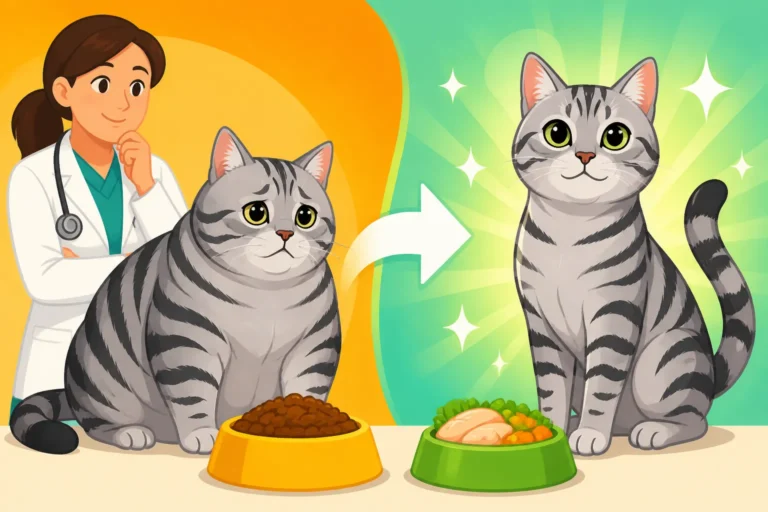
While American Shorthairs are generally less prone to severe matting than long-haired breeds, a neglected undercoat can still develop into dense tangles, especially in areas like behind the ears, armpits, or around the hindquarters. If an American Shorthair becomes overweight or less flexible in their senior years, their ability to groom themselves effectively is compromised, making this trapped undercoat even more problematic. Why an Overweight American Shorthair Cannot Reach Its Back directly impacts their self-grooming ability, making your intervention with the right tools even more critical. These mats can pull on their skin, causing discomfort and potentially leading to skin infections if moisture gets trapped underneath. More commonly, however, the unremoved undercoat leads to a constant cycle of ingesting loose fur, manifesting as frequent hairballs, which are not just gross for you but uncomfortable and potentially dangerous for your cat.
Essential Combs and Brushes for the American Shorthair
Now that we understand the unique characteristics of your American Shorthair's coat and the pitfalls of using the wrong tools, let's talk about what does work. The key is to select tools that are designed to effectively manage their double coat without causing discomfort. It’s not about having a dozen different brushes, but rather having a few high-quality, purpose-specific tools that truly get the job done.
The Power of the Metal Fine-Tooth Comb
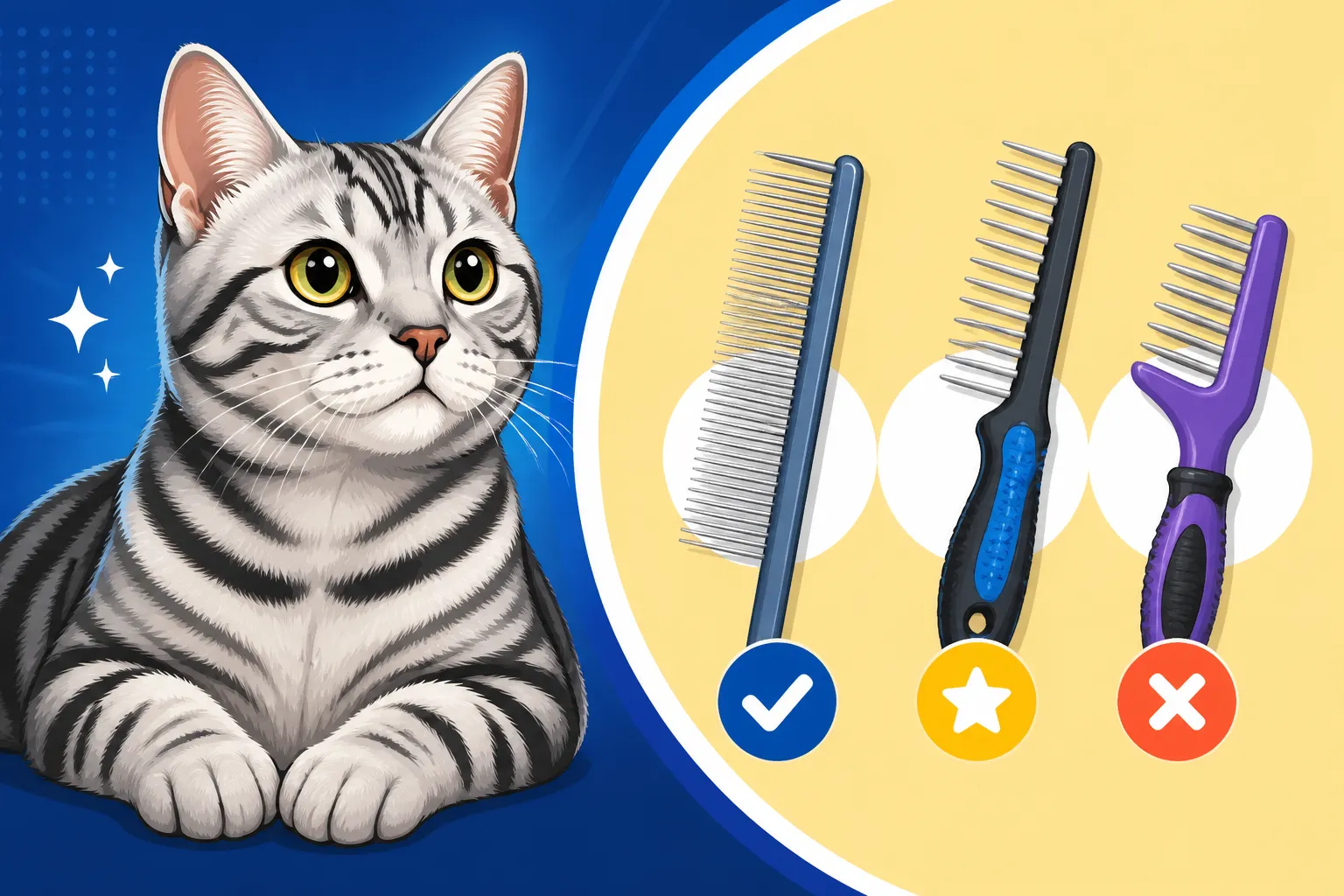
If there's one tool that every American Shorthair owner should have in their grooming arsenal, it's a good quality metal comb. Not just any metal comb, though. You'll want one that features a combination of both widely spaced and narrowly spaced teeth, preferably made of durable, rust-resistant stainless steel. This type of comb is incredibly versatile and forms the backbone of an effective grooming routine for a cat with a dense double coat.
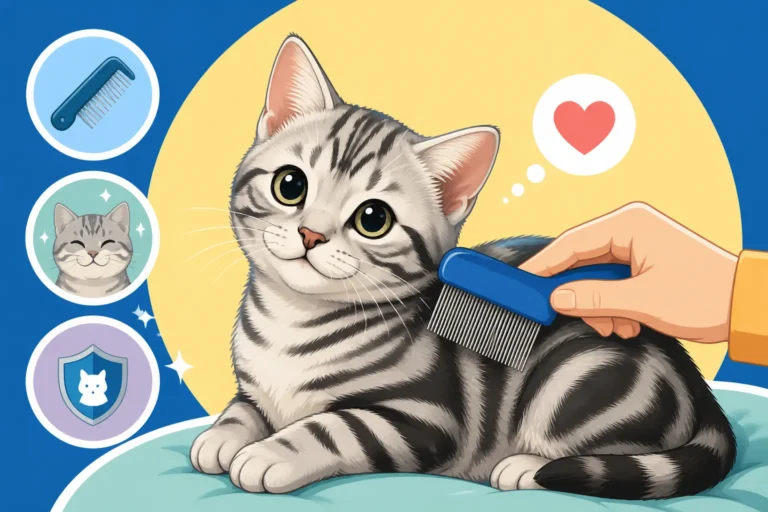
The wider-toothed end is perfect for an initial pass, gently working through any superficial tangles and lifting the top layer of guard hairs. This helps to prepare the coat for deeper grooming. The finer-toothed end is where the real magic happens for an American Shorthair. It allows you to systematically comb through the undercoat, reaching down to the skin to extract loose, dead hairs that other brushes simply cannot touch. By working in small sections, always combing in the direction of hair growth, you can effectively de-shed your cat without pulling or causing discomfort. This comb is also invaluable for checking for fleas, ticks, or any skin abnormalities that might be hidden by their dense fur. Many reputable pet supply stores, or even online retailers like Chewy, offer a good selection of these essential metal combs. The One Grooming Tool an American Shorthair Owner Buys is often this versatile metal comb because of its effectiveness.
Deshedding Tools for Seasonal Shedding
While the metal comb is excellent for regular maintenance, when your American Shorthair enters one of their intense seasonal shedding phases, you might need a bit more firepower to truly get ahead of the fur tsunami. This is where a dedicated deshedding tool, often recognized by brands like FURminator, comes into its own. These tools are specifically designed with fine, closely spaced teeth that delve deep beneath the topcoat to grab and remove loose undercoat hairs without cutting or damaging the healthy guard hairs.
Using a deshedding tool requires a gentle touch and should not be overused. It's best reserved for those periods of heavy shedding, perhaps once or twice a week, rather than daily use. Make sure your cat's coat is completely dry, and work in short, light strokes, always in the direction of hair growth. You'll be amazed at the sheer volume of fur these tools can remove, significantly reducing the amount of loose hair around your home and minimizing hairball issues. Just be mindful not to press too hard or repeatedly go over the same spot, as excessive use can irritate the skin. You can find a wide range of these effective deshedding tools from various manufacturers on platforms like Amazon, making it easy to compare options and read reviews from other cat owners. These tools are particularly useful when you observe How Much Comes Off an American Shorthair in Spring.
Rubber Curry Brushes for Everyday Shine and Bonding
Beyond the heavy-duty work of deshedding, a rubber curry brush, or grooming mitt, serves a wonderful purpose in daily maintenance and, perhaps more importantly, in strengthening the bond with your American Shorthair. These brushes typically have soft, rubber nubs that are incredibly gentle on the skin, making them perfect for sensitive cats or for simply massaging the coat.
While they won't tackle deep undercoat issues, rubber brushes are excellent for removing loose surface hair, dust, and dander. The gentle friction stimulates blood circulation in the skin and helps to distribute natural skin oils, leaving your cat's coat looking shiny and healthy. Many cats absolutely adore the sensation of a rubber curry brush; it feels like a massage, transforming grooming into a relaxing, pleasurable experience. You can use it for quick daily passes, or as a warm-up before a more intensive combing session, helping your cat to relax and enjoy the contact. It’s a fantastic way to engage with your cat, turning a necessary chore into a moment of affection, and you'll often find that How Much an American Shorthair Enjoys Being Combed significantly increases with this gentle approach.
A Comparison of Grooming Tools for American Shorthairs
Choosing the right tool can make all the difference in your American Shorthair's grooming routine. Here's a quick comparison to help you understand when to reach for each essential tool.
| Tool Type | Primary Use | Coat Layer Targeted | Frequency | Pros | Cons |
|---|---|---|---|---|---|
| Metal Fine-Tooth Comb | Detangling, thorough de-shedding | All layers, down to skin | 2-3 times a week (or as needed) | Highly effective for undercoat, versatile, checks skin | Can pull if used improperly, requires patience |
| Deshedding Tool (e.g., FURminator) | Heavy seasonal shedding | Undercoat | 1-2 times a week during shedding peaks | Removes vast amounts of loose undercoat, reduces hairballs | Can irritate skin if overused, not for daily use |
| Rubber Curry Brush/Mitt | Surface shedding, massage, shine | Topcoat, light undercoat | Daily (or as often as desired) | Gentle, excellent for bonding, distributes oils, removes dander | Less effective for deep de-shedding, superficial |
Beyond the Comb: A Holistic Grooming Approach
Grooming your American Shorthair isn't just about managing their glorious coat; it's a comprehensive approach to their overall health and well-being. While a well-chosen comb is crucial, neglecting other aspects of their physical care can lead to discomfort and health issues down the line. A truly holistic grooming routine takes into account their claws, teeth, and even their ears and eyes, ensuring every part of your beloved feline is in tip-top shape.
Regular Claw Trims for Comfort and Health
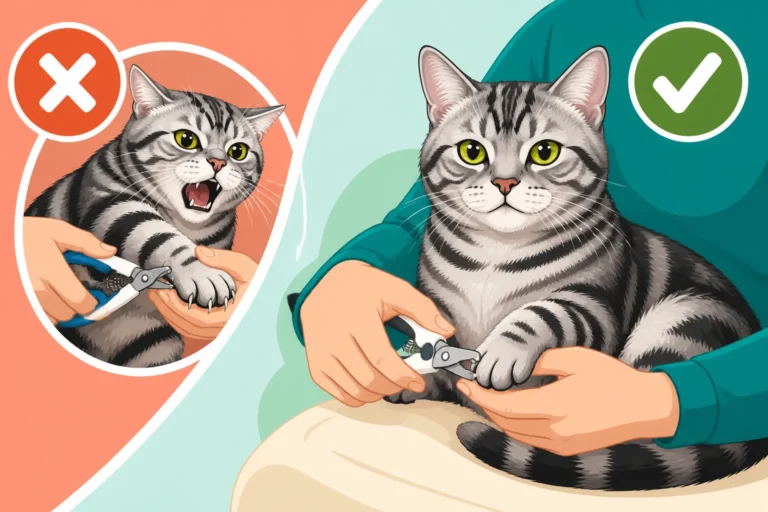
Even though American Shorthairs are typically excellent self-maintainers, especially if they have access to good scratching posts, their claws still require your attention. For indoor cats, particularly, regular claw trims are absolutely essential. Without the natural wear and tear that outdoor cats experience, their claws can become too long and sharp. Overgrown claws can curl and grow into their paw pads, causing excruciating pain, infection, and making it difficult for them to walk comfortably. They can also snag on carpets, furniture, or even your clothing, leading to painful tears or broken claws.
Trimming your cat's claws isn't just about protecting your furniture; it's about preventing injury and ensuring their comfort. Aim to trim them every 2-4 weeks, depending on how quickly your cat's claws grow. Start by gently pressing on their paw pad to extend the claw, then snip only the very tip, being careful to avoid the quick – the pink part of the claw that contains blood vessels and nerves. If you're unsure, ask your vet or a professional groomer to show you the ropes. Many American Shorthairs, despite their stoic nature, benefit greatly from this attention, especially since Why an American Shorthair That Sharpened Its Own Claws Needs Fewer Trims highlights their natural instinct but indoor life changes the outcome.
Dental Care: An Often-Overlooked Necessity
When people think of pet grooming, dental care is often the last thing that comes to mind, yet it's arguably one of the most critical. Just like humans, cats are susceptible to dental diseases, which can range from mild gingivitis to severe periodontal disease, leading to pain, tooth loss, and even affecting their overall systemic health. A surprising number of health issues can stem from poor oral hygiene, making it a silent threat to your cat's longevity and comfort.
The best way to maintain your American Shorthair's dental health is regular tooth brushing using a cat-specific toothbrush and toothpaste. This can be challenging with some cats, but even a few seconds a day can make a big difference. If brushing isn't feasible, consider dental treats or water additives designed to reduce plaque and tartar buildup. Brands like Greenies offer dental treats that can help scrape away tartar. However, these are supplements, not replacements for proper oral care. Regular veterinary check-ups should include a dental examination, and your vet might recommend professional dental cleanings under anesthesia to address existing plaque and tartar. This often-ignored aspect of care is vital, as Why Gum Disease Is the American Shorthair's Quietest Problem can lead to much larger problems if left unchecked.
Ear and Eye Checks: Simple Yet Crucial
While American Shorthairs generally boast clear eyes and healthy ears, incorporating quick checks into your routine grooming sessions is a simple way to catch potential issues early. Their short coat typically means less fur around these areas, making visual inspection straightforward. When you're combing them, take an extra minute to look closely.
For their eyes, check for any signs of discharge, redness, excessive tearing, or cloudiness. Healthy cat eyes should be bright and clear. If you notice any unusual weeping or discharge, gently wipe it away with a soft, damp cloth or a cotton ball, always using a fresh one for each eye to prevent cross-contamination. Persistent discharge or redness, however, warrants a vet visit. For their ears, gently lift the ear flap and look inside. You're looking for clean, pale pink skin with minimal visible wax. Any signs of redness, swelling, unusual odor, dark discharge (which could indicate ear mites), or excessive scratching around the ears should prompt a trip to the veterinarian. It's often reassuring to know How Rarely an American Shorthair Gets an Ear Infection, but regular checks ensure any rare occurrences are caught quickly.
Making Grooming a Positive Experience
Grooming your American Shorthair doesn't have to be a battle. In fact, with the right approach and a healthy dose of patience, it can become a calm, enjoyable ritual for both of you. The key lies in creating positive associations and respecting your cat's boundaries. Remember, consistency and gentle handling are far more effective than force or infrequent, overwhelming sessions.
Starting Early with Positive Reinforcement
The absolute best time to introduce grooming tools and routines is when your American Shorthair is a kitten. Kittens are naturally curious and often more adaptable than adult cats. Start with very short sessions, even just a few seconds of gentle brushing with a soft rubber brush. Follow each session immediately with something highly rewarding: a favorite treat, a special toy, or loving praise. The goal is to make your kitten associate the grooming tool and the act of grooming with positive experiences.
As your kitten grows, gradually increase the duration of the sessions and introduce different tools, like the metal comb. Always maintain a calm demeanor and use a soothing voice. If your kitten shows any signs of stress or discomfort, stop immediately and try again later, keeping the next session even shorter. This early foundation of positive reinforcement is invaluable. A kitten that learns to tolerate and even enjoy grooming will likely grow into an adult cat that readily accepts the routine, saving you a lifetime of struggle. Building these good habits from a young age is crucial, truly demonstrating How to Introduce Combing to an American Shorthair Kitten.
Short, Frequent Sessions vs. Marathon Struggles
One of the biggest mistakes owners make is trying to cram all their grooming into one long, infrequent session. This is a recipe for disaster with almost any cat, especially one as self-possessed as the American Shorthair. Cats have relatively short attention spans, and being held still or subjected to prolonged brushing can quickly lead to irritation, stress, and resistance.
Instead, adopt a philosophy of "little and often." Aim for short, frequent grooming sessions – perhaps 5-10 minutes a day, or every other day, depending on your cat's shedding cycle and tolerance. These brief encounters are much less intimidating for your cat and prevent the buildup of significant amounts of loose hair or the formation of mats. By keeping it short, you reduce the likelihood of your cat becoming squirmy, stressed, or aggressive. It transforms grooming from a dreaded chore into a manageable, routine interaction, allowing you to maintain their coat effectively without exhausting your cat's patience or your own. Consistency is key here; small, regular efforts yield far better results than sporadic, intense battles.
Recognizing and Respecting Your Cat's Limits
Even with the best tools and intentions, there will be times when your American Shorthair simply isn't in the mood for grooming. It's crucial to be able to read their body language and respect their limits. Signs of discomfort or impending frustration can include a swishing tail, flattened ears, dilated pupils, a tense body posture, or even a low growl or hiss. Pushing past these signals is counterproductive and can erode the trust you've built.
If your cat signals that they've had enough, stop the session. Don't try to force them to stay or punish them for reacting negatively. End on a positive note, if possible, even if it means just a quick stroke and a treat before letting them go. The goal is to get the grooming done without turning it into a negative experience that they will dread next time. Remember, perfect grooming is less important than a happy, well-adjusted cat. While you may not always get every single loose hair, maintaining a positive relationship and an agreeable cat is far more valuable in the long run. Even for something like a bath, which most American Shorthairs detest, understanding How to Bathe an American Shorthair That Objects by respecting their limits is paramount.
Disclaimer
This article is for general informational purposes only and does not constitute professional advice. Laws, prices and regulations vary by location and change over time. Consult a qualified professional for guidance on your specific situation.