The American Shorthair’s Coat Was Built for Weather, Not a Judge
When you first meet an American Shorthair, you might notice their calm demeanor and sturdy build, but sometimes, people glance at their coat and think, "Oh, it's just a regular cat's coat." This couldn't be further from the truth! Their fur might not be long and flowing like a Persian's, nor plush and dense like a British Shorthair's, but it's a marvel of natural engineering, meticulously designed over centuries to protect them from the elements, not win beauty contests. This guide will take a deep dive into the fascinating world of the American Shorthair's coat, helping you understand its unique characteristics and why it truly stands apart as a testament to its working heritage.
The Functional Beauty of the American Shorthair's Coat
Let's be honest, many of us are drawn to the dramatic, fluffy coats of some pedigrees, or the silken sheen of others. But the American Shorthair's coat isn't about flash; it's about pure, unadulterated function. Imagine a cat spending its days on a ship deck, exposed to sea spray and biting winds, or patrolling a barn in the dead of winter. That's the lineage of your American Shorthair, and every strand of their fur speaks to that rugged history. Their coat is a practical, resilient marvel, often overlooked for its sheer effectiveness.
A Coat Built for the Elements, Not Aesthetics
The defining characteristic of an American Shorthair's coat is its texture: it's what we often call a "hard" coat. Now, don't misunderstand – this doesn't mean it feels like sandpaper or is unpleasant to touch! It simply means the guard hairs, the outer layer of the coat, are firm, resilient, and springy. When you run your hand over an American Shorthair, you'll feel a distinct resistance, a snap back, unlike the soft, yielding feel of a plush coat. This firmness is crucial because it acts as a formidable barrier.
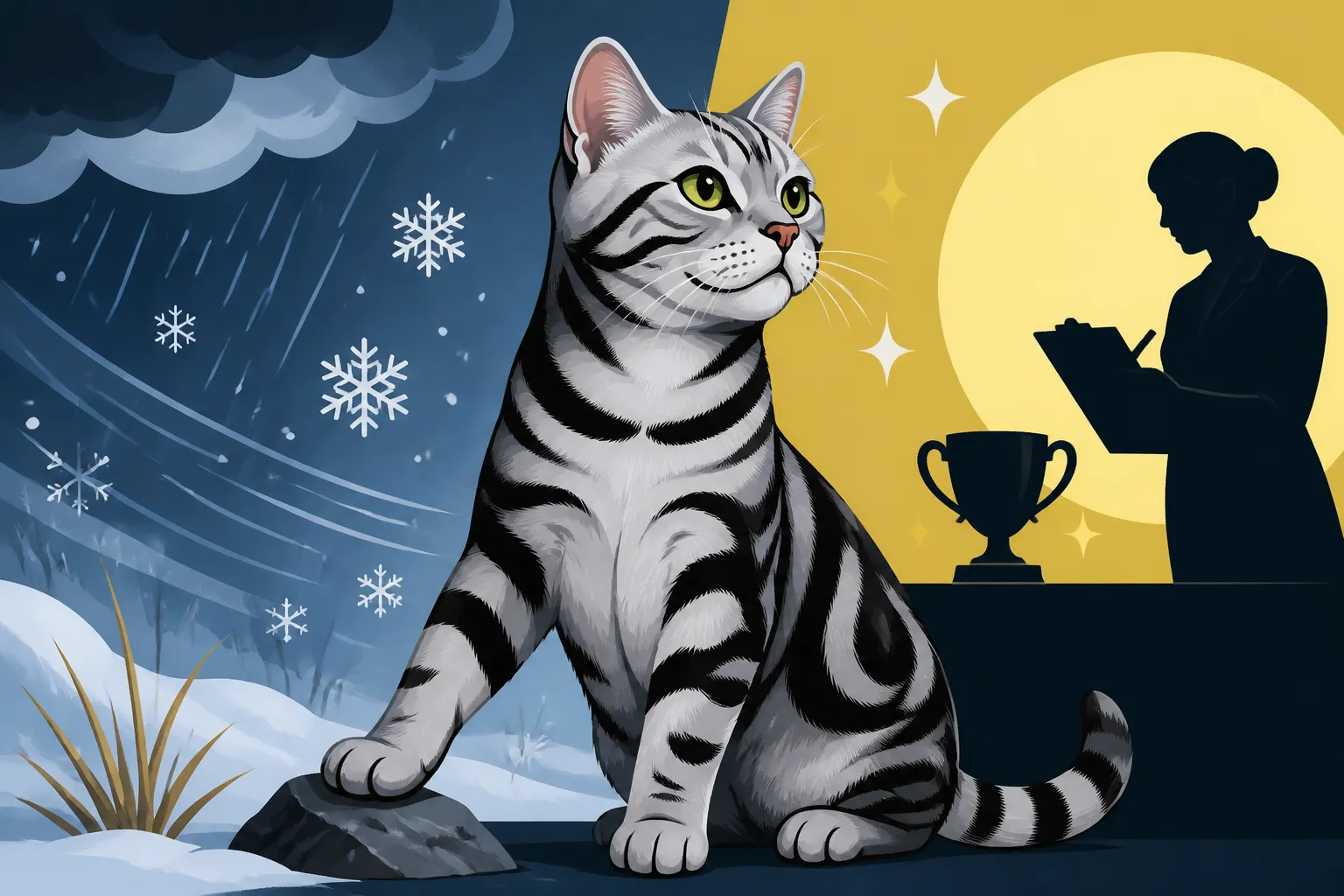
Think of it like a natural raincoat. Those stiff guard hairs lie flat and close-packed, creating a protective shield that helps repel moisture and dirt. Rain, snow, or even a sudden splash would bead up and roll off, rather than soaking right through to the skin. This was absolutely vital for their ancestors who lived and worked outdoors, providing a level of protection that softer, silkier coats simply couldn't offer. It meant they could stay dry and warm even in inclement weather, allowing them to continue their important work, whether that was on a ship or in a drafty barn. Why an American Shorthair's Guard Hairs Are Stiff
This hard, dense texture also makes them incredibly durable. It resists snags and tears from brushing against rough surfaces, which would have been a common occurrence for a working cat navigating challenging environments. Unlike breeds with fine, delicate fur that can easily mat and tangle, the American Shorthair's coat is remarkably low-maintenance from a structural perspective. It's built for wear and tear, for a life of activity, not for delicate grooming routines or being pampered with daily brushing. It’s a coat that takes care of itself, which was a huge advantage when humans had other priorities than feline beauty regimens.
The Hidden Undercoat: Why It's There, Its Role in Insulation
Beneath those protective guard hairs lies another crucial layer: the undercoat. While the guard hairs are all about defense against external elements, the undercoat is the American Shorthair's personal climate control system. It consists of much finer, softer, and denser hairs, packed tightly together close to the skin. This plush layer traps air, creating an insulating barrier that helps regulate the cat's body temperature. Whether an American Shorthair Carries an Undercoat
In colder climates, this undercoat thickens significantly, providing exceptional warmth, allowing them to withstand chilly temperatures. You can actually feel this difference as the seasons change; in winter, their fur feels thicker and more substantial. This insulation was invaluable for their ancestors, who often had to endure freezing temperatures in barns, on docks, or during long sea voyages. It was their built-in winter jacket, enabling them to conserve body heat and survive in conditions that would be challenging for many other breeds.
Conversely, in warmer weather, the undercoat sheds out, thinning considerably to allow for better air circulation against the skin. This natural adaptation prevents them from overheating during hot summer months. It's an elegant, self-regulating system that speaks volumes about their hardy, natural origins. This dual-layered coat—the tough outer guard hairs and the insulating undercoat—is what makes the American Shorthair so adaptable and resilient, truly a testament to a coat that was engineered by nature for survival, not by human preference for a soft touch.
Seasonal Transformations: A Coat That Adapts
One of the most remarkable things about the American Shorthair's coat is its dynamic nature. It's not a static garment but a living, breathing system that actively responds to the environment. Much like the deciduous trees that shed their leaves in fall and grow new ones in spring, your American Shorthair's coat undergoes its own dramatic seasonal changes. This isn't just a minor adjustment; it's a full-scale adaptation to ensure their comfort and protection year-round.
Winter Warmth: The Thickening of the Coat for Colder Months
As the days shorten and the temperature begins to drop, you'll notice a subtle yet significant change in your American Shorthair's coat. Their undercoat starts to grow thicker and denser, preparing them for the cold bite of winter. This isn't just about feeling a little fluffier; it's a physiological response that increases the insulating properties of their fur. The fine, downy hairs of the undercoat become more numerous and longer, creating a more effective thermal barrier. Why an American Shorthair's Coat Thickens for Winter
This winter coat is incredibly efficient at trapping a layer of warm air close to their body, shielding them from chilly drafts and plummeting temperatures. For their ancestors, who might have spent nights sleeping in unheated outbuildings or even outdoors, this natural insulation was literally a matter of survival. It allowed them to maintain their core body temperature without expending excessive energy, which was crucial when food might have been scarce. Today, even for our pampered indoor American Shorthairs, this instinct remains, offering a comforting layer of warmth during the colder months, making them feel snug and cozy, even if they're just curled up on a warm blanket by the radiator.
Beyond the undercoat, the outer guard hairs might also appear a bit more substantial, further contributing to the overall density and protective quality of the winter coat. This thicker, more robust fur provides an enhanced shield against rain or snow, ensuring that any moisture struggles to penetrate to the skin. It's a marvel of natural engineering, a testament to how perfectly adapted this breed is to various environmental challenges, carrying centuries of practical wisdom in every hair.
Summer Lightness: How It Sheds Down for Heat
Once the cold grip of winter loosens and the warmer spring days arrive, the American Shorthair's coat begins its next transformation: shedding its heavy winter wear to embrace the lighter, airier summer coat. This seasonal shed is often quite noticeable, as they actively slough off the dense undercoat they no longer need for insulation. You might find more fur around the house during this period, a clear sign that nature is at work, preparing your cat for the heat. How an American Shorthair's Coat Thins Toward Summer
The primary purpose of thinning out the coat is to prevent overheating. A thick, insulating undercoat is wonderful for winter, but it would be a major disadvantage in the summer heat. By shedding this layer, the American Shorthair allows for much better air circulation close to their skin, facilitating cooling. This process helps them dissipate excess body heat more efficiently, keeping them comfortable when temperatures rise. It’s their way of trading a heavy winter jacket for a breathable summer vest.
This lighter summer coat consists mainly of the robust guard hairs, which still offer protection from the sun's rays and minor scrapes, but with a significantly reduced insulating layer beneath. The entire shedding cycle is a testament to the American Shorthair's origins as a truly functional cat, one whose physiology is finely tuned to the rhythms of the seasons. Even if your cat lives indoors in a climate-controlled home, these ancient biological directives still guide their fur's natural ebb and flow, making them a fascinating example of evolutionary adaptation.
The Great Shed: What to Expect and When
Alright, let's talk about the shedding. For many cat owners, this is where the rubber meets the road. While the American Shorthair isn't typically a heavy shedder year-round like some long-haired breeds, they do have very distinct shedding seasons. If you're expecting a perpetually neat, fur-free existence, you might need a slight reality check! However, understanding their natural shedding cycles means you can prepare and manage it effectively, rather than being caught off guard by a sudden influx of cat hair.
Twice a Year Rites of Passage: When the Heavy Shedding Happens
The American Shorthair typically experiences two significant shedding periods each year, aligning with the change of seasons. The most pronounced shed often occurs in the spring, usually around March or April, as they transition from their thick winter coat to a lighter summer one. This is when you'll see the most dramatic increase in loose fur, as they shed out that dense undercoat that kept them warm through the colder months. It can feel like a sudden explosion of fluff, especially if you haven't been regularly brushing. Which Two Months an American Shorthair Sheds Hardest
The second notable shedding period happens in the fall, typically in September or October. This is a lighter, but still noticeable, shed as they get rid of any remaining summer fur to make way for the growth of their denser winter coat. While it might not be as copious as the spring shed, you'll still find evidence of their natural cycle around your home. For their ancestors, these seasonal sheds were vital for maintaining optimal body temperature and coat health, and these instincts remain strong even in modern indoor cats.
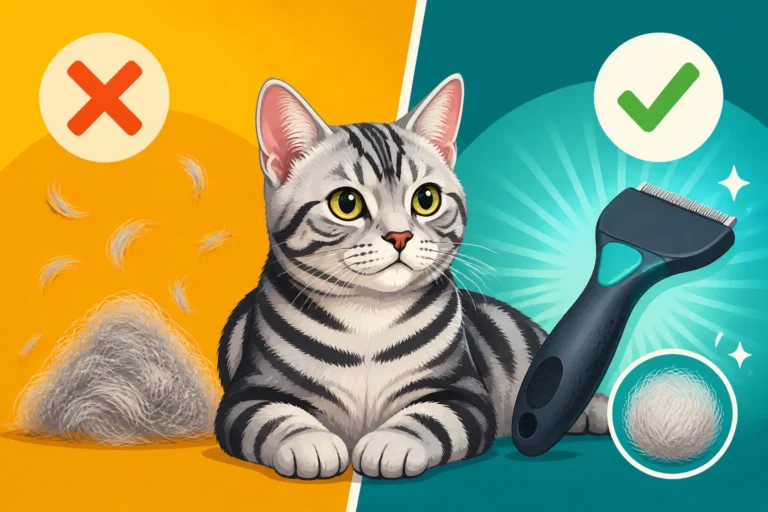
During these periods, you'll likely find more fur on your furniture, clothes, and lurking in corners. It's a natural process, and while you can't stop it, you can certainly manage it. Regular, even daily, grooming with a suitable brush can significantly reduce the amount of loose hair that ends up scattered around your house. It's a small investment of time that pays dividends in terms of cleanliness and your cat's comfort, preventing uncomfortable tangles of dead hair in their still very functional coat.
Managing the Shed: Practical Tips, But Emphasize Minimal Intervention
Given these seasonal shedding patterns, you might think you need an arsenal of grooming tools and a daily rigorous brushing routine. Thankfully, for the American Shorthair, this isn't usually the case! Their coat is incredibly self-maintaining, which is one of their most appealing characteristics. However, a little thoughtful intervention during shedding seasons can make a big difference for both you and your cat.
The key is consistency, particularly during those heavy spring and fall sheds. A weekly brushing with a good quality slicker brush or a rubber grooming mitt is often sufficient for most of the year. During peak shedding, you might increase this to two or three times a week. The goal isn't to strip their coat bare, but to gently remove the loose, dead hair before it falls out naturally onto your sofa. This reduces shedding in your home and helps prevent hairballs for your cat. Which Comb Suits an American Shorthair's Hard Coat
There are many great tools out there. For instance, a rubber curry brush, available from retailers like Chewy or Amazon, works wonders for loosening dead hair and stimulating the skin, and many American Shorthairs actually enjoy the massage-like feel. Another excellent option is a simple metal comb with both wide and fine teeth; start with the wide teeth to tackle any deeper loose fur, then finish with the finer teeth for a smooth finish. Remember, the American Shorthair's coat is designed not to mat, so you shouldn't need heavy-duty de-matting tools. The emphasis here is on gentle maintenance, not aggressive de-shedding that can irritate their skin or damage their healthy guard hairs.
Minimalist Grooming: Your American Shorthair Does It Best
One of the great joys of living with an American Shorthair is their incredible self-sufficiency, and nowhere is this more apparent than in their grooming habits. If you've been conditioned by breeds that require frequent baths, intricate brushing, and even professional grooming appointments, the American Shorthair will be a breath of fresh air. Their coat, honed by centuries of natural selection, is designed to largely take care of itself, freeing you up for more cuddles and playtime.
The Self-Sufficient Groomer: How Well They Manage Their Own Coat
Your American Shorthair is, by nature, an excellent self-groomer. Their rough tongues are incredibly effective at removing loose fur, dirt, and debris from their short, dense coats. They spend a significant portion of their waking hours meticulously cleaning themselves, ensuring their fur remains in top condition. This isn't just about cleanliness; it's also about maintaining the functionality of their coat – keeping it free from anything that might impede its protective qualities. How Much Time an American Shorthair Spends Grooming Itself
Because their fur is short and lies close to the body, it’s far less prone to tangles and mats compared to long-haired breeds. The sturdy nature of their guard hairs means individual strands don't easily cling together to form knots. You’ll very rarely, if ever, encounter mats on a healthy American Shorthair. This inherent resistance to matting means less stress for both you and your cat when it comes to grooming; no painful tugging or tedious detangling sessions are typically needed.
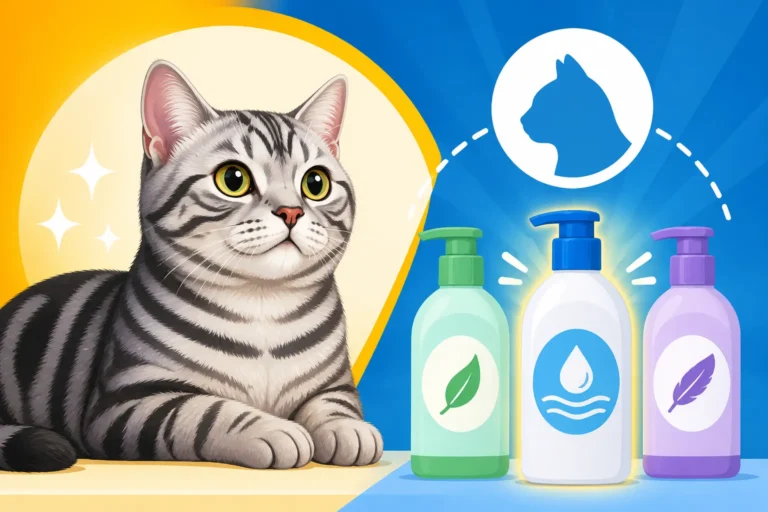
This self-grooming efficiency extends to their need for baths. Unless your American Shorthair has gotten into something truly messy or has a specific medical condition requiring medicated washes, baths are almost never necessary. Their coat is remarkably good at shedding dirt and is naturally water-resistant, making bathing an infrequent, if ever, event. Trying to bathe a cat that doesn't need or want it can be a stressful experience for everyone involved, so it's best to let them manage their own excellent hygiene.
When a Little Help is Needed: Addressing Specific Issues
While American Shorthairs are champions of self-care, there are a few specific situations where your intervention can be truly helpful, or even essential. These are usually not about routine grooming but rather addressing particular challenges that might arise during their lifespan. Recognizing these moments is key to providing optimal care.
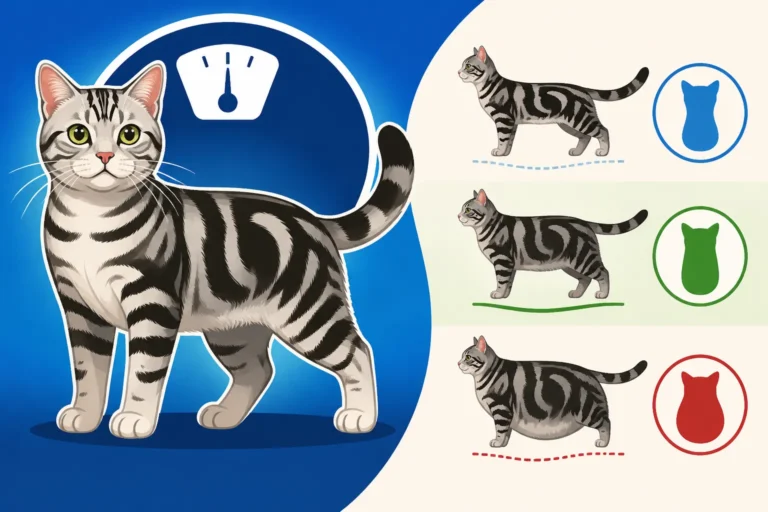
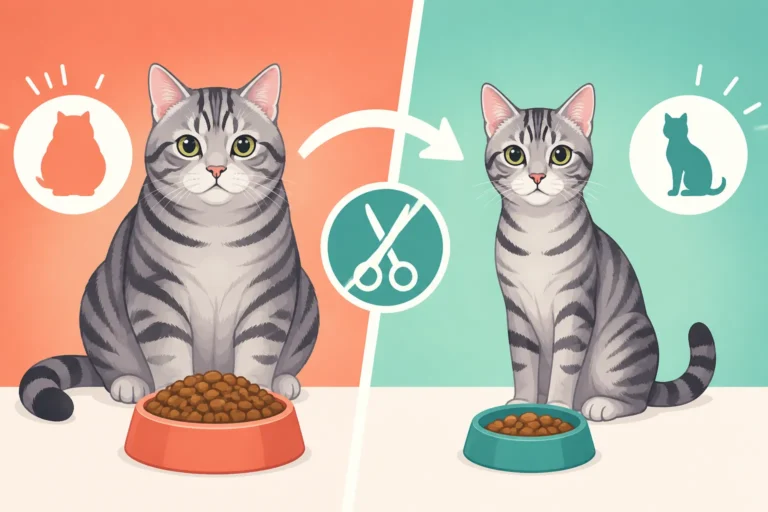
One common reason for an American Shorthair to need a little extra grooming help is if they become overweight or obese. A stocky build is part of their charm, but too much weight can make it physically impossible for them to reach certain areas of their back or hindquarters. In such cases, you might notice their fur becoming a bit duller or even matted in those hard-to-reach spots. Gentle daily brushing with a soft brush or mitt, focusing on those neglected areas, can help keep their coat clean and comfortable. This isn't just about aesthetics; good coat health prevents skin irritation and discomfort. Why an Overweight American Shorthair Cannot Reach Its Back
Another less common but possible issue is feline acne, which can sometimes appear on their chin. This often looks like little black dots, almost like dirt, but it’s actually clogged pores. If you notice this, a gentle wipe with a damp cloth can sometimes help, but persistent or inflamed cases should be checked by a vet. Similarly, if your cat has an allergic reaction or a skin condition, they might need specialized shampoos or treatments prescribed by your veterinarian. These are medical situations, not routine grooming needs, and highlight why professional advice is always best for anything beyond basic coat maintenance. In general, though, let your American Shorthair do what they do best – be naturally clean and tidy.
Understanding the "Hard" Coat: Beyond the Soft Pet
When people think of petting a cat, they often envision sinking their fingers into a cloud of soft, plush fur. While many breeds offer that luxurious feel, the American Shorthair's coat provides a different, but equally appealing, tactile experience. It’s important to understand this distinction, as it speaks directly to their origins and purpose. Their coat isn't designed to be a fluffy accessory; it's a testament to their enduring utility and rugged heritage.
Hard vs. Soft: The Practical Reasons for Its Texture
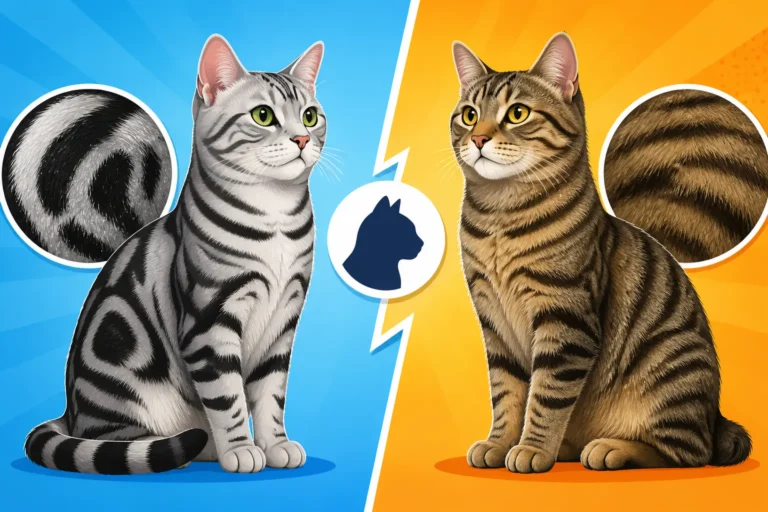
The term "hard coat" might sound a bit off-putting at first, but it perfectly describes the resilience and protective qualities of the American Shorthair's fur. This isn't a coat that yields easily to touch; instead, it has a distinct springiness and firm texture. The outer guard hairs are somewhat coarse, robust, and straight, designed to lie flat and provide a weather-resistant barrier. This texture is a direct result of their working background. Imagine a barn cat or a ship's cat – they needed protection from the elements, from thorny bushes, from dust and dirt, and from dampness. A soft, fluffy coat would have been a liability, prone to matting and offering little defense. What Makes an American Shorthair's Coat Hard Rather Than Soft
In contrast, many other pedigreed cats, like the British Shorthair, are bred for a dense, plush, and very soft coat that feels like velvet. While delightful to touch, this type of coat often requires more grooming and isn't as naturally protective against harsh outdoor conditions. The American Shorthair's coat, however, is all about practicality. It's tough, durable, and low-maintenance, perfectly suited to a cat that might have to fend for itself in various environments. The firm texture helps to keep out moisture, making them surprisingly water-resistant, a crucial trait for cats working on ships or in wet conditions. It's a coat that screams "utility" over "luxury," and that's precisely why it's so perfect for the breed.
This firm texture also plays a role in keeping them clean. Dirt and debris are less likely to cling to a stiff, short coat and are more easily shed or groomed away by the cat itself. Think of it like a self-cleaning surface – the structure of the hair shafts naturally discourages accumulation. It’s a beautifully efficient design, ensuring that these busy, working-class cats could always maintain their functionality without needing constant human intervention. So, when you feel that distinct "hardness" in an American Shorthair's coat, remember it's not a flaw, but a badge of honor, representing centuries of pragmatic adaptation.
Show Ring Expectations: How the Coat is Judged, But Its Utility Remains
Even in the world of cat shows, where aesthetics often reign supreme, the American Shorthair's coat is judged primarily on its utility-driven characteristics, rather than sheer softness. The breed standard emphasizes a coat that is short, thick, even, and hard to the touch. It should feel dense and resilient, providing the body with adequate protection from the elements. Judges are looking for that springy texture, the uniform length, and the overall impression of a healthy, robust working coat. How an American Shorthair Is Handled in the Ring
They are specifically not looking for a soft, cottony, or plush texture, as these would be considered faults against the breed standard. A coat that is too long, too fine, or too silky would indicate a departure from the breed's historical function and would be penalized in the show ring. This is a fascinating aspect of the American Shorthair; unlike many breeds where conformation has led to exaggerated traits that sometimes compromise health or practicality, the American Shorthair standard largely upholds the traits that made the breed so successful as a working cat.
So, while a champion American Shorthair might be admired for its stunning silver tabby markings or its powerful build, its coat is equally celebrated for its inherent toughness and protective qualities. The judge's hand running over the cat's back is assessing not just beauty, but also the practical effectiveness of its fur as a shield. It's a rare and wonderful example of a show standard that remains firmly rooted in the breed's functional heritage, ensuring that the traits that define the American Shorthair as a hardy, adaptable companion are preserved and cherished.
Environmental Factors and Coat Health
Even though the American Shorthair's coat is a marvel of natural engineering, its health and appearance aren't entirely impervious to the environment it lives in. Our modern indoor lifestyles, while offering comfort and safety, can subtly alter some of the natural rhythms and requirements of their fur. Understanding these influences can help us provide the best possible care, ensuring their coat remains as healthy and beautiful as nature intended.
Indoor Living and Shedding Cycles: How Central Heating Can Affect Natural Shedding
For their ancestors, shedding was a very clear, seasonal event, dictated by the stark changes in outdoor temperature and daylight hours. Today's indoor American Shorthairs, however, often live in environments with consistent temperatures and artificial light cycles. This can sometimes disrupt their natural shedding patterns. Instead of two distinct, heavy sheds in spring and fall, some indoor cats might experience a more continuous, year-round shedding, albeit usually at a lower volume. Whether Central Heating Keeps an Indoor American Shorthair Shedding
The constant warmth of central heating and air conditioning means their bodies don't get the same strong signals to grow a super-thick winter coat or to shed it all at once for summer. This can lead to a more "drip-feed" approach to shedding, where they consistently lose a small amount of fur throughout the year. While this might mean less dramatic shedding piles twice a year, it also means a steady presence of cat hair on your furniture and clothes if not managed with regular, gentle brushing.
This isn't necessarily a bad thing for the cat, but it's something owners should be aware of. It simply means that a consistent, moderate grooming routine might be more beneficial for an indoor American Shorthair than waiting for "shedding season" to ramp up the brushing. Even a quick once-a-week brush-through can make a significant difference in keeping the home cleaner and reducing hairball formation. It’s about adapting our care to their adapted lifestyle, respecting their natural rhythms even when the environment has changed.
Nutrition's Role in a Healthy Coat: What Food Contributes to a Good Coat
While genetics lay the foundation for a healthy American Shorthair coat, nutrition acts as the building block. A beautiful, resilient coat is a direct reflection of a cat's internal health, and a high-quality diet is paramount. Just like our own hair and skin benefit from good nutrition, so too does your cat's fur.
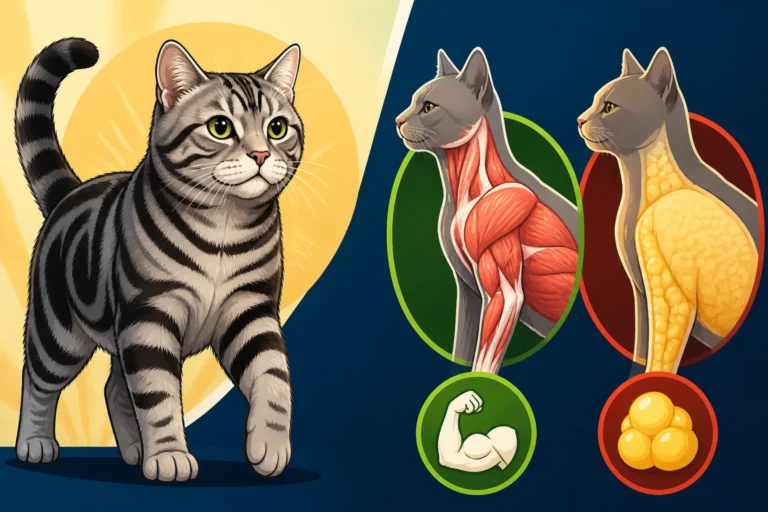
The American Shorthair, being a naturally muscular and active breed, thrives on a diet rich in high-quality animal protein. Protein provides the essential amino acids that are the very building blocks of hair. Without adequate protein, the coat can become dull, brittle, and sparse. Look for cat foods where a named meat source (chicken, salmon, turkey, etc.) is the first ingredient. Many reputable brands offer excellent options that prioritize whole meat proteins. Which Protein Level Keeps an American Shorthair Muscular
Beyond protein, essential fatty acids, particularly Omega-3 and Omega-6, play a crucial role in maintaining coat luster and skin health. These fats help keep the skin supple and moisturized, which in turn leads to a healthy, shiny coat. You’ll often find these listed as ingredients like fish oil, flaxseed, or chicken fat in premium cat foods. A diet deficient in these healthy fats can result in dry, flaky skin and a dull, coarse coat that may even shed more excessively. Investing in a high-quality cat food, appropriate for their age and activity level, is one of the best investments you can make in the long-term health and appearance of your American Shorthair's incredible coat.
Debunking Grooming Myths for the American Shorthair
In the vast world of cat care, there are many myths and misconceptions, and the American Shorthair isn't immune to them. Because their coat is relatively unassuming compared to some of the more "exotic" breeds, people sometimes project grooming expectations onto them that simply aren't necessary or even beneficial. Let's clear up some of these common misunderstandings, so you can approach your American Shorthair's coat care with confidence and realism.
The Myth of the "No-Shed" Cat: Realistic Expectations
It’s a common misconception that because an American Shorthair has a short coat, they don't shed. Oh, how we wish that were true for any cat! The reality is, all cats shed. Shedding is a natural and necessary process for hair growth and coat maintenance. The myth of the "no-shed" cat often stems from comparing them to long-haired breeds that shed visibly massive amounts of fur, or from the desire for a completely fur-free home. How Much an American Shorthair Sets Off Allergies
While it's true that the American Shorthair generally sheds less dramatically than, say, a Maine Coon or a Persian, they are by no means shed-free. As we've discussed, they have distinct seasonal shedding periods, and even indoor cats often have a low level of continuous shedding throughout the year due to consistent indoor temperatures. You will find their fur on your clothes, your furniture, and yes, sometimes even in your food. It’s part of the package when you share your home with a feline friend.
The good news is that because their hairs are shorter and not as fine or prone to static cling as some other breeds, American Shorthair fur tends to be easier to clean up. It often clumps together rather than floating around endlessly or embedding itself deeply into fabrics. So, while you won't escape shedding entirely, it's generally a manageable amount. Realistic expectations mean understanding that a little fur is a small price to pay for the companionship of these wonderful cats, and regular, gentle brushing can keep it to a minimum.
When to Seek Professional Help: Rare Instances Where a Groomer Might Be Considered
For the vast majority of American Shorthairs, a professional groomer is simply not needed. Their self-grooming abilities and the low-maintenance nature of their coat mean that regular home care is usually more than sufficient. This isn't a breed that typically requires intricate styling, de-matting, or special conditioning treatments that a professional groomer offers for other breeds.
However, there are a few rare circumstances where a professional groomer might be considered, though it’s crucial to understand these are exceptions, not rules. One such scenario is if an American Shorthair has become severely obese and completely unable to groom themselves, leading to extensive matting and skin issues that are beyond what you can comfortably manage at home. In these extreme cases, a gentle, professional groomer might be able to carefully shave or clip the matted areas, providing immense relief to the cat. Why an Overweight American Shorthair Cannot Reach Its Back
Another situation could be if your cat has a medical condition that makes self-grooming painful or difficult, or if they have gotten into something toxic or incredibly sticky that requires specialized cleaning. Even then, your veterinarian should always be your first point of contact, as they can assess the situation medically and advise on the safest course of action, which might include sedation for grooming if the cat is in pain or highly stressed. Otherwise, save your money! Your American Shorthair's coat is a testament to its natural resilience, and with a little common sense and minimal effort on your part, it will thrive beautifully under its own care.
| Coat Characteristic | American Shorthair (ASH) | British Shorthair (BSH) | Domestic Shorthair (DSH) |
|---|---|---|---|
| Texture | Hard, firm, resilient, slightly coarse | Plush, dense, soft, velvety | Highly variable, can be soft, coarse, or silky |
| Length | Short to medium-short | Short | Short to medium |
| Density | Thick, dense with a substantial undercoat | Very dense, plush, thick undercoat | Variable, usually good density |
| Water Resistance | High, guard hairs repel moisture | Moderate, more absorbent due to plushness | Variable, usually moderate |
| Matting Tendency | Very low, rarely mats | Low to moderate, can mat if neglected | Variable, generally low |
| Seasonal Shedding | Distinct seasonal heavy sheds (spring/fall) | Moderate seasonal shedding | Variable, often continuous low shedding |
| Grooming Needs | Minimal; occasional brushing for loose hair | Moderate; regular brushing to prevent matting | Minimal to moderate, depending on coat type |
| Primary Purpose | Protection, insulation, durability | Aesthetic appeal, softness, warmth | Protection, varies with individual coat structure |
Disclaimer
This article is for general informational purposes only and does not constitute professional advice. Laws, prices and regulations vary by location and change over time. Consult a qualified professional for guidance on your specific situation.