How an American Shorthair Handles Leaving Its Territory
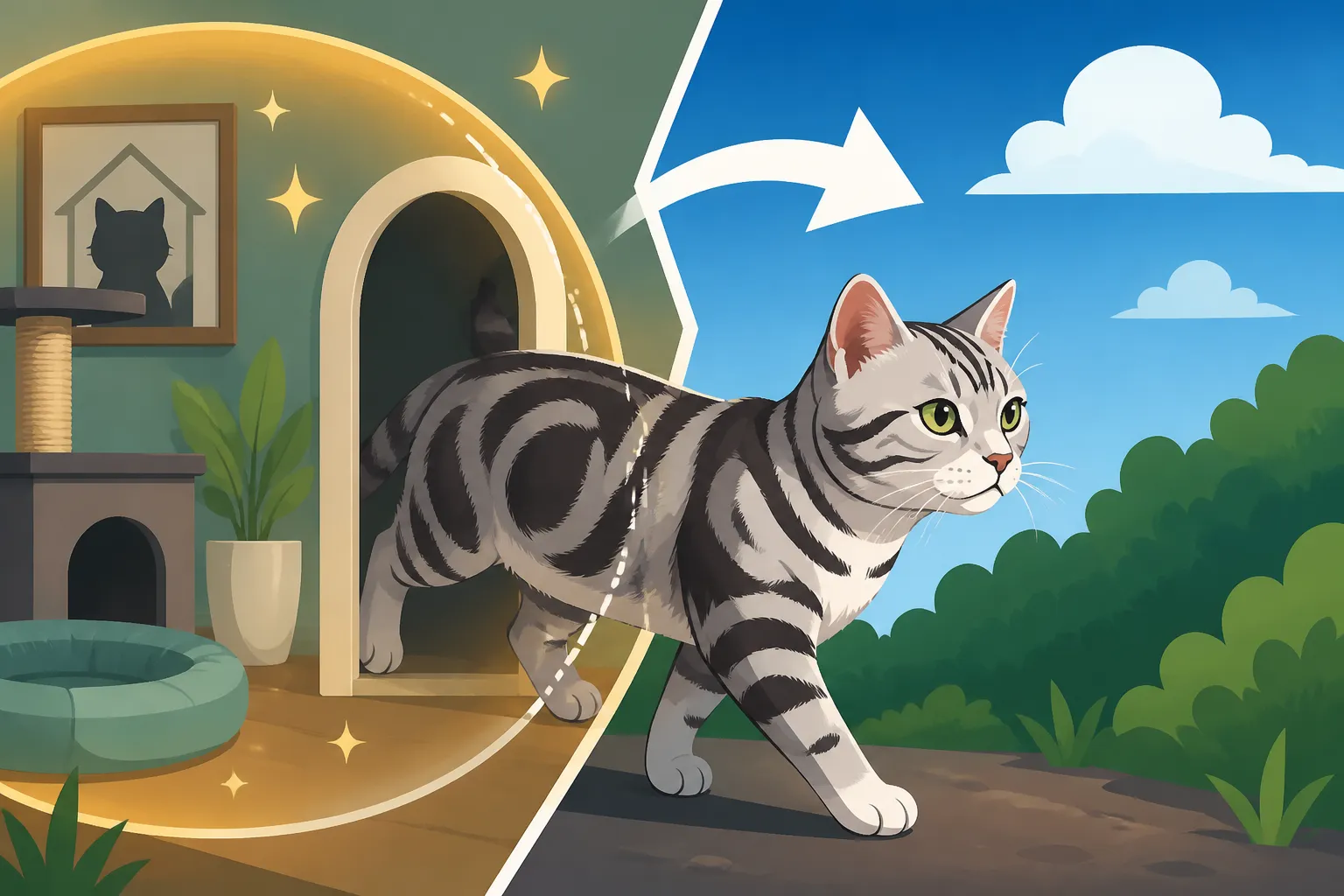
Moving an American Shorthair from their familiar surroundings can be a truly unsettling experience for them, leading to a host of behavioral changes and visible signs of distress. Unlike some breeds that adapt quickly to new places, the American Shorthair, with its deep-seated instincts as a territorial hunter, feels the disruption of leaving its established domain very acutely. This guide will help you understand why this happens and what you can do to support your beloved feline companion through such a transition.
Understanding the American Shorthair's Territorial Nature
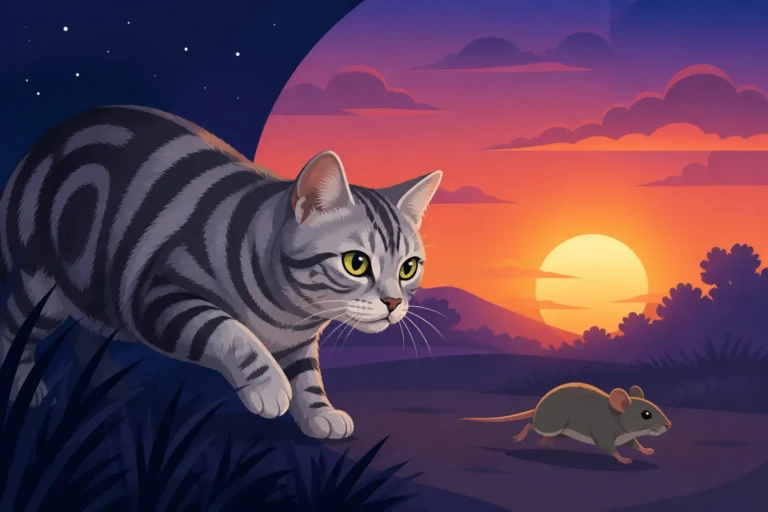
The American Shorthair's strong territorial instincts are not just a quirk; they're deeply ingrained in their genetic makeup, a legacy of their working cat ancestry. These cats were bred for centuries to patrol and protect specific areas, like barns, ships, and homesteads, from pests. Their survival depended on understanding and controlling their immediate environment. When that environment is suddenly removed or drastically changed, it triggers an instinctual alarm.
The Instinctual Drive for a Defined Home Range
Imagine a seasoned detective who knows every alley, every shortcut, and every hiding spot in their district. That's your American Shorthair in their home. They aren't just living in a house; they're actively managing a "home range," a carefully mapped-out territory where they feel safe, secure, and in control. This isn't just about personal preference; it's a fundamental aspect of their well-being. Their ancestors depended on this intimate knowledge of their surroundings to hunt successfully and avoid danger. This historical context helps explain Why Centuries of Ratting Left the American Shorthair Its Drive.
When this established territory is suddenly gone – whether it's a temporary trip to the vet, a stay at a boarding facility, or a permanent move to a new home – it's akin to being dropped blindfolded into an unknown wilderness. All their ingrained knowledge and sense of security are stripped away, leaving them vulnerable and disoriented. It's a profound shock to their system, far more than just a change of scenery.
How an American Shorthair Defines Its Boundaries
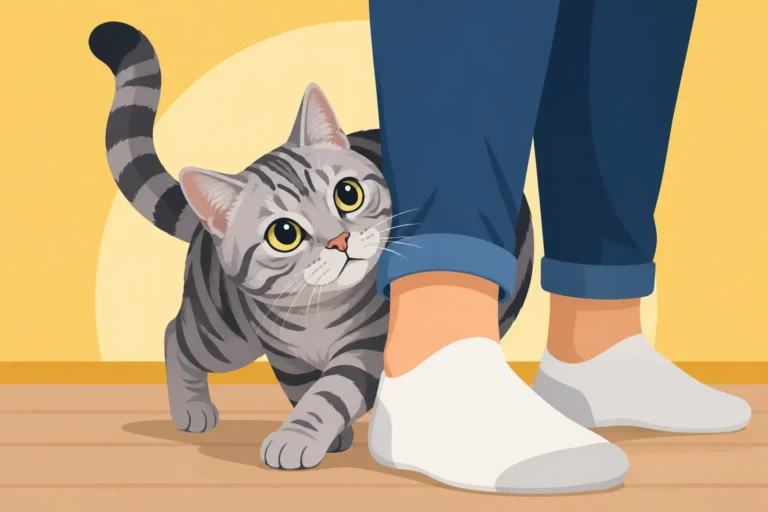
Your American Shorthair doesn't just know their territory; they mark it. This isn't always visible to us, but it's incredibly clear to them and other cats. They rub their cheeks and flanks on furniture, doorframes, and even your legs, depositing pheromones that signal "this is mine" and "I'm safe here." They might also scratch specific surfaces, not just to sharpen their claws, but to leave visual and scent markers. Which Post Lets an American Shorthair Condition Its Claws is something they'll seek out to continue this vital marking behavior.
When they leave their territory, all these familiar scents and markers disappear. The new environment lacks any of their personal "signatures," and worse, it might carry the scents of other animals or unfamiliar people. This absence of their own scent and the presence of others can be a major source of stress, signaling to them that they are in an uncontrolled, potentially dangerous space. They rely on these cues to navigate their world with confidence.
The Comfort and Security of Familiar Surroundings
Think about how you feel in your own home versus a strange hotel room. In your home, you know where everything is, what sounds are normal, and who belongs. You can relax completely. For an American Shorthair, this sense of comfort and security is even more pronounced. Their territory is their sanctuary, a place where they can sleep soundly, eat without fear, and express their natural behaviors without threat.
This feeling of safety is paramount. When they are removed from this sanctuary, even if it's to a seemingly safe place, their primal instincts kick in, telling them they need to be on high alert. They might appear withdrawn, hyper-vigilant, or even defensive, simply because their core sense of security has been compromised. The routine of their familiar territory is a powerful anchor, and losing it can feel like losing stability itself. How a Territorial American Shorthair Rebuilds a Patrol Route is a testament to how crucial this process is for them to feel at home again.
Immediate Reactions to Leaving Familiar Territory
The immediate aftermath of an American Shorthair leaving its territory can be tough to witness. They often don't express distress in obvious, dramatic ways like some other pets. Instead, their reactions are often subtle, a quiet withdrawal or a shift in their usual, self-reliant demeanor. It's important to recognize these signs, as they indicate genuine discomfort and stress.
Signs of Stress and Anxiety in a New Place
When an American Shorthair finds itself in unfamiliar territory, you might notice them doing things they wouldn't normally do, or not doing things they usually would. Hiding is a very common immediate reaction. They'll seek out the smallest, darkest, most secluded spot they can find – under a bed, in a closet, behind a washing machine. This is their way of trying to find a safe haven in an unsafe world.
You might also hear increased vocalization, though the American Shorthair is generally a quiet breed. This isn't usually loud, incessant meowing; it's more likely to be soft, plaintive cries, or even a low growl if approached when they feel cornered. They may also show changes in appetite or thirst, eating less or refusing to drink water. Grooming habits can change too – either excessive grooming (stress licking) or a complete neglect of self-care. It's a clear signal that something is amiss, especially considering How Much Time an American Shorthair Spends Grooming Itself usually.
Behavioral Changes in an Unfamiliar Environment
Beyond hiding and vocalizing, an American Shorthair pulled from its territory might exhibit more pronounced behavioral shifts. They might become unusually clingy, seeking constant reassurance, or, conversely, they might become withdrawn and avoid all interaction, even with their most trusted human. They could refuse to use the litter box, choosing instead to eliminate in hidden corners of the new space. This isn't spite; it's often a desperate attempt to re-establish some sense of control or to mark the new territory with their own scent in a way that feels natural, if inappropriate to us.
Aggression can also manifest, especially if they feel threatened or cornered. A normally placid American Shorthair might swat, hiss, or even bite if startled or if a perceived threat gets too close. Remember, they feel vulnerable and their defenses are up. Their usual calm, observational nature might be replaced with hyper-vigilance, constantly scanning their surroundings for danger. They might also stop engaging in normal play, no longer interested in toys or interactive games that usually bring them joy. Play That Finishes the Hunting Sequence for an American Shorthair is often put aside when they're stressed.
The Initial Adjustment Period
The first few days or even weeks in a new environment are critical for an American Shorthair. This is their initial adjustment period, and it's often characterized by stress and uncertainty. There's no fixed timeline for how long this phase lasts, as it depends heavily on the individual cat's personality, the level of disruption, and how well the new environment is managed. Some resilient American Shorthairs might start exploring cautiously within a day or two, while others may remain hidden and wary for weeks.
During this time, patience is absolutely key. Rushing them or forcing interactions will only increase their stress. Instead, focus on providing a stable, predictable, and safe space, allowing them to initiate contact on their own terms. Creating a "sanctuary room" in a new home, even if it's just a quiet bathroom, can be immensely helpful, giving them a small, manageable territory to process before tackling the whole house.
Coping Mechanisms and Adaptation in a New Environment
Even though leaving their territory is stressful, American Shorthairs are inherently resilient cats, a trait that allowed their ancestors to thrive in various environments. They have their own ways of coping and will eventually begin to adapt, especially with your understanding and support. It’s all about helping them feel safe enough to begin the process of making the new space their own.
Seeking Secure and Elevated Spots
One of the first things an American Shorthair will do in a new, unfamiliar space is look for places where they can feel safe and observe without being seen. This means high perches and enclosed spaces. Their instinct tells them that being elevated offers a better view of potential threats and an escape route, while being hidden offers protection. This is why you'll often find them on top of tall furniture, cat trees, or tucked away in a carrier or box.
Providing these options proactively can significantly reduce their stress. A tall cat tree with multiple platforms, ideally placed near a window, can become a crucial vantage point. Enclosed beds or even simple cardboard boxes in quiet corners give them a private retreat. You can find a wide range of options, from multi-level cat trees to cozy igloo beds, by browsing pet supplies on Amazon, making it easy to set up these essential safe zones before they even arrive.
Scent Marking and Exploration
Once an American Shorthair feels a tiny bit safer, their natural instinct to mark and explore will kick in. This is their way of mapping out the new "district" and slowly, surely, making it theirs. They'll start rubbing their cheeks on objects, particularly corners and prominent items, depositing their unique scent. This is like them putting up "I live here" signs. They'll also begin to cautiously patrol, sniffing every surface, investigating every nook and cranny. This methodical exploration is vital for them to update their internal map and understand the new layout.
You can facilitate this by introducing familiar items from the old territory, like their bed, favorite blanket, or a well-loved toy. These items carry their scent and act as comfort anchors in the new, scent-neutral environment. Consider using pheromone diffusers, available on Amazon, which release synthetic versions of the calming facial pheromones cats use to mark their territory, helping them feel more at ease.
Owner's Role in Providing Comfort and Routine
Your role in helping your American Shorthair adapt is paramount. Consistency, patience, and creating a predictable routine will be your most powerful tools. This means keeping feeding times, play times, and litter box cleaning on a regular schedule. Predictability helps them understand what to expect and reduces anxiety. How an American Shorthair Adapts to a New Work Routine shows just how important routine is for them.
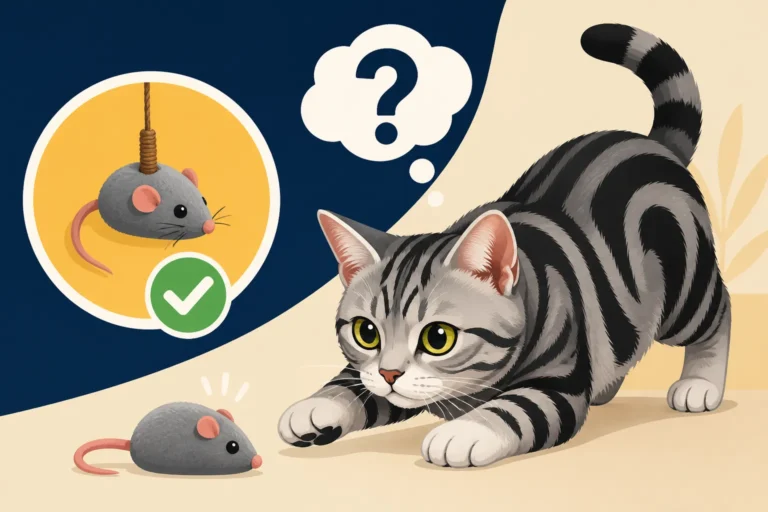
Engage in quiet, gentle play sessions, using wand toys or feather teasers that mimic prey. This not only provides enrichment but also helps them associate the new environment with positive experiences and helps them fulfill their hunting instincts. Look for interactive toys and feeders on Amazon that encourage natural behaviors, like puzzle feeders that make them "work" for their food, replicating a mini-hunt. Ensure they have access to their litter box at all times, and consider having multiple boxes in a new, larger space to increase accessibility and reduce stress. A consistent, loving presence, without being overwhelming, will slowly build their confidence in their new surroundings.
Long-Term Impact and Re-establishing Comfort
While the initial shock of leaving their territory can be significant, the good news is that most American Shorthairs, given time and the right support, will fully adjust and come to see their new home as their own. It's a journey, not a sprint, and understanding the long-term process helps manage expectations and provide consistent care.
Gradual Acceptance and Integration
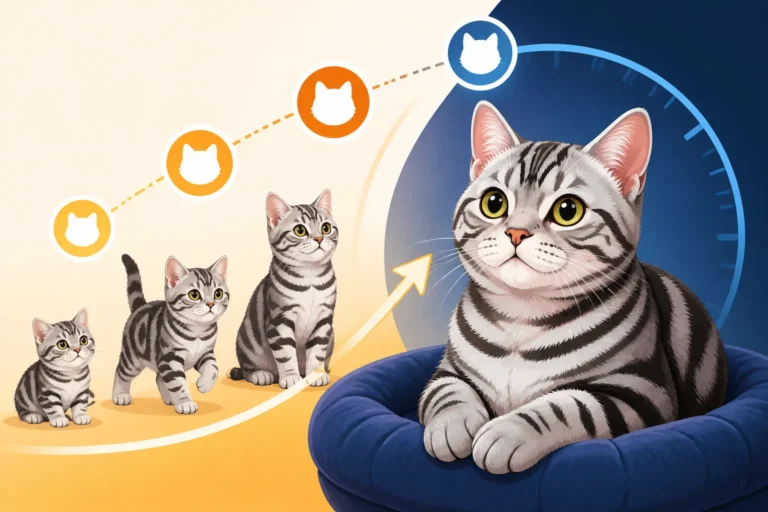
The process of an American Shorthair accepting and integrating into a new territory is a gradual one. It won't happen overnight. You might see slow, steady improvements over weeks or even months. They'll start spending more time out in the open, venturing into different rooms, and eventually, marking more of the house with their scent. You'll notice them more relaxed, sleeping in open areas, and returning to their normal interactive behaviors.
They'll begin to re-establish their patrol routes, confidently moving through the house as if they own it (which, of course, they do now!). This means they'll sniff and rub on doorways, chairs, and even your legs, renewing their claims. This consistent re-assertion of their presence is a positive sign of their integration. It's also when you might start seeing their personality shine through again, a testament to their quiet resilience.
The Importance of Stability and Routine
Once settled, maintaining stability and routine is crucial for an American Shorthair's long-term comfort. Sudden changes in their environment, routine, or even the introduction of new pets or people can trigger a return to some of their old anxieties. While American Shorthairs are generally tolerant of change, as discussed in How an American Shorthair Copes With Change, major disruptions are still felt acutely.
Try to keep feeding times, play sessions, and litter box maintenance consistent. If changes are unavoidable, introduce them gradually. For example, if you're bringing in new furniture, let them explore it at their own pace. If a new pet is joining the family, follow a slow, structured introduction process. This predictability reinforces their sense of security and control within their now-established territory, allowing them to remain the calm, self-assured companions we know and love.
When to Seek Professional Help
While most American Shorthairs adapt, some may struggle significantly with leaving their territory, and their stress might manifest in persistent, concerning ways. If your cat exhibits severe anxiety, such as continuous hiding, refusal to eat or drink for prolonged periods, excessive vocalization, persistent inappropriate urination or defecation, or uncharacteristic aggression that doesn't subside after several weeks, it might be time to seek professional help.
A veterinarian can rule out any underlying medical issues that might be contributing to the stress. If physical causes are clear, they can recommend behavioral specialists or prescription medications that can help manage anxiety during particularly difficult transitions. Sometimes, even seemingly small adjustments recommended by a professional can make a huge difference in helping your American Shorthair feel safe and comfortable in their new home. Remember, their quiet nature means Why a Stoic American Shorthair Hides Pain the Longest, so don't dismiss their subtle signs of distress.
| Stage of Relocation | Common American Shorthair Reactions | How Owners Can Help |
|---|---|---|
| Initial Arrival | Hiding, reduced appetite, increased vigilance, inappropriate elimination, minimal interaction. | Provide a small, quiet "sanctuary room" with familiar items (bed, toys, blanket). Offer food and water nearby. Avoid forcing interaction. Use pheromone diffusers. |
| First Few Weeks | Cautious exploration, scent marking (rubbing), increased vocalization, gradual increase in appetite. | Maintain consistent feeding and play routines. Gently encourage play with wand toys. Offer high perches and hiding spots. Continue pheromone support. |
| Long-Term Adaptation | Confident patrols, relaxed posture, normal grooming, full appetite, social interaction, comfortable sleeping in open spaces. | Maintain stability and routine. Introduce changes gradually. Continue to provide enrichment and secure areas. Monitor for any returning signs of stress. |
Disclaimer
This article is for general informational purposes only and does not constitute professional advice. Laws, prices and regulations vary by location and change over time. Consult a qualified professional for guidance on your specific situation.