Which Tricks a Prey Driven American Shorthair Learns Fastest
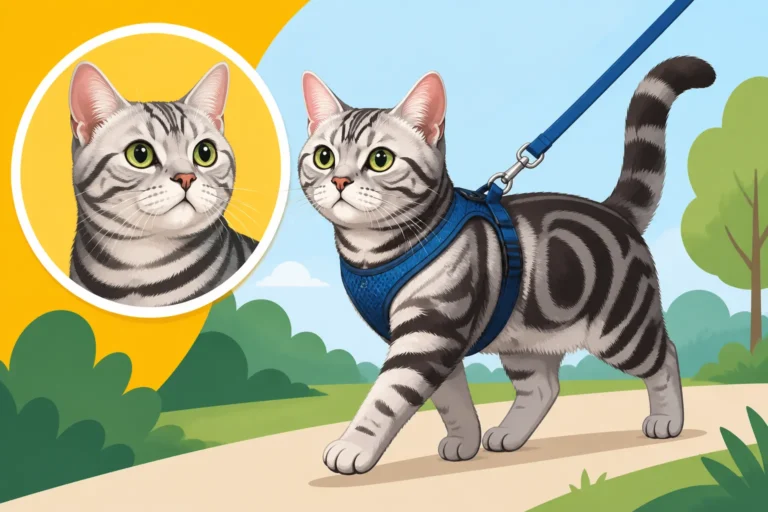
It can be incredibly frustrating when you want to bond with your American Shorthair through training, but they seem completely uninterested in the typical "sit" or "stay" commands you might teach a dog. Many owners find themselves puzzled, thinking their cat is simply untrainable, when in reality, they're just approaching it from the wrong angle. This guide is here to unravel the mystery of what truly motivates these clever, independent felines, helping you discover which tricks an American Shorthair, with its deep-seated prey drive, learns fastest and how to make training a fun, engaging part of your shared life.
Understanding the American Shorthair's Prey Drive and Learning Style
The American Shorthair, with its robust build and keen senses, carries a strong genetic legacy as a working cat. For centuries, these cats earned their keep by hunting rodents, a natural talent that has been carefully preserved in the breed. This isn't just a quirky trait; it's a fundamental aspect of their being that deeply influences how they perceive the world, interact with their environment, and, most importantly, how they learn. Trying to teach them tricks that go against this innate programming can feel like pushing a boulder uphill.
The Instinct to Hunt and Its Role in Training
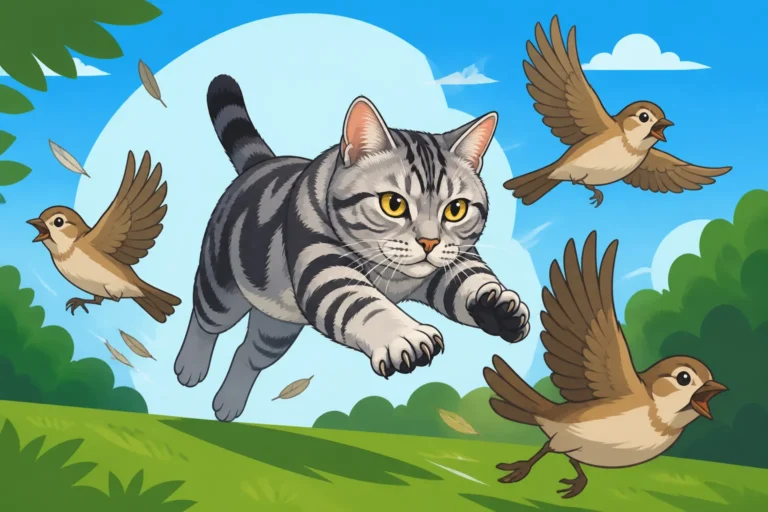
Think about your American Shorthair for a moment. Have you noticed how they watch birds outside the window, stalk a dust bunny across the floor, or meticulously bat at a dangling toy? This isn't just casual play; it's their hunting instinct in action. They're wired to identify, stalk, pounce, and "kill" their prey. This entire sequence is profoundly satisfying for them, and understanding it is the key to unlocking their training potential. If a trick doesn't tap into this primal drive, it's likely to be met with disinterest.
It's common for owners to feel a little defeated when their American Shorthair ignores their attempts at teaching a trick that doesn't involve movement or interaction with an object. You might wave a treat, call their name, and get nothing but a blink and a slow tail flick. This isn't defiance; it's just a misalignment of expectations. Their brains are tuned to react to things that mimic prey, motion, and the satisfaction of a successful "hunt." The American Shorthair Still Hunts, Whether You Want It To or Not is something every owner needs to grasp deeply.
How an American Shorthair Processes Information and Learns
American Shorthairs are intelligent, but their learning style isn't about rote memorization or pleasing a master in the same way a dog's might be. They learn through observation, repetition, and consequences that are directly relevant to their natural drives. If a behavior leads to a satisfying outcome – especially one that simulates a hunt or provides a high-value reward – they are much more likely to repeat it. They excel at tasks that require problem-solving and physical engagement, particularly when those tasks mimic the challenge and reward of catching prey.
Unlike some breeds that thrive on constant attention and praise, the American Shorthair is more independent. They're often quiet and observant, preferring to assess a situation before diving in. This means that frantic, overly enthusiastic training sessions can be counterproductive. They respond best to calm, consistent, and reward-based training that respects their self-reliant nature. Patience is your best friend when working with these astute felines; rushing them will only lead to frustration for both of you.
Foundation Tricks: Harnessing the Hunt for Quick Wins
When it comes to teaching your American Shorthair tricks, the fastest route to success is to leverage their inherent prey drive. Instead of trying to force unnatural behaviors, we want to guide and channel their existing instincts into something we can recognize as a "trick." This makes the learning process feel intuitive and rewarding for your cat, as they're essentially just doing what comes naturally, but with a new human-approved twist.
"Come" Command: The Call of the Wild (or Dinner Bell)
Teaching your American Shorthair to "come" when called is not only a fantastic trick but also incredibly useful for safety and everyday interactions. For a prey-driven cat, this isn't about obedience in the traditional sense; it's about associating your call with a positive outcome, often tied to their hunting or feeding instincts. Start by calling their name or a specific command word (like "come" or "here, kitty!") just before mealtime or when you're about to engage in a favorite play session.
As soon as they show any movement towards you, offer a high-value treat or immediately initiate a game with their favorite wand toy. The key is to make your voice the signal for something wonderful. Over time, they'll learn that approaching you on command leads to desirable rewards, whether it's a delicious morsel or the exciting "hunt" of a feather dancer. This leverages their understanding that good things come from interaction, much like a successful hunt leads to a meal. How to Clicker Train an American Shorthair That Works for Prey, Not Praise can offer more insights into this reward-based method.
Retrieval: The Natural Evolution of Bringing Prey
Many American Shorthairs naturally enjoy fetching small toys, an instinct that directly stems from their ancestors bringing prey back to their den. This isn't a forced trick; it's an extension of their hunting sequence. To encourage retrieval, choose small, lightweight toys that mimic the size and texture of actual prey, such as crinkly balls, soft mice, or small stuffed birds. Many great options can be found on Amazon, often in multi-packs so you have plenty to rotate.
Start by tossing the toy a short distance. When your cat brings it back, even if they just drop it near you, immediately reward them with praise, a treat, or another toss. If they don't bring it all the way back, try luring them closer with a treat or another toy, gradually increasing the distance they need to travel. Why an American Shorthair Brings You Things explores this fascinating behavior in more detail, highlighting how ingrained it is in the breed. The act of bringing the "kill" back is deeply satisfying.
Target Training: Guiding the Hunter's Focus
Target training is incredibly versatile and forms the basis for many other tricks. It involves teaching your cat to touch a specific object – usually a target stick or even your finger – with their nose or paw. This plays into their natural curiosity and focus. Begin by holding a target stick (or your finger) close to your cat's nose. The moment they touch it, click (if you're using a clicker) and immediately reward them with a treat.
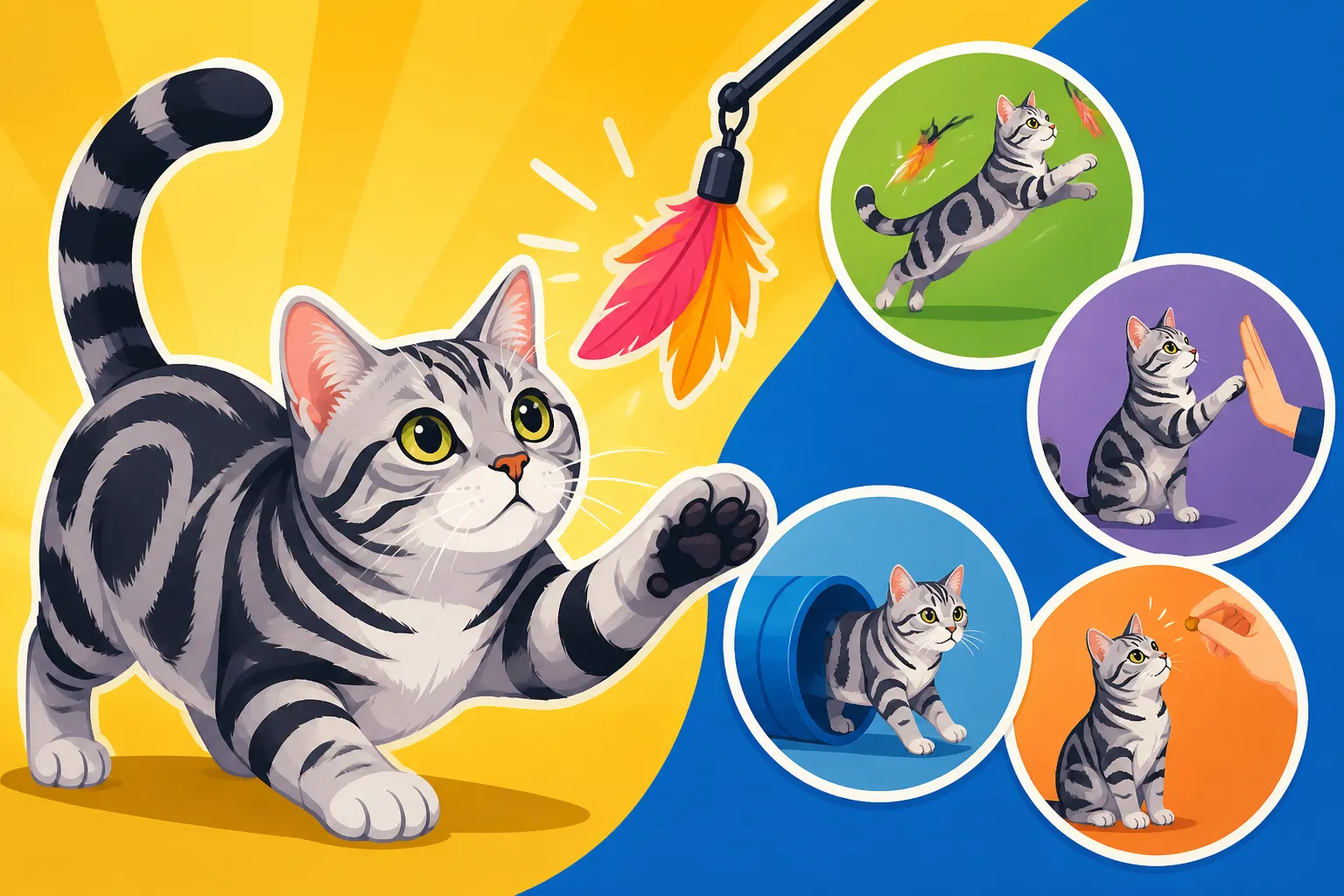
Once they consistently touch the target, you can start moving the target further away, or to different locations, requiring them to follow it. This technique channels their innate ability to focus on an object and pursue it, much like they would a mouse. Which Wand Toy Reads as Prey to an American Shorthair can give you ideas for suitable target objects that will grab their attention instantly. This can lead to them performing behaviors like going to a specific spot, jumping onto a perch, or even navigating a small agility course.
| Trick Category | Description | Ease for American Shorthair (Prey-Driven) | Typical Motivation |
|---|---|---|---|
| Come | Responding to a verbal cue to approach the owner. | Easy to Moderate | High-value treat, favorite toy, mealtime. |
| Retrieve | Bringing a thrown object back to the owner. | Easy to Moderate (if naturally inclined) | Repeat play, high-value treat, completion of hunt sequence. |
| Target | Touching a specific object with nose or paw on cue. | Easy | Treat, reward, curiosity, problem-solving. |
| Jump/Climb | Leaping onto or climbing a designated object. | Moderate to Easy (natural behavior) | Access to higher vantage, treat, satisfying a natural urge. |
| Paws Up | Placing paws on an object or person. | Moderate | Treat, physical interaction, attention. |
| "Sit" | Sitting on command. | Moderate to Difficult (less natural) | Treat, luring. |
| "Stay" | Remaining in position for a duration. | Difficult (requires patience) | High-value treat, gradual increase in duration. |
Advanced Tricks: Building on Natural Behaviors
Once your American Shorthair has mastered some foundation tricks, you can start to combine these behaviors or build upon them to teach more complex actions. The key remains the same: connect the trick back to their natural instincts and make it a rewarding, engaging experience. These advanced tricks often require a little more patience and creative thinking, but they can be incredibly satisfying to achieve with your clever cat.
Jumping and Climbing: Elevating the Hunt
American Shorthairs are agile and love to explore vertical spaces. This is directly linked to their hunting prowess – a higher vantage point offers a better view of potential prey, and climbing helps them escape danger or access interesting areas. You can harness this natural inclination to teach them to jump onto specific platforms, through hoops, or over small obstacles. Start with target training, guiding them to touch a target placed on a slightly elevated surface.
As they jump up, click and reward. Gradually increase the height or distance of the jump. You can use cat trees, sturdy stools, or even Amazon brand pet stairs as training props. Remember that their bodies are built for strength and agility, so they'll likely enjoy the physical challenge. Just ensure all surfaces are stable and safe to prevent any negative associations. This type of activity provides both mental and physical stimulation, which is crucial for an indoor American Shorthair.
Opening Doors and Cabinets: Problem-Solving for Prey
American Shorthairs are notorious for their intelligence and problem-solving skills, often figuring out how to open doors, cabinets, or even puzzle feeders. This curiosity is a natural offshoot of their drive to find and access prey. To teach them this, you can start by showing them how a door or cabinet opens, perhaps by nudging it slightly with a treat on the other side. This is particularly effective if there's something tempting like a favored toy or a hidden treat.
Reward any interaction with the handle or the door itself. Over time, they'll learn the mechanics. You can even find specific "cat door openers" on places like Amazon, designed to be easier for cats to manipulate. This trick isn't just entertaining; it also provides significant mental enrichment, tapping into their innate desire to investigate and overcome obstacles. However, be prepared for them to use this skill for their own purposes, such as getting into the pantry for extra snacks!
Agility Courses: Mimicking the Chase
Creating a simple agility course is a fantastic way to engage your American Shorthair's entire hunting sequence – stalking, pouncing, climbing, and running. You don't need fancy equipment; household items can be perfectly sufficient. Use cushions for tunnels, broomsticks for hurdles (held low or propped on books), and cat trees for climbing. The key is to make the course dynamic and rewarding.
Lead your cat through the course using a target stick or a wand toy. As they navigate each obstacle, click and reward. Make it a fun chase! Play That Finishes the Hunting Sequence for an American Shorthair is essential to remember here; your goal is to simulate a successful hunt. An agility course taps into their need for physical activity and mental engagement, providing an outlet for their strong prey drive within a safe, controlled environment.
Best Practices for Training Your Prey-Driven American Shorthair
Training an American Shorthair, especially one whose instincts are so strongly tied to hunting, requires a specific approach. It’s not just about what you teach, but how you teach it. By understanding their unique needs and motivations, you can make training a positive and productive experience for both of you, strengthening your bond and enriching your cat's life.
The Power of Positive Reinforcement (and the Right Rewards)
Positive reinforcement is the cornerstone of successful cat training, especially for an American Shorthair. They respond incredibly well to rewards, associating a desired action with a pleasant outcome. This means providing something they really want immediately after they perform the trick correctly. For a prey-driven cat, "high-value" rewards are paramount. This isn't just any treat; it might be a tiny piece of cooked chicken, salmon, or their absolute favorite commercial cat treat.
Alongside food, play can be a powerful reinforcer. If your cat loves to chase a feather wand, a few seconds of intense play can be just as rewarding as a treat. The critical thing is timing: the reward must be delivered within seconds of the desired behavior so your cat makes the connection. Punishment, scolding, or negative reinforcement simply do not work with cats; it erodes trust and makes them fear or avoid you, completely shutting down the learning process.
Keeping Sessions Short, Sweet, and Engaging
Cats, unlike some dogs, have relatively short attention spans when it comes to formal training. Long, drawn-out sessions will quickly lead to boredom, frustration, and a disinterested American Shorthair wandering off to patrol their territory. Aim for short, frequent training sessions – typically 5-10 minutes, once or twice a day. End each session on a high note, even if it means asking for an easy trick they already know perfectly, and give them a big reward.
This keeps training feeling like a fun game rather than a chore. It's about quality, not quantity. If you notice your American Shorthair becoming distracted, yawning, or looking away, it's a clear sign they're done for now. Respect their cues and try again later. Consistency, however, is key. Even short daily sessions are more effective than sporadic long ones. How Many Hunts a Day an Indoor American Shorthair Needs highlights their inherent need for regular engagement.
Essential Tools and Supplies for Successful Training
Having the right tools can make a significant difference in your training journey. While American Shorthairs don't need much fuss, a few key items can enhance their learning and keep them engaged.
- Clicker: A clicker provides a precise, consistent marker for the exact moment your cat performs the desired behavior. This instantaneous feedback helps them understand what they did right. You can find simple, affordable clickers on Amazon or at most pet stores.
- High-Value Treats: As mentioned, these are crucial. Experiment to find what your American Shorthair considers utterly irresistible. Small, soft, and easy-to-chew treats are ideal for rapid rewarding.
- Wand Toys: These are fantastic for engaging their prey drive and can serve as both motivators and rewards. Look for wand toys with feathers, crinkly attachments, or small stuffed animals at the end. Amazon has a vast selection that can cater to any American Shorthair's preferences.
- Puzzle Feeders: While not directly for "tricks," puzzle feeders turn mealtime into a mental challenge, mimicking the effort of a hunt. They can keep your American Shorthair engaged and satisfied, indirectly reinforcing their problem-solving skills. Whether a Puzzle Feeder Satisfies an American Shorthair is a question many owners ponder, and the answer is often a resounding yes.
- Target Stick: A simple, lightweight stick (or even a chopstick or your finger) can be an invaluable tool for guiding your cat's movements in target training.
By focusing on these core principles and utilizing their natural instincts, you'll find that your American Shorthair is far from untrainable. Instead, they are intelligent, capable, and eager to engage in activities that tap into their ancient, fascinating hunting spirit.
Disclaimer
This article is for general informational purposes only and does not constitute professional advice. Laws, prices and regulations vary by location and change over time. Consult a qualified professional for guidance on your specific situation.