How to Get a Patrol Minded American Shorthair Into a Carrier
It's a scene many American Shorthair owners know all too well: the cat carrier emerges, and suddenly your easygoing, self-sufficient feline transforms into a furry, four-legged escape artist. Getting your patrol-minded American Shorthair into a carrier can feel like wrestling a greased pig, a task fraught with scratches, indignant meows, and often, failure. This comprehensive guide is here to validate your struggles and provide actionable, empathetic strategies to make carrier time less of a battle and more of a calm transition for both you and your stoic companion.
Understanding the American Shorthair's Mindset Towards Carriers
Your American Shorthair isn't trying to be difficult just for the fun of it when it sees the carrier. Their aversion stems from deeply ingrained instincts and their unique personality. These cats are, at heart, independent and highly territorial, and being confined feels unnatural and threatening.
The Instinct for Patrol and Territory
American Shorthairs come from a long lineage of working cats, bred to be excellent mousers and vigilant guardians of their territory. For centuries, their survival depended on their ability to patrol, assess their surroundings, and freely move as they pleased. This strong territorial drive means they are acutely aware of their environment and feel safest when they have control over it. A carrier, to them, represents a sudden loss of this control. It's a small, enclosed space that they cannot escape, that takes them away from their known domain, and that often leads to unfamiliar and potentially scary places like the vet's office. Their patrol instincts tell them to avoid being trapped, not willingly enter a box. It's not personal; it's instinct. You might find their self-sufficiency appealing in many ways, but it makes this one task a real challenge. Why an American Shorthair Was Never Bred to Need You
The Dislike for Restraint and Unfamiliarity
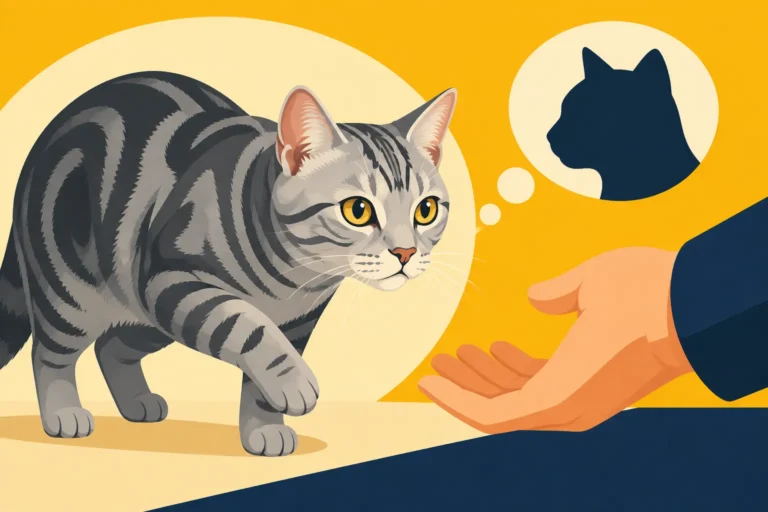
Unlike some breeds that might be more amenable to being picked up and cuddled, the American Shorthair often prefers to express affection on their own terms, usually by sitting near you rather than on you. They are not typically lap cats, and they value their independence. Being shoved into a carrier goes against this core aspect of their personality. They associate the carrier with being restrained and taken to places they don't understand, often involving uncomfortable procedures. It’s a violation of their personal space and their sense of security. Imagine being abruptly scooped up and put into a small box that only appears when something unpleasant is about to happen. Your American Shorthair understands this on a primal level, and their resistance is a natural response. This inherent caution is also why they often prefer to retreat before they scratch, making the carrier situation a real test of wills. Why an American Shorthair Retreats Before It Scratches
Creating a Positive Association with the Carrier
The key to a less stressful carrier experience lies in changing your cat's perception of the carrier from a dreaded box to a familiar, even comfortable, safe haven. This takes time, patience, and consistency.
Making the Carrier a Permanent Piece of Furniture
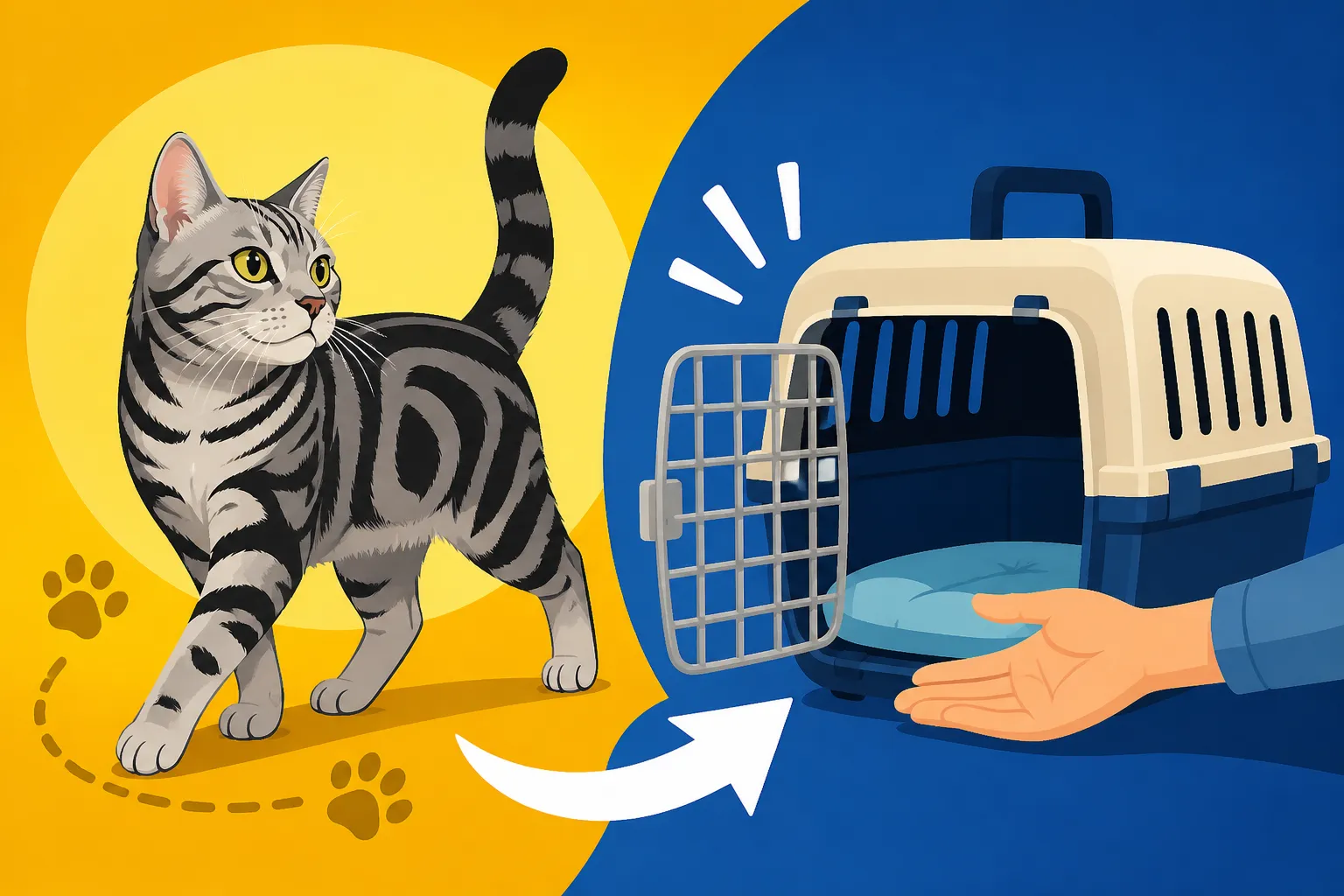
The biggest mistake many of us make is pulling the carrier out only when it's time for a vet visit or a trip. Your American Shorthair isn't dumb; they quickly associate the carrier with stress. Instead, integrate the carrier into your home environment. Leave it out all the time, in a quiet, accessible corner of a room your cat enjoys. Remove the door, or prop it open, allowing them free access. Place a soft, familiar blanket or one of your old t-shirts inside to make it smell like home and you. How an American Shorthair Copes With Change
- Start Small: Begin by simply having the carrier present. Don't push it. Let your cat investigate on their own terms. They might sniff it, bat at it, or even ignore it for days. That's perfectly fine. The goal is to make it a neutral, non-threatening object in their world.
- Comfort is Key: Ensure the carrier is genuinely comfortable. A fluffy bed, a favorite toy, or a treat inside can encourage exploration. You can find many affordable, soft beds and cozy blankets on Amazon that fit perfectly inside most standard carriers, making them much more inviting.
Luring with Treats, Toys, and Pheromones
Once the carrier is part of the furniture, it's time to make it appealing. Food, treats, and play are powerful motivators for an American Shorthair, even for one that guards its territory.
- Food Rewards: Start placing a few high-value treats near the carrier, gradually moving them closer and then just inside the entrance. Don't force them to go all the way in if they're not ready. The idea is to build positive associations at their own pace. If they step inside even briefly to grab a treat, offer praise and more treats. For many American Shorthairs, their appetite outlasted their working job, so food is often a great motivator.
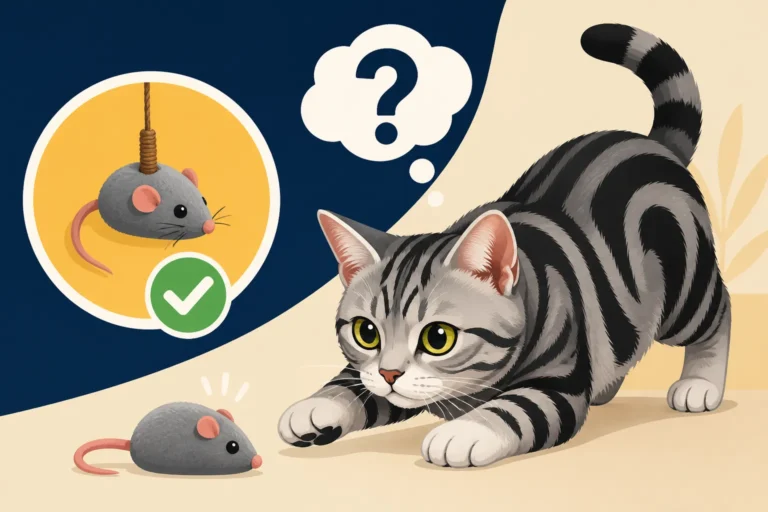
- Playtime Inside: Use a wand toy or a feather teaser to encourage playful interactions around and eventually inside the carrier. Guide the toy inside, letting your cat follow it. If they enter to 'catch' the toy, celebrate with praise and a treat. Which Wand Toy Reads as Prey to an American Shorthair
- Pheromone Sprays: Consider using calming pheromone sprays, often available from brands like Feliway. Spray the inside of the carrier about 15-20 minutes before you want your cat to enter. These synthetic pheromones mimic the natural calming signals cats release, helping to reduce anxiety and create a sense of security. While not a magic bullet, they can significantly lower stress levels for many cats, making them more receptive to the carrier.
Gradual Training Steps for Carrier Entry
Consistent, small steps are more effective than sporadic, high-pressure attempts. Think of this as a marathon, not a sprint.
- Introduce the Door: Once your American Shorthair is regularly entering and exiting the carrier on their own, start gently closing the door for a few seconds while they are inside, then immediately opening it and offering a treat.
- Increase Duration: Gradually increase the time the door is closed, always following with a treat and praise. Do this multiple times a day, for very short durations.
- Lift and Move: When your cat is comfortable being in the carrier with the door closed for a few minutes, try lifting the carrier a few inches off the ground and putting it back down. Again, reward generously. Slowly progress to walking a few steps with the carrier, then taking it to another room, then back.
- Practice Runs: Occasionally, carry the carrier to your car, leave it there for a few minutes with your cat inside (and safely secured), and then bring it back inside. The goal is to normalize the entire process, not just the entry.
Here's a table summarizing common carrier types and their features, which can impact ease of use:
| Carrier Type | Pros | Cons | Best For |
|---|---|---|---|
| Hard-Sided | Durable, easy to clean, secure, often has top-loading option. Excellent for nervous or larger cats. | Can be bulky, less comfortable without added bedding, may feel more confining for some cats. | Long-term use, vet visits, strong escape artists, cats needing more structure. |
| Soft-Sided | Lighter, foldable for storage, more cozy and den-like, good airflow, often airline approved. | Less durable, harder to clean if accidents happen, less protection in impacts, easier for strong cats to bend. | Short trips, car travel, cats who prefer soft spaces, owners with limited storage. |
| Top-Loading | Easiest for putting reluctant cats in (drop method), prevents cats from bracing their feet, less stressful for some. | Can be less stable when carrying, some models are heavy, might not be as widely available. | Extremely reluctant or aggressive cats, owners who struggle with front-loaders. |
| Backpack/Wheeled | Convenient for owners on the go, good for public transport, often offers good ventilation. | Can be less secure for larger cats, may feel less stable for the cat, not all cats tolerate movement well. | Owners who travel frequently with their cat, cats who are calm in motion. |
Choosing the right carrier is crucial. Many people find excellent options for all these types on Amazon, often with reviews from other cat owners that can guide your decision. Which Carrier a Square Built American Shorthair Fits In Costs
Low-Stress Techniques for Carrier Entry When Time Is Short
Sometimes, despite all your best efforts, you just need to get your American Shorthair into the carrier now. These techniques prioritize minimizing stress and physical struggle.
The "Drop" Method with a Top-Loading Carrier
If you have a top-loading carrier, you're already at an advantage. This method leverages gravity and minimizes the cat's ability to brace themselves.
- Prepare the Carrier: Open the top door of the carrier wide. Make sure there's a soft blanket or towel at the bottom.
- Position Your Cat: Gently hold your American Shorthair under their front legs and scoop up their hindquarters, so they are in a vertical position with their paws dangling.
- Lower Them In: Carefully lower their hindquarters first into the carrier opening. This prevents them from bracing their front paws against the sides.
- Close Quickly: Once they are inside, swiftly and calmly close the top door. Don't hesitate.
- Calm Reassurance: Once secured, speak to them in a soothing voice. Avoid excessive petting if they are agitated, as it might escalate their fear. A little treat through the bars if they'll take it can help.
This method is often far less stressful than trying to push a cat through a front-opening door, where they can easily dig in their claws and resist.
The "Towel Wrap" for Reluctant Cats
For American Shorthairs who truly despise being handled or who are experts at turning into liquid to avoid the carrier, a towel can be your best friend.
- Find a Large Towel: Grab a sturdy, bath-sized towel.
- Gently Drape: Approach your cat calmly. Gently drape the towel over their back, covering their head if possible. This often has a calming effect, similar to swaddling a baby.
- Scoop Up: With the towel wrapped around them, quickly but gently scoop them up, holding them securely within the towel. The towel will protect you from scratches and give them a sense of security (or at least containment).
- Carrier Entry: If using a top-loader, lower the towel-wrapped cat in. If using a front-loader, gently guide the towel-wrapped cat in backward, so their head is facing the back of the carrier.
- Secure and Soothe: Once inside, quickly close the door and offer soft, calming words. The towel can remain with them in the carrier, providing a comforting scent and further reducing visual stimulation.
Strategic Carrier Placement and Entry
Sometimes, it's not just how you put them in, but where and how you approach the carrier.
- Vertical Placement: For front-loading carriers, try turning the carrier on its end, so the opening faces upwards. This effectively turns it into a top-loader, making the "drop" method much easier. Once the cat is in, quickly and carefully return the carrier to its normal orientation and secure the door.
- The "Surprise" Method (Gentle Version): If your cat anticipates the carrier and disappears, don't chase them. Instead, quietly place the carrier in a small room (like a bathroom) where your cat is already present, or where you can easily guide them. Close the main door to the room. Now, you have a confined space. Avoid cornering them; instead, use a broad, sweeping motion with your body to gently direct them towards the carrier, or use the towel method if needed.
- Minimize Drama: Cats pick up on our stress. If you're panicked, your American Shorthair will be too. Take a deep breath. Speak in low, calm tones. Move deliberately and confidently, not hesitantly. Your calm demeanor can help reassure them, even if they're not thrilled about the situation. Remember, the American Shorthair is quite stoic, but they still react to your energy. Why a Stoic American Shorthair Is Easy on the Exam Table
Troubleshooting and Emergency Situations
Even with the best preparation, there will be times when things don't go according to plan. Having a backup strategy can save a lot of heartache.
When All Else Fails: What to Do
If your American Shorthair is putting up an insurmountable fight, prioritize safety for both of you.
- Step Back and Reassess: If you're both becoming increasingly stressed, take a short break. Retreat to another room, let your cat calm down, and regroup. Sometimes, a few minutes of peace can reset the situation.
- Another Pair of Hands: If possible, enlist a calm friend or family member to help. One person can gently hold or distract the cat while the other handles the carrier. Remember to communicate clearly and calmly.
- Consult Your Vet for Sedation Options: For highly anxious or aggressive cats, your veterinarian might prescribe a mild sedative to administer before car rides or vet visits. This isn't a long-term solution but can be invaluable for making necessary trips less traumatic. Discuss this with your vet well in advance of any planned travel.
- Professional Behaviorist: If carrier issues are a recurring nightmare and impacting your cat's health care, consider consulting a certified feline behaviorist. They can offer tailored strategies and help address underlying anxieties.
Handling Emergency Vet Visits
An emergency situation means you often don't have the luxury of gradual desensitization. Speed and safety are paramount.
- Grab the Carrier and Towel: Have your carrier (preferably a top-loader if you have one) and a large towel readily accessible.
- Locate Your Cat: Find your American Shorthair. If they are in pain or injured, they might be hiding or react defensively. Approach cautiously.
- The "Scoop and Drop" or Towel Method: Use the most efficient method you know. If they are in a lot of pain, avoid unnecessary handling. The towel method can be particularly helpful here to both protect you and minimize their perception of being directly handled.
- Secure and Go: Once they are safely in the carrier, secure the door and head to the vet immediately. Try to keep the carrier stable during transport to minimize further stress or injury. A simple calming spray or a familiar blanket can offer a small measure of comfort in these urgent moments.
Remember, the goal is always to get them to the care they need with as little additional trauma as possible. While your American Shorthair is an independent and hardy breed, even they can be overwhelmed by sudden changes and confinement, especially when not feeling well. By understanding their inherent nature and employing consistent, low-stress techniques, you can transform carrier time from a dreaded ordeal into a manageable part of their care.
Disclaimer
This article is for general informational purposes only and does not constitute professional advice. Laws, prices and regulations vary by location and change over time. Consult a qualified professional for guidance on your specific situation.