How Long an American Shorthair Copes Alone in the Day
It’s a common dilemma for cat parents: you have a busy day ahead, and as you head out the door, you glance back at your furry friend and a pang of guilt strikes. We all worry about our beloved companions, especially when we can't be there to dote on them every moment. This guide aims to ease your mind and provide a comprehensive look at how the inherently independent American Shorthair typically manages its alone time throughout the day, offering practical advice to ensure they thrive even when you're not around.
Understanding the American Shorthair's Independent Nature
When we talk about cats coping alone, it's important to understand the breed's inherent predispositions. The American Shorthair isn't just any cat; this breed has a rich history that has shaped its remarkable self-reliance and ability to handle solitude. They weren't bred to be lap decorations requiring constant human attention. Instead, their ancestry tells a story of survival and practical purpose, traits that still resonate strongly in their temperament today. This background makes them uniquely suited for households where owners might be away for significant portions of the day, offering a sense of calm that many other breeds might struggle to maintain.
Historical Roots of Self-Sufficiency
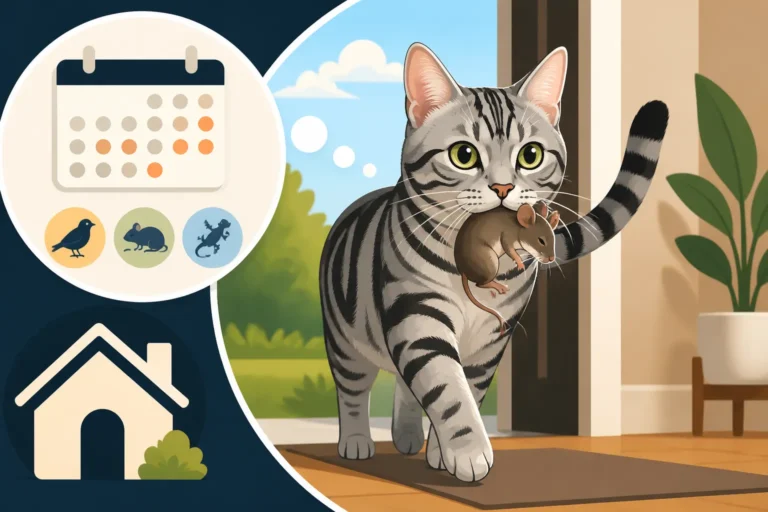
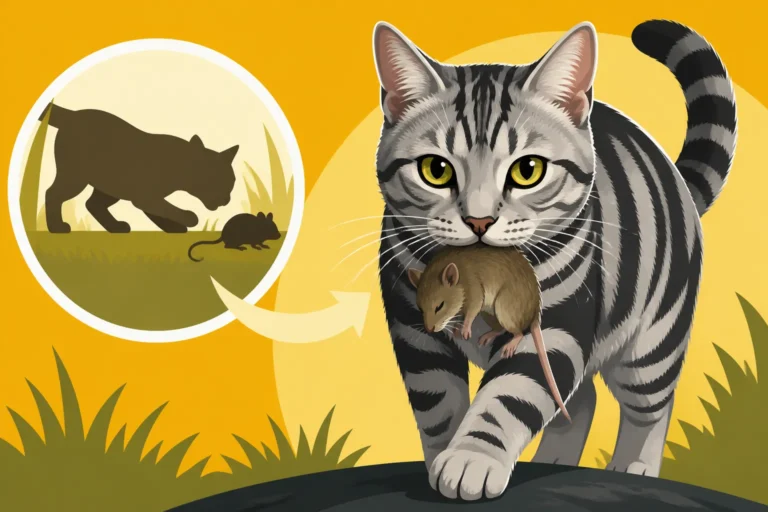
Imagine the ships sailing to the New World, or the early American farms and homesteads. These weren't places for delicate, needy felines. The cats on board and later in these burgeoning settlements had a vital job: rodent control. They were the original working cats, earning their keep by patrolling barns, kitchens, and ship holds, hunting pests to protect precious food supplies. This was a solitary job for the most part, requiring sharp instincts, physical prowess, and a deep sense of self-sufficiency. There was no one around to entertain them or provide constant companionship; they had to be resourceful and content in their own company.
This lineage means that the modern American Shorthair carries that strong, independent spirit in its genes. They come from a long line of cats who spent their days navigating their territory, stalking prey, and resting when needed, all without human intervention. Why an American Shorthair Was Never Bred to Need You is a concept deeply embedded in their DNA. This doesn't mean they don't appreciate human affection – quite the opposite, they often form deep, quiet bonds – but it does mean they aren't prone to the same separation anxiety or destructive behaviors that can sometimes be seen in breeds bred purely for companionship or those with more intense social needs. They are comfortable within their own boundaries and confident in their environment.
Signs of a Content, Solitary American Shorthair
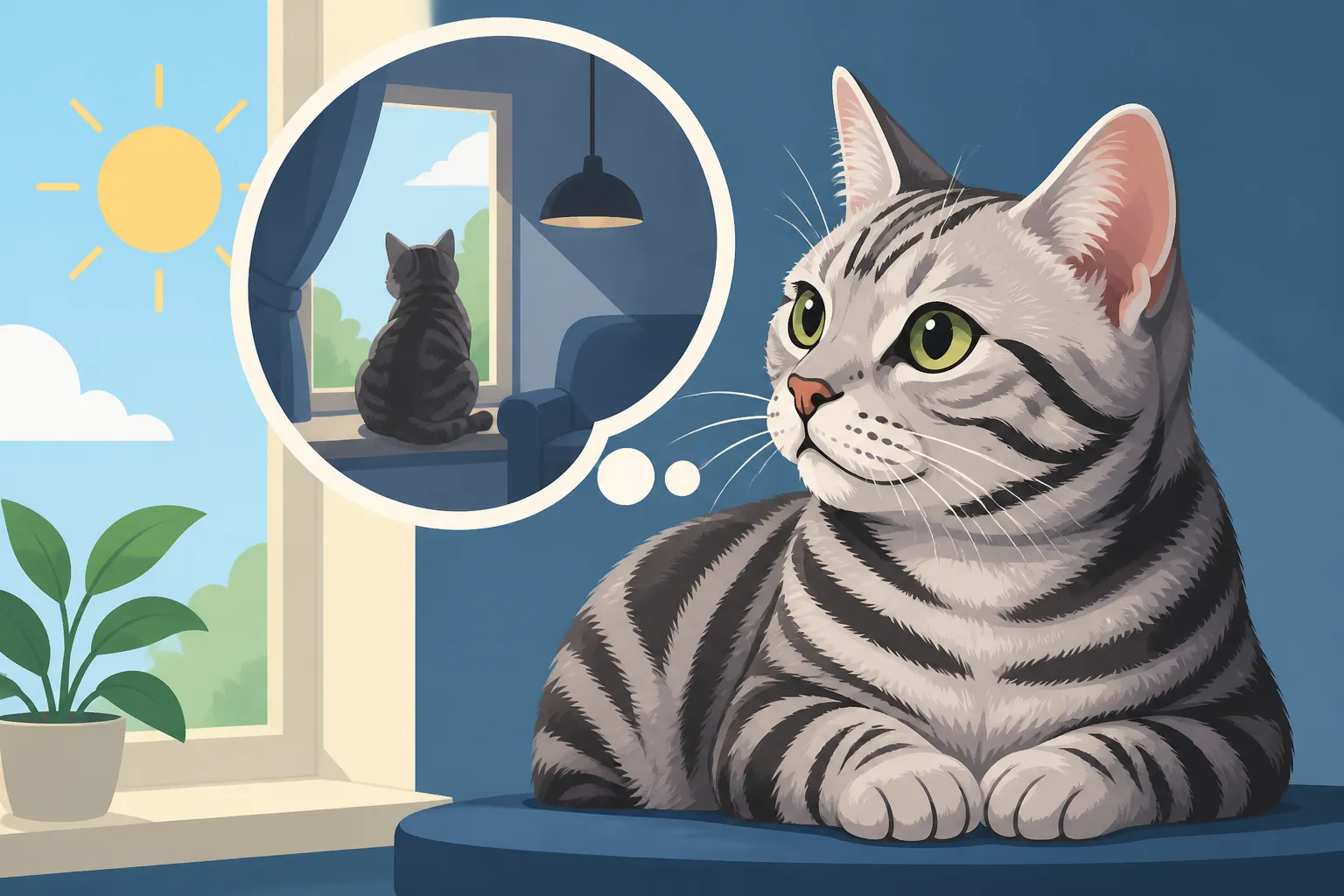
So, what does a well-adjusted American Shorthair look like when left to its own devices? Typically, a content American Shorthair will spend its day engaged in activities that mirror its ancestral past: patrolling its "territory" (your home), perhaps napping in various sunbeams, gazing out windows at the world outside, or engaging with toys. They are masters of their domain, moving with purpose and an innate sense of calm. How an American Shorthair Splits Its Day Between Patrol and Sleep gives you a peek into their natural rhythm, and it's a routine that often aligns perfectly with a human's workday schedule.
You'll notice them grooming meticulously, perhaps taking a drink, and then finding a cozy spot for a lengthy nap. When you return home, a well-adjusted American Shorthair might greet you with a subtle rub against your legs or a quiet chirp, rather than a frantic display of desperate attention-seeking. They've been fine, thank you very much, and now they're ready to share your space. Their independence often manifests as a quiet confidence; Why a Self Reliant American Shorthair Rarely Panics Alone isn't just a saying, it's a testament to their built-in coping mechanisms. They simply don't have the "panic" button that some more clingy breeds possess.
Factors Influencing How Long an American Shorthair Copes Alone
While the American Shorthair generally excels at solitary living, it's not a blanket statement for every single cat. Just like people, each American Shorthair has its own unique personality, history, and needs. Several factors play a significant role in determining how well and for how long your individual cat can comfortably manage on its own during the day. Understanding these nuances allows you to tailor your approach and provide the best possible environment for your feline companion, ensuring their well-being even when you're not physically present.
Age and Personality Differences
A young kitten, with its boundless energy and developing social skills, will naturally have different needs than a mature adult or a senior cat. Kittens, for example, require more frequent interaction, playtime, and supervision, as they are still learning about their world and forming bonds. Leaving a very young kitten alone for a full workday might not be ideal, as they could get into mischief or feel lonely. As they mature, their confidence grows, and their innate independence truly shines.
Senior American Shorthairs, on the other hand, might appreciate their alone time even more, preferring quiet naps and undisturbed rest. However, they may also require closer monitoring for health issues, and their ability to navigate their environment or reach high places might diminish, necessitating some adjustments to their setup. The core stoic nature of the breed usually means they handle solitude well across all life stages, but you still need to be mindful of individual variations. Some American Shorthairs might be more outgoing, others more reserved, regardless of age, so observing your specific cat's behavior is always key.
Environmental Enrichment and Mental Stimulation
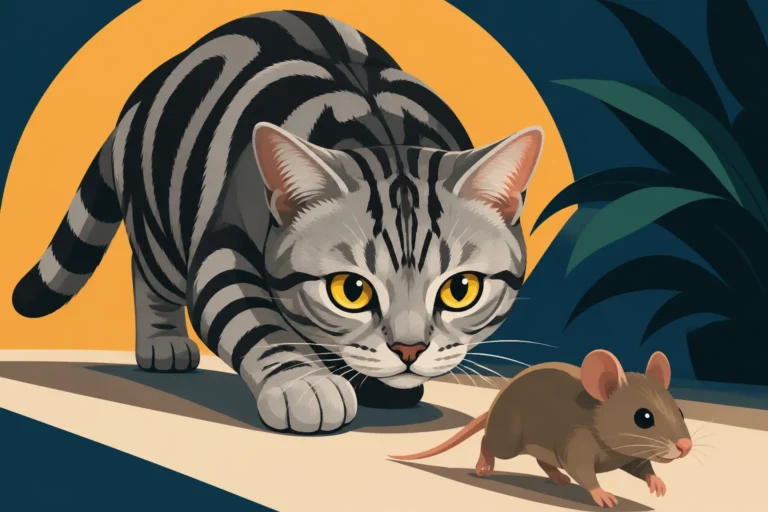
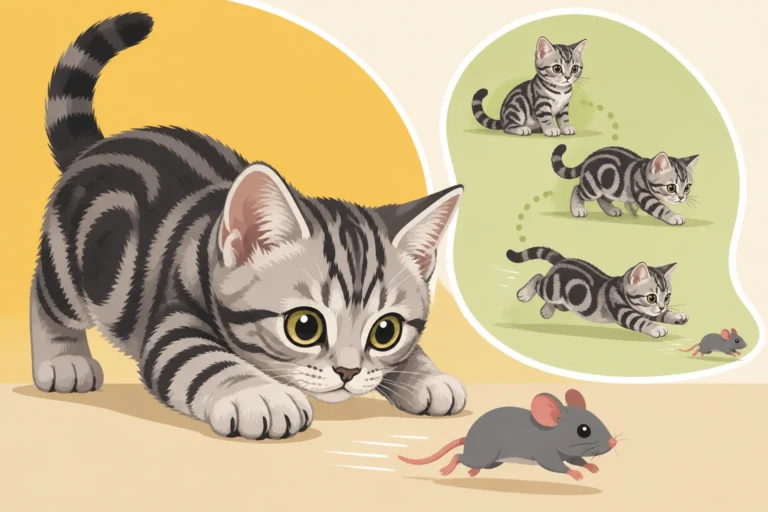
An empty, boring house is tough for anyone, even a self-sufficient cat. The amount of environmental enrichment you provide significantly impacts how well your American Shorthair copes alone. These are cats with a strong prey drive and a natural curiosity, even if they're not actively mousing. What an Indoor American Shorthair Does With a Mouser's Instinct means they still need outlets for those instincts. A stimulating environment transforms alone time from boredom into an opportunity for exploration and mental engagement.
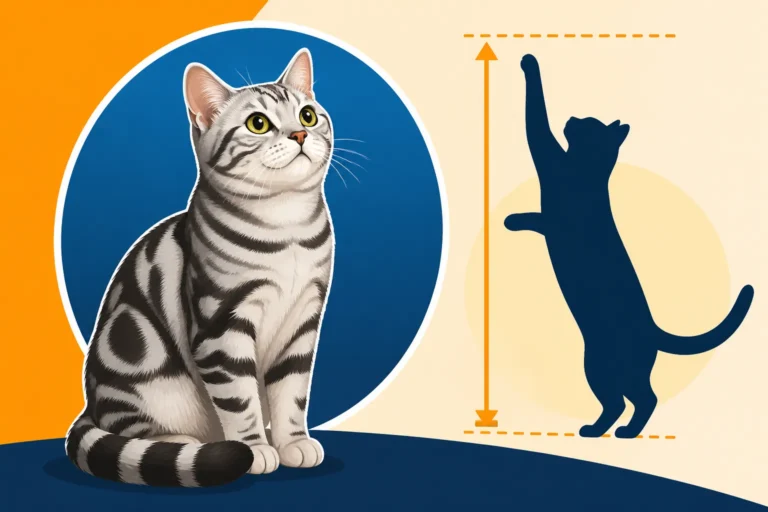
Think about things that engage their senses and intellect: tall cat trees for climbing and surveying their territory, window perches for bird-watching (their own personal "cat TV"), and a rotation of interesting toys. Puzzle feeders can turn mealtime into a mental game, satisfying their hunting instincts in a safe, indoor way. A multi-level cat condo available on sites like Amazon can provide both vertical space and cozy hideaways, ensuring they have plenty of options to survey their domain or retreat for a peaceful nap. Providing these resources ensures they have productive ways to spend their waking hours, preventing boredom-induced behaviors.
The Importance of Routine
Cats, including the American Shorthair, are creatures of habit. They thrive on predictability, and a consistent daily routine can greatly enhance their ability to cope with your absence. Knowing when meals are served, when playtime typically occurs, and when you usually leave and return can create a sense of security for them. This isn't about rigid scheduling, but rather a general rhythm to their day.
If your American Shorthair knows that breakfast is at 7 AM, and then you typically leave, they learn to adjust their activity schedule around this. They might settle down for a long mid-morning nap, confident that their needs have been met and you'll be back at the usual time. Consistency in feeding times, litter box cleaning, and even a dedicated play session before you leave and after you return can make a world of difference. This predictability reduces anxiety and reinforces their trust in their environment and their human.
| Factor | Impact on Alone Time Coping | Considerations |
|---|---|---|
| Age | Young kittens need more, seniors health checks. | Kittens: Shorter periods. Seniors: Easier access to resources, comfort. |
| Personality | Varies; some more reserved, others more outgoing. | Observe your cat's unique temperament. |
| Enrichment | High impact; prevents boredom and stress. | Provide vertical space, window views, puzzle toys, scratching posts. |
| Routine | Creates predictability and security. | Consistent feeding, playtimes, departure/arrival schedules. |
| Health Status | Ill or recovering cats need closer monitoring. | Consult vet for advice on alone time for cats with health issues. |
| Prior Experience | Cats from busy homes or shelters may adjust differently. | Patience and gradual acclimatization for cats with unknown backgrounds. |
Practical Strategies for Daily Alone Time
Knowing that your American Shorthair is a self-sufficient creature is comforting, but it doesn't mean you can just shut the door and forget about them. Thoughtful preparation and proactive strategies can make their daily alone time not just tolerable, but genuinely enjoyable. The goal is to create an environment where they feel safe, stimulated, and content, even when the house is quiet and you're away at work or running errands. Small changes can make a big difference in fostering their independence and ensuring their overall happiness.
Setting Up a Safe and Engaging Space
First things first, safety is paramount. Before you leave, do a quick "cat-proofing" sweep. Ensure any hazardous items, like cleaning supplies, medications, or small objects that could be swallowed, are securely put away. Check that windows are latched and screens are secure if your cat enjoys window perches. Beyond safety, focus on engagement. Your American Shorthair benefits immensely from having multiple options for resting, playing, and observing.
Provide a variety of comfortable sleeping spots. This could be a soft bed on the sofa, a cozy cave bed from a pet store, or simply a sunbeam on the floor. Vertical space is crucial for these natural climbers; a sturdy cat tree allows them to survey their territory from a safe height. Make sure food and fresh water are readily available. Many cats prefer multiple water sources, so consider a filtered water fountain (you can find great options on Amazon) which encourages them to drink more. Keep litter boxes clean and easily accessible, ideally more than one in a multi-cat household or a larger home. These basic provisions lay the groundwork for a comfortable and stress-free environment.
Enrichment Toys and Activities
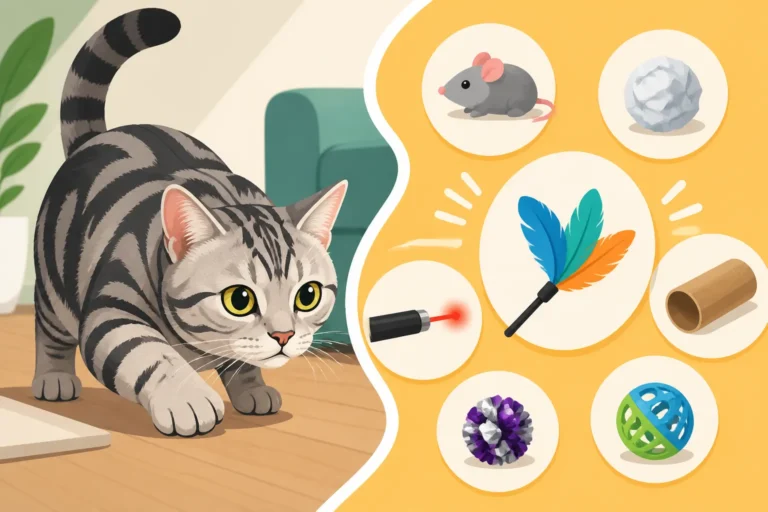
This is where you can really tap into your American Shorthair's inner hunter. They might not be chasing real mice, but they can certainly enjoy the thrill of the "hunt" with well-chosen toys. Interactive toys that they can play with independently are excellent. Think about toys that move unpredictably, dispense treats, or have various textures and sounds. You don't need to spend a fortune; even a crumpled paper ball or a cardboard box can provide entertainment.
Consider rotating toys regularly to keep things fresh and exciting, preventing boredom. Store some toys away and bring them out on a different day to rekindle interest. Puzzle feeders are truly a game-changer for these intelligent cats. Filling them with a portion of their daily kibble transforms mealtime into a stimulating activity, mimicking the work they'd do to find food in the wild. Whether a Puzzle Feeder Satisfies an American Shorthair is a resounding yes for many owners. You can find a vast array of puzzle feeders, from simple treat balls to more complex activity boards, on sites like Amazon, tailored to different levels of difficulty. Don't forget window perches; they offer hours of entertainment as your cat watches the world go by.
The Pre- and Post-Work Routine
Even though American Shorthairs are independent, they still cherish their bond with you. Making the most of your time together before you leave and after you return is vital for their emotional well-being. Before you head out, dedicate 10-15 minutes to an engaging play session with a wand toy. This helps them burn off energy, satisfy their predatory instincts, and deepens your connection. End the play session with a "catch," allowing them to feel successful and satisfied. A small meal after play can further reinforce positive associations with your departure. How Much Simulated Hunting an American Shorthair Needs is a good guideline for ensuring they get adequate physical and mental exercise before you leave them.
When you get home, resist the urge to immediately rush to feed them or tend to chores. Instead, spend a few minutes actively engaging with your cat. This could be another short play session, some gentle petting and talking, or simply sharing a quiet moment together. This signals that despite your absence, you value your time together. A consistent routine that includes quality interaction before and after your workday helps them feel secure and loved, making their alone time much more manageable and less likely to lead to loneliness or anxiety.
Conclusion
The American Shorthair is truly a remarkable breed, possessing a robust independence forged by centuries of working alongside humans. Their self-reliant nature means they are generally very well-equipped to cope alone for standard workday hours, often finding quiet contentment in their own company. They aren't prone to the same anxieties that might plague more codependent breeds, preferring to occupy themselves with patrols, naps, and observations of their kingdom – your home.
However, "coping" isn't just about existing; it's about thriving. By understanding their unique historical temperament and implementing thoughtful strategies, you can ensure your American Shorthair doesn't just tolerate your absence, but genuinely enjoys their enriched environment. Providing ample mental and physical stimulation through toys, vertical spaces, and consistent routines will foster their well-being and strengthen the bond you share. So, rest easy knowing your American Shorthair is likely making the most of their quiet day, and returning home means being greeted by a calm, confident, and very loved feline friend.
Disclaimer
This article is for general informational purposes only and does not constitute professional advice. Laws, prices and regulations vary by location and change over time. Consult a qualified professional for guidance on your specific situation.