Why an American Shorthair Is Awake Before You Are
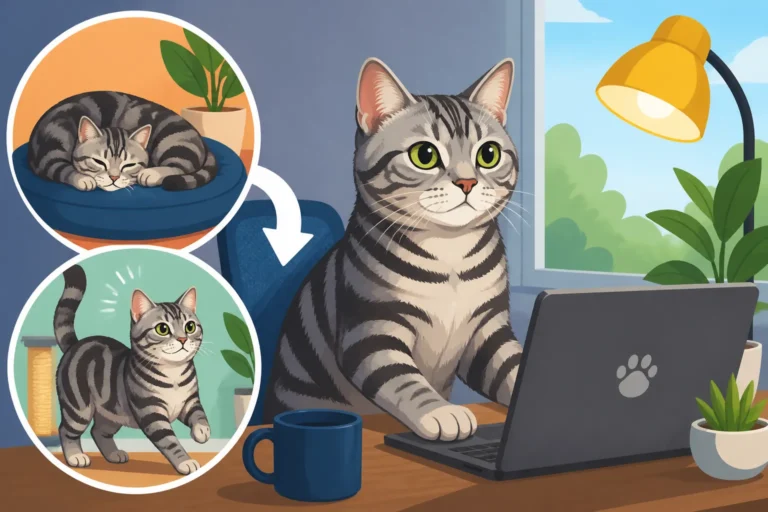
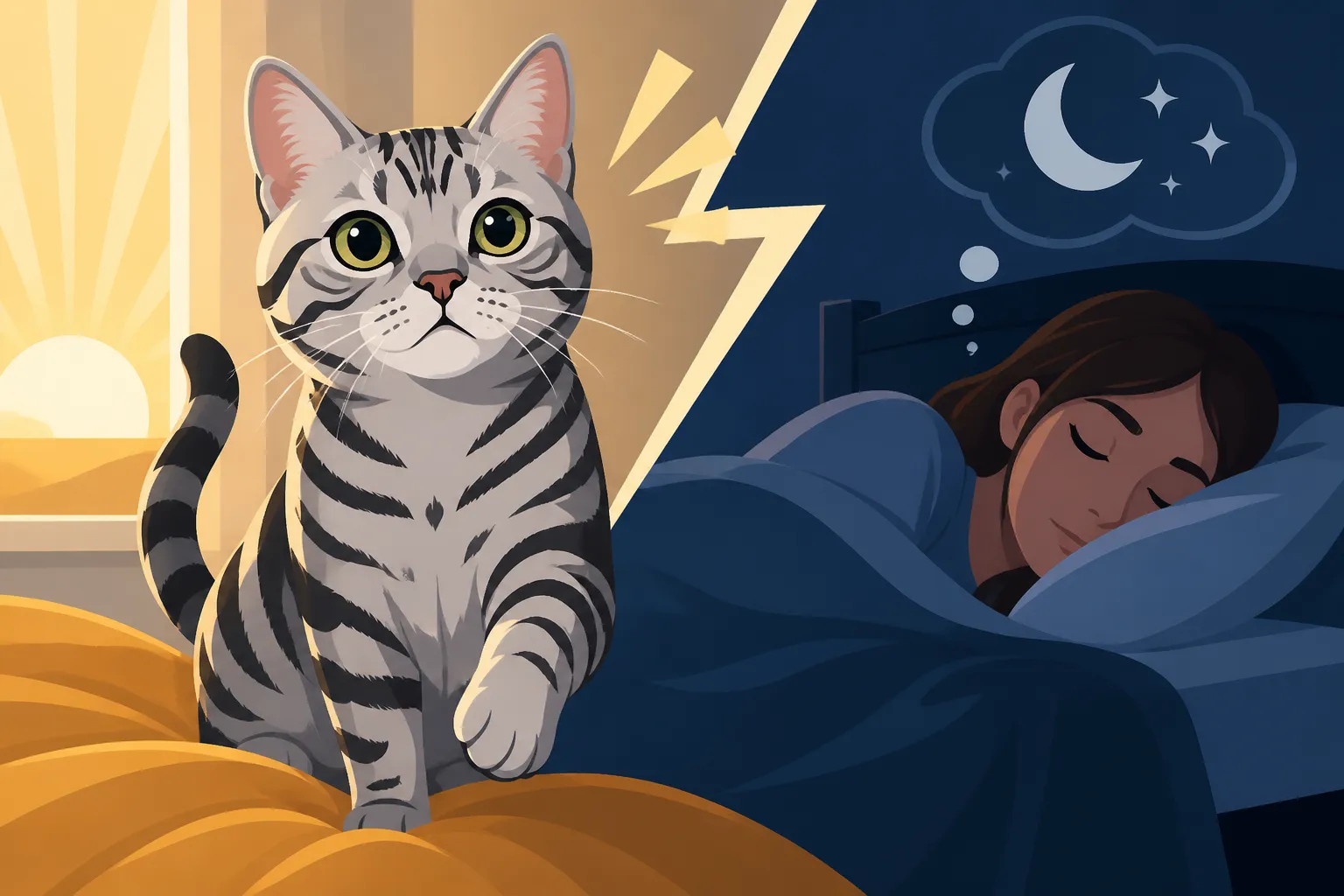
Oh, the joy of being woken up by your feline alarm clock before the actual alarm even thinks about going off! If you share your home with an American Shorthair, you’ve likely experienced the insistent paw pats, the head boops, the mournful (or demanding) meows, or perhaps the dramatic performance art of knocking items off your nightstand, all before the sun has fully committed to rising. This isn't just a quirk; it's deeply rooted in their nature, and understanding why your American Shorthair is awake before you are can help you both find a more harmonious morning routine.
The Ancestral Alarm Clock: Why American Shorthairs Are Naturally Early Risers
Let's face it, your American Shorthair isn't trying to be rude; they're simply following instincts that have been hardwired into them for generations. These aren't pampered lap cats by origin; they descend from resilient, self-sufficient working cats whose survival depended on their keen senses and timely routines.
Built for the Dawn Patrol: Their Crepuscular Nature
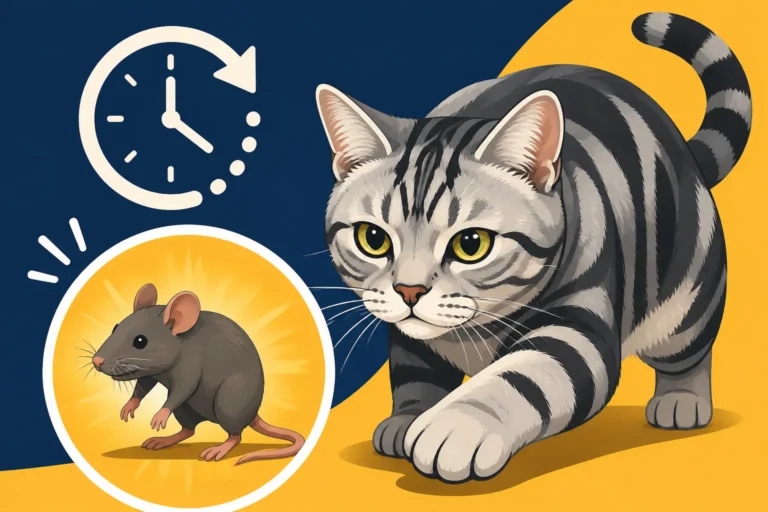
Cats, including the American Shorthair, are what we call "crepuscular" creatures. This means they are most active during dawn and dusk. Think about it: these are the times when their prey, like mice and small birds, are also most active. For centuries, before they became beloved household companions, your American Shorthair's ancestors were master hunters. They sailed on ships, keeping rodent populations in check, and roamed farms, protecting grain stores. Their very existence was intertwined with these low-light periods. Ships Carried the American Shorthair's Ancestors as Ratters is a testament to this deep-seated past. It wasn't about leisure; it was about survival.
This crepuscular rhythm is a biological imperative, not a choice. Their eyes are perfectly adapted to low light conditions, giving them a significant advantage during these twilight hours. So, while you're still enjoying the last vestiges of sleep, their internal clocks are telling them, "It's prime hunting time!" The quiet house, the soft light filtering through the windows – to them, it's an invitation to get moving. This inherent rhythm is why you often find that an American Shorthair's energy peaks not just in the early morning but also in the evening, leading to bursts of zoomies or intense play sessions. It's a fundamental part of their being, something that countless generations of working life has etched into their very genetics.
The Echoes of the Farm: A Hunter's Instinct Indoors
The American Shorthair's physique and temperament were molded by generations of practical work. How Farm Work Shaped the American Shorthair details how these cats developed strong, muscular bodies and sharp minds, perfectly suited for catching prey. Even if your American Shorthair has never seen a mouse outside of a toy, that primal drive to stalk, pounce, and "kill" remains strong. For an indoor cat, this instinct needs an outlet.
When your American Shorthair wakes you up, they might not consciously be thinking "I need to hunt," but their bodies and minds are geared towards activity. They're ready to patrol their territory, which in your home, means exploring, playing, and interacting. A cat that wakes you up might be simulating a hunt by batting at your feet under the covers, or performing a "kill" on a stray sock. They might also be seeking attention that would mimic a social interaction within a colony, like grooming or play with littermates or their mother. It's their way of engaging with their world, a world that is much smaller than the barns and fields their ancestors knew, but one where those deep instincts still ring true. Ignoring this need can lead to frustration for them and disruptive behavior for you.
Decoding the Dawn Chorus: What Your American Shorthair Is Really Asking For
When your American Shorthair decides it's morning, they're usually communicating one of a few key needs. It's rarely just to annoy you (though it can certainly feel that way at 5 AM!). By understanding these underlying messages, you can better address their demands and potentially reclaim some of your peaceful sleep.
The Hunger Games: Food Motivation
Let's be honest, often the most pressing reason for an early morning wake-up call is a rumbling belly. Your American Shorthair, with its hearty build, often has a healthy appetite. Their ancestors worked hard for their meals, and while your cat might not be actively mousing for breakfast, the drive to eat when the opportunity arises is powerful. Why an American Shorthair's Appetite Outlasted Its Job explains this perfectly. They associate your waking with the delivery of food, and they've learned that persistent nudging or vocalizing usually gets results.
This isn't necessarily about being starving; it's about routine and expectation. If you've inadvertently established a pattern where their breakfast appears shortly after you wake up, they'll naturally try to "speed up" that process. This can be especially true if they're used to free-feeding and suddenly find themselves on a more structured schedule, or if their last meal was quite a while ago. You might notice them leading you directly to the food bowl, or sitting expectantly beside it, giving you those "feed me now" eyes.
The Need for Play: Energy Release
Beyond food, many American Shorthairs are waking you up because they have a significant amount of energy to burn. As we discussed, they are crepuscular, meaning their natural inclination is to be active during these hours. If they haven't had enough stimulating play the evening before, they'll be ready to go when their internal alarm clock rings. How Much Simulated Hunting an American Shorthair Needs is a vital read for any owner, because that playtime isn't just for fun; it's fulfilling a deep-seated behavioral need.
A bored or under-stimulated American Shorthair will find ways to entertain themselves, and often, that involves you. They might start by exploring loudly, batting toys around, or even attempting to "hunt" your feet under the covers. This playful aggression is a natural expression of their hunting instincts. If they're alone all day while you're at work, that pent-up energy from their natural activity cycle needs an outlet. They're not just playing; they're training for a hunt that never quite happens, and your bed is currently their training ground.
Seeking Connection: Attention and Affection
While American Shorthairs are often described as independent, they are also highly affectionate in their own way. They might not be constant lap sitters, but they value interaction and companionship. Why a Working Bred American Shorthair Sits Beside You Rather Than On You offers insight into their subtle displays of affection. An early morning wake-up can sometimes be a simple request for attention. They might just want to be petted, have a quiet chat, or even just have you acknowledge their presence.
This could manifest as gentle head-nuzzles, rubbing against your face, or even just sitting quietly on your chest, purring contentedly. They might follow you around the house if you get up, not for food, but just to be near you. If your American Shorthair spends a lot of time alone during the day, these early morning hours might be one of their primary opportunities to connect with you. They crave that interaction and reassurance, and they've learned that waking you up is a surefire way to get it.
Environmental Factors: Light and Sound
Our homes are filled with cues that can influence a cat's behavior, even subtle ones. The gradual lightening of the sky outside, especially if you have thin curtains or your cat sleeps near a window, can signal "daytime" to their sensitive eyes. To an American Shorthair, this isn't just ambient light; it's a call to action, mimicking the changing light conditions their ancestors would have experienced in the wild.
Similarly, even faint sounds can trigger their wakefulness. The chirping of early birds, the distant hum of traffic, or even the subtle creaks and groans of your house settling can all be perceived by their acute hearing. While these sounds might be barely perceptible to us, to a cat whose survival once depended on detecting the slightest rustle of prey, they are clear signals that the world is waking up, and they should too. These environmental shifts contribute to Why an American Shorthair Wakes at Dawn, triggering their innate biological programming before your alarm clock even has a chance.
Strategies for a More Peaceful Morning: Reclaiming Your Sleep
You don't have to surrender your precious sleep to your American Shorthair's internal clock. With a bit of strategic planning and consistency, you can gently nudge their schedule closer to your own.
Adjusting Feeding Schedules and Enrichment
One of the most effective ways to manage early morning wake-ups is to rethink your feeding strategy. Instead of feeding them immediately when you wake up, shift their breakfast time slightly. If they get fed as soon as you open your eyes, they’ll learn that waking you up equals food.
- Timed Feeder: Consider investing in an automatic timed feeder. This is a game-changer! Set it to dispense a portion of their breakfast 15-30 minutes before your desired wake-up time. This disconnects you from the food delivery process. They learn that the feeder, not you, provides breakfast. Many excellent options are available on platforms like Amazon.
- Late Night Snack: A small, easily digestible meal or a treat right before you go to bed can help stave off hunger pangs in the deepest hours of the night. This isn't a full meal, just a little something to tide them over.
- Puzzle Feeders: Make them work for their food! Instead of just putting food in a bowl, use puzzle feeders for their meals. These slow down eating and provide mental stimulation. You can find a wide variety of engaging puzzle feeders on Amazon that can be filled with dry kibble. This taps into their natural hunting drive in a positive way, making them 'hunt' for their dinner. Whether a Puzzle Feeder Satisfies an American Shorthair dives deeper into this.
Maximizing Evening Play Sessions
Remember that crepuscular nature? Channel their evening energy into productive play! A vigorous play session before bed can help them expend energy and settle down for a longer, more restful night.
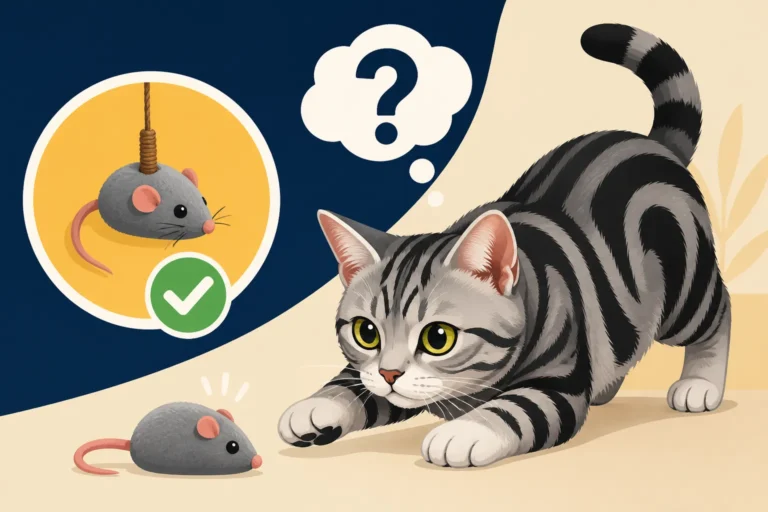
- Interactive Toys: Use wand toys, feather teasers, or other interactive toys that simulate the hunt. Make them stalk, chase, pounce, and catch the "prey" at the end of the session. The "kill" is a crucial part of the hunting sequence for their satisfaction. Which Wand Toy Reads as Prey to an American Shorthair can help you pick the right tools.
- Scheduled Play: Aim for at least 15-20 minutes of intense play, ideally 1-2 hours before your bedtime. This helps them transition from active hunting mode to a more relaxed state. You'll want to ensure they're tired, but not overstimulated right before sleep.
- Variety is Key: Keep their minds engaged by rotating toys and introducing new challenges. An American Shorthair can get bored with the same old routine, leading to them seeking out more "exciting" activities (like waking you up). How Many Hunts a Day an Indoor American Shorthair Needs gives more context to their play requirements.
Creating a Quieter, Darker Sleep Environment
Sometimes, simply controlling their environment can make a big difference.
- Blackout Curtains: Heavy curtains or blackout blinds can block out the early morning light that signals "go time" to your American Shorthair. This helps to trick their internal clock into thinking it's still nighttime.
- Sound Machines/Fans: White noise machines or even a simple fan can help mask outside noises like chirping birds or distant traffic, reducing external cues that might wake them.
- Designated Sleep Space: While many American Shorthairs love sleeping with their people, having a comfortable, dark, and quiet space for them can also encourage longer sleep periods. This might be a cozy bed in another room or a cat tree with a hideaway.
The Power of Ignoring (When Appropriate)
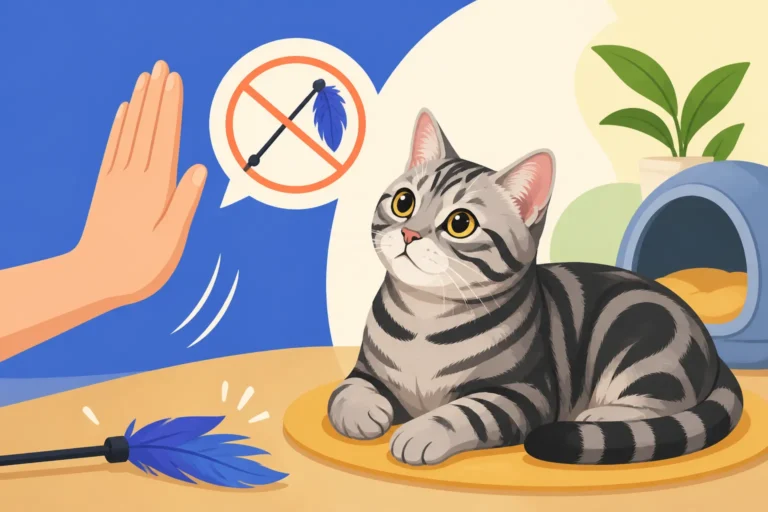
This is perhaps the hardest part, but it's vital: do not reinforce early morning wake-up behavior. If your cat learns that pawing at your face or meowing loudly gets them attention (even negative attention), they will continue to do it.
- Be a Stone: When your American Shorthair tries to wake you up, resist the urge to respond. Don't talk, don't pet, don't even make eye contact. Turn over and pretend to be asleep. This is incredibly difficult when faced with a persistent feline, but consistency is key.
- Wait for Calm: Only get up and tend to their needs (food, play, attention) when they have settled down, even if for just a minute or two. This teaches them that calm behavior, not demanding behavior, is what gets results.
- Patience is a Virtue: Breaking an established habit takes time and incredible patience. There might be an "extinction burst" where their behavior gets worse before it gets better, as they try harder to get a reaction. Stick with it! It could take weeks, but it's worth it for a full night's sleep.
| Common Reason for Early Waking | Possible Cat Behavior | Suggested Solution |
|---|---|---|
| Hunger | Meowing, leading to bowl, pawing at face | Timed feeder, late-night snack, puzzle feeders |
| Boredom/Energy | Zoomies, batting at feet, knocking items | Extended evening play, interactive toys, puzzle toys |
| Attention-Seeking | Purring on chest, nudging, following you | Ignore demanding behavior, provide attention when calm |
| Environmental Cues | Staring at windows, reacting to outside sounds | Blackout curtains, white noise machine |
| Disrupted Routine | Any of the above, seemingly out of nowhere | Establish consistent meal & play times, predictability |
When to Consult the Vet: Beyond Behavioral Habits
While most early morning wake-up calls are behavioral, sometimes a sudden change in your American Shorthair's routine or an increase in their demands can signal an underlying health issue. It's always wise to rule out medical concerns, especially if the behavior is new or accompanied by other symptoms.
Increased Hunger or Thirst
If your American Shorthair seems insatiably hungry or thirsty, even after adjustments to their feeding schedule, it could be a sign of a medical condition. Conditions like hyperthyroidism or kidney disease can increase a cat's appetite or thirst, leading to them waking you for more food or water. How Kidney Disease Creeps Up on an Old American Shorthair highlights why monitoring these changes is important, especially in older cats.
Keep an eye on their litter box habits. Are they urinating more frequently? Are their stools normal? Any significant changes warrant a vet visit. It's better to be safe and have a professional check them out, even if it turns out to be nothing serious.
Pain or Discomfort
A cat in pain might struggle to get comfortable or might feel anxious, leading them to wake up and seek comfort or attention from you. Joint pain, dental issues, or other discomforts can manifest as restlessness. An older American Shorthair, for instance, might be experiencing early signs of arthritis. Why an Old American Shorthair Shows Its Joints Hurt explains how subtle these signs can be.
If your cat seems withdrawn, is limping, vocalizing more than usual, or showing any other signs of discomfort alongside their early wake-ups, it's definitely time to schedule a vet appointment. Cats are masters at hiding pain, so any noticeable change is a significant red flag.
Anxiety or Stress
Sometimes, changes in the household environment can cause an American Shorthair stress or anxiety, leading to disrupted sleep patterns and increased demanding behavior. A new pet, a new baby, a change in your work schedule, or even moving furniture can be unsettling for a cat who thrives on routine and predictability. How an American Shorthair Copes With Change emphasizes their need for stability.
If you suspect anxiety is at play, try to identify the stressor and, if possible, mitigate it. Ensure your cat has safe, quiet spaces to retreat to. Pheromone diffusers can sometimes help create a calmer environment. If the anxiety is severe or persistent, your vet might offer further advice or even recommend a veterinary behaviorist. Remember, Why a Withdrawn American Shorthair Should See a Vet is crucial advice; a cat acting differently often needs help.
Ultimately, your American Shorthair isn't trying to be a pest when they wake you before dawn. They're just being a cat, driven by instincts honed over centuries. By understanding their needs and implementing consistent strategies, you can help them (and you!) get a better night's sleep.
Disclaimer
This article is for general informational purposes only and does not constitute professional advice. Laws, prices and regulations vary by location and change over time. Consult a qualified professional for guidance on your specific situation.