What an American Shorthair’s Voice Sounds Like
You might be wondering why your American Shorthair doesn't seem to have much to say, or perhaps you're struggling to understand the subtle sounds they do make. Many cat owners find themselves a bit perplexed by these famously quiet felines, especially if they've previously lived with a more vocal breed. This guide is here to shed light on the unique vocal landscape of the American Shorthair, helping you understand their historical tendency towards quietude and how to interpret their often understated expressions.
The Deep Roots of the American Shorthair's Reserved Voice
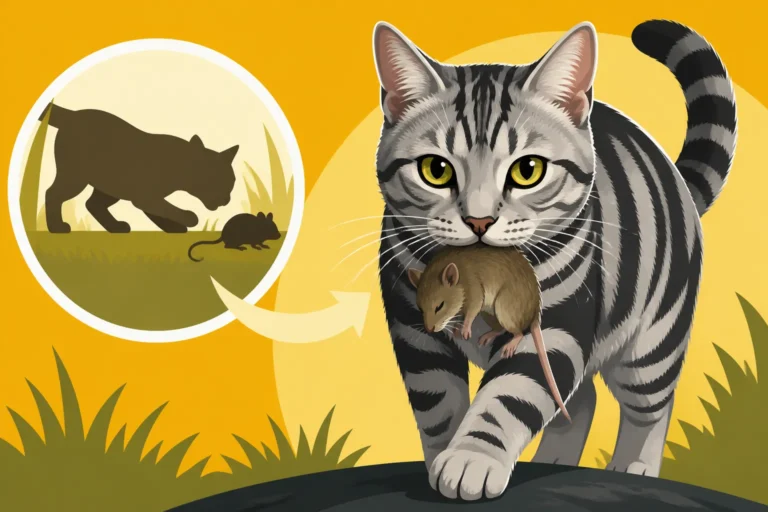
The American Shorthair is a breed with a long, storied history rooted in practicality rather than pampering. These cats weren't bred for their stunning looks or charming chirps in a royal court; they were working cats, brought to North America for a very specific job: rodent control. This background deeply influences their quiet nature, a trait that continues to define them today.
Historical Reasons for a Reserved Voice
Imagine the life of an early American Shorthair ancestor. These cats were the ultimate pest controllers on ships and in barns, a crucial part of colonial life. Their survival depended on stealth, keen hunting instincts, and a certain self-reliance. Loud vocalizations would have been a significant disadvantage in these environments. A cat that meowed constantly would scare away its prey, draw unwanted attention, and generally be less effective at its job. Silence was a tool, a strategy for survival and success.
Because these cats were valued for their ability to work independently, they didn't need to 'ask' their human companions for much. Their food was often what they caught, and their shelter was often communal or found. There wasn't a strong historical imperative for them to develop a wide array of vocal pleas or demands. Why an American Shorthair That Hunted Alone Stayed Quiet explores this fascinating aspect of their heritage, detailing how their solitary hunting style fostered a quieter disposition. They learned to communicate their needs through subtle actions and gestures, rather than through insistent meows. This genetic predisposition for quietude has been passed down through generations, making the modern American Shorthair one of the more reserved breeds when it comes to vocalizations.
How Their Temperament Influences Vocalization
Beyond their historical role, the inherent temperament of the American Shorthair also plays a huge part in their quiet nature. These are generally placid, easygoing cats. They're often described as "low-maintenance" companions who are content to observe their surroundings and enjoy a calm, predictable environment. This isn't to say they don't love their families, but their affection often manifests in a more understated way.
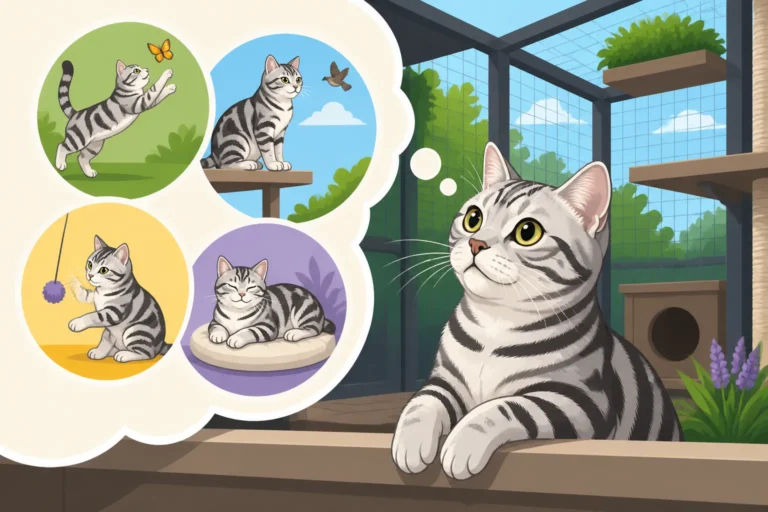
An American Shorthair tends to be quite self-sufficient and not particularly prone to anxiety or dramatic outbursts. They're not the type of cat that will pace and wail for attention or food. Instead, they might quietly appear at your side, gaze intently, or offer a gentle head-butt. This calm demeanor means they simply don't feel the need for constant vocal chatter. They're secure in their environment and their relationship with you, often assuming their needs will be met without having to loudly announce them. Understanding How Little an American Shorthair Bothers to Say truly helps you appreciate this stoic and independent aspect of their personality. They are masters of subtle communication, making their rare vocalizations all the more significant.
The Contrast with More Vocal Breeds
If you've ever shared your home with a Siamese, an Oriental Shorthair, or even some Maine Coons, you know that not all cats are created equal when it comes to volume. These breeds are often lauded, and sometimes notorious, for their extensive vocal repertoires and their tendency to "talk" to their humans constantly. They might offer a wide range of meows, yelps, and trills, engaging in lengthy conversations or announcing their presence with dramatic flair.
The American Shorthair stands in stark contrast to these more vociferous breeds. Where a Siamese might emit a piercing, drawn-out caterwaul to demand breakfast, an American Shorthair is far more likely to sit by its bowl and stare, perhaps offering a soft, almost questioning "mrrp" if you don't pick up on the cue immediately. It's a fundamental difference in how they've evolved and how they interact with their world. This isn't a fault; it's simply part of their charm. For many owners, the American Shorthair's quiet nature is a huge draw, offering a peaceful presence rather than a constant clamor. Their silence doesn't mean they're aloof; it just means you need to tune into a different frequency of communication.
Decoding the American Shorthair's Vocal Repertoire
While the American Shorthair might be one of the quieter cat breeds, it doesn't mean they're completely silent. They do have a voice, and it's often a charmingly understated one. Learning to recognize and interpret these subtle sounds is key to understanding your feline companion. Their vocalizations are often soft, gentle, and used sparingly, making each sound carry more weight and meaning.
The Soft Meow and Its Meanings
The typical American Shorthair meow is usually not loud or demanding. Instead, it's often a soft, relatively high-pitched sound, sometimes almost a questioning "mew" or "mrrrp." This isn't the piercing yowl of a cat in distress or the insistent caterwaul of a perpetually hungry feline. It's more of a polite inquiry or a gentle request.
You'll most likely hear this soft meow when your American Shorthair wants something specific. Perhaps they're sitting by an empty food bowl, making eye contact, and offering a hopeful "mew" to remind you it's mealtime. Or maybe they're looking for some lap time, approaching you with that soft sound as an invitation for cuddles. It's their way of politely saying, "Excuse me, human, I have a need, if you wouldn't mind addressing it." When they do vocalize for attention, it's typically brief and to the point. This quiet asking is part of How an American Shorthair Asks Without Nagging. If you're used to more demanding breeds, you might even miss these subtle signals at first, so it's important to pay close attention to their body language accompanying the sound.
Chirps, Trills, and Greetings
Beyond the basic meow, American Shorthairs often use a delightful range of chirps and trills, especially when they're greeting you or expressing contentment. A "chirp" is a short, bird-like sound, often emitted when they're observing something interesting, like a bird outside the window, or when they're tracking a toy. It's an involuntary expression of curiosity or excitement.
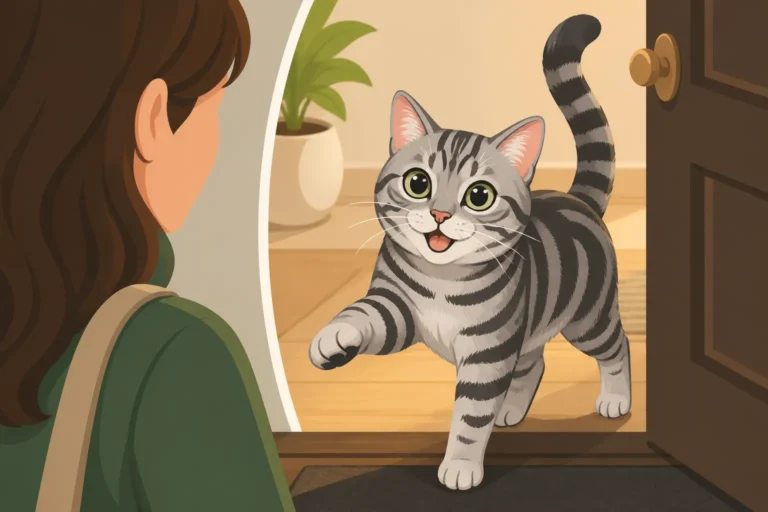
A "trill" is a soft, rolling R sound, often used as a warm greeting. Picture this: you walk through the door after a long day, and your American Shorthair ambles over, tail held high, and lets out a gentle "prrrp!" This isn't just a sound; it's an affectionate welcome, a sign that they're happy to see you. It's a common way they express joy or anticipation, perhaps for a head scratch or a playtime session. These sounds are often reserved for their most trusted companions – you! These lovely, subtle vocalizations are a key part of How an American Shorthair Shows Affection Between Patrols, as they blend their quiet independence with moments of genuine connection. It's their way of acknowledging your presence without demanding constant interaction.
The Deep, Rumbling Purr
Perhaps the most consistent and universally recognized vocalization of the American Shorthair is their purr. And what a purr it is! While their meows might be subtle, their purrs can be deep, resonant, and incredibly comforting. An American Shorthair's purr often starts slowly, a gentle rumble that builds into a powerful, vibrating motor that you can feel as much as hear when they're close to you.
They purr when they're feeling safe, happy, and loved. A purr is their ultimate sign of contentment, whether they're curled up on your lap, kneading a soft blanket, or enjoying a particularly satisfying petting session. It's their internal happy meter, and when it's running full throttle, you know you've done something right. This purr can also be a self-soothing mechanism, sometimes heard when they're experiencing discomfort, but in a healthy, happy American Shorthair, it's almost always a sign of pure bliss. For a breed that uses its voice sparingly, this deep rumble is a significant sound, a testament to the quiet joy they find in their lives and with their human companions.
Beyond the Meow: How American Shorthairs Truly Communicate
Given their naturally reserved vocal nature, understanding an American Shorthair means paying close attention to their non-vocal cues. These cats are masters of silent communication, using their entire body to convey messages, express desires, and show affection. Tuning into these subtle signals will help you build a deeper bond and truly understand what your quiet companion is "saying."
Body Language: Tail, Ears, Eyes, Posture
The American Shorthair's body language is a rich tapestry of information, far more expressive than their limited vocal range. Their tail, for instance, is a powerful indicator of their mood. A high, upright tail with a slight curl at the tip usually signifies happiness and confidence. If the tail is tucked low or thrashing, it could indicate fear, anxiety, or irritation. A slow, gentle swish might mean they're relaxed and observant, while a quick, whipping motion often signals playful intent or even annoyance if you're overstepping boundaries.
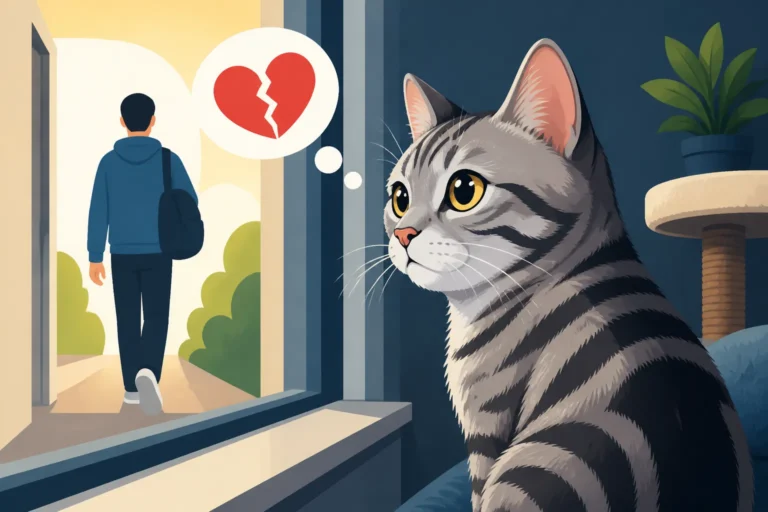
Their ears are like little antennae, constantly swiveling to pick up sounds and indicating their focus. Forward-facing ears often mean they're engaged and interested. Flattened ears, on the other hand, are a clear sign of fear or aggression, telling you to back off. Their eyes, too, speak volumes. Slow blinks are a sign of trust and affection – the famous "cat kiss." Dilated pupils can mean excitement or fear, while constricted pupils often indicate aggression or heightened focus. Even their overall posture, whether they're stretched out in relaxed confidence or crouched low in apprehension, tells a story without a single sound. For American Shorthairs, these physical signals are paramount, communicating everything from How Much a Self Sufficient American Shorthair Misses You to their general state of mind.
Facial Expressions and Head Bumps
While cats don't have the same range of facial expressions as humans or dogs, American Shorthairs utilize subtle shifts in their features to communicate. Beyond eye movements, you might notice a slight furrowing of the brow when they're concentrating, or a relaxed, soft gaze when they're content. The position of their whiskers can also be a good indicator; forward-facing whiskers usually mean curiosity or alertness, while pulled-back whiskers can suggest fear or discomfort.
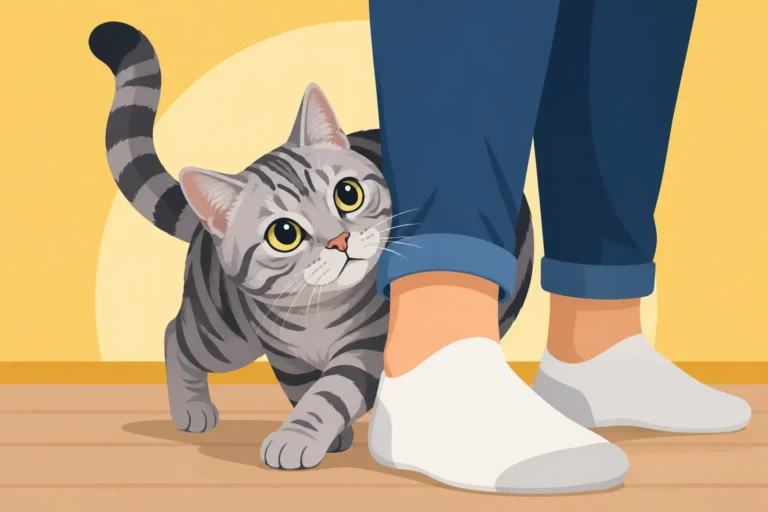
One of the most endearing non-vocal communication methods is the head-bump, or "bunt." When an American Shorthair gently presses its head against your leg, hand, or even your face, it's not just a physical touch. It's a powerful display of affection and trust. Cats have scent glands on their cheeks and foreheads, and when they head-bump you, they're essentially marking you with their scent, claiming you as part of their trusted family group. It's a way of saying, "You are mine, and I love you." This intimate gesture is far more common than a loud meow when they want to show love, and it’s a beautiful testament to the quiet bond you share.
Seeking Proximity and Physical Touch
For an American Shorthair, expressing their needs or affection often comes down to simply being near you, or initiating a gentle physical touch. They aren't usually "lap invaders" who demand constant contact, but they will often seek out your presence. You might find them curled up in a chair in the same room as you, or following you quietly from room to room, just wanting to be in your orbit.
When they do want attention or interaction, it might start with them sitting near you, perhaps making soft eye contact. If that doesn't work, they might gently rub against your legs as you walk by, or even place a paw on your arm. These are their polite, non-verbal requests for a pet, a scratch, or simply a moment of shared presence. This preference for subtle proximity over loud demands is deeply ingrained in their independent nature, stemming from a heritage where they had to be self-reliant but still part of a human household. How Farm Work Shaped the American Shorthair truly highlights how this independent, yet companionable, nature developed. They communicate their comfort and attachment through these quiet, reassuring presences rather than a barrage of vocalizations.
Understanding Shifts in Your American Shorthair's Vocal Habits
While American Shorthairs are generally quiet, a sudden or significant change in their vocal patterns can be a red flag. It's important for owners to pay attention when their typically reserved cat starts vocalizing more than usual, or if a sound they once made disappears. These shifts can indicate anything from a minor annoyance to a serious health concern.
Increased Vocalization as a Sign of Need or Discomfort
If your usually quiet American Shorthair suddenly becomes more vocal, it's a strong indicator that something is amiss. This isn't their default mode, so when they break their silence, it’s usually because they truly need to get your attention.
- Pain or Discomfort: A cat in pain might express it through increased meows, especially if the pain is acute or chronic and bothering them. This could be anything from dental issues (which are notoriously subtle until advanced) to arthritis in their joints, especially in older cats. For example, if your cat is limping or struggling to jump, they might vocalize more due to the discomfort. Why a Limp in a Stoic American Shorthair Is Never Minor emphasizes how important it is to investigate any signs of physical distress.
- Hunger or Thirst: While they are generally polite about food, an American Shorthair who is genuinely hungry or thirsty might resort to more insistent meows if their usual subtle cues are being missed. This is particularly true if their routine is disrupted or if they're not feeling well.
- Stress or Anxiety: A new environment, a change in household dynamics (like a new pet or baby), or even loud noises can cause stress in cats. Some American Shorthairs might vocalize more as a way to express their anxiety or displeasure, seeking comfort or trying to alert you to their distress.
- Cognitive Dysfunction in Older Cats: As cats age, they can sometimes develop cognitive dysfunction, similar to dementia in humans. This can manifest as increased vocalization, especially at night, as they might become disoriented or confused. Caring for an American Shorthair Past Twelve touches on many age-related changes, including those that might affect vocalization.
Whenever you notice a marked increase in vocalization from your American Shorthair, a visit to the veterinarian is highly recommended to rule out any underlying health issues. It's far better to be safe than sorry when a quiet cat starts to speak up.
Decreased Vocalization or Hoarseness
Just as increased vocalization can be a concern, a sudden decrease in your American Shorthair's already limited vocalizations, or the development of hoarseness, also warrants attention. This can sometimes be a subtle but important indicator of health problems.
- Illness or Laryngitis: Just like humans, cats can get infections that affect their throat and vocal cords, leading to hoarseness or a complete loss of voice. If your cat usually has a soft "mrrp" for greetings and suddenly it's silent, or sounds raspy, they might have a respiratory infection or laryngitis.
- General Malaise: A cat that is feeling very unwell, weak, or lethargic might simply not have the energy to vocalize, even for needs they would normally express. A quiet cat becoming even quieter is a definite cause for concern.
- Pain or Discomfort: In some cases, extreme pain or severe illness might make a cat withdraw and stop vocalizing altogether, rather than increasing it. They might be too unwell to express themselves.
- Cardiac Issues: While less direct, conditions like heart disease can sometimes lead to lethargy and a general reduction in activity, which might include less vocalization. Why an American Shorthair Needs a Yearly Heart Scan highlights the importance of monitoring heart health, as symptoms can be subtle.
If you notice your American Shorthair becoming unusually quiet, withdrawing, or showing any signs of illness along with a change in vocalization, don't hesitate to consult your vet. When an Already Quiet American Shorthair Has Gone Too Quiet is a must-read if you suspect this change in your cat.
Age-Related Vocal Changes
As American Shorthairs gracefully age, their vocal patterns can sometimes shift, which is a natural part of the aging process. These changes can go in either direction – some older cats might become more vocal, while others might become less.
- Increased Vocalization Due to Sensory Decline: Older cats may experience a decline in sight or hearing. This can make them feel disoriented or anxious, especially at night, leading them to vocalize more frequently or loudly as a way to locate their human companions or simply express confusion. They might also meow more if they can't hear your responses as clearly.
- Cognitive Decline: As mentioned earlier, feline cognitive dysfunction syndrome (FCDS) can cause confusion and disorientation, often resulting in increased, sometimes seemingly aimless, vocalization, particularly during the evening or night hours. This can be heartbreaking to witness, but understanding the cause helps you manage it with compassion.
- Physical Ailments: Older American Shorthairs are more prone to conditions like arthritis, dental disease, or organ dysfunction. While these might not directly affect the vocal cords, the chronic pain or discomfort can lead to changes in vocalization as a plea for help or comfort. For example, an older cat struggling with arthritis might groan or meow more when moving. Why an Old American Shorthair Stops Reaching Its Back details physical difficulties that can cause distress.
It's important to approach any age-related vocal changes with empathy. An older cat who suddenly becomes more vocal isn't doing it to be annoying; they're likely trying to communicate a genuine need or discomfort. Regular veterinary check-ups are even more crucial for senior cats to address these underlying issues and ensure their comfort and well-being.
| Vocalization Type | Typical Sound | Common Meaning | When to Be Concerned |
|---|---|---|---|
| Meow | Soft, gentle, questioning "mew" or "mrrrp" | Polite request for food, attention, or entry; a greeting. | Sudden increase in volume/frequency, hoarseness, lack of meow |
| Chirp | Short, bird-like sound | Curiosity, excitement, observing prey, playful anticipation. | No concern, a natural expression of interest. |
| Trill | Soft, rolling "prrrp!" | Affectionate greeting, welcoming you home, seeking interaction. | No concern, a sign of contentment. |
| Purr | Deep, resonant, vibrating rumble | Contentment, happiness, relaxation, self-soothing (less common). | Sudden absence of purring, or purring with signs of distress. |
| Growl/Hiss | Low rumble (growl), sharp expulsion of air (hiss) | Fear, aggression, anger, warning to back off. | Frequent or unprovoked growling/hissing. |
| Yowl/Caterwaul | Loud, drawn-out, often deep sound | Pain, distress, seeking a mate (un-neutered), territorial dispute. | Any uncharacteristic yowling or caterwauling. |
Disclaimer
This article is for general informational purposes only and does not constitute professional advice. Laws, prices and regulations vary by location and change over time. Consult a qualified professional for guidance on your specific situation.