How an American Shorthair Grieves
Losing a beloved member of the household, whether human or another cherished pet, is incredibly painful, and it often leaves us wondering how our American Shorthair is truly coping. We see their changes in behavior and can't help but ask: do they grieve, and if so, how? This guide will delve into the nuanced ways American Shorthairs express loss and offer empathetic strategies to help your feline companion navigate their sorrow.
Recognizing the Signs of Grief in Your American Shorthair
It's a common misconception that cats, especially a typically stoic breed like the American Shorthair, are indifferent to loss. Many owners are surprised, and often heartbroken, to witness profound changes in their cat's behavior after a significant loss. Your observant American Shorthair, which usually knows How an American Shorthair Splits Its Day Between Patrol and Sleep, will definitely notice a missing presence. These shifts aren't always dramatic, but they are meaningful indicators of distress.
One of the most immediate and noticeable changes might be a shift in their appetite. A grieving American Shorthair might suddenly lose interest in their favorite meals, picking at their food or refusing to eat altogether. Conversely, some cats might overeat, seeking comfort in food, though this is less common with this breed's inherent self-regulation unless stress-induced. This change in eating habits, whether decreased or increased, is often a direct reflection of their emotional state and can have serious health implications if it persists. It’s important to monitor this closely, as sustained refusal to eat can lead to a dangerous condition known as hepatic lipidosis, especially in a cat that typically maintains a healthy weight.
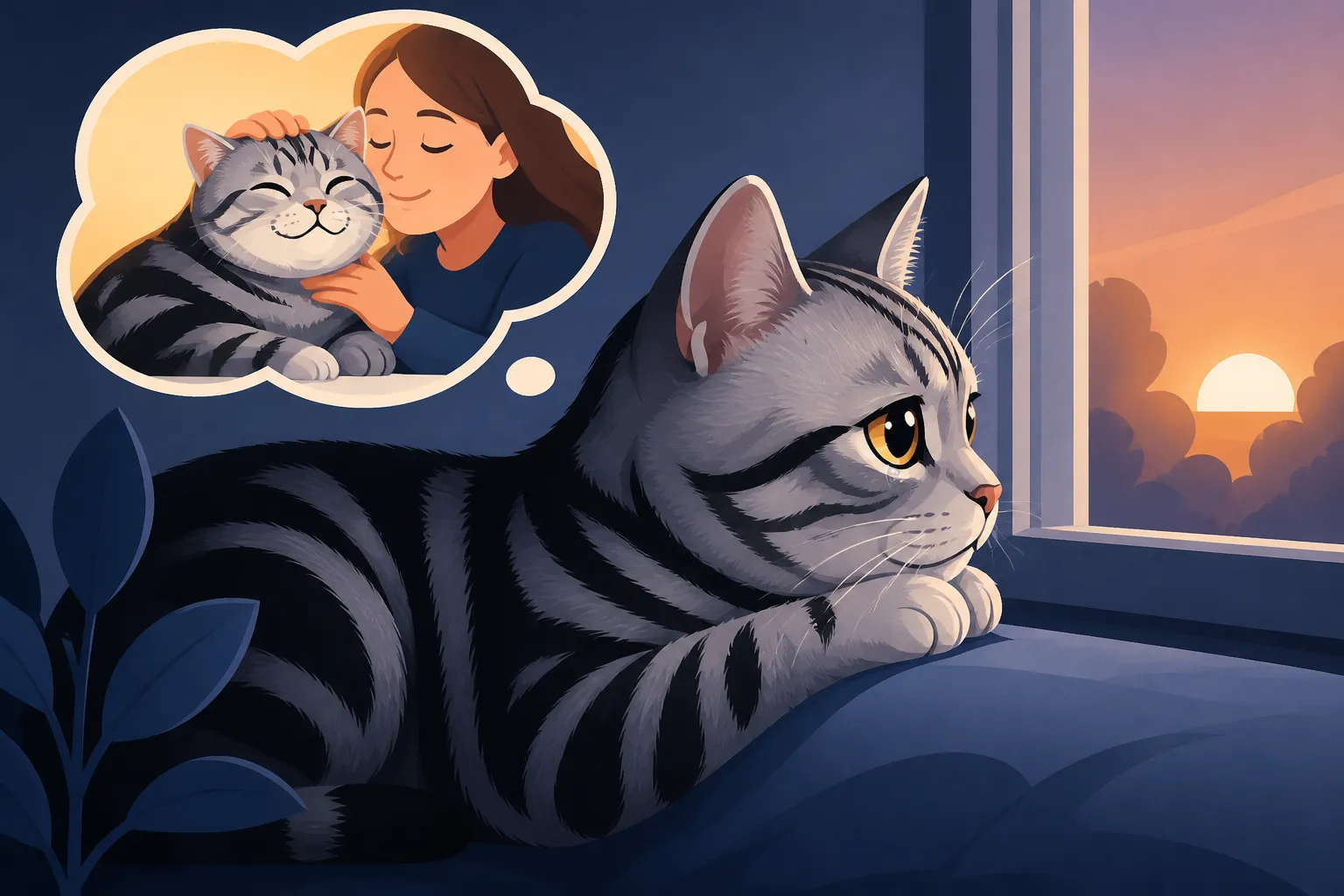
Beyond food, you might observe significant alterations in their activity levels and demeanor. A cat that was once playful and engaged might become lethargic, sleeping more than usual and showing little interest in toys or interactions. They might withdraw, seeking solitude in quiet corners of the house, perhaps under a bed or in a closet, places they wouldn't normally frequent during their active hours. Conversely, some American Shorthairs might become clingier, constantly seeking your attention, purring excessively, or rubbing against you for reassurance. They might even wander the house, vocalizing more often, perhaps with a mournful meow or an uncharacteristic cry, seemingly searching for the missing individual. This searching behavior can be heartbreaking to witness, as they seem genuinely confused by the absence.
Grooming habits can also change dramatically. A fastidious American Shorthair, known for its pristine coat, might neglect its grooming, leading to a dull, unkempt appearance. This can be a sign of depression or a general lack of energy. On the flip side, some cats might overgroom, compulsively licking or pulling out fur in an attempt to self-soothe, which can result in bald patches or skin irritation. Even their litter box habits can be affected; some cats might start having accidents outside the box as a stress response, particularly if the lost companion was a cat with whom they shared a routine or territory. Understanding these subtle, yet powerful, signals is the first step in providing the comfort and support your grieving American Shorthair truly needs.
Understanding Why American Shorthairs Grieve Differently
It's easy to project human emotions onto our pets, but understanding how an American Shorthair processes loss requires a look at their unique feline psychology and history. Unlike some breeds, the American Shorthair's lineage as a working cat means they developed strong independence and a keen awareness of their surroundings and social structure. This foundation influences their grieving process, making it less about "understanding death" in a human sense and more about profound disruption and emotional distress.
One key factor is their strong bond, even if expressed subtly. While an American Shorthair is known for being How Undemanding an American Shorthair Really Is and not overly needy, they form deep attachments to their companions, both human and animal. These bonds are often built on routine, shared territory, and predictable interactions. When a companion is suddenly absent, their entire world is thrown off balance. They notice the empty bed, the missing scent, the absence of familiar sounds or movements that were once a comforting part of their day. This isn't necessarily a cognitive understanding of "death," but rather a visceral reaction to a significant, inexplicable absence that creates anxiety and insecurity. It's the disruption of their established social order and daily rhythm that hits them hardest.
Their territorial nature also plays a significant role. American Shorthairs are natural "patrol cats," constantly monitoring their environment. A companion's absence leaves a void in this shared territory. If the lost companion was another animal, there's a sudden lack of scent markers, play interactions, or even gentle sparring that defined their territorial dynamics. This can lead to confusion and stress, as the cat tries to make sense of the new, empty space. They might wander, sniffing out familiar spots, or even become more vigilant, as if trying to locate the missing member or fill the void themselves. This territorial aspect of their grief highlights how deeply their sense of security and routine is intertwined with their companions.
While we might not attribute human-like empathy or a full comprehension of mortality to cats, their emotional capacity is undeniable. They react to changes in their environment, to the stress and sorrow of their human companions, and to the absence of those they've shared their lives with. The quiet strength and self-reliance that define the American Shorthair can sometimes mask the depth of their feelings, making it easy to overlook their distress. However, just because they don't cry tears or express sorrow in a way we immediately recognize doesn't mean they aren't experiencing genuine pain and confusion. Their grief is real, and it manifests in observable, impactful ways that require our patience and understanding.
Supporting Your Grieving American Shorthair
When your American Shorthair is hurting, your role as their caregiver becomes even more crucial. While you can't erase their pain, you can provide a stable, comforting environment that helps them process their loss and eventually find peace. The goal is to minimize further stress and reinforce their sense of security.
One of the most important things you can do is maintain routine. Cats, and especially the sensible American Shorthair, thrive on predictability. Stick to their regular feeding times, play sessions, and cuddle routines as much as possible. Even if they initially show little interest, the consistency itself is reassuring. If the lost companion was the primary playmate, step up your own engagement. Even a few minutes of focused play with a wand toy can make a difference, allowing them to channel their innate hunting instincts and release some pent-up energy. Why a Puzzle Feeder Satisfies an American Shorthair can also be a wonderful tool for mental engagement, giving them a constructive outlet for their minds during a difficult time. You can find many varieties of these on Amazon, offering different levels of challenge to keep your cat intrigued.
Provide ample comfort and a sense of security. Create cozy, quiet spaces where your American Shorthair can retreat if they feel overwhelmed. This might be a favorite bed, a cardboard box, or a quiet spot on a high shelf that offers a good vantage point. Familiar scents can be incredibly soothing. If you have an item of clothing or a blanket that carries the scent of the lost companion (and isn't too saturated with grief-induced human tears), placing it in their resting spot might offer a measure of comfort. Gentle, consistent interaction from you is also vital. Don't force attention, but be available. A quiet presence, a gentle stroke, or simply sitting near them can communicate your support. This can be a challenging time for you too, and your American Shorthair picks up on your emotional state, as explored in How Much a Self Sufficient American Shorthair Misses You.
Enrichment can also be a powerful tool for redirecting their focus and stimulating their minds. While you can't replace a lost companion, you can provide new avenues for positive engagement. Consider purchasing some new, engaging toys from places like Amazon, especially those that mimic prey. A new cat tree or vertical climbing space, easily found on Amazon, can offer a refreshed perspective on their territory and a new place for observation and rest. Additionally, some owners find success with calming diffusers or pheromone sprays, which are widely available on Amazon and can help reduce anxiety and promote a sense of calm in the home environment. These tools don't solve grief, but they can provide a supportive backdrop, helping your American Shorthair cope with the profound How an American Shorthair Copes With Change.
| Behavior Change | Potential Interpretation | Action to Take |
|---|---|---|
| Reduced Appetite / Refusal to Eat | Stress, depression, physical discomfort | Offer highly palatable food, consult vet if prolonged, maintain routine |
| Increased Vocalization (mourning) | Searching for companion, confusion, anxiety | Provide extra attention, comfort, maintain routines, consider pheromones |
| Lethargy / Increased Sleep | Depression, withdrawal, physical illness | Gentle encouragement for play, ensure comfortable resting spots, vet check |
| Restlessness / Pacing | Anxiety, searching, inability to settle | Increase structured playtime, secure environment, calming aids |
| Changes in Grooming | Stress (over-grooming) or depression (under-grooming) | Gentle brushing, address underlying stress, vet check for skin issues |
| Inappropriate Urination/Defecation | Stress, territorial disruption, medical issue | Rule out medical causes, ensure clean litter boxes, reduce household stress |
| Increased Clinginess | Seeking reassurance, insecurity | Offer gentle affection, consistent presence, allow them to initiate contact |
| Hiding / Withdrawal | Overwhelmed, seeking safety, depression | Create safe, quiet retreats, respect their need for space, gentle interaction |
When to Seek Professional Help for Feline Grief
While grief is a natural process, there are times when your American Shorthair's reactions might cross into a more concerning territory, necessitating professional intervention. Knowing when to reach out to a veterinarian or a certified animal behaviorist can be critical for your cat's well-being. It's a sad reality that while the American Shorthair is typically robust and The Fifteen to Twenty Years the American Shorthair Was Given is a long lifespan, profound emotional distress can impact their physical health.
One of the most immediate red flags is a persistent refusal to eat or drink. If your American Shorthair goes more than 24-36 hours without eating, it's time to call the vet. Cats can quickly develop serious liver problems (hepatic lipidosis) if they don't consume enough calories. Even if they are eating a little, significant weight loss over a short period is a cause for concern. Similarly, if you notice your cat isn't drinking enough, which can lead to dehydration and kidney strain, a vet visit is warranted. Don't assume it's "just grief" if basic life-sustaining functions are compromised. This is especially true given that How Much Less an American Shorthair Owner Spends at the Vet often means they are generally healthy, so a sudden downturn is notable.
Beyond eating and drinking, observe other extreme behavioral changes. If your typically placid American Shorthair becomes aggressive, lashing out at you or other remaining pets, or if they become excessively fearful and withdrawn, completely isolating themselves and showing no interest in anything, these are signs that they might be struggling beyond what normal grieving entails. Self-mutilation, such as excessive licking that leads to raw skin or fur pulling, also requires immediate veterinary attention. Any sudden and severe personality shift that lasts for more than a couple of weeks, or significantly impacts their quality of life, should prompt a consultation. Remember that a cat's instinct is to hide pain and vulnerability, so a visibly distressed American Shorthair is often in more trouble than they let on.
Your veterinarian can rule out any underlying medical conditions that might be mimicking or exacerbating the grief symptoms. They can also offer advice on appetite stimulants, calming medications, or supplements that might help your cat through the toughest period. If medical issues are ruled out, a vet might recommend an animal behaviorist. These specialists can develop tailored plans to help your American Shorthair cope, using environmental modifications, behavioral therapy, and sometimes even medication to alleviate severe anxiety or depression. Don't hesitate to seek help; just as we need support during grief, our American Shorthairs deserve every chance to heal. As mentioned in Why a Withdrawn American Shorthair Should See a Vet, early intervention can make a significant difference.
Disclaimer
This article is for general informational purposes only and does not constitute professional advice. Laws, prices and regulations vary by location and change over time. Consult a qualified professional for guidance on your specific situation.