Why a Stoic American Shorthair Is Easy on the Exam Table
Bringing your beloved feline companion to the vet can often feel like an Olympic sport. Many cat owners dread the wrestling match to get them into the carrier, the terrified yowls in the waiting room, and the frantic attempts to escape the exam table. But if you're an American Shorthair owner, you might find yourself breathing a sigh of relief, wondering why your cat seems to handle it all with such surprising grace. This guide will explore the unique historical and behavioral traits that make the stoic American Shorthair often remarkably easy-going during vet visits, and how you can further support their calm nature.
The Historical Roots of the American Shorthair's Calm Demeanor
It’s easy to look at our pampered house cats today and forget their origins, but for the American Shorthair, their history is etched into their very being, especially their temperament. These aren't creatures bred for delicate beauty or extreme personality quirks; they were bred for a job, and that job demanded a certain kind of resilience.
A Working Cat's Independence and Self-Reliance
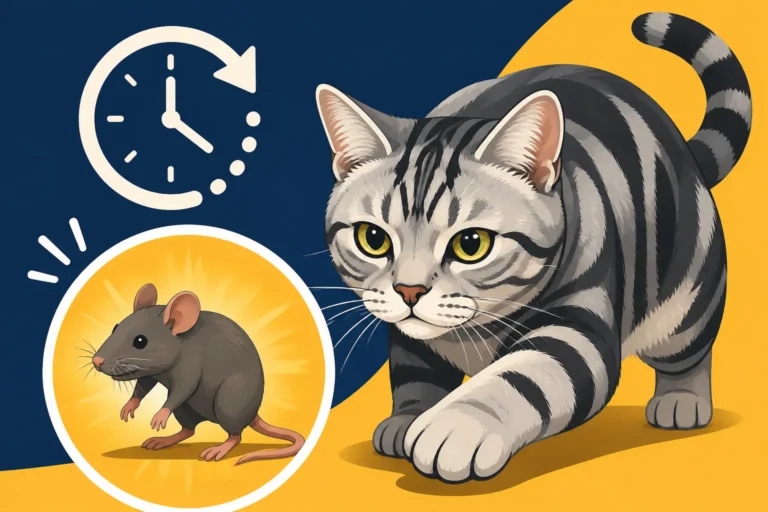
Centuries ago, the ancestors of the American Shorthair weren't lounging on velvet cushions; they were working hard. These were the ultimate "ship's cats," keeping vermin at bay on long, arduous journeys across oceans, and later, the quintessential "barn cats" of American farms. Life on a ship or a farm was chaotic, loud, and unpredictable. These cats had to be self-reliant, adaptable, and robust. They couldn't afford to be overly delicate or easily startled by a sudden shift in the waves or the commotion of farm animals and machinery.
This history selected for cats that could cope with constant change, various human handlers (who weren't always gentle or seeking affection), and loud, unfamiliar noises. They developed an intrinsic independence, learning to observe and assess rather than panic. This deep-seated pragmatism means that when faced with the novel smells and sounds of a veterinary clinic, or the firm but gentle hands of a vet or technician, an American Shorthair often approaches it with a similar, almost business-like, detachment. They’ve inherited generations of conditioning that says, "figure it out, adapt, and move on." Why Function Left the American Shorthair Fewer Faults is a great way to understand how this functional breeding shaped them.
Minimal Breeding for Extreme Traits
Unlike some pedigreed breeds that have been selectively bred for very specific, sometimes exaggerated, physical or behavioral traits, the American Shorthair's breeding history has remained remarkably focused on maintaining its robust, functional origins. Breeders aimed for good health, a solid build, and an even temperament. There wasn't a drive to create a cat with extreme shyness, an overly delicate constitution, or a highly strung personality that might make it prone to anxiety in new situations.
When a breed's standards prioritize health and temperament over fads or extremes, the resulting animals tend to be more balanced. This lack of extreme selection has contributed significantly to the American Shorthair's general calm. They haven't been pushed to the edges of what's "natural" for a cat, meaning they often retain the solid, dependable character that served their ancestors so well. This makes them naturally less prone to panic or fear when confronted with the unusual, which is precisely what a vet visit entails.
Understanding the American Shorthair's Stoicism in Practice
So, what does this historical conditioning look like when your American Shorthair is actually on the exam table? It’s not necessarily that they enjoy the experience, but rather that their innate stoicism allows them to process it differently than a more reactive cat.
Observation Before Reaction
One of the most striking traits of an American Shorthair is their tendency to observe and assess a situation before reacting. They aren't usually the type to immediately bolt, hiss, or lash out when confronted with something new or potentially unsettling. Instead, they might adopt a quiet, almost watchful posture. Their eyes will take everything in – the new person, the strange smells, the unfamiliar instruments. This period of assessment allows them to process the information, rather than being overwhelmed by a primal fear response.
At the vet, this often translates into a cat that might be tense, but not overtly aggressive or panicky. They might sit still, perhaps with slightly flattened ears or a slow blink, signaling their caution. This calm observation period gives the veterinary team precious moments to approach gently, speak softly, and begin their examination without triggering an immediate fight-or-flight response. It’s a huge advantage, as it allows for a more thorough and less stressful examination for everyone involved. How an American Shorthair Adapts to a New Baby is a good example of how they handle new situations with this observational patience.
A Higher Pain Threshold or Just Better at Hiding It?
The stoic nature of the American Shorthair, a hallmark of many working breeds, can sometimes be a double-edged sword when it comes to medical care. These cats historically needed to hide any signs of weakness or injury to survive in tough environments. A visibly injured or sickly animal would become prey or be cast out. This ingrained behavior means that American Shorthairs can be incredibly adept at masking pain or discomfort.
This doesn't mean they don't feel pain; it simply means their outward expression of it might be very subtle. On the exam table, this can lead to them appearing calm even when they are experiencing discomfort. While this can make them easier to handle for procedures, it also means owners need to be extra vigilant at home. A tiny shift in posture, a slight reduction in activity, or a subtle change in appetite could be an indicator of a problem that a more dramatic breed might loudly announce. This is why a statement like Why a Limp in a Stoic American Shorthair Is Never Minor is so critical – their stoicism means you can't always rely on obvious signs of distress.
Adapting to Handling and Novelty
The long history of the American Shorthair's ancestors living in close, often bustling, proximity to humans – think busy docks, crowded ships, or active farmyards – has instilled in them a remarkable tolerance for being handled. They aren't typically "touch-me-not" cats. While they might prefer to initiate affection on their own terms, they are generally accepting of being picked up, moved, and examined, especially if it's done with a respectful and confident manner.
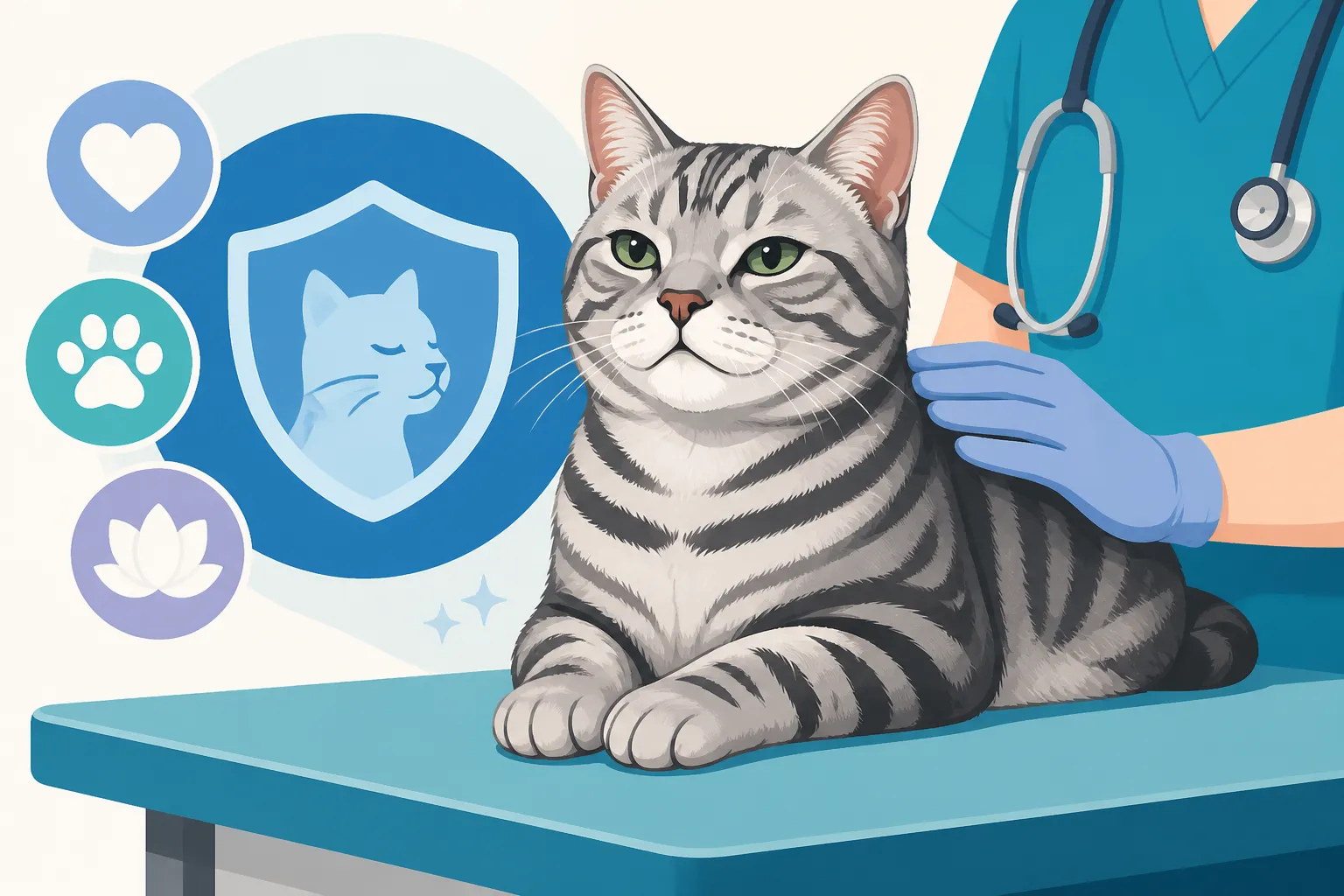
This adaptability extends to novel experiences. A new room, a strange person, or an unexpected noise is often met with curiosity or a mild indifference rather than outright terror. This makes them significantly easier patients at the vet. They’re less likely to thrash when being held for an injection, or try to escape when a stethoscope is placed on their chest. Their calm acceptance of new stimuli, combined with their tolerance for handling, means that a routine check-up can often proceed smoothly, minimizing stress for both the cat and the veterinary staff. What an American Shorthair Does Instead of Demanding also touches on their generally agreeable nature.
Practical Tips for a Smooth Vet Visit with Your American Shorthair
While your American Shorthair's inherent stoicism gives you a head start, there are still plenty of things you can do to ensure their vet visits are as stress-free as possible. It’s all about building on their natural tendencies and making the experience predictable and positive.
Reinforcing Calmness at Home
Even for the most laid-back American Shorthair, regular positive reinforcement at home can work wonders for future vet visits. Start early, ideally when they are kittens. Make handling a normal part of their daily routine. Gently touch their paws, look in their ears, lift their lips to check their teeth, and get them used to having their belly and back examined. Each time you do this, offer a high-value treat or praise. The goal is to create a positive association with being handled in various ways.
This consistent, gentle handling at home desensitizes them to the kind of physical examination they'll receive at the vet. If they view being touched and manipulated as a normal, even pleasant, interaction, they'll be far less likely to react negatively on the exam table. Think of it as practice for the big game! Regularly practicing these little "mini-exams" will make a world of difference. For example, How to Start Toothbrushing an American Shorthair Kitten provides great tips on making potentially invasive procedures a routine part of their life.
Carrier Comfort and Preparation
The carrier is often the first major hurdle in a vet visit, even for a calm American Shorthair. Many cats only see their carrier when it's time for a stressful trip, associating it immediately with fear. To combat this, make the carrier a permanent, inviting fixture in your home. Leave the door open, put a soft blanket or a favorite toy inside, and occasionally hide treats in it. This transforms it from a dreaded trap into a familiar, safe den. You can even find great options for comfortable carriers and calming sprays on platforms like Amazon.
Before a vet appointment, a few strategic steps can help. Spray the carrier with a feline pheromone spray about 15-20 minutes before it's time to leave; these can help reduce anxiety. Consider offering calming treats, if your vet approves, an hour or so beforehand. When it's time to go, avoid chasing your cat. Instead, encourage them to enter the carrier voluntarily with a treat, or gently place them in rear-first to prevent them from bracing. Investing in a good quality, sturdy carrier that your American Shorthair fits into comfortably is also crucial – consider What a Carrier a Square Built American Shorthair Fits In Costs. A top-loading carrier can be especially helpful for easier placement and removal at the clinic.
Communicating with Your Vet Team
Even with a naturally stoic American Shorthair, open communication with your veterinary team is key. Just because your cat isn't thrashing or hissing doesn't mean they aren't feeling stressed. Talk to your vet and technicians about your cat's specific personality. Mention that while they are generally calm, they might be hiding discomfort due to their stoic nature. This allows the team to be extra attentive to subtle signs of stress.
Don't hesitate to ask for "low-stress handling" techniques. Many clinics are now Fear-Free certified and use methods that minimize anxiety, such as examining cats in the bottom half of their carrier or using calming towels. Advocate for your cat by requesting breaks if they seem overwhelmed, or discussing sedation options for particularly stressful procedures like nail trims or blood draws, especially if your cat shows even subtle signs of distress. Remember, your vet wants the visit to be as smooth as you do, and their comfort is paramount. You know your cat best, and your input is invaluable, particularly when they are so good at masking their feelings, as highlighted in Why a Stoic American Shorthair Hides Pain the Longest.
Distinguishing Stoicism from Fear or Discomfort
It's easy to assume a quiet cat is a happy cat, but for the stoic American Shorthair, their calm demeanor can sometimes hide underlying fear or discomfort. Learning to read their more subtle cues is essential for their well-being, especially at the vet.
Subtle Signs of Stress in an American Shorthair
While a more flamboyant cat might yowl or lash out, an American Shorthair often expresses stress through quiet withdrawal and subtle body language. It's crucial for owners to become fluent in these nuanced signals. Look for:
- Flattened Ears: Tucked back against the head, or turned sideways like airplane wings.
- Dilated Pupils: Even in a well-lit room, wide, black pupils can indicate fear or excitement.
- Lip Licking or Yawning: These can be displacement behaviors, a way for the cat to cope with stress.
- Tucked Tail: Held tight against the body, or between the legs, indicating insecurity.
- Unusual Stillness or Freezing: While some stillness is normal, an abnormally rigid or "frozen" posture can be a sign of intense fear, as the cat hopes to go unnoticed.
- Shaking or Trembling: Especially noticeable in their paws or tail.
- Increased Respiration: Faster, shallower breathing, sometimes with an open mouth (which can also indicate pain or overheating).
- Hiding or Trying to Escape: Even a calm American Shorthair might try to burrow into a towel or under a blanket if truly overwhelmed.
If you observe a combination of these signs, even if your American Shorthair isn't vocalizing or acting aggressively, they are likely experiencing significant stress or discomfort. Their stoicism means you need to be a detective to understand their emotional state.
When to Advocate for Your Cat
Knowing your American Shorthair's subtle tells empowers you to be their best advocate. If you notice persistent signs of stress, even during what seems like a routine examination, don't hesitate to speak up. It’s okay to ask the vet or technician to pause, give your cat a moment to regroup, or try a different approach. For some cats, a brief break, a calming towel over their head (to create a secure, dark space), or simply moving to a quieter exam room can make a world of difference.
| Behavior Trait | Typical Cat Reaction at Vet | American Shorthair Reaction at Vet | Implication |
|---|---|---|---|
| Initial Entry | Panicked attempts to escape carrier, loud vocalization | Observation, quiet assessment of surroundings | Easier to get into exam room, less immediate stress |
| Handling/Restraint | Thrashing, biting, scratching, extreme muscle tension | Stillness, subtle muscle tension, watchful eyes | Often allows for quicker, less combative examination |
| Pain/Discomfort | Yowling, hissing, struggling, dramatic reaction | Freezing, stiff posture, dilated pupils, quiet withdrawal | Requires vigilant owner observation for subtle cues; pain often masked |
| Novel Stimuli | Hiding, fear response, immediate avoidance | Curious observation, slow approach, mild indifference | More adaptable to new people, smells, and sounds in clinic |
| Vocalizations | Frequent, loud meows, growls, hisses | Minimal, soft chirps or trills, often silent | Can make it harder for owner/vet to gauge distress level |
For particularly anxious American Shorthairs, or for procedures that are inherently more uncomfortable, discussing anxiety medication or light sedation with your vet beforehand is a perfectly valid option. There's no shame in seeking medical assistance to ensure your cat has the most comfortable experience possible. Remember, a less stressful vet visit isn't just better for your cat in the moment; it helps build positive associations for future necessary care. An American Shorthair's ability to cope, even with significant changes like How an American Shorthair Handles Leaving Its Territory, is remarkable, but their stoicism means you need to be their voice.
Disclaimer
This article is for general informational purposes only and does not constitute professional advice. Laws, prices and regulations vary by location and change over time. Consult a qualified professional for guidance on your specific situation.