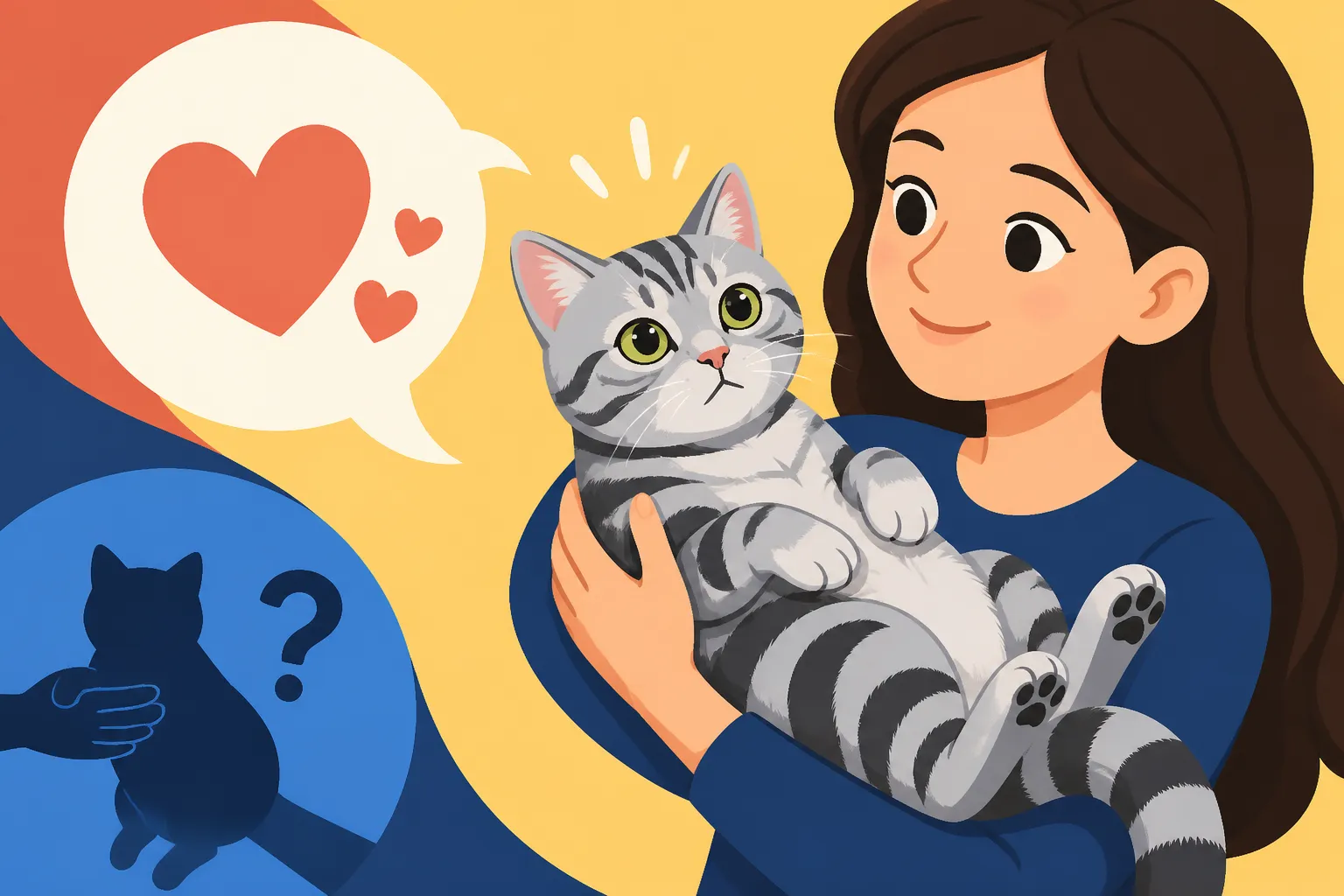
How Much an American Shorthair Likes Being Picked Up
It's a common and often frustrating experience: you see your gorgeous American Shorthair, looking all cozy and inviting, and your immediate instinct is to scoop them up for a loving embrace. But then, in a blink, they've wiggled free, leaving you wondering if they even like being touched. This guide is here to shed light on exactly how much an American Shorthair generally enjoys being picked up, why they might react the way they do, and how you can build a relationship of trust around physical handling.
The American Shorthair's Independent Spirit: Why They're Not Always Eager to Be Held
If you've ever tried to pick up your American Shorthair only to have them gracefully, yet firmly, squirm out of your grasp, you're not alone. It can feel a little bit like a rejection, especially when you're just trying to show them some love! But understanding this breed's deep-seated history and natural instincts can help you interpret their behavior not as disdain, but as a reflection of their innate personality.
A Legacy of Self-Reliance and Freedom
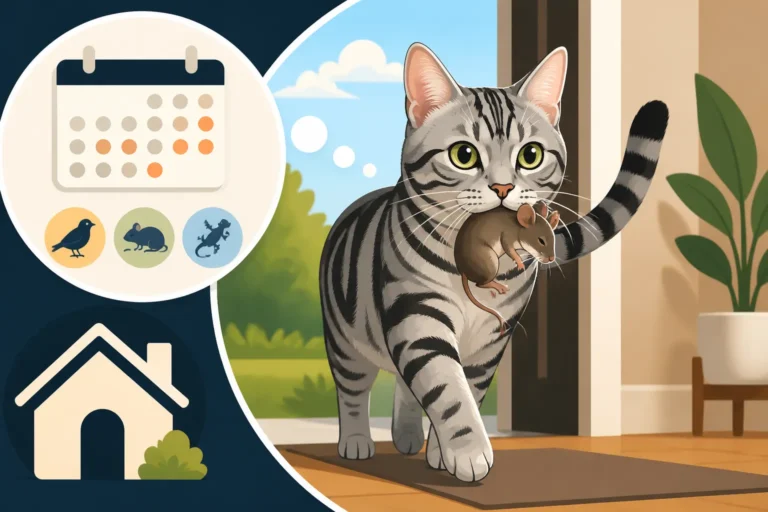
To truly understand why your American Shorthair might not be a fan of extended cuddle sessions in your arms, we have to look back at their roots. These are not cats that were selectively bred over generations to be pampered lap warmers. Far from it! The ancestors of the American Shorthair were rugged, capable working cats, essential companions on ships and in barns across North America. Their job was to hunt rodents, protect stores of food, and essentially earn their keep.
This lineage instilled in them a powerful sense of self-reliance and a love for freedom of movement. A cat whose survival depended on its agility and quick reflexes wouldn't naturally enjoy being confined or held captive, even by a loving human. They needed to be able to jump, pounce, and patrol their territory at will. This heritage means that your modern American Shorthair, even if they've never seen a mouse in their life, still carries that genetic blueprint for independence. They are built for action and self-sufficiency, with a strong, muscular frame that allows them to be agile and quick. When you pick them up, it momentarily removes that control and freedom, which can feel unsettling to their core instincts. It's not personal; it's simply who they are, deep down. You can learn more about their original purpose in Why an American Shorthair Was Never Bred to Need You.
Understanding Their Need for Control
Cats, as a species, generally prefer to be in control of their own bodies and environments. They are masters of their domain, meticulously surveying their surroundings and deciding when and how to interact. Being picked up, no matter how gentle the intention, can feel like a sudden loss of that control. Imagine being unexpectedly lifted off your feet by a giant – even if they're friendly, it's a bit jarring, isn't it?
For an American Shorthair, whose instincts are geared towards being an effective predator and a guardian of their space, this loss of control can be particularly pronounced. They appreciate having all four paws on solid ground, ready to move, stalk, or simply choose where they want to be. Their affection often manifests differently than, say, a clingy ragdoll. They might follow you from room to room, settle on the couch beside you, or offer a gentle head butt – all ways of showing love that still allow them to retain their autonomy. This is part of Why a Working Bred American Shorthair Sits Beside You Rather Than On You, preferring proximity over direct restraint.
This need for control doesn't mean they don't love you. It just means their love language isn't always "being held." They might enjoy a good chin scratch or a vigorous play session far more than being scooped up. It's about respecting their boundaries and understanding that their comfort level with physical contact comes from a place of inherent dignity and a strong sense of self.
Deciphering the Signs: When Your American Shorthair Says "Put Me Down"
One of the most important aspects of having a harmonious relationship with your American Shorthair is learning to speak their language, especially when it comes to physical touch. They are masters of subtle communication, and if you pay close attention, they'll tell you exactly how they feel about being picked up.
Subtle Cues and Body Language
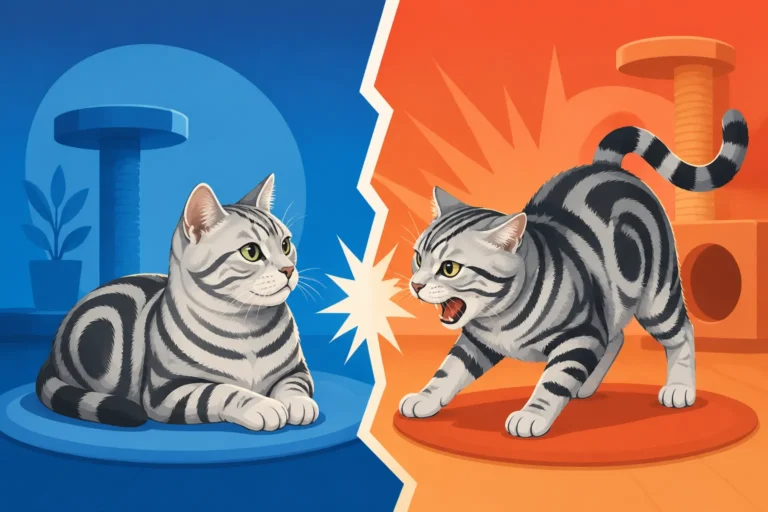
Your American Shorthair won't usually scream or immediately scratch when they're uncomfortable with being held. They're far too dignified for that! Instead, they'll offer a range of subtle cues, and it's up to us to recognize and respect them. Ignoring these early warning signs can erode trust and make future handling more difficult.
Here's what to look for:
- Stiffening or Tensing: If your cat's body becomes rigid or tense the moment you try to pick them up, or while they're in your arms, it's a clear sign of discomfort. They're not relaxing into the embrace.
- Tail Flicking or Swishing: A rapidly flicking or thumping tail often indicates agitation or annoyance. This isn't the gentle, slow swish of a relaxed cat.
- Ears Flattened or Rotated Back: Ears pinned flat against their head or swiveled backward signal that they feel threatened or unhappy.
- Looking Away: If your cat avoids eye contact or actively turns their head away from you, it's a classic feline signal for "I'm done with this interaction."
- Dilated Pupils: Wide, round pupils can indicate fear or stress.
- Pushing with Paws (without claws): They might gently push against your chest or arms with their front paws, a polite but firm request for release.
- Low Growl or Hiss (rare, but possible): This is a much stronger warning and means you've likely missed several earlier, more subtle cues.
If you observe any of these signs, the best thing you can do is gently and immediately put your cat down. Respecting their boundaries, even if it means a shorter cuddle than you hoped for, builds incredible trust. A cat that knows you will listen to their "no" is much more likely to eventually offer a "yes" for brief periods. Remember, Why an American Shorthair Retreats Before It Scratches – they prefer to avoid confrontation if possible.
The Difference Between Tolerance and Enjoyment
It's crucial to distinguish between an American Shorthair tolerating being picked up and genuinely enjoying it. Many American Shorthairs, especially if they've been handled gently and consistently since kittenhood, will tolerate being lifted for a short duration. This tolerance often comes from a place of deep trust in you, knowing that you mean them no harm and that the experience will be brief. They might allow you to carry them from one room to another, or briefly hold them while greeting a visitor.
However, true enjoyment – where a cat melts into your arms, purring contentedly, and doesn't try to leave – is much rarer for this breed. They are not typically the type to seek out being held for extended periods just for the sake of it. Their pleasure comes more from shared space and interaction on their terms.
When they tolerate it, they might remain still, perhaps even give a small purr, but their body language won't show the relaxed, loose posture of a cat truly relishing the embrace. They might still be subtly looking for an exit strategy, or their tail might give a slight, almost imperceptible twitch. It's a pragmatic acceptance, not ecstatic bliss. Understanding this difference helps manage expectations and prevents inadvertently stressing your feline friend. For more insight into their comfort with physical touch, consider Where a Working Bred American Shorthair Will Let You Touch It.
Building a Positive Association: Making Being Picked Up Less Stressful
While your American Shorthair might never be a "pick me up and carry me around" kind of cat, you can absolutely work on making the experience of being held less stressful for them, and perhaps even pleasant for short bursts. It's all about trust, gentle methods, and positive reinforcement.
Gentle Introductions and Positive Reinforcement
Building a positive association with being picked up starts with small, non-threatening steps. Think of it as a gradual desensitization process, paired with rewards.
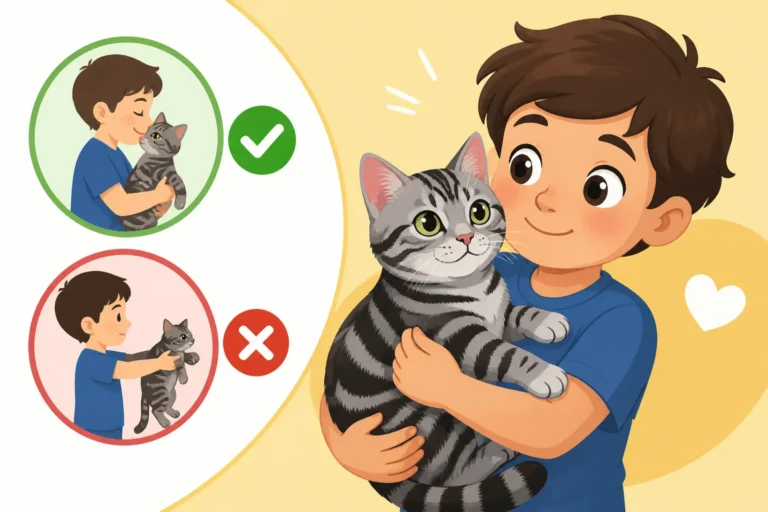
- Start Small: Don't go straight for a full scoop. Begin by simply gently lifting their front paws off the ground for a second, then immediately putting them down. Or, slide your hands under their belly, lift slightly, and release. The goal is to make the act of being lifted a non-event.
- Support Them Fully: When you do lift them, always support their entire body, especially their hindquarters. Cats feel insecure if their back legs are dangling. Hold them close to your body, making them feel secure, not like they're about to fall. Their strong, square build, as outlined in What an American Shorthair Looks Like by the Standard, means they need a firm, encompassing hold.
- Positive Reinforcement is Key: The moment you put them down, or even during the brief lift if they remain calm, immediately offer a high-value treat or praise. Think super tasty treats, perhaps some freeze-dried chicken from Amazon. They need to associate being picked up with something wonderful happening afterwards.
- Example: You lift them for two seconds, put them down, and immediately give a treat. Repeat this several times a day, gradually increasing the duration of the lift as they become more comfortable.
- Keep it Brief: Especially in the beginning, keep any lifting sessions very short. A few seconds is plenty. You want to stop before they show signs of discomfort, leaving them with a positive experience.
- Voice and Touch: Use a calm, soothing voice when approaching and lifting. Pair the physical act with reassuring words. Gentle strokes before lifting can also help them feel more at ease.
- Context Matters: Some cats are more receptive to being picked up when they're sleepy, just waking up, or if they're already seeking attention. Pay attention to your cat's mood and choose opportune moments. Never try to pick up a cat that is already stressed, agitated, or deeply engrossed in hunting play.
Remember, patience is paramount. You're working against centuries of instinct. Every positive, short interaction builds trust, making future handling easier.
When and How to Handle a Resistant Cat
There will inevitably be times when you need to pick up your American Shorthair, even if they're not thrilled about it. This might be for a vet visit, administering medication, or moving them out of a dangerous situation. In these scenarios, maintaining trust while accomplishing the task is the delicate balance.
- Avoid Force: Whenever possible, avoid physically forcing your cat into an embrace. This can break trust faster than anything and lead to defensive behaviors like scratching or biting. If they're actively resisting, consider if there's another way to achieve your goal.
- The Towel Trick: For necessary handling, like giving medicine or getting them into a carrier, a towel can be your best friend. Gently wrap your cat in a sturdy towel, securing their paws and body. This provides a sense of security (like being swaddled) and prevents scratching. It also helps them feel more controlled, which can paradoxically make them calmer.
- Carrier Training: Desensitize your American Shorthair to their carrier. Leave it out in the house, make it comfortable with a soft blanket, and occasionally put treats inside. This way, when you need to use it, it's less of a terrifying ordeal. For a sturdy, spacious carrier that accommodates their solid build, checking out options on Amazon is a great idea. A good carrier ensures they feel safe during transport. You can find more tips in How to Get a Patrol Minded American Shorthair Into a Carrier.
- Calm, Confident Movements: Cats pick up on our emotions. If you're stressed or hesitant, they'll sense it. Approach with calm, confident movements. Speak in a low, even tone. A quick, decisive lift, properly supported, is often less stressful than a prolonged, fumbling attempt.
- Positive Payoff: Even after an unpleasant but necessary handling, always offer praise and a reward. It helps your cat understand that despite the momentary discomfort, good things still come from interacting with you.
By using these strategies, you can minimize stress for your American Shorthair and foster a relationship where they trust that even when you pick them up, it's for their good, and you'll respect their boundaries.
The Times They Don't Mind (or Even Welcome It)
While the general rule for American Shorthairs is a preference for four paws on the floor, there are definitely specific situations and individual quirks that might make them more receptive to being picked up, or even appreciate your assistance.
Specific Situations and Individual Preferences
Not all American Shorthairs are cut from exactly the same cloth, and circumstances can certainly change their willingness to be held.
- When They're Sleepy or Relaxed: A cat that's just woken up from a nap or is deeply relaxed and purring might be more amenable to a brief scoop. Their guard is down, and they might enjoy the warmth and closeness for a short moment. You might find them snuggling on your lap, which is how they often show affection between their "patrols" of the house. See How an American Shorthair Shows Affection Between Patrols for more on their unique ways of expressing love.
- Kittenhood: Kittens are often much more adaptable and open to being handled. This early period is your best opportunity to introduce gentle lifting and positive associations. Consistent, positive handling during this crucial developmental stage can lay the groundwork for a cat that tolerates being picked up well into adulthood.
- Seeking Comfort: During loud noises, thunderstorms, or moments of mild anxiety, some American Shorthairs might seek reassurance from their trusted human. While they might not jump into your arms, they might allow you to pick them up and hold them close for a brief, comforting hug. This is especially true for those that live in active households, as An American Shorthair With Children, Dogs and Noise often leads to them being more tolerant overall.
- Older Cats with Mobility Issues: As American Shorthairs age, they might develop conditions like arthritis that make jumping to favorite high spots difficult. In these cases, your help in lifting them to a window perch or onto the bed might be genuinely appreciated. They often appreciate this assistance more than a young, agile cat. Learn more about their needs in Caring for an American Shorthair Past Twelve.
- Moving to a Desired Location: Sometimes, your cat wants to be somewhere they can't quite reach, or perhaps you're simply relocating them to a sunnier spot. If being picked up consistently leads to them getting to a favorite sunbeam or a cozy bed, they might start to associate the act with positive outcomes.
- Vet Visits and Examinations: Oddly enough, many American Shorthairs are quite stoic at the vet. While they might not enjoy being handled, their calm and often quiet demeanor makes them relatively easy to manage during examinations. This is partly why Why a Stoic American Shorthair Is Easy on the Exam Table is true for the breed. They might not resist the vet picking them up as much as they resist you, purely because they recognize it as a necessary, if unpleasant, process.
What to Expect: Realistic Expectations for Your American Shorthair
Ultimately, when it comes to being picked up, it's important to have realistic expectations for your American Shorthair. They are, by and large, not going to be the kind of cat that melts into your arms for long, languid cuddles. Their affection is typically expressed in more subtle, independent ways.
You're more likely to have a cat who enjoys:
- Sitting Beside You: They love to be in the same room, perhaps even on the same couch, just a comfortable distance away.
- Following You: They might be your constant shadow, observing your activities with quiet interest.
- Head Nuzzles and Rubs: These are often their preferred forms of close physical contact.
- Playtime: Engaging in interactive play, where you mimic hunting behavior, is a fantastic way to bond with your American Shorthair.
Don't mistake their independence for a lack of love. They truly value their personal space and their ability to choose when and how to interact. If your American Shorthair tolerates being picked up for a few seconds, especially if it leads to a treat or a desired location, consider that a win! It shows a deep level of trust and respect for you. Instead of trying to force them into a mold they don't fit, celebrate their unique, self-reliant charm.
Understanding your American Shorthair's nature, from their history to their communication, allows you to build a stronger bond based on mutual respect, even if that bond doesn't always involve being held aloft like royalty. And when you need to transport them, a sturdy, comfortable carrier, available from retailers like Amazon, is always a good investment to make those essential trips less stressful for both of you. Don't forget, the right sized carrier is key, as What a Carrier a Square Built American Shorthair Fits In Costs can vary based on size and features.
Here's a quick reference for understanding your American Shorthair's signals around being picked up:
| Signal | Interpretation | Action |
|---|---|---|
| Relaxed posture, slow tail swish | Tolerant, possibly enjoys brief cuddle | Continue gently, but be ready to release. Offer treats. |
| Stiff body, ears slightly back | Uncomfortable, wanting down | Gently lower immediately. Do not force. |
| Tail flicking, looking away | Annoyed, feeling trapped | Release immediately. Re-evaluate timing for next interaction. |
| Growling, hissing (rare) | Stressed, feeling threatened | Release immediately, back away, and give space. Avoid future forced handling. |
| Pushing paws (no claws) | Polite request to be put down | Acknowledge and respect the request; gently lower. |
| Purring, rubbing head into you | Enjoys the contact, may stay longer | Enjoy the moment! Continue gentle strokes, still offer quick release option. |
Disclaimer
This article is for general informational purposes only and does not constitute professional advice. Laws, prices and regulations vary by location and change over time. Consult a qualified professional for guidance on your specific situation.