How Long an American Shorthair Sits on a Lap
It’s a common fantasy for new cat parents, isn't it? You picture yourself curled up on the sofa, a good book in hand, and your beloved feline companion purring contentedly on your lap, settled in for a long, cozy evening. With an American Shorthair, a breed often praised for its good nature and adaptability, you might naturally assume this idyllic scene will be a regular occurrence. However, if your American Shorthair isn't quite the "velcro lap cat" you envisioned, don't despair – you're certainly not alone, and it doesn't mean your cat doesn't adore you. This guide will explore the unique affection style of the American Shorthair and help you understand what to realistically expect when it comes to lap-sitting.
The American Shorthair's Unique Affection Style
Let's be real: American Shorthairs are not, by and large, the quintessential lap cats that some other breeds are famous for. This isn't a flaw in their character; it's a deeply ingrained trait stemming from their fascinating history. These aren't creatures bred for delicate beauty or constant human attention; they were bred for work, for independence, and for being incredibly effective at their job.
A Legacy of Self-Sufficiency
Imagine their ancestors, the cats who arrived on ships with early settlers, tasked with keeping rodents at bay on long voyages and then in barns and homes across a new continent. These cats were survivors. They had to be alert, resourceful, and capable of fending for themselves. Their value lay in their hunting prowess and their ability to thrive without constant supervision. They formed bonds with humans, absolutely, but those bonds were built on respect and mutual benefit, not necessarily on being held and coddled for hours.
This historical role means that modern American Shorthairs still carry a strong streak of independence. They are affectionate, don't get me wrong, but their affection often manifests differently than a breed specifically developed for companionship in a lap-sitting capacity. They're often described as "in your space, but not on your lap," meaning they love to be in the same room, observing you, perhaps even following you from room to room as you go about your day. They want to be part of the action, but they might prefer to be a respectful distance away, perhaps on the arm of the sofa or a chair nearby. For more on their independent spirit, you might find Why a Self Sufficient American Shorthair Copes With a Long Day insightful.
How They Show They Care
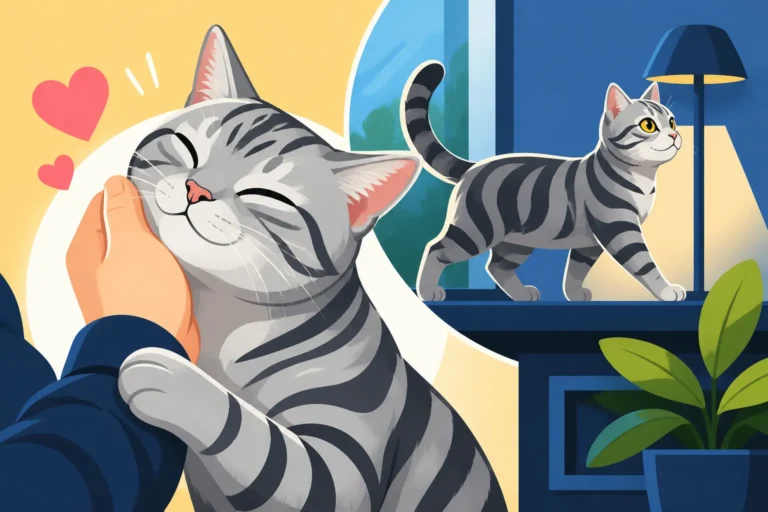
So, if an American Shorthair isn't always on your lap, how do they show their love? They have a myriad of subtle, charming ways that, once you learn to recognize them, are just as heartwarming as a lap snuggle. They might greet you at the door with a quiet meow or a gentle headbutt against your leg. They might choose to sleep on the foot of your bed, close enough to feel your presence but not directly on top of you.
You might notice them sitting on a nearby piece of furniture, just watching you, blinking slowly in that classic cat-love way. They might rub against your legs as you walk by, or even bring you a toy as an invitation to play, fulfilling that inherent hunting drive. These are all profound declarations of affection from a breed that values its space and independence. Understanding these cues helps immensely in appreciating your American Shorthair's unique bond. We delve deeper into their expressions of love in How an American Shorthair Shows Affection Between Patrols.
Factors Influencing Lap Time
While the breed generally leans towards independence, that doesn't mean lap time is completely off the table. Several factors can influence how long, or even if, your American Shorthair decides to grace your lap with their presence. It's a delicate dance, and understanding these elements can help set realistic expectations.
Individual Personality and Early Socialization
Just like people, every American Shorthair has its own distinct personality. Some are naturally bolder and more outgoing, while others are more reserved. Even within the same litter, you might find a range of temperaments. A kitten that was handled frequently and positively by humans from a very young age, especially during its critical socialization period (roughly 2-7 weeks old), may be more inclined to seek out physical affection as an adult. Conversely, a cat with less positive early experiences might be more hesitant to get too close.
Beyond early life, a cat's individual "cuddle quotient" is a big player. Some American Shorthairs simply enjoy physical contact more than others, and there’s no predicting it entirely. You might end up with a unicorn American Shorthair who does love to sprawl on your lap for hours, but it's not the norm. It's important to appreciate your cat for who they are, rather than trying to force them into a mold.
Environment, Routine, and Trust
Cats thrive on routine and a sense of security. A calm, predictable home environment can make an American Shorthair feel more relaxed and therefore more open to displays of affection, including lap-sitting. If your home is chaotic, loud, or constantly changing, your cat might be more inclined to maintain its distance, seeking comfort in its own established safe spots.
Building trust is paramount. An American Shorthair, with its independent nature, isn't going to just hop on the lap of anyone. They need to feel safe, respected, and confident in your presence. This trust is built over time through consistent, positive interactions: gentle petting when they initiate it, consistent feeding times, and a calm demeanor. Any sudden movements or attempts to force affection can actually erode that trust. Remember, their motto often feels like An American Shorthair Asks You for Almost Nothing, so earning their trust means respecting their boundaries.
Age and Health Considerations
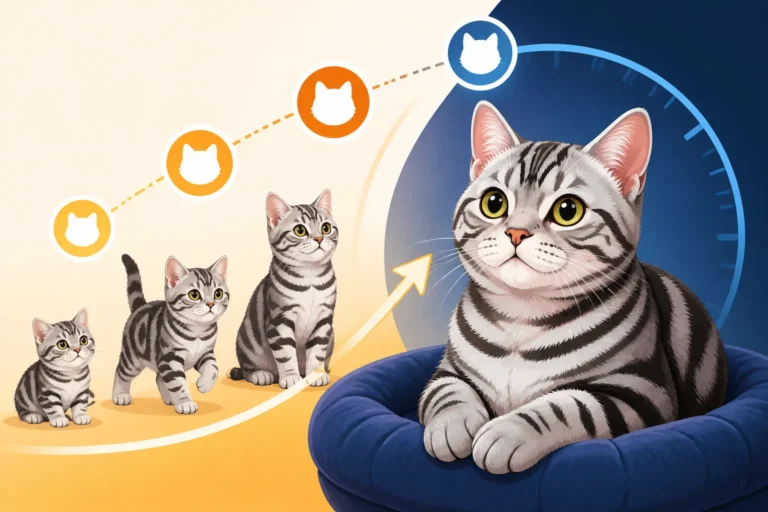
Age can play a significant role in lap-sitting behavior. Young American Shorthair kittens and adolescents are often bundles of energy, more interested in exploring, playing, and hunting imaginary prey than sitting still. Their minds are constantly engaged, and they might only pause for a quick cuddle before darting off again. As they mature and settle into adulthood, their energy levels might temper slightly, making them a little more amenable to longer periods of rest, which might include your lap.
Older American Shorthairs, particularly those entering their senior years, might seek out your lap more frequently. They may feel the cold more, their joints might ache, or they might simply appreciate the warmth, comfort, and security your lap provides. A senior cat might spend significant time napping, and your lap could become a preferred spot for those longer snoozes. However, a sudden change in a cat's usual behavior, including an increased desire for solitude or, conversely, an overwhelming need for contact, could also be a subtle sign of discomfort or illness, so always keep an eye out for other symptoms and consult your vet if you're concerned.
Encouraging Lap Time Without Force
If your heart is set on having your American Shorthair snuggle up with you, there are definitely things you can do to encourage it. The key, however, is patience, respect, and never, ever forcing the issue. Remember, you're inviting them to partake, not demanding their presence.
Creating an Irresistible Invitation
Cats are creatures of comfort, and the American Shorthair is no exception. Make your lap the most appealing place it can be. If you're settling down for an evening, place a soft, familiar blanket or a small, cozy cat bed on your lap or right next to you on the sofa. The scent of their own things can be very inviting. Many American Shorthairs appreciate warmth, so a sunbeam hitting your lap or even a warm, recently vacated spot can be a draw.
Offer a calm, quiet presence. Don't immediately try to grab or hold them. Instead, gently stroke them if they approach, or simply let them settle. If they seem hesitant, try offering a treat or two while they're near you. Positive reinforcement, however small, can gradually associate your lap with good things. Consistency is key here; make it a regular habit to create this inviting space, and they might just decide to explore.
Respecting Boundaries and Non-Verbal Cues
This is perhaps the most crucial aspect of encouraging an American Shorthair to sit on your lap: respect their autonomy. If they jump off, let them. If they walk away when you try to pick them up, don't chase them. Forcing a cat onto your lap or holding them against their will will only lead to resentment and make them less likely to come back. You can learn a lot about what they prefer by observing How Much an American Shorthair Likes Being Picked Up and Where a Working Bred American Shorthair Will Let You Touch It.
Pay close attention to their body language. A relaxed cat will have soft eyes, possibly a slow blink, and their tail might be held loosely or gently curled. If their ears are flattened, their tail is thumping, or their body is tense, they're telling you they're uncomfortable. Withdraw your hand, give them space, and try again later. Building a bond with an American Shorthair is about proving you're a safe, respectful presence who understands their need for independence.
The Power of Play and Bonding Activities
Interactive play isn't just great exercise; it's a fantastic way to bond with your American Shorthair and build trust, which can indirectly lead to more lap time. Engaging in regular play sessions that mimic their natural hunting instincts can be incredibly fulfilling for them. Think wand toys or feathered teasers that allow them to stalk, chase, pounce, and "catch" their prey. Amazon offers a wide variety of excellent wand toys that are perfect for this, letting them engage with their inner hunter. Which Wand Toy Reads as Prey to an American Shorthair provides great ideas.
After a vigorous play session, many cats are more relaxed and might seek out a comfortable spot to rest – and that comfortable spot might just be your lap, especially if you've been the one providing the stimulating play. The positive association they build with you through play can extend to other forms of interaction. Puzzle feeders, also widely available on Amazon, can also engage their minds, tiring them out mentally and making them more inclined to relax later. Shared experiences, whether it's playtime or simply quiet companionship in the same room, deepen the bond and make them feel more secure and loved, fostering a greater willingness to draw near.
What to Realistically Expect from Your American Shorthair
Now for the real talk: what does "lap time" truly look like for most American Shorthairs? It's probably not the hours-long, purr-motor marathon you might see from a Ragdoll or a Persian. But that doesn't make their affection any less meaningful.
Brief Visits and Strategic Snuggles
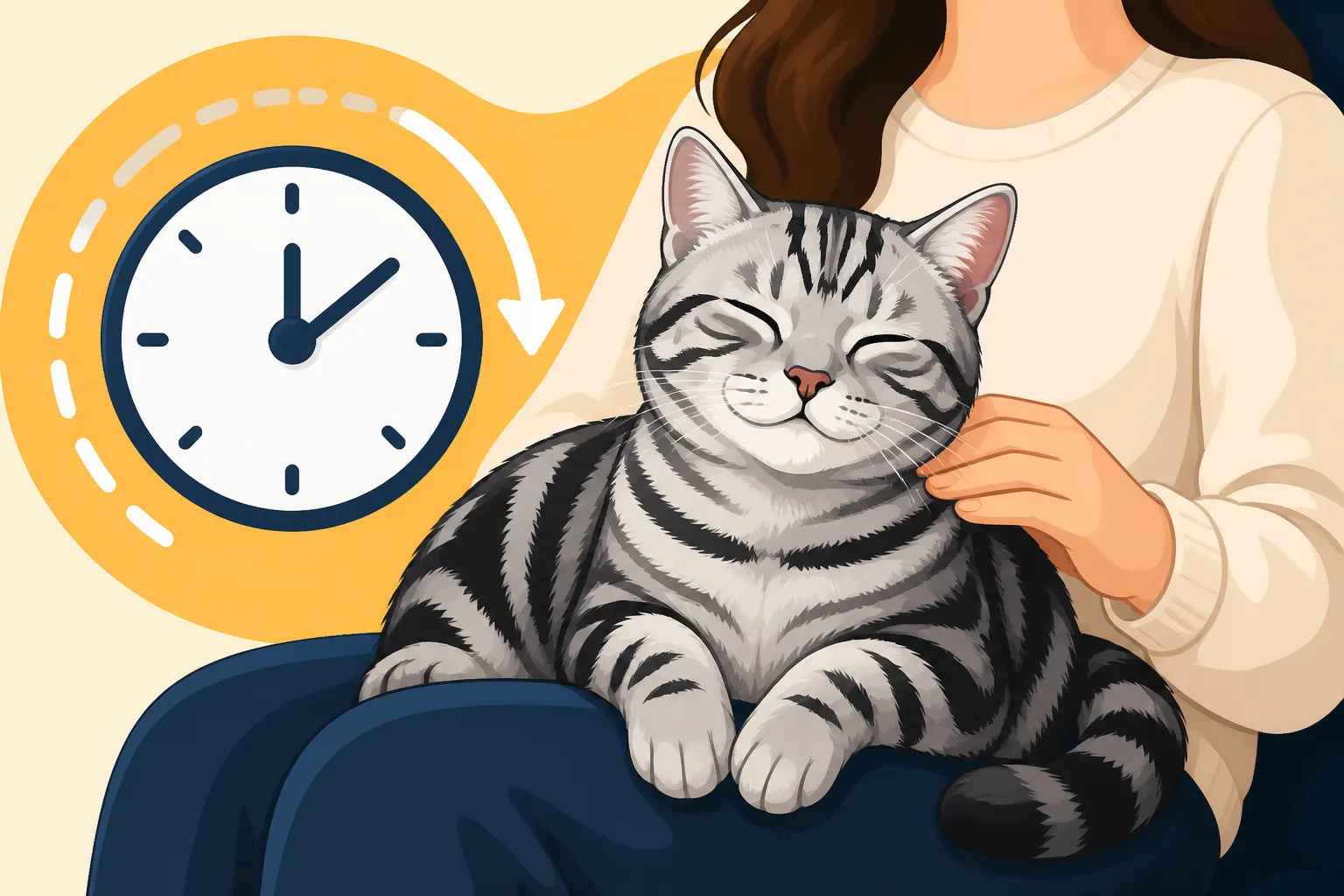
Most American Shorthairs will offer what I like to call "strategic snuggles." These are often brief, purposeful visits to your lap. Maybe they're seeking a specific kind of head scratch only you give, or they've decided your legs are the warmest spot in the house for a 15-minute power nap. They might settle down, purr for a bit, get a good rub, and then decide they've had enough and gracefully depart.
These brief encounters are perfectly normal and actually quite precious. They are choosing you, actively deciding that for that moment, your lap is precisely where they want to be. Don't be surprised if they don't stay long; it's just their way. Treasure those moments, however fleeting, because they are a genuine sign of trust and affection from an independent soul. If you're curious about how their general demeanor affects these interactions, read Why an American Shorthair Was Never Bred to Need You.
Debunking the "Velcro Cat" Myth
It's important to adjust expectations. The image of a "velcro cat" constantly stuck to your side, demanding attention, simply isn't the American Shorthair's nature. This breed was developed to be self-reliant, capable, and quiet. They don't typically exhibit needy or clingy behaviors. They're present, they're observant, and they enjoy being part of the family, but they maintain a certain dignified distance.
This isn't a bad thing. In fact, it's one of the qualities many American Shorthair owners adore. They offer companionship without demanding constant interaction, making them a fantastic fit for busy households or individuals who appreciate a less demanding feline friend. Understanding that they may prefer sitting beside you rather than on you is key to appreciating their unique companionship style. This is elaborated upon in Why a Working Bred American Shorthair Sits Beside You Rather Than On You.
Other Signs of Enduring Love
Even if your American Shorthair never truly becomes a devoted lap cat, remember that their affection is shown in a multitude of other ways. They might follow you from room to room, supervising your activities. They might offer a soft head-bunt or a slow blink. They might bring you their favorite toy, or simply choose to nap on a chair just a few feet away, content merely to be in your presence.
These are all significant gestures from a cat who deeply values its human family. The American Shorthair is an exceptionally loyal and devoted companion; they just express it in their own, understated way. Appreciating their unique blend of independence and affection will help you build a truly satisfying relationship with your wonderful cat, regardless of how much time they spend on your lap.
Here's a quick comparison to help adjust expectations:
| Trait / Behavior | Stereotypical "Lap Cat" | Typical American Shorthair |
|---|---|---|
| Lap Time Duration | Often hours, long naps, seeking constant contact | Usually brief visits, 5-20 minutes, for specific comfort/attention |
| Initiation | Frequently jumps on lap uninvited, demands attention | More likely waits for an invitation, or approaches gently |
| Physical Closeness | "Velcro" cat, prefers being held or on top of you | Enjoys being in the same room, often near but not on you |
| Affection Display | Loud purrs, kneading, head rubs, constant presence | Quiet purrs, slow blinks, head nudges, following, respectful observation |
| Response to Being Picked Up | Tolerant, often enjoys it | Tolerant for short periods, but prefers to be on their own terms |
| Independence Level | Lower, often seeks out human interaction | Higher, content with solitary activities but enjoys company |
Disclaimer
This article is for general informational purposes only and does not constitute professional advice. Laws, prices and regulations vary by location and change over time. Consult a qualified professional for guidance on your specific situation.