How to React When an American Shorthair Brings You Something
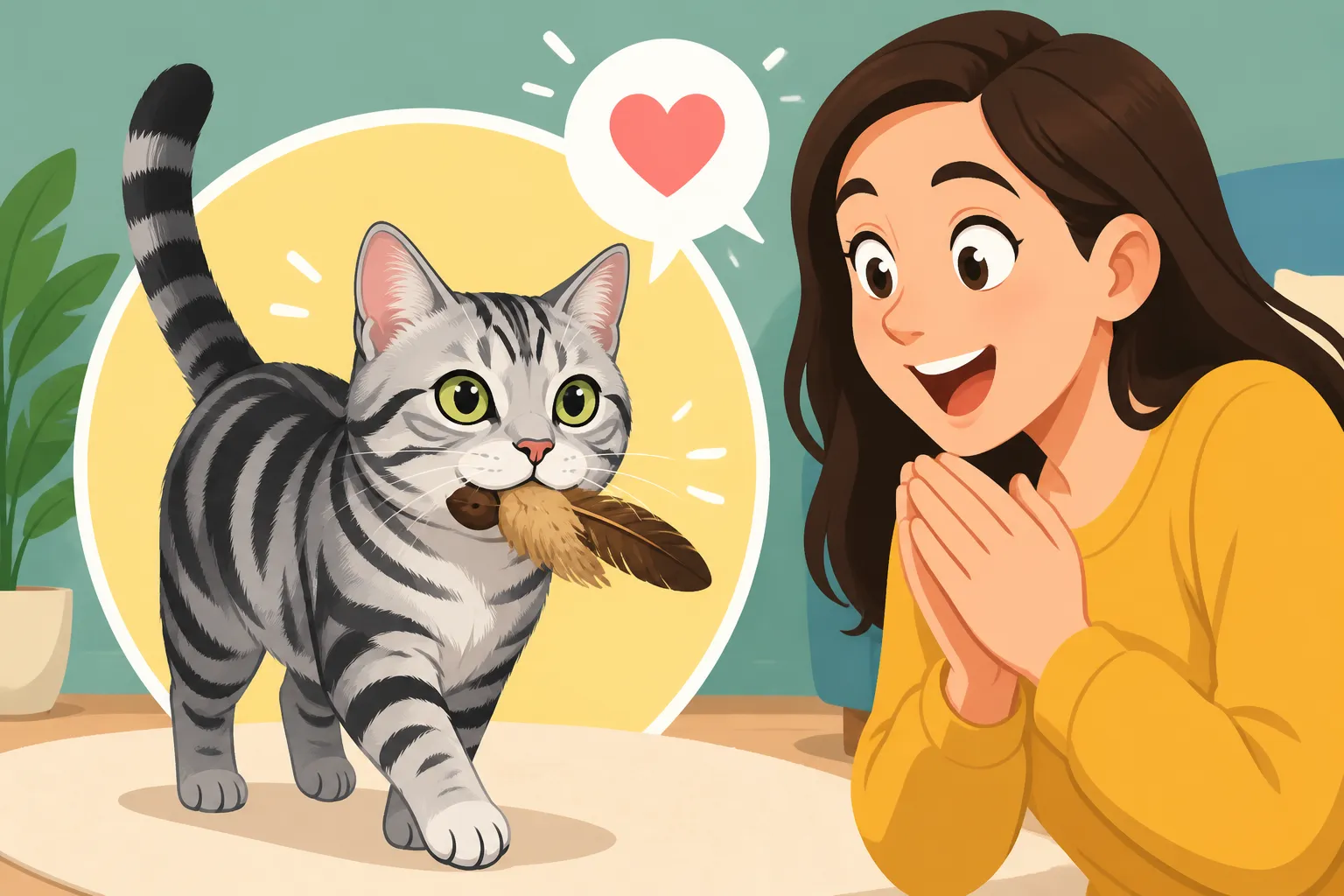
There's nothing quite like the unique blend of pride and mild horror you feel when your beloved American Shorthair trots into the room, tail held high, and drops a rather fresh offering at your feet. Whether it's a still-wiggling mouse, a silent bird, or even just their favorite crinkle ball, this behavior can leave us cat parents wondering, "What do I do now?" This guide is here to help you navigate those sometimes-awkward, sometimes-gross, but always instinct-driven moments, offering practical advice on how to react in a way that respects your cat's ancient wiring while keeping your sanity intact.
Deciphering the Hunter's Instinct: Why Your American Shorthair Brings You "Gifts"
When your American Shorthair brings you a "present," it's not trying to be naughty or gross you out. Quite the opposite, in fact. This deeply ingrained behavior comes from centuries of their ancestors earning their keep as master hunters, and it speaks volumes about their trust and affection for you. Understanding the root of this instinct is the first step to responding appropriately.
The Deep Roots of the Hunting Drive
The American Shorthair breed carries a rich history as working cats. Their forebears were valued members of communities, protecting food stores from rodents on ships and farms across North America. Why Centuries of Ratting Left the American Shorthair Its Drive This wasn't just a job; it was a matter of survival, and the traits that made them excellent mousers were naturally selected and passed down through generations. These cats were bred for their robust health, calm temperament, and, crucially, their formidable hunting prowess.
Even today, far removed from the rigors of barn life or seafaring voyages, that instinct remains incredibly strong. It's not something they can simply switch off. For your American Shorthair, hunting is a fundamental part of their being, a complex sequence of stalk, chase, pounce, and kill. When they successfully complete this sequence, there's a natural drive to then bring their catch back to a safe place or share it with their perceived family unit. This behavior is deeply rooted in their social structure, mimicking how a mother cat might bring food to her kittens or how members of a pride might share a kill. It’s a testament to their heritage and an echo of a time when their very survival depended on their sharp instincts and ability to provide. Why an Indoor American Shorthair Keeps the Instinct
You're Part of the Family, So You Get the Spoils
One of the most heartwarming, if sometimes unsettling, reasons your American Shorthair presents you with their catch is because they see you as part of their inner circle. In their eyes, you are a member of their colony, their family, and that means sharing the bounty. It's a profound display of trust and affection. Many feline behaviorists suggest that cats bring their prey to us for a few key reasons, all stemming from their natural social dynamics:
First, they might genuinely believe you're a bit hopeless at hunting yourself. Cats often bring weakened or dead prey to their young to teach them how to finish the kill or simply to provide nourishment. While you might be perfectly capable of opening a can of tuna, your American Shorthair's instincts tell them you need a helping paw. They’re effectively saying, "Don't worry, human, I've got this. Here's dinner." Why an American Shorthair Presents Its Kill
Second, it's a way for them to show off their achievements and seek your approval. They've worked hard, used their incredible skills, and made a successful "kill." They want you to acknowledge their prowess. Think of it like a child bringing home a drawing from school – they're proud and want you to be proud of them too. A lack of acknowledgment can be confusing for them, as they're merely acting on an instinct that has served their kind for millennia. They are bringing you a gift, a sign of their capability and care.
Understanding the "Gifts": What Your American Shorthair is Bringing
The type of "gift" your American Shorthair brings you can vary wildly, and understanding what each type signifies can help you tailor your reaction. Whether it's a real animal or something more symbolic, the underlying intention is often the same: a proud offering from your feline friend.
The Range of Prey: From Live to Loved Toy
The nature of the offering usually depends on whether your American Shorthair has outdoor access and what opportunities for "hunting" they have within your home.
- Live Prey: This is perhaps the most startling of all "gifts." A live mouse, a bat that got in, or even a large insect like a beetle. While it can be incredibly upsetting to find a live creature struggling in your living room, for your cat, it's the ultimate success. They've not only hunted but captured a live specimen. Sometimes, they bring live prey inside to finish the kill in a secure, safe environment, away from potential predators or rivals. Other times, it's a direct attempt to "teach" you how to handle it. Remember, this isn't malicious; it's pure instinct in action.
- Dead Prey: This is a more common scenario for American Shorthairs who have outdoor access. A deceased mouse, bird, or even a small lizard. This indicates a completed hunt, and your cat is bringing back the spoils. It's their way of sharing their hard-earned meal or demonstrating their hunting success to their family unit. For them, it's a valuable contribution to the household larder, even if you see it as something requiring immediate disposal.
- Toys: For strictly indoor American Shorthairs, their hunting instinct doesn't disappear; it simply redirects. They will often "hunt" their favorite toys with the same intensity they would a live mouse. You might find them carrying a plush toy mouse, a crinkle ball, or a bouncy spring in their mouth, sometimes even vocalizing with a specific "carry" meow. They'll drop it at your feet, perhaps looking expectantly, waiting for you to engage them in play. This is a crucial way for them to complete the hunting sequence in a safe, appropriate manner. Which Wand Toy Reads as Prey to an American Shorthair They might even drop a puzzle feeder after "emptying" it, showing their success.
- Random Household Items: Sometimes, your American Shorthair will bring you less traditional "gifts" like a balled-up sock, a hair tie, a pen, or even a piece of paper. These aren't typically "prey" in the traditional sense but can become stand-ins, especially if they are small, light, and easy to carry. This behavior often merges the hunting instinct with a desire for attention or interaction. They've found something "interesting" and want to share their discovery with you. It can also be a simple game they've invented to get you to notice them.
Why the Delivery Location Matters
The specific spot where your American Shorthair deposits their "gift" can also offer clues about their intentions, reinforcing their bond with you.
- At Your Feet: This is often the most direct and common delivery method. Your cat literally brings it right to you, sometimes looking up with an expectant gaze, as if to say, "Look what I got!" or "Here, this is for you." It's a clear, overt offering and a request for acknowledgment or interaction.
- In Your Bed: Finding a "gift" in your bed is a very personal and intimate gesture. Your bed is likely your scent-marked, most secure territory, and for your cat to place their precious offering there signifies a high level of trust and a deep desire to share their most valued possessions within your shared, safe space. It’s akin to bringing their young to the nest.
- On a Doorstep or Threshold: For American Shorthairs with outdoor access, dropping prey at the back door or on the welcome mat is a classic behavior. Why an American Shorthair Leaves Prey on the Doormat This location acts as a boundary—the transition zone between the wild outdoors (the hunting ground) and the safety of the home (the den). It's where they bring their bounty back to the family, a clear indication of their role as provider for the household.
The Best Ways to React (and What to Avoid)
Your reaction to your American Shorthair's "gifts" is critical. While it might be your first instinct to recoil, scream, or scold, remember that your cat is operating purely on instinct and showing you affection. A negative reaction can confuse and upset them, potentially damaging your bond.
The Do's: Acknowledgment and Positive Reinforcement
When your American Shorthair brings you something, whether it's a dead mouse or a toy, a calm and understanding response is always the best approach.
- Stay Calm: This is paramount, especially if the "gift" is live prey. Your cat will pick up on your energy. Yelling, screaming, or showing extreme disgust will only make them anxious and confused. They won't connect your reaction to the "badness" of the item; they'll connect it to their presence or their offering. A calm demeanor helps keep the situation from escalating into a stressful one for both of you. Take a deep breath before you do anything.
- Acknowledge the Effort (Not the Prey Itself): Offer a soft, calm "Thank you, sweetie" or "Good job!" directed at your cat. You can give them a gentle head rub or a slow blink. The key is to acknowledge them and their effort without directly praising the undesirable item itself. They understand positive attention, and this reinforces the idea that bringing things to you leads to a pleasant interaction, which you can then redirect.
- Manage the "Gift" Discreetly and Swiftly: If it's a live animal, the priority is to safely remove it from your home without harming it or causing further stress to your cat. A humane trap or a sturdy container to catch and release it outdoors is ideal. If it's dead prey, dispose of it quickly and quietly, preferably when your cat is distracted or has moved away. Use a scoop and a bag to avoid direct contact and seal the bag to contain odors. For toys, a gentle toss of the toy can often be enough to transition into play. Keep cleaning supplies like enzymatic cleaners from Amazon on hand for any accidents that might occur with live prey.
- Redirect Their Energy with Play: After acknowledging their "gift," immediately engage your American Shorthair in a structured play session with an appropriate interactive toy. This is crucial for satisfying their hunting drive. Use a wand toy that mimics a bird or a mouse. Let them stalk, chase, pounce, and catch the toy multiple times. Critically, let them "win" and "kill" the toy at the end of the session, holding it down with their paws. This completes the entire hunting sequence for them in a positive, safe way. How to End a Play Session With an American Shorthair Consider looking on Amazon for high-quality wand toys like those from Da Bird or Yeowww! that will truly engage their prey drive.
The Don'ts: Punishing or Ignoring the Instinct
Just as important as knowing what to do is knowing what not to do when your American Shorthair brings you a gift.
- Never Punish: This cannot be stressed enough. Punishment, whether it's yelling, hitting, spraying with water, or scolding, will never stop the behavior. It will only make your cat fearful of you, damage your bond, and cause stress. They will not understand why they are being punished for doing something that is natural and, in their mind, an act of generosity or skill. Instead of stopping the behavior, they might just learn to hide their "gifts" from you.
- Avoid Excessive Praise for Live Prey: While you want to acknowledge your cat, avoid an over-the-top reaction that could be interpreted as rewarding the act of bringing a live animal indoors. A calm, gentle acknowledgment is sufficient. The goal is to redirect, not to inadvertently encourage the bringing of live animals into your home.
- Don't Ignore Completely: While you might be tempted to pretend you don't see the "gift" (especially if it's unpleasant), completely ignoring your cat when they are seeking attention or sharing their bounty can be detrimental. It can lead to frustration and confusion for them. A quick, calm interaction, even if it's just a word and a gentle stroke, lets them know you've noticed them without necessarily condoning the specific offering.
- No Rough Handling: Don't aggressively snatch the prey away or chase your cat to get the item. This can turn a well-intentioned offering into a frightening encounter or a confusing game. Always approach calmly and move slowly.
Here’s a quick overview of how to respond:
| Type of "Gift" | Cat's Intention (Likely) | Recommended Reaction | Things to Avoid |
|---|---|---|---|
| Live Prey | Sharing, Teaching, Showing Prowess | Calm acknowledgment, quick humane removal, redirect to interactive play | Yelling, Punishment, Scolding, Visible disgust, Over-the-top praise for live animal |
| Dead Prey | Sharing the bounty, Seeking praise | Calm acknowledgment, discreet disposal, gentle praise for the cat | Scolding, Visible disgust (even if you feel it), Ignoring the cat's presence |
| Toys | Initiating play, Seeking attention, Completing hunt | Gentle throw, engage in interactive play, praise their effort | Ignoring, Confiscating the toy angrily |
| Household Items | Attention, Play, Substituting for real prey | Calm acknowledgment, redirect to appropriate toy, gentle praise for the cat's presence | Frustration, Punishment, Snatching the item |
Managing the Hunting Instinct in an Indoor American Shorthair
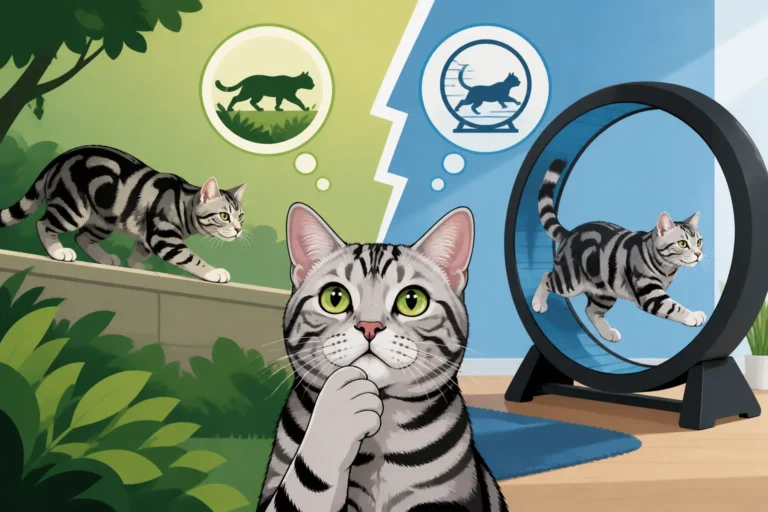
For those of us with indoor-only American Shorthairs, managing this instinct becomes less about what they bring in from outside and more about providing satisfying alternatives. Your goal is to give them positive, engaging outlets for their natural drives.
Providing Appropriate Outlets for Their Drive
Even if your American Shorthair never sets a paw outside, that powerful hunting instinct is still very much alive. It needs to be fulfilled.
- Interactive Play Sessions: This is arguably the most important thing you can do for your indoor hunter. Dedicate at least two 15-20 minute sessions each day to interactive play. Use wand toys with feathers, strings, or soft toys attached. Simulate the hunt: make the toy dart, hide, and occasionally allow your cat to "catch" and "kill" it. Let them hold it, bunny-kick it, and feel the satisfaction of a successful hunt. This fulfills their instinct in a safe, appropriate way and burns off energy. How Much Simulated Hunting an American Shorthair Needs There are many fantastic options for interactive toys on Amazon, from simple feathered wands to more intricate battery-operated toys that mimic erratic prey movement.
- Puzzle Feeders and Food Toys: Instead of simply putting their food in a bowl, make mealtime a "hunt." Puzzle feeders require your cat to bat, nudge, or manipulate the toy to release treats or kibble. This taps into their foraging instinct and makes them "work" for their food, just like their ancestors had to. You can also hide small portions of their daily kibble around the house, encouraging them to sniff them out. This engages their minds and bodies and provides a sense of accomplishment. Whether a Puzzle Feeder Satisfies an American Shorthair
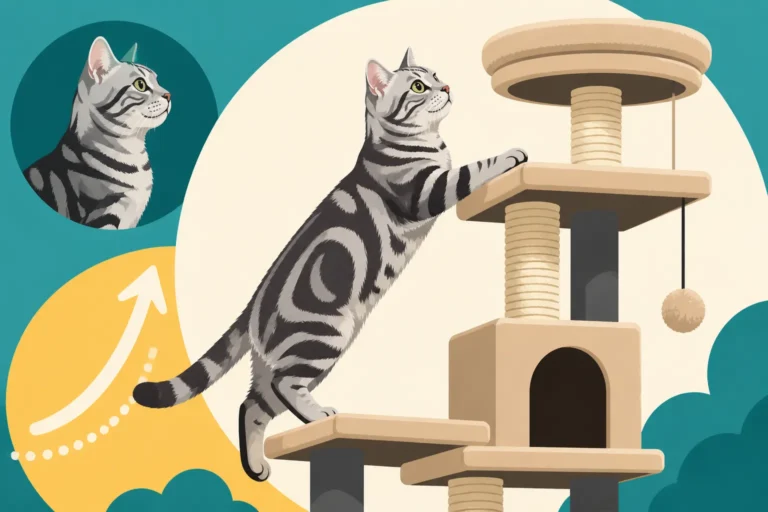
- Vertical Space and Observation Points: American Shorthairs love to survey their territory from a high vantage point. Provide sturdy cat trees, wall-mounted shelves, or window perches where they can watch the world go by. For them, a window can be a prime hunting post, offering endless entertainment as they observe birds, squirrels, and passersby. This satisfies their natural desire to observe and patrol their "territory." Why a Window Is a Hunting Post to an American Shorthair
- Safe "Prey" Toys: Offer a variety of small, cat-safe toys that mimic mice or birds in size and texture. Rotate these toys regularly to keep them interesting and prevent boredom. Some cats even enjoy toys infused with catnip to heighten their play experience. Ensure all toys are safe and can't be swallowed or shredded into dangerous pieces.
When to Seek Professional Guidance
While bringing "gifts" is a natural behavior, there are instances where it might be beneficial to consult with a professional.
- Obsessive or Destructive Behavior: If the hunting behavior becomes excessive, obsessive, or leads to destructive tendencies (e.g., repeatedly destroying household items, self-mutilation), it could be a sign of underlying stress or anxiety that needs addressing.
- Difficulty Managing Live Prey: If your American Shorthair is consistently bringing in live animals and you're struggling to safely and humanely manage the situation, a professional can offer strategies for prevention and redirection.
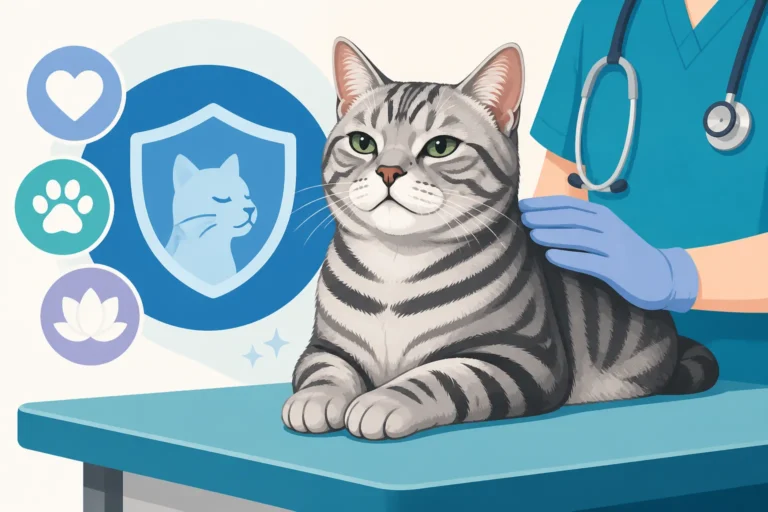
- Any Sudden Behavioral Change: Any sudden, significant change in your cat's behavior, including an increase or change in hunting or "gifting" habits, should warrant a visit to your veterinarian to rule out any underlying medical issues. Once health concerns are addressed, a certified feline behaviorist can provide tailored advice and a behavior modification plan. They can help you understand the nuances of your cat's specific situation and develop strategies that work for both of you.
This article is for general informational purposes only and does not constitute professional advice. Laws, prices and regulations vary by location and change over time. Consult a qualified professional for guidance on your specific situation.