What an American Shorthair Hunts When You Give It Nothing
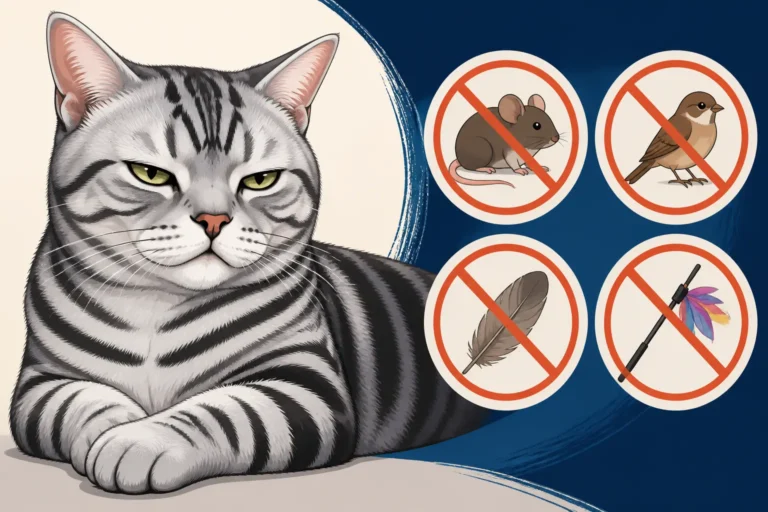
It’s a common scenario for many American Shorthair guardians: you’ve provided a warm home, delicious food, plenty of soft beds, and a clean litter box. Yet, you still find your beloved feline stalking dust bunnies with the intensity of a jungle predator, batting at shadows, or even ambushing your ankles from under the coffee table. This isn't your cat being naughty or ungrateful; it's simply their ancient, deeply ingrained hunting instincts surfacing when the traditional "job" of mousing is no longer on the daily agenda. This guide will delve into why your American Shorthair still feels the urge to hunt, what unexpected "prey" they might target in your home, and how you can creatively fulfill these primal needs for a happier, healthier companion.
The Deep-Rooted Hunter: Why the Instinct Persists
The American Shorthair, unlike some of the more "designer" cat breeds, has a long and storied history as a working cat. Their ancestors weren't bred for exotic looks or extreme features; they were valued for their practical skills – namely, keeping rodent populations in check on farms and ships. This lineage has imprinted a powerful hunting drive that simply doesn't disappear just because they're now a cherished house pet.
Centuries of Predation: A Genetic Legacy
Imagine generations upon generations of cats whose survival depended directly on their ability to stalk, capture, and kill prey. These weren't pampered pets; they were essential members of a household, earning their keep through pest control. The cats who were the most adept hunters were the ones who thrived, reproduced, and passed on their exceptional instincts to their offspring. This millennia-old selective pressure means that the urge to hunt isn't just a learned behavior for an American Shorthair; it's deeply wired into their genetic code. They carry the blueprint of a highly effective predator, honed by centuries of natural selection. The American Shorthair Still Hunts, Whether You Want It To or Not is a truth every owner comes to realize.
Even today, when your American Shorthair observes a fly buzzing near the window or hears a faint rustle in the recycling bin, that ancient programming kicks in. Their pupils dilate, their muscles tense, and their focus becomes laser-sharp. It's not a conscious decision to hunt; it's an automatic response, a hardwired instinct that has served their ancestors well. This profound genetic legacy is why even the most well-fed and comfortable indoor American Shorthair will still display impressive predatory behaviors, whether you’re actively providing them with something to chase or not.
Evolution of an Indoor Hunter
While their ancestors were tackling real mice and rats in barns and on decks, modern American Shorthairs largely exist within the confines of our homes. This shift in environment doesn't extinguish the hunting drive, but it does force an adaptation. The domestic setting often lacks traditional live prey, so your American Shorthair's instinct simply recalibrates to find suitable substitutes. They become incredibly creative in identifying "prey" within their immediate surroundings. What an Indoor American Shorthair Does With a Mouser's Instinct is fascinating to observe as they adapt their ancient skills to a new landscape.
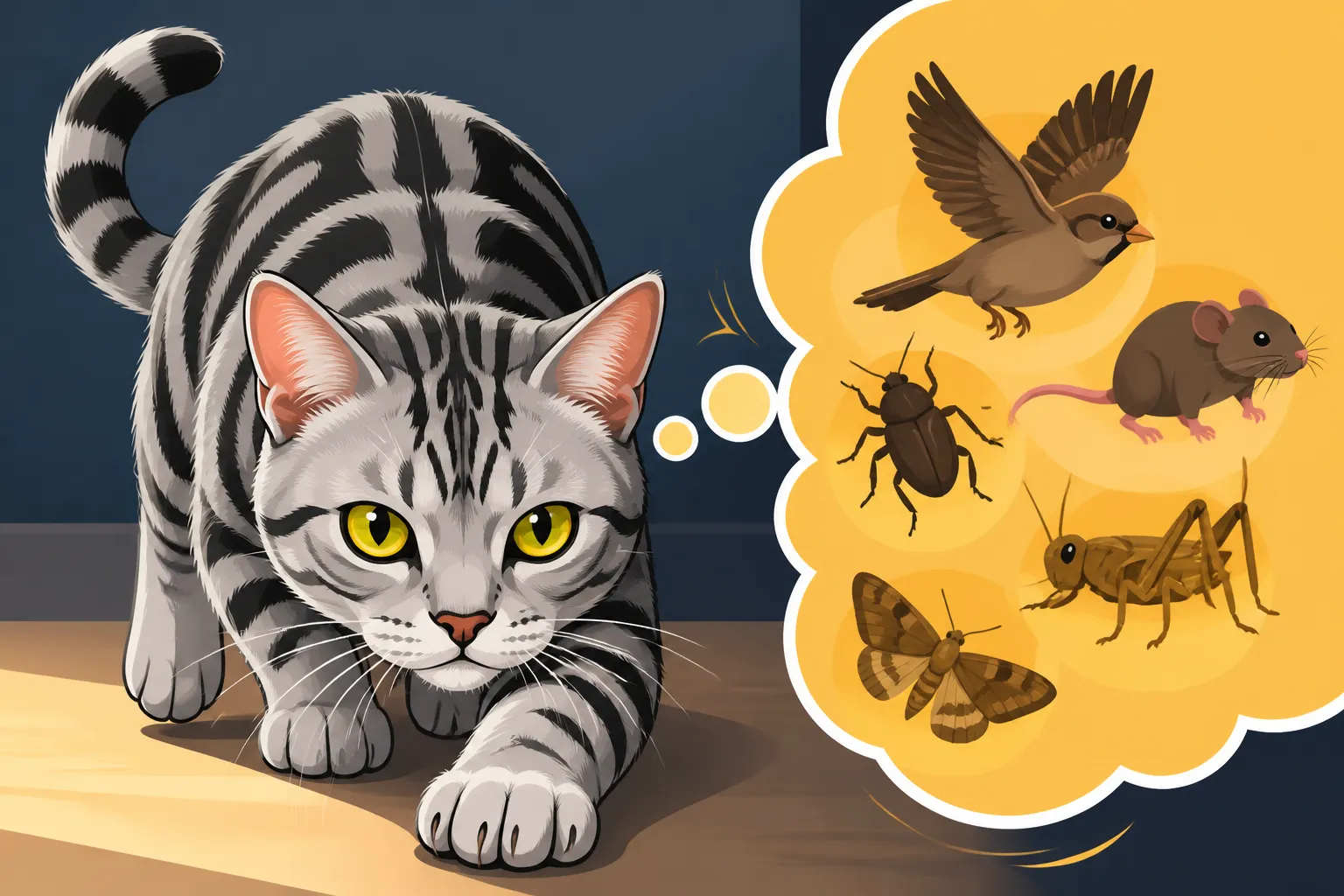
This evolution means that the "hunt" can take on many forms. It might be a silent, focused stalk of a dust bunny drifting across the hardwood floor, culminating in a swift, satisfying pounce. Or it could involve an intense, almost obsessive tracking of a sunbeam's movement across a wall. Their senses, once finely tuned to outdoor environments, now operate within your living room, seeking out any anomaly that could be interpreted as a potential meal. It’s a testament to their adaptability and the enduring strength of their natural instincts that they can find so much "action" in what we perceive as a calm, predictable indoor space.
Household "Prey": What Your American Shorthair Targets
Without actual rodents or birds to chase, your American Shorthair’s hunting drive will inevitably turn towards the objects and phenomena of your everyday home. What seems mundane to you can be a thrilling challenge for a cat hardwired to hunt. It's all about movement, texture, sound, and sometimes, just the sheer novelty of something out of place.
Small, Fast-Moving Objects
Think about the quintessential "prey" for a cat: something small, quick, and often unpredictable. In an indoor setting, this can translate to an astonishing array of items. A dropped pen rolling across the floor, a bottle cap skittering under the fridge, or even a runaway piece of kibble can instantly become the target of an intense chase. Lint rollers, hair ties, rubber bands, and crumpled receipts are often high-value targets. The smaller the item and the more erratic its movement, the more exciting it becomes to their predatory brain. My own American Shorthair, Gus, once spent a solid ten minutes "hunting" a loose thread on the rug, complete with stalking, pouncing, and a proud, imaginary "kill."
These items mimic the size and flight patterns of small rodents or insects. The American Shorthair’s instinct compels them to pursue, corner, and ultimately "dispatch" these objects. They'll use all their predatory skills: the low crouch, the focused stare, the quick burst of speed, and the final, satisfying pounce with their paws. If you’ve ever seen your cat bat a bouncy ball around with incredible focus, only to "kill" it with a gentle bite, you’re witnessing this primal drive in action. They don't just play with these objects; they hunt them.
The Allure of Sound and Scent
Hunting isn't just about what they see; it's profoundly influenced by what they hear and smell. A faint squeak from a floorboard, the distant chirping of birds outside a closed window, or the subtle rustle of a plastic bag can immediately trigger their attention. Their highly sensitive hearing allows them to pinpoint sounds that are imperceptible to us, leading them on "ghost hunts" through the house as they track an unseen auditory cue.
Similarly, scents play a huge role. Even an indoor American Shorthair will have an incredible sense of smell. A faint trace of a forgotten crumb under the sofa, the lingering scent of a human snack, or even the subtle odor of another pet (or wild animal if a window is open) can initiate a thorough and focused investigation. They'll follow these invisible trails with intense concentration, their noses twitching, their bodies low to the ground. This combination of heightened auditory and olfactory senses means that even in a seemingly quiet and still home, your American Shorthair is likely engaged in an ongoing, invisible hunt, tracking phantom prey through a landscape of familiar smells and sounds.
Unconventional "Prey" – Your Ankles and More
Perhaps the most common, and sometimes startling, manifestation of an American Shorthair's unfulfilled hunting instinct is their tendency to stalk and pounce on human body parts. Your wiggling toes under a blanket, your bare ankles as you walk by, or even your hands moving quickly across a keyboard can become irresistible targets. This isn't aggression; it's pure, unadulterated play-hunting. They see movement, and their brain says, "Prey!"
This behavior often happens without warning, especially if you're moving quickly or have something dangling. Think of it from their perspective: a fast-moving object, low to the ground, is exactly what their instincts tell them to chase. They might stalk you from behind a doorway, crouch low as you approach, and then launch a swift, silent ambush. While it can be painful or annoying for us, for them, it's a perfectly natural expression of their predatory sequence. They're just doing what millions of years of evolution have told them to do: hunt the moving thing. This is a clear sign that they need more appropriate outlets for their How Strong an American Shorthair's Hunting Drive Is.
Behavioral Manifestations: How the Hunt Plays Out Indoors
When an American Shorthair's hunting instinct is strong, you'll observe a variety of specific behaviors, whether they're actually chasing something or just "imagining" it. These actions are a direct translation of their ancestral hunting methods into a domestic context.
Stalking and Pouncing: The Invisible Game
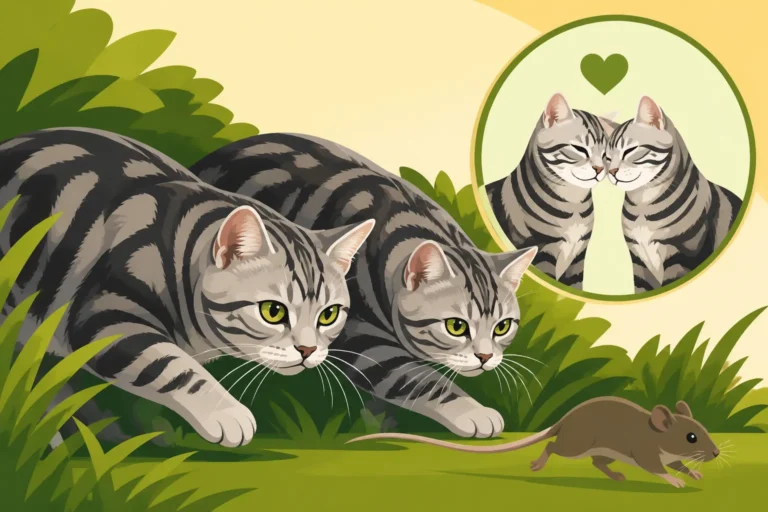
The classic predatory sequence begins with stalking. Your American Shorthair will exhibit a low, stealthy crouch, their body almost scraping the ground, with their ears swiveling to catch every sound. Their eyes will be wide and intensely focused, tracking their chosen "prey," whether it’s a dust mote in a sunbeam or a perceived movement under a rug. Their tail might twitch slightly, betraying their intense concentration, but otherwise, their movement will be slow, deliberate, and silent, just as it would be if they were approaching a real mouse. How an American Shorthair Stalks is a beautiful, albeit sometimes comical, display of their innate grace.
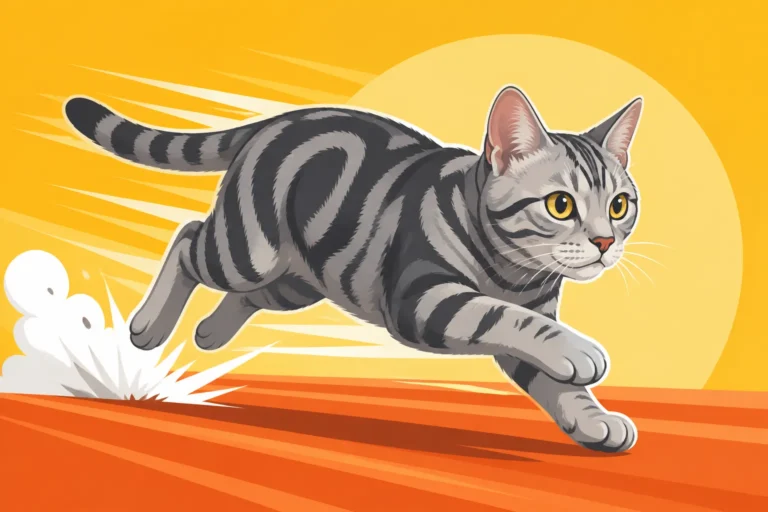
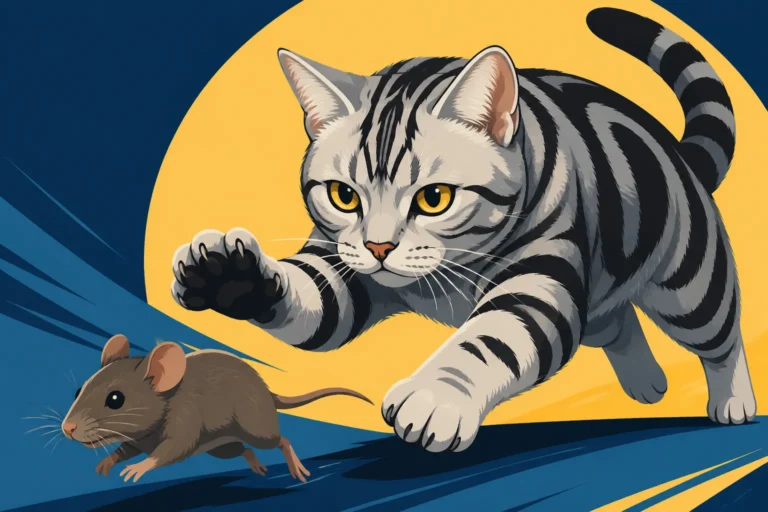
The stalk culminates in the pounce. With a sudden burst of energy, they’ll launch themselves forward, paws outstretched, usually landing directly on their target. This isn't just playful batting; it's a precise, instinctual maneuver designed to incapacitate prey. After the pounce, they might "bunny kick" the object with their back legs, a behavior used to disembowel larger prey. Even if it's just a crumpled piece of paper, the intensity of their focus and execution is a clear demonstration of their genetic programming. How an American Shorthair Pounces can be quite impressive, even when the target is imaginary.
Carrying and Presenting "Kills"
One of the most charming, and sometimes puzzling, behaviors is when your American Shorthair brings you their "kill." This could be a favorite toy, a hair tie, or even a random sock they’ve dragged from the laundry basket. They might carry it proudly in their mouth, perhaps letting out a soft chirrup or meow, before dropping it at your feet. For many owners, this is seen as a sweet gesture, but it’s actually rooted deeply in their hunting behavior. Why an American Shorthair Brings You Things is a fascinating insight into their world.
In the wild, mother cats bring incapacitated prey back to their den to teach their kittens how to "finish the kill" and to provide food. When your American Shorthair presents you with a toy, they are, in essence, treating you as a member of their "colony" or their "kittens," sharing their bounty or attempting to teach you to hunt. It's a sign of trust and inclusion, demonstrating that they see you as part of their inner circle. So, next time your American Shorthair brings you a lint ball, know that it’s a profound compliment from their predatory heart.
The Midnight Marauder: Nocturnal Hunts
Cats are crepuscular creatures, meaning they are most active during dawn and dusk. This is when their natural prey would also be most active. However, when kept indoors and fed on a human schedule, their internal clock can sometimes get a little mixed up, leading to bursts of intense activity when you least expect it – often in the middle of the night. You might be sound asleep, only to be woken by the thud of your American Shorthair launching itself off furniture, the skittering sound of a toy being chased, or even the distinct thump-thump-thump of their "bunny kicks" as they dismantle an imaginary foe.
This nocturnal activity is often their way of getting in a good "hunt" when the house is quiet and still, mimicking the solitude and lack of interruption they might experience in a natural environment. They're responding to their intrinsic rhythm, engaging in solitary hunting expeditions under the cloak of darkness. While it can be disruptive to your sleep, it’s a clear indication that their hunting drive is very much alive and well, even when there's nothing obvious for them to chase. They're just fulfilling that deep, ancient need for action on their own terms.
Addressing the Instinct: Redirecting Natural Drives
Since you can't realistically expect your American Shorthair to stop hunting altogether (it's simply not how they're built!), the best approach is to provide appropriate, enriching outlets for this powerful instinct. Redirecting their natural drives is key to keeping them happy, healthy, and less likely to stalk your feet.
Structured Playtime: Simulating the Hunt
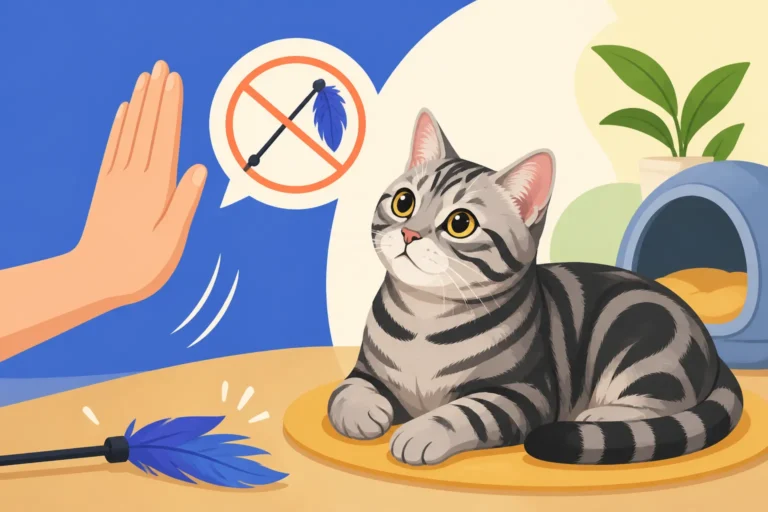
One of the most effective ways to satisfy an American Shorthair's hunting urge is through regular, structured play sessions that mimic the entire predatory sequence. This means more than just throwing a toy for them to bat around. You need to engage their stalk, chase, pounce, and "kill" instincts. Wand toys are excellent for this, especially those with feathers or soft, fur-like attachments. Drag the toy across the floor, hide it behind furniture, make it dart and freeze, simulating erratic prey movement. Let them chase, stalk, and eventually capture the "prey."
It's crucial that the play session ends with a successful "kill." If you're using a laser pointer, always finish the session by shining the dot onto a physical toy or treat that your cat can actually catch and "kill." This prevents frustration from endlessly chasing an uncatchable light. Ideally, these play sessions should happen daily, especially around their natural crepuscular activity times (dawn and dusk), to help them burn off energy and satisfy their primal urges. You can find a huge variety of quality wand toys and laser pointers on platforms like Amazon that will stand up to even the most determined hunter. Regular, satisfying play helps fulfill their need for How Much Simulated Hunting an American Shorthair Needs.
Environmental Enrichment: Beyond Toys
Beyond active play with you, creating an enriching environment that encourages independent "hunting" and exploration is vital. This can involve several strategies:
- Vertical Space: Cats feel safe and powerful when they can survey their territory from above. Cat trees, shelves, and window perches allow your American Shorthair to "patrol" their domain and spot potential "prey" (like birds outside or even family members moving around). Look for sturdy, tall cat trees on Amazon that can accommodate their solid, muscular build.
- Hiding Spots: Provide tunnels, cardboard boxes, and cozy hideaways. These serve as ambush points, allowing them to practice their stealth and surprise attacks on passing "prey" (toys or even your feet, playfully).
- Window Access: A secure window perch provides endless entertainment as they watch birds, squirrels, and insects. It’s a passive form of hunting, observing the world outside, and can be deeply satisfying for their inner predator. Ensure the window is always closed and secured if you're not supervising to prevent escapes.
- Interactive Toys: Toys that move on their own, dispense treats, or have various textures can keep them engaged when you're busy. Consider battery-operated toys that mimic mouse movements or balls that can be batted around. Which Toys Finish an American Shorthair's Hunt often vary by individual cat, so experiment.
By providing a stimulating environment, you empower your American Shorthair to engage their hunting instincts on their own schedule, reducing boredom and potential frustration.
Puzzle Feeders and Foraging
One of the biggest changes for an American Shorthair from its working ancestors is the lack of effort required to get food. Their ancestors had to hunt for every meal, a process that burned calories and engaged their minds. Modern house cats often have food readily available in a bowl, leading to a sedentary lifestyle and a disconnect from their natural foraging behaviors. Why Ending the Mousing Job Made the American Shorthair Heavy is directly related to this lack of activity.
Puzzle feeders are an excellent solution. These devices require your cat to use their brains and paws to extract kibble or treats, mimicking the challenge of finding and manipulating prey. This slows down their eating, prevents boredom, and provides mental stimulation. You can start with simple puzzle feeders and gradually introduce more complex ones. Hiding portions of their daily kibble ration around the house – on shelves, under blankets, in different rooms – encourages "foraging" and makes them "hunt" for their meals. This engages their senses of smell and sight, and provides a much-needed physical and mental workout. Whether a Puzzle Feeder Satisfies an American Shorthair is often a resounding yes, though some cats take longer to adapt. Companies like PetSafe offer a range of these products on Amazon that can make mealtime a true adventure. This helps your American Shorthair connect the act of hunting with the reward of eating, much like their ancestors did.
The Risks of Unfulfilled Instincts
When an American Shorthair's powerful hunting instincts aren't adequately met, it can lead to a range of behavioral and health issues that can be frustrating for you and detrimental to your cat's well-being. It's not about them being "bad"; it's about their needs not being understood or addressed.
Destructive Behaviors and Frustration
An American Shorthair with a high prey drive and nothing to hunt will often turn their energy toward less desirable targets. This can manifest as destructive behaviors around the house. They might shred toilet paper rolls, pull items off shelves, chew on plants, or scratch furniture with a vigor beyond mere claw conditioning. These aren't malicious acts; they're expressions of pent-up energy and frustration from an unmet biological need. The cat is simply finding something to "hunt" and "destroy," mimicking the way they would dispatch real prey.
Think of it like a human with a strong need for physical activity being confined to a small space without exercise. They would inevitably find ways to release that energy, even if it's pacing or fidgeting. For a cat, tearing apart a pillow or launching an attack on a curtain rod might be their subconscious attempt to engage their predatory instincts. These behaviors can be costly and annoying, but they serve as a clear signal that your American Shorthair needs more appropriate and engaging outlets for their natural drives.
Stress and Anxiety
Living with unfulfilled instincts can lead to chronic stress and anxiety in cats. While American Shorthairs are generally placid and resilient, a constant state of arousal with no satisfactory outlet can wear them down. They might become more vocal (excessive meowing), restless, or even withdrawn. Some cats may overgroom, pulling out their fur as a coping mechanism. Others might develop displacement behaviors, such as obsessive licking or chewing.
This stress isn't always obvious, especially in a stoic breed like the American Shorthair who might hide discomfort. But internally, the cat is experiencing a conflict between their powerful drive and the lack of opportunity to express it. This internal turmoil can manifest in subtle ways, making them less engaged, less affectionate, or simply "off." It's a quiet suffering that stems from a fundamental mismatch between their biological programming and their daily reality.
The Impact on Weight and Overall Health
Beyond behavioral issues, a lack of physical activity from unfulfilled hunting instincts has significant health repercussions. American Shorthairs are naturally muscular and robust, but they are also prone to weight gain if their calorie intake isn't balanced with their energy expenditure. When a cat no longer "hunts" for its food or engages in regular, vigorous play, it burns far fewer calories. How Few Calories an Indoor American Shorthair Burns can be a real wake-up call for owners.
This sedentary lifestyle, combined with free-feeding or overfeeding, often leads to obesity. Obesity in cats is a serious health concern, contributing to a myriad of problems including diabetes, arthritis, heart disease, and a shortened lifespan. What Extra Weight Does to an American Shorthair's Working Frame can be devastating, putting undue stress on their joints and internal organs. An overweight American Shorthair can struggle to groom themselves properly, leading to coat issues, and can even become lethargic and less interested in interaction. Fulfilling their hunting instinct through active play and foraging isn't just about mental enrichment; it's a critical component of their physical health and longevity.
| Type of "Prey" / Stimulation | Description | Benefits | Example |
|---|---|---|---|
| Small, Moving Objects | Things that skitter, roll, or fall unexpectedly. | Satisfies chase and pounce; sharpens reflexes. | Bottle caps, dropped pens, crumpled paper balls, hair ties (supervised). |
| Sound-Based Cues | Rustles, chirps, faint vibrations. | Engages hearing; encourages investigation and tracking. | Recorded bird sounds, crinkly balls, rustling paper bags (supervised). |
| Scent-Based Cues | Hidden food, novel odors. | Engages sense of smell; encourages foraging and exploration. | Hidden treats, puzzle feeders, catnip toys. |
| Human Body Parts | Wiggling toes, moving hands, walking ankles. | Direct interaction (can be negative if not redirected); signals need for play. | Using a wand toy instead of letting them pounce on your feet. |
| Vertical Space | High vantage points for observation. | Provides security, territory management, observation of "prey." | Cat trees, wall shelves, window perches. |
| Tunnels & Hiding Spots | Enclosed spaces for ambushing. | Allows for stealth, surprise attacks, and safe retreats. | Cardboard boxes, cat tunnels, covered beds. |
| Interactive Feeders | Devices requiring effort to get food. | Mental stimulation, slows eating, prevents boredom, mimics foraging. | Puzzle balls, slow-feeder bowls, treat-dispensing toys. |
Disclaimer
This article is for general informational purposes only and does not constitute professional advice. Laws, prices and regulations vary by location and change over time. Consult a qualified professional for guidance on your specific situation.