How Much Wildlife an American Shorthair Takes
It’s a natural concern for any cat parent, especially those of us with American Shorthairs who seem to have a deep-seated instinct for the hunt: what impact is my beloved feline having on the local wildlife? This guide dives deep into the reality of the American Shorthair's predatory nature and offers practical, empathetic ways to understand and manage their interactions with the natural world around us.
The American Shorthair's Deep-Seated Hunting Instinct
Let's be real, the American Shorthair isn't just a pretty face; they come from a long line of working cats. Their ancestors earned their keep by keeping vermin in check on farms and ships, a job they excelled at for centuries. This isn't just a quirky habit; it's a fundamental part of who they are, woven into their very DNA. Understanding this lineage is the first step to truly appreciating their behaviors, even the ones that might give us pause.
Centuries of Natural Selection
When we talk about the American Shorthair, we're talking about a breed whose very existence was shaped by natural selection for a specific purpose: pest control. These cats weren't bred for extreme looks or delicate temperaments; they were bred for function. Those who were the most adept hunters, the most resilient, and the most self-sufficient were the ones who thrived and passed on their genes. This history means that the drive to stalk, chase, and capture is incredibly strong, far more than in some other breeds developed purely for companionship or show. It's a testament to their heritage that they still possess such keen senses and athletic prowess. Why a Landrace Origin Explains the American Shorthair's Health discusses how their natural development contributed to their robust health, and similarly, it cemented their hunting prowess.
Imagine a cat whose survival literally depended on its ability to catch a mouse in a barn or a rat in the hold of a ship. These weren't pampered pets; they were essential workers. They had to be quick, intelligent, and persistent. This isn't something that breeding for pretty patterns has managed to erase entirely. Even the most laid-back American Shorthair likely has moments where a fluttering leaf or a scurrying insect will trigger that ancient instinct. It's truly fascinating to observe how these ancient drives manifest in our modern, often indoor, companions.
The Instinct Remains, Even Indoors
Many American Shorthair owners might breathe a sigh of relief, thinking, "My cat is indoors, so they can't hunt wildlife!" While it’s true that indoor cats generally have less opportunity to hunt live prey, the instinct to hunt remains incredibly strong. You’ll notice it in their intense focus on a dust bunny under the sofa, their lightning-fast pounces on a crinkly ball, or their laser-like gaze fixed on a fly buzzing near the window. This isn’t just play; it’s a direct expression of that hardwired prey drive. The American Shorthair Still Hunts, Whether You Want It To or Not really delves into this concept.
This means that even if your American Shorthair lives a cushy indoor life, they still need an outlet for these instincts. Without appropriate enrichment, they can become bored, destructive, or even stressed. They might stalk your ankles, "hunt" your feet under a blanket, or become overly focused on houseflies as if they were a field mouse. It’s crucial to understand that preventing outdoor access doesn't eliminate the drive; it simply redirects it. Recognizing this helps us provide better care for our cats, understanding their intrinsic needs rather than just their surface behaviors.
The Difference Between Hunger and Hunt
It’s a common misconception that cats hunt purely because they are hungry. While a truly starving cat will hunt for sustenance, well-fed American Shorthairs still engage in hunting behaviors. This is the difference between "appetitive behavior" (hunting for fun or instinct) and "consummatory behavior" (eating the kill). Our domesticated cats, especially those from working lineages, often hunt even when their bellies are full. It's a primal satisfaction, a deeply ingrained behavioral pattern that provides mental and physical stimulation.
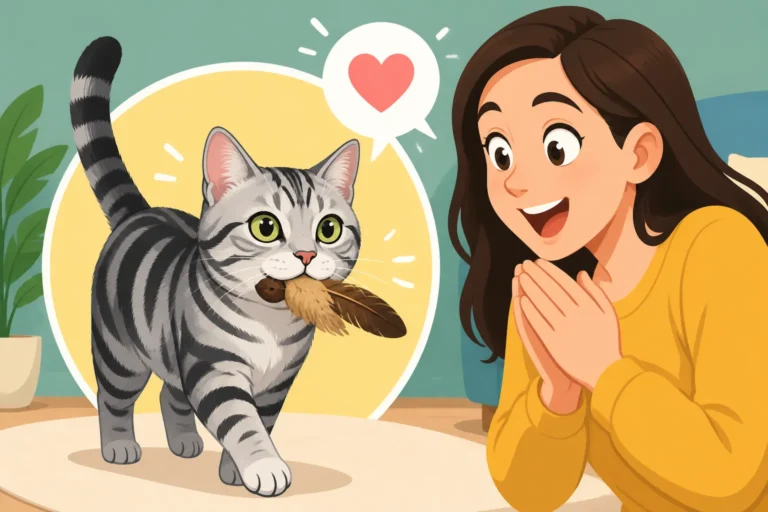
Think about it: your American Shorthair probably gets regular meals, perhaps from an automatic feeder you found on Amazon. Yet, give them a wand toy with feathers, and they transform into a stealthy predator, eyes wide, muscles tensed, utterly absorbed in the "chase." This is not about survival anymore; it's about the thrill of the hunt, the execution of a perfected sequence of behaviors. They stalk, pounce, capture, and often, 'kill' the toy, even if they have no intention of eating it. This is why What an American Shorthair Hunts When You Give It Nothing is such an important read – it highlights how they'll find something to hunt, even in the most sterile environments.
The Reality of an American Shorthair's Outdoor Hunt
When an American Shorthair is allowed outdoor access, their deep-seated hunting instincts kick into full gear. It’s no longer about chasing a toy; it’s about engaging with the real world, and that often includes local wildlife. The reality is, even a single outdoor cat can have a significant impact on local ecosystems, and understanding this impact is vital for responsible pet ownership.
Common Prey Species
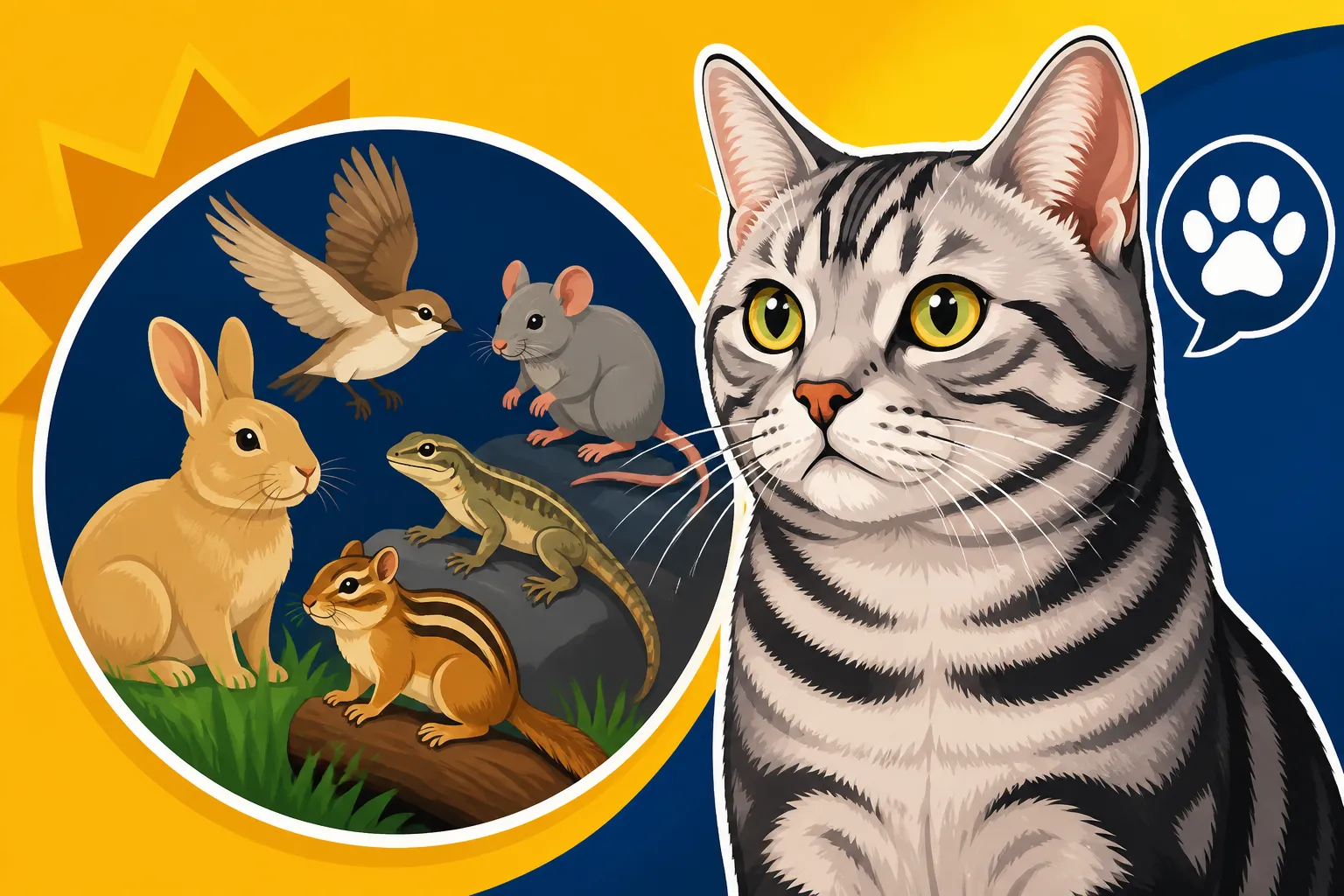
So, what kinds of creatures are most at risk from a roaming American Shorthair? Typically, cats are opportunistic hunters, meaning they’ll go for what’s easiest to catch. This usually means small, easily accessible prey. Birds are a huge target, especially fledglings or those distracted by feeders. Mice and voles are classic feline prey, as are various insects, lizards, and sometimes even small amphibians. The specific species your cat encounters will depend heavily on your local environment – whether you live in a dense urban area, a suburban neighborhood with lots of green space, or a more rural setting.
It's not just the successful hunts that matter; even unsuccessful chases cause stress to wildlife, particularly nesting birds. A mother bird might abandon her nest if a cat is a frequent presence, leading to the loss of an entire clutch of eggs or chicks. Imagine a fledgling sparrow, still learning to fly, encountering a sleek, silent American Shorthair. The outcome is often predictable and heartbreaking. This isn't to say your cat is malicious, but rather that their natural abilities are incredibly effective against vulnerable small animals. How Many Birds an Outdoor American Shorthair Takes explores this topic in more detail.
The Seasonal Impact
The impact of an American Shorthair's hunting isn't consistent throughout the year; it fluctuates with the seasons. Spring and early summer are often the most critical times for wildlife, as this is nesting season for birds and breeding season for many small mammals. Young, inexperienced animals, like fledglings just leaving the nest or baby mice venturing out for the first time, are particularly vulnerable targets. They haven't yet developed the evasive skills of their parents and are often slower and less cautious.
During these peak seasons, an American Shorthair who is usually quite adept might find hunting even easier due to the abundance of naive prey. Conversely, in the dead of winter, when food is scarce and wildlife is hunkered down, hunting opportunities might decrease, but the impact on individual animals can be even more severe. A single successful hunt in winter removes a vital food source for a wild predator, potentially having a ripple effect. This seasonal variation means that our awareness and management efforts might need to adapt throughout the year to best protect local fauna.
Urban vs. Rural Hunting Grounds
The amount and type of wildlife an American Shorthair takes can vary dramatically depending on whether they roam in an urban, suburban, or rural environment. In dense urban areas, the prey base might be limited to pigeons, sparrows, rats, and mice, often scavenging around human habitation. While these populations might be robust, the cat's hunting pressure can still impact local biodiversity, especially of songbirds.
Suburban environments, with their mix of gardens, parks, and natural corridors, can present a much richer hunting ground. Here, American Shorthairs might encounter a wider variety of birds, squirrels, rabbits, voles, and mice. The manicured lawns and shrubbery often provide ideal cover for both predator and prey, leading to more frequent encounters. In truly rural settings, the diversity of wildlife can be even greater, and the cat’s hunting range might expand significantly, potentially putting them in contact with ground-nesting birds or even smaller reptiles and amphibians. The "ease" of the hunt changes too; urban rats are savvy, but a rural field mouse is often far less wary.
| Environment Type | Typical Prey Examples | Hunting Opportunities | Potential Impact |
|---|---|---|---|
| Urban | Pigeons, Sparrows, Rats, Mice | Moderate | Pressure on city-adapted species |
| Suburban | Songbirds, Mice, Voles, Squirrels, Rabbits, Lizards | High | Significant impact on local biodiversity |
| Rural | Field Mice, Voles, Shrews, Ground Birds, Snakes, Frogs | Very High | Disruption of natural predator-prey dynamics |
Factors Influencing an American Shorthair's Prey Drive
Not every American Shorthair is a super hunter, even with the same genetic predispositions. There are several factors that can amplify or dampen their natural prey drive, making some cats more prolific hunters than others. It's rarely just one thing, but a combination of their innate personality, their early life experiences, and the environment they find themselves in.
Individual Personality and Early Exposure
Just like people, every American Shorthair has a unique personality. Some are naturally more bold and adventurous, while others are more cautious and reserved. A bolder cat might be more inclined to explore and seek out hunting opportunities. Beyond inherent personality, early exposure plays a huge role. Kittens who observe their mothers hunting and catching prey, or who are introduced to active play with "prey-like" toys from a young age, often develop a stronger and more refined hunting sequence. How an American Shorthair Kitten Learns to Hunt highlights the importance of this developmental stage.
Conversely, a kitten raised entirely indoors with minimal stimulation might still have the instinct, but it might not be as finely honed or as urgent. They might be less effective hunters simply due to lack of practice and understanding of the full hunting sequence. However, don't mistake lack of experience for lack of drive; give them the opportunity, and many will quickly tap into those ancestral skills. This is why observing your individual cat and understanding their unique blend of nature and nurture is so important.
Environmental Stimulation and Opportunity
The environment an American Shorthair lives in directly influences their hunting behavior. For outdoor cats, the more accessible wildlife and varied terrain there is, the more opportunities they have to hunt. A garden with dense bushes, tall grasses, and bird feeders will present far more hunting opportunities than a paved backyard. Factors like local rodent populations or bird nesting habits directly correlate with a cat's potential hunting success.
For indoor cats, the type and quality of environmental enrichment they receive significantly impact how they express their prey drive. If an indoor American Shorthair has plenty of interactive toys, climbing structures, and regular play sessions that mimic hunting, they are less likely to become frustrated or seek out less appropriate "prey" indoors. Without this stimulation, they might become more fixated on potential outdoor prey if they get the chance, as they have an unmet need for that intrinsic behavior. Think about providing vertical spaces, like cat trees or shelves, which mimic vantage points from which they would naturally observe prey. How High an American Shorthair Needs to Get can give you some ideas for enriching their indoor environment.
Diet and Feeding Regimen
While we established that cats don't only hunt when hungry, diet and feeding regimen can still influence their overall energy levels and motivation. A cat fed a high-quality, protein-rich diet that meets all their nutritional needs is generally healthier and has more sustained energy for activities, including hunting. A cat who is underfed or eating a poor-quality diet might be more driven by true hunger, or might lack the energy to hunt effectively, leading to different outcomes.
The way you feed your American Shorthair can also play a role. Free-feeding, where food is left out all day, means the cat never experiences true hunger. While this doesn't eliminate the hunting instinct, it does separate it further from the need for sustenance. Portion feeding or using puzzle feeders, particularly those found on sites like Amazon that encourage interaction, can actually tap into their foraging instincts and provide a form of "work" for their food, potentially satisfying some of that intrinsic drive in a safe way. Feeding an American Shorthair That No Longer Hunts Its Food covers various feeding strategies.
Mitigating Your American Shorthair's Impact on Wildlife
Recognizing the American Shorthair's natural hunting prowess is one thing; deciding how to manage it in a way that protects both your cat and local wildlife is another. This can be a tricky balance, as we all want our cats to be happy and fulfilled, but also to be responsible members of the wider community.
The Case for Indoor or Controlled Outdoor Access
The most effective way to protect local wildlife from your American Shorthair is to keep them indoors, or to provide highly controlled outdoor access. An indoor-only lifestyle completely removes the opportunity for your cat to hunt birds, small mammals, and other creatures. It also protects your American Shorthair from a host of outdoor dangers, like traffic, fights with other animals, parasites, and exposure to diseases. The Risks an Outdoor American Shorthair Takes That an Indoor One Does Not lays out many of these dangers clearly.
If indoor-only isn't feasible or desired, then controlled outdoor access is the next best option. This can involve leash training and supervised walks, allowing them to explore a safe, contained space like a catio, or even only letting them out during specific times of day when wildlife is less active (though this is difficult to perfectly gauge). Many people find that a well-designed catio, perhaps with stimulating elements purchased from Amazon, provides a perfect compromise, allowing their American Shorthair to enjoy fresh air and sights without endangering local fauna. Whether a Catio Satisfies an American Shorthair's Drive is a good resource for exploring this option.
Enrichment and Structured Play as Alternatives
If your American Shorthair is kept indoors, providing ample mental and physical enrichment is absolutely crucial to keeping them happy and preventing behavioral issues. This means daily, structured play sessions that mimic the hunting sequence. Use wand toys with feathers or small plush animals to simulate prey, allowing your cat to stalk, chase, pounce, and "capture" the toy. Crucially, let them catch the toy at the end of the session to provide that satisfying conclusion to the hunt.
Varying toys and play routines prevents boredom. Rotate toys regularly, offer puzzle feeders, and create vertical spaces for climbing and observation. A cat tree that allows them to survey their "territory" from a height, like a hunter spotting prey, can be incredibly satisfying. Without these outlets, that powerful prey drive can lead to frustration and destructive behaviors, or an intense focus on any insect that dares enter the house. Remember, these are intelligent, active cats, and their minds and bodies need to be engaged. How Much Simulated Hunting an American Shorthair Needs is essential reading for new and experienced owners alike.
Bell Collars and Other Deterrents
Many owners consider bell collars as a way to reduce their cat's hunting success. The idea is that the bell's sound will alert prey, giving them time to escape. While bell collars can have some effect, they are not a foolproof solution. Agile and experienced hunters can learn to move in a way that minimizes the bell's sound, and some prey, like very young birds, might not react quickly enough. There's also the risk of the collar getting snagged, which can be dangerous for your cat. Ensure any collar is a quick-release safety collar.
Other deterrents like brightly colored "BirdsBeSafe" collars (a specific type of collar with a bright, scrunchie-like material) aim to make cats more visible to birds, giving them a better chance to escape. These can be more effective than bells alone, but again, they are not 100% guaranteed. Ultimately, these are tools to reduce impact, not eliminate it. The most effective method remains limiting direct access to wildlife through indoor living or controlled environments.
Supporting Your American Shorthair's Natural Instincts Safely
Our goal isn't to extinguish the American Shorthair's natural instincts, but to channel them into safe, appropriate outlets that benefit both the cat and the wider environment. This involves creative thinking, consistent effort, and a deep understanding of what makes your American Shorthair tick.
Appropriate Toys and Interactive Play
Choosing the right toys is paramount for an American Shorthair. Their hunting style often involves stalking, pouncing, and a strong "kill bite." Toys that mimic small prey animals are ideal – think feather wands, small plush mice, and crinkly balls. Interactive play with a wand toy is especially effective because you are controlling the "prey," allowing for realistic movements like darting, hiding, and sudden appearances. This engages their natural sequence of hunting behavior from start to finish.
Remember to let your cat "win" and catch the toy multiple times during a session. This provides mental satisfaction and prevents frustration. After a good play session, many American Shorthairs will feel content and sleepy, having expended their hunting energy. Investing in a variety of high-quality toys, easily found on platforms like Amazon, and rotating them regularly will keep your cat engaged and prevent boredom. This not only satisfies their prey drive but also strengthens the bond between you and your feline companion. Which Wand Toy Reads as Prey to an American Shorthair offers great insights into effective toy choices.
Harness Training and Catios
For those who want their American Shorthair to experience the outdoors safely, harness training and catios are fantastic options. Harness training allows you to take your cat for supervised walks in a controlled environment. Not all American Shorthairs will take to a harness readily, but with patience and positive reinforcement, many can learn to enjoy short excursions. Start with very brief periods indoors, gradually increasing the time and introducing them to the outdoors slowly. Ensure the harness is snug and secure, preventing any daring escapes.
Catios, on the other hand, offer a permanently safe outdoor space. These enclosed structures can range from small window boxes to elaborate multi-level enclosures with climbing platforms and scratching posts. A well-designed catio provides fresh air, sunshine, and sensory stimulation (like watching birds from a safe distance) without posing a threat to local wildlife. It allows your American Shorthair to observe the world, feel the breeze, and perhaps even chase a leaf, all within a secure perimeter. This way, they get to engage with nature in a low-impact way.
Mental Stimulation and Puzzle Feeders
Beyond physical play, mental stimulation is vital for an intelligent breed like the American Shorthair. Puzzle feeders are an excellent way to engage their problem-solving skills and replicate the "work" of hunting for food. Instead of simply eating from a bowl, they have to manipulate the feeder to release kibble or treats, slowing down their eating and providing mental exercise. There are many different types of puzzle feeders available, from simple treat balls to more complex mazes, often available through retailers like Amazon.
You can also hide portions of their daily food allowance around the house, encouraging them to "hunt" for their meals. This engages their scent and tracking abilities and adds an element of exploration to their day. This kind of enrichment helps to satisfy their intrinsic need for activity and purpose, reducing the likelihood of boredom-driven or undirected hunting behaviors. A mentally stimulated cat is a happier, more well-adjusted cat, and a better neighbor to your local wildlife. Whether a Puzzle Feeder Satisfies an American Shorthair provides a deeper dive into this beneficial practice.
Disclaimer
This article is for general informational purposes only and does not constitute professional advice. Laws, prices and regulations vary by location and change over time. Consult a qualified professional for guidance on your specific situation.