Why an American Shorthair Was Never Bred to Need You
Many cat owners envision a feline companion constantly vying for their attention, rubbing against their legs, or demanding lap time at every turn. It's easy to fall into the trap of thinking all cats operate on this wavelength. However, if you're an American Shorthair owner, or considering becoming one, you'll quickly discover a profound difference: this breed was fundamentally never bred to need you in the demanding way some other breeds might. This guide dives deep into the historical reasons behind their remarkable independence and what that means for your life together.
The Roots of Independence: A Working Cat's Legacy
To truly understand the American Shorthair's independent spirit, we have to travel back in time, long before they were recognized as a distinct pedigree breed. Their history is etched in practicality and survival, not companionship.
Ancestral Purpose: Ships' Cats and Barn Patrols
The ancestors of today's American Shorthair weren't pampered pets; they were essential working animals. They journeyed across oceans on ships, their primary job to control rodent populations that threatened food supplies and ship integrity. Imagine a cat on a ship: it had to be resourceful, self-sufficient, and capable of fending for itself in a challenging, ever-changing environment. There wasn't a human hand there to provide every meal or offer constant comfort. They learned to hunt, to find shelter, and to rely on their own instincts.
Upon arriving in the New World, these cats transitioned from ship-dwellers to farm and household protectors. Across North America, they continued their vital work, safeguarding crops and homes from mice, rats, and other pests. A farm cat, much like a ship's cat, couldn't afford to be needy or overly dependent. It had to be alert, physically capable, and mentally sharp. Its survival, and the success of its job, hinged on its ability to operate independently. This constant demand for self-reliance, stretching back centuries, naturally selected for traits that prioritized independence and problem-solving over seeking human interaction. They weren't bred for human adulation; they were bred for utility. This stands in stark contrast to many modern breeds, which were specifically developed over generations to be lap warmers or decorative companions.
Survival of the Fittest: Traits that Favored Independence
The environment in which the American Shorthair's ancestors thrived naturally selected for specific traits that reinforced their self-sufficient nature. These weren't traits imposed by a breeder's selective hand, but rather a natural evolution based on their functional role.
Their intelligence developed around practical problem-solving – how to catch a tricky mouse, how to navigate a busy barn, where to find a warm, safe spot. Resourcefulness became paramount; they learned to make do with what was available, whether it was a small hiding spot or a meager meal. This inherent resourcefulness translates today into a cat that isn't easily bored and can often create its own entertainment, reducing the constant demand for human-led play sessions. You might notice them batting a stray dust bunny around or meticulously "hunting" a sunbeam across the floor, perfectly content.
Furthermore, a quiet nature was a significant advantage. A boisterous, constantly meowing cat might alert prey or draw unwanted attention in a working environment. Thus, the American Shorthair evolved to be less vocal, preferring subtle communication to incessant demands. They don't often "talk" to you for the sake of it, and if they do vocalize, it's usually with a purpose – perhaps a soft chirp to greet you or a brief meow if the food bowl is truly empty. This doesn't mean they're mute, but their communication style is generally understated, reflecting their history of quiet observation and independent action. They learned to achieve their goals with minimal human intervention, making them far less inclined to pester for attention.
From Working Cat to Household Companion: Adapting Without Losing Self-Reliance
The transition from a full-time working cat to a beloved household companion is a fascinating journey for the American Shorthair. While their job description changed dramatically, their core nature remained largely intact.
The Transition to Indoor Life
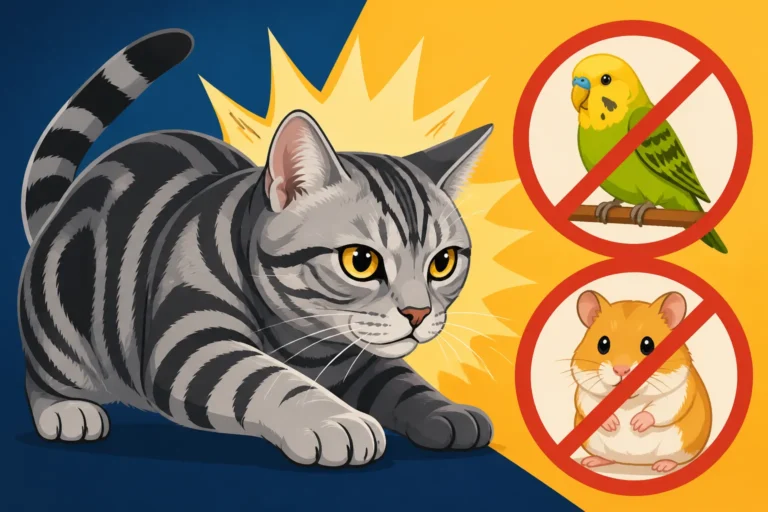
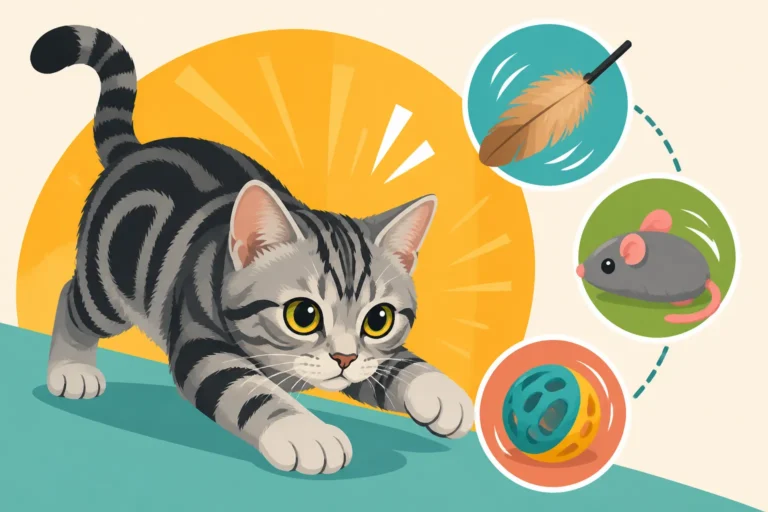
Moving from the rugged outdoor life of a farm or ship to the cozy confines of a modern home removed the immediate need for survival skills like constant hunting or fending off rivals. However, this didn't erase centuries of ingrained instincts. The American Shorthair still possesses that intrinsic drive for exploration, observation, and a simulated hunt. You'll find that The American Shorthair Still Hunts, Whether You Want It To or Not, even if their "prey" is now a crinkly ball or a laser dot.
The challenge for owners is to understand that while the environment has changed, the cat itself hasn't forgotten its heritage. This means an American Shorthair can sometimes appear restless or even destructive if their natural drives aren't adequately met. They might not need to hunt for food anymore, but the act of hunting is still deeply satisfying and necessary for their mental well-being. This isn't a sign of needing constant human attention to entertain them, but rather needing an environment that allows them to express their natural behaviors independently. Providing appropriate outlets is key to a happy, well-adjusted American Shorthair, even in a home setting.
Maintaining Independence in a Human Home
One of the most defining characteristics of an American Shorthair in a domestic setting is their unique approach to interaction. They aren't aloof, but they certainly aren't clingy. They will often choose when they want to interact with you, rather than constantly seeking it out. This means they are perfectly content to entertain themselves for long stretches, whether it's gazing out a window, napping in a sunbeam, or meticulously grooming their hard, protective coat.
Their independence means they thrive on a bond built on mutual respect. They appreciate companionship, but they don't demand constant engagement. If you're looking for a cat that will shadow your every move, interrupt your work with insistent purrs, or constantly climb into your lap, an American Shorthair might surprise you with its more reserved demeanor. They're in the room, they're aware of you, and they might even come over for a brief head rub, but then they'll often return to their own pursuits. This isn't a sign of disinterest; it's a reflection of their self-sufficient nature. They simply don't need your constant validation or attention to feel secure and happy, which is a wonderful trait for busy individuals or families.
How Their Self-Sufficiency Shapes Daily Interactions
Understanding the American Shorthair's independent nature can completely reshape your expectations for daily life with your feline friend. It's not about them loving you less; it's about them expressing that love and companionship in a distinct, less demanding way.
Quiet Companionship vs. Constant Demands
Unlike some breeds that might weave around your legs with insistent meows or leap onto your lap for immediate cuddles, the American Shorthair often prefers a more subtle form of companionship. They are the masters of the "adjacent" affection. You'll frequently find them in the same room as you, perhaps curled up on a nearby chair, perched on a windowsill, or simply stretched out on the floor a few feet away. They are content just being in your presence, observing the household activity, and feeling connected without needing to be physically attached. This is why Why a Working Bred American Shorthair Sits Beside You Rather Than On You is such a common observation among owners.
Their vocalizations are generally infrequent and purposeful. They might offer a soft chirp to greet you at the door, a low rumble of a purr when you finally offer a scratch behind the ears, or a brief, polite meow when their dinner time approaches. They aren't prone to the dramatic, attention-seeking cries some other breeds might employ. This quiet demeanor is a direct echo of their past, where silence was often a survival advantage. They learned to communicate needs efficiently and without fuss, a trait that makes them wonderfully unobtrusive companions in a busy home.
Managing an Independent Hunter's Needs
Even though your American Shorthair likely hasn't caught a real mouse in years, that deep-seated hunting drive remains incredibly strong. Their independence means they don't need you to be their sole source of entertainment, but they do need appropriate outlets for those natural instincts. Neglecting this aspect can lead to boredom, which, for an intelligent and resourceful cat, can sometimes manifest as unwanted behaviors.
This is where thoughtful enrichment comes in. Puzzle feeders, for example, are fantastic for engaging their minds and mimicking the effort of a hunt for food. Instead of simply eating from a bowl, they have to "work" for their meal, which is incredibly satisfying for their innate drive. You can find a great selection of these on Amazon, designed to challenge cats of all skill levels. Interactive toys, especially wand toys with feather attachments, are also crucial. These allow you to simulate the entire hunting sequence: stalk, chase, pounce, and catch. Remember, for an American Shorthair, the "catch" is vital for truly finishing the hunting sequence and preventing frustration. Without these outlets, you might find them "hunting" your ankles or other household items, simply because What an Indoor American Shorthair Does With a Mouser's Instinct is too powerful to ignore. They can be quite adept at finding their own fun, but guided, purposeful play from you will keep them happier and healthier.
The American Shorthair in Diverse Households
The American Shorthair's inherent independence makes them remarkably adaptable and suitable for a wide range of living situations that might challenge more needy or sensitive breeds.
Compatibility with Busy Lifestyles
For many people, modern life involves long workdays, occasional travel, and a schedule that doesn't always allow for constant interaction with a pet. This is where the American Shorthair truly shines. Their self-reliant nature means they cope exceptionally well with periods of solitude. They're not the type of cat to pine away or develop separation anxiety when you're out of the house for eight or nine hours. They're perfectly capable of occupying themselves, napping, watching the world go by from a window perch, or engaging with their toys.
This independence is a huge relief for owners who might feel guilty leaving a more demanding breed alone. With an American Shorthair, you can trust that they'll manage their day without constant human intervention. Of course, this doesn't mean they don't appreciate your return! They'll often greet you with a subtle acknowledgement – perhaps a head bump, a quiet purr, or simply appearing in the same room. Their ability to manage alone is a testament to their long history of self-sufficiency. As such, understanding How Long an American Shorthair Copes Alone in the Day is key to a harmonious relationship.
Children, Other Pets, and Noise
Another incredible advantage of the American Shorthair's background is their remarkable tolerance. Having spent generations in busy, often noisy environments like ships or bustling farms, they developed a placid temperament. They weren't bred to be high-strung or easily spooked. This means they tend to take household commotion, children's boisterous play, or the presence of other pets (including well-behaved dogs) in stride. They’re usually calm and collected, preferring to assess a situation before reacting.
If a child gets too rambunctious, an American Shorthair is far more likely to simply walk away and find a quiet corner than to lash out. This makes them excellent family pets, as they rarely lose their cool. An American Shorthair With Children, Dogs and Noise highlights their easygoing nature. When introducing them to new situations or other animals, they tend to observe first, then slowly acclimate. They're not generally territorial in an aggressive way, preferring to establish their personal space and coexist peacefully. Their ability to retreat and self-regulate is a powerful survival mechanism that translates beautifully into a harmonious multi-pet or family household.
Understanding Their Affection: Not Less, Just Different
Some people might misinterpret the American Shorthair's independence as aloofness or a lack of affection. This couldn't be further from the truth. Their love and companionship are simply expressed in a way that respects boundaries and cherishes genuine connection over constant physical presence.
Subtle Gestures of Love
Because they don't overtly demand attention, the affection of an American Shorthair can sometimes be overlooked by those accustomed to more demonstrative cats. However, once you learn their language, you'll see that their love is deep and true. It's often expressed through subtle, heartwarming gestures. A slow blink from across the room is a deep sign of trust and contentment. A gentle head-butt against your leg as you walk by is an invitation for a quick pet. The choice to nap on the foot of your bed, rather than on your chest, is still an act of companionship – they want to be near you.
They will often seek out brief moments of physical contact, rubbing against your hand or winding through your legs, but then they'll move on to their next independent pursuit. These brief, voluntary interactions often feel more meaningful precisely because they are initiated by the cat, on their own terms. It’s a quiet affirmation of their bond with you, devoid of any neediness or desperation. They truly seem to appreciate the quality of the interaction over the quantity.
Respecting Their Boundaries
A crucial aspect of building a strong bond with an American Shorthair is understanding and respecting their need for personal space. Because they were never bred to be constantly handled or cuddled, they often have firm boundaries about physical interaction. They will come to you when they want attention, and it's best to let them set the pace. Trying to force affection, such as picking them up when they don't want to be, can be counterproductive and damage the trust between you. How Much an American Shorthair Likes Being Picked Up varies from cat to cat, but generally, they prefer to keep their four paws on solid ground unless they initiate the snuggle.
When they approach you for a pet, responding gently and allowing them to dictate the duration of the interaction reinforces that you understand and respect them. This builds a deeper, more trusting relationship where they feel safe to express their affection without fear of being overwhelmed. Over time, your American Shorthair will learn that you are a source of comfort and gentle attention, and they will seek it out willingly, cementing a bond that is both strong and uniquely independent.
Practical Implications for American Shorthair Owners
Living with an American Shorthair is a rewarding experience, especially when you understand and cater to their innate independence. It means thinking a little differently about how you provide enrichment and manage their daily lives.
Enrichment Strategies for the Self-Sufficient Cat
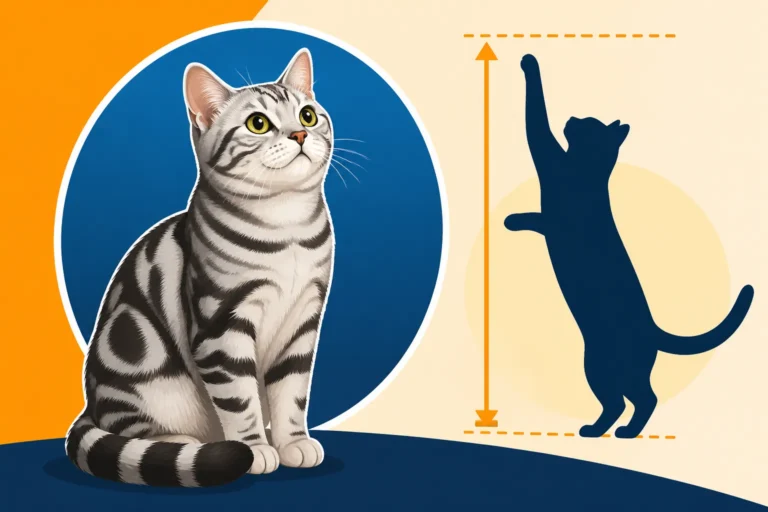
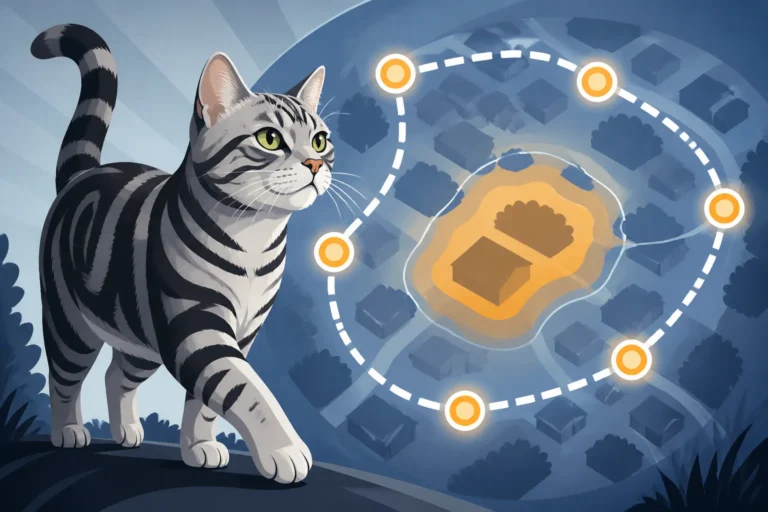
While American Shorthairs are self-sufficient, they still need an engaging environment to thrive. Their historical role as hunters means they benefit immensely from opportunities to express those behaviors safely indoors. Vertical space is incredibly important; they love to observe their territory from a high vantage point. Consider sturdy cat trees, wall-mounted shelves, or window perches that offer a good view of the outdoors. These allow them to "patrol" their home, satisfying that inherent need for oversight. You can find many excellent options on Amazon that are robust enough for their solid build.
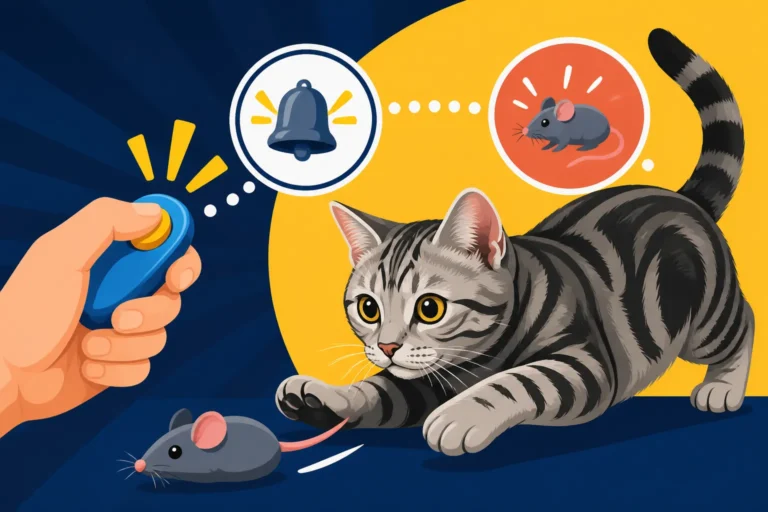
Beyond vertical space, regular, focused play sessions that simulate the hunt are essential. Think about wand toys with various attachments – feathers, crinkly balls, or even small stuffed "mice." The key is to make the toy move like prey, with pauses, quick dashes, and hiding moments. Crucially, allow your American Shorthair to "catch" the prey at the end of the session. This fulfills their natural hunting sequence and prevents frustration. Play That Finishes the Hunting Sequence for an American Shorthair is not just fun; it's a vital part of their mental and physical health. Without these outlets, their independent nature can lead to boredom, and a bored cat can sometimes find its own (less desirable) forms of entertainment.
Preparing for Time Alone
One of the great advantages of an American Shorthair is their capacity to cope with being alone. This makes them an excellent choice for individuals or families with busy schedules. However, "coping" doesn't mean "neglecting." It's still vital to ensure they have everything they need to be comfortable and safe during your absence. Always make sure they have access to fresh water (a water fountain from Amazon can encourage drinking, especially if you have a male cat prone to urinary issues), ample food, and clean litter boxes.
For longer absences, like a weekend trip, an automatic feeder can be a lifesaver, ensuring they receive their meals on schedule. While they are independent, routine still matters to them. If you're going to be away for more than a day or two, consider having a trusted friend or professional pet sitter check in on them. While they may not demand constant human interaction, a familiar face to top up food, scoop the litter, and perhaps offer a brief play session can make a big difference. This support ensures that even though Why a Self Reliant American Shorthair Rarely Panics Alone is true, their basic needs and sense of security are still met.
Early Socialization and Continued Trust-Building
Even for an independent breed like the American Shorthair, early socialization plays a significant role in shaping their temperament. Kittens who have positive, gentle interactions with humans during their formative weeks are more likely to grow into well-adjusted, confident adults. Responsible breeders understand this and ensure their kittens are handled regularly and exposed to various sights and sounds.
As an owner, continuing this process by offering gentle, positive interactions, respecting their boundaries, and building trust through consistency will strengthen your bond. An American Shorthair might not rush up to every stranger, but they will observe. Their tendency to "assess before approaching" means they take their time to weigh up new people or situations. When they eventually choose to engage, it's a sign of trust. Why an American Shorthair Assesses Before It Approaches is a trait that speaks to their cautious intelligence. This isn't a cat that will blindly trust; they earn trust through observation and positive experiences.
A Snapshot of Companionship: Demanding vs. American Shorthair Traits
Let's summarize some key differences between typically more demanding cat breeds and the characteristic independence of the American Shorthair.
| Trait | Typically More Demanding Breeds | American Shorthair Traits |
|---|---|---|
| Vocalization | Frequent, loud, insistent meows for attention | Generally quiet, purposeful chirps or soft meows |
| Physical Affection | Often seeks lap time, constant petting, being held | Prefers proximity, occasional head rubs, chooses interaction |
| Tolerance of Solitude | May show signs of separation anxiety, destructive behavior | Copes well with long periods alone, self-entertaining |
| Play Drive | Often requires human-led play for stimulation | Engages in independent play, but benefits from simulated hunts |
| Reaction to Noise | Can be easily startled, prone to hiding | Placid, observes commotion, retreats if overwhelmed |
| Approach to Strangers | May be shy or overly friendly, seeks immediate attention | Observant, assesses situation, approaches on own terms |
| Training | Responds well to praise, food motivation | Motivated by prey-like rewards, less by effusive praise |
The American Shorthair offers a unique form of companionship. They aren't going to be your shadow or your constant demands on your lap. Instead, they offer a quiet, dignified presence, content to share your space and offer affection on their own terms. It's a relationship built on mutual respect and an appreciation for a truly independent spirit that understands the value of both solitude and connection. They don't need you, but they choose you, and that's a profound difference that makes them incredibly special.
Disclaimer
This article is for general informational purposes only and does not constitute professional advice. Laws, prices and regulations vary by location and change over time. Consult a qualified professional for guidance on your specific situation.