How Far an American Shorthair Roams
It’s a natural concern for any cat parent, wondering just how far their beloved feline might wander if given the chance. Whether you have an indoor-only American Shorthair who eyes the door with curiosity, or an outdoor explorer who disappears for hours, the question of their roaming range can bring a knot to your stomach. This guide aims to demystify the American Shorthair's travel habits, exploring the deeply rooted instincts that drive them, the practical factors that influence their adventures, and most importantly, how to keep your furry friend safe, happy, and close to home.
The Inherited Instinct to Explore and Hunt
Our American Shorthairs, despite their cozy lives on our sofas, carry a rich lineage of independent, working cats. Their ancestors weren't bred for fancy looks or delicate dispositions; they were valued for their prowess in pest control, whether on ships crossing oceans or in barns protecting harvests. This history means they come hardwired with a powerful drive to explore, patrol, and, yes, hunt.
Tracing Their Ancestral Routes
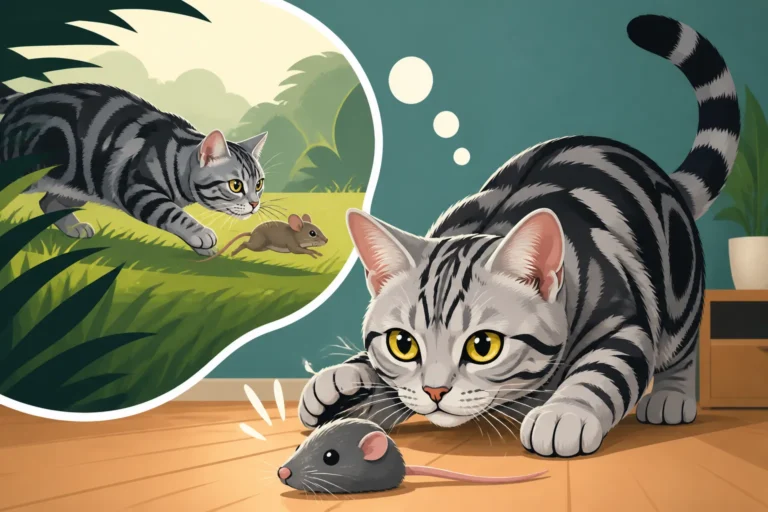
Imagine those early American Shorthair ancestors, robust and resourceful, tasked with keeping ships clear of rodents during long voyages. They weren't just passengers; they were crew members with a vital job. Upon landing, these same traits made them indispensable on farms and in burgeoning settlements. Their survival depended on their ability to survey territory, identify potential threats, and, most importantly, find food. This isn't just ancient history; these instincts are still very much alive in your cat today. It’s why you might still see them intently watching a fly or "stalking" a dust bunny with such focused intent. Centuries of this kind of life left an indelible mark. This deep-seated drive means that given the opportunity, an American Shorthair will naturally want to investigate its surroundings, map out its territory, and keep an eye out for anything interesting – which to them often means potential prey. You can learn more about this in Why Centuries of Ratting Left the American Shorthair Its Drive.
Territorial Imperatives
Every cat, even the most domesticated house cat, operates within a defined territory. For an indoor American Shorthair, this territory is your home. They have their favorite sleeping spots, their designated feeding areas, and their "patrol routes" which might involve a quick dash down the hallway or a leap onto a high shelf. For an outdoor American Shorthair, that territory expands significantly. They are driven to establish and maintain their personal domain, marking it with scent glands, patrolling its borders, and actively investigating any changes or intrusions. This isn't about being mean; it's about security and resource management from a cat's perspective. They want to know where the food is, where the safe spots are, and where other cats might be lurking. This need to survey and protect their turf is a primary motivator for roaming. An American Shorthair will spend a good portion of its day monitoring its environment, a behavior that translates to covering ground outdoors. How an American Shorthair Splits Its Day Between Patrol and Sleep goes into more detail about how they manage their daily routines.
Key Factors Influencing Roaming Distance
While instinct provides the baseline, several practical elements can significantly expand or contract the typical roaming range of an American Shorthair. It’s not a one-size-fits-all answer, and your cat’s unique circumstances play a huge role.
Age and Activity Level
Just like humans, cats change their habits as they age. A curious American Shorthair kitten, once it gains confidence, might explore a wider radius around your home, driven by boundless energy and a need to learn about its world. However, their physical limitations usually keep these early excursions relatively short. Adolescent American Shorthairs, often from about six months to two years, tend to be the most adventurous. They're strong, agile, and have a burgeoning independence. This is often the period when they push boundaries the most, venturing further afield. As an American Shorthair matures and especially as it enters its senior years, its roaming range typically shrinks. A cat past twelve years old might prefer sticking close to the immediate vicinity of your house, seeking comfort and familiar scents rather than new adventures. Their energy levels naturally decline, and joint discomfort might make long treks less appealing. Caring for an American Shorthair Past Twelve touches on these changes.
Sex and Reproductive Status
Perhaps one of the most significant factors in how far an American Shorthair will roam is whether they are spayed or neutered. This biological difference creates a stark contrast in behavior.
- Intact Males: Unneutered male American Shorthairs are champions of long-distance travel. Driven by hormones and the undeniable urge to find a mate, they can cover vast distances, often several miles, in search of a receptive female. This is why intact male cats are at such high risk for traffic accidents and fights with other males; their reproductive drive overrides many self-preservation instincts. They'll follow scent trails for days if necessary.
- Intact Females: While not as widely roaming as intact males, unspayed female American Shorthairs will also expand their territory significantly when they are in heat. Their goal is to make themselves known to potential suitors, and they may wander from their usual area to seek out males. Once bred, their focus shifts, and they tend to stay closer to home to prepare for kittens.
- Neutered/Spayed Cats: Both neutered males and spayed females have a dramatically reduced roaming instinct. Without the hormonal drive to reproduce, their territory becomes much more about resources (food, shelter, safety) and less about finding a partner. Their roaming radius is typically much smaller, often just within a few hundred feet of their home, making them much safer outdoor companions if they are allowed outside.
Temperament and Personality
Even within the generally placid and adaptable American Shorthair breed, individual personalities shine through, influencing their roaming habits. Some American Shorthairs are inherently more bold and curious, natural explorers who love to investigate every nook and cranny. These cats might consistently push the boundaries of their territory, driven by an insatiable inquisitiveness. They are the ones who will climb the highest tree, squeeze through the tightest fence, or be the first to investigate a new scent. On the other hand, many American Shorthairs are quite content to be homebodies. They might enjoy a romp in the yard but prefer to stay within familiar, comfortable surroundings. These cats might have a perfectly adequate outdoor territory, but they aren't driven to push its limits. Their patrols are often more about routine and marking known safe spots than seeking out new adventures. This can also be tied to their early experiences; a cat that had a frightening experience outdoors might become more hesitant to roam far.
Environmental Influences
The physical environment where your American Shorthair lives also plays a crucial role in how far they roam.
- Rural Settings: Cats in rural areas often have much larger roaming ranges. There are fewer immediate dangers like heavy traffic (though farm machinery and wildlife pose other threats), and abundant natural resources like fields, barns, and wooded areas offer plenty of opportunities for hunting and exploration. It's not uncommon for a rural American Shorthair to cover several acres or even travel a mile or more on its daily rounds.
- Suburban Areas: In suburban neighborhoods, the roaming range tends to be more constrained. While there might still be open spaces and yards, the presence of more houses, fences, other pets, and, crucially, vehicle traffic, naturally limits how far a cat might comfortably or safely venture. They often establish a territory that spans a few neighboring yards.
- Urban Environments: Urban American Shorthairs, especially those in densely populated areas, typically have the smallest roaming ranges. The high density of traffic, lack of natural cover, and prevalence of human activity often restrict their outdoor excursions to a small yard, if they even go out at all. The risks are simply too high for extensive travel.
The Very Real Dangers of Extensive Roaming
While the idea of a free-roaming cat might evoke images of independent, happy hunters, the reality is often far more perilous. For an American Shorthair, venturing far from home brings a host of serious risks that can drastically shorten their lifespan and compromise their well-being.
Traffic and Other Animals
This is perhaps the most immediate and heartbreaking danger for outdoor cats. Cars pose an ever-present threat, particularly in suburban and urban areas where traffic is heavy and speeds can be high. A cat, no matter how quick, can be unpredictable and may not perceive a moving vehicle as a danger until it's too late. The number of cats injured or killed by vehicles is tragically high. It's a stark reality that How Road Traffic Shortens an Outdoor American Shorthair's Life discusses in detail.
Beyond the asphalt, interactions with other animals are a constant concern. Fights with other cats are common, leading to painful bite wounds and abscesses. These wounds, if left untreated, can become serious infections. Your American Shorthair might also encounter dogs, either friendly or aggressive, leading to chases, injuries, or worse. And let's not forget wildlife; while American Shorthairs are capable hunters, they can also become prey themselves, especially to larger predators like coyotes, foxes, or even large birds of prey in some regions.
Illness and Injury
The great outdoors, while stimulating, is also a breeding ground for various health threats. Roaming cats are at a much higher risk of contracting infectious diseases. Feline Immunodeficiency Virus (FIV) and Feline Leukemia Virus (FeLV) are spread through bites and close contact, common occurrences in cat skirmishes. Unvaccinated cats are also vulnerable to diseases like panleukopenia and rabies. Whether an Outdoor American Shorthair Should Be FIV Tested is a crucial read for any owner considering outdoor access.
Parasites are another persistent problem. Fleas and ticks are easily picked up from tall grass or other animals, leading to skin irritation, anemia, and even transmitting diseases. Intestinal worms, acquired through hunting rodents or contact with contaminated soil, are also common. Which Parasites an Outdoor American Shorthair Picks Up highlights these concerns. Beyond infections, physical injuries are frequent. Falls from trees, getting stuck in tight spaces, encounters with traps (accidental or otherwise), or even ingesting toxic substances (antifreeze, pesticides) are all real possibilities for a cat exploring unsupervised. Which Injuries an Outdoor American Shorthair Comes Home With explains what types of injuries you might see.
Getting Lost or Trapped
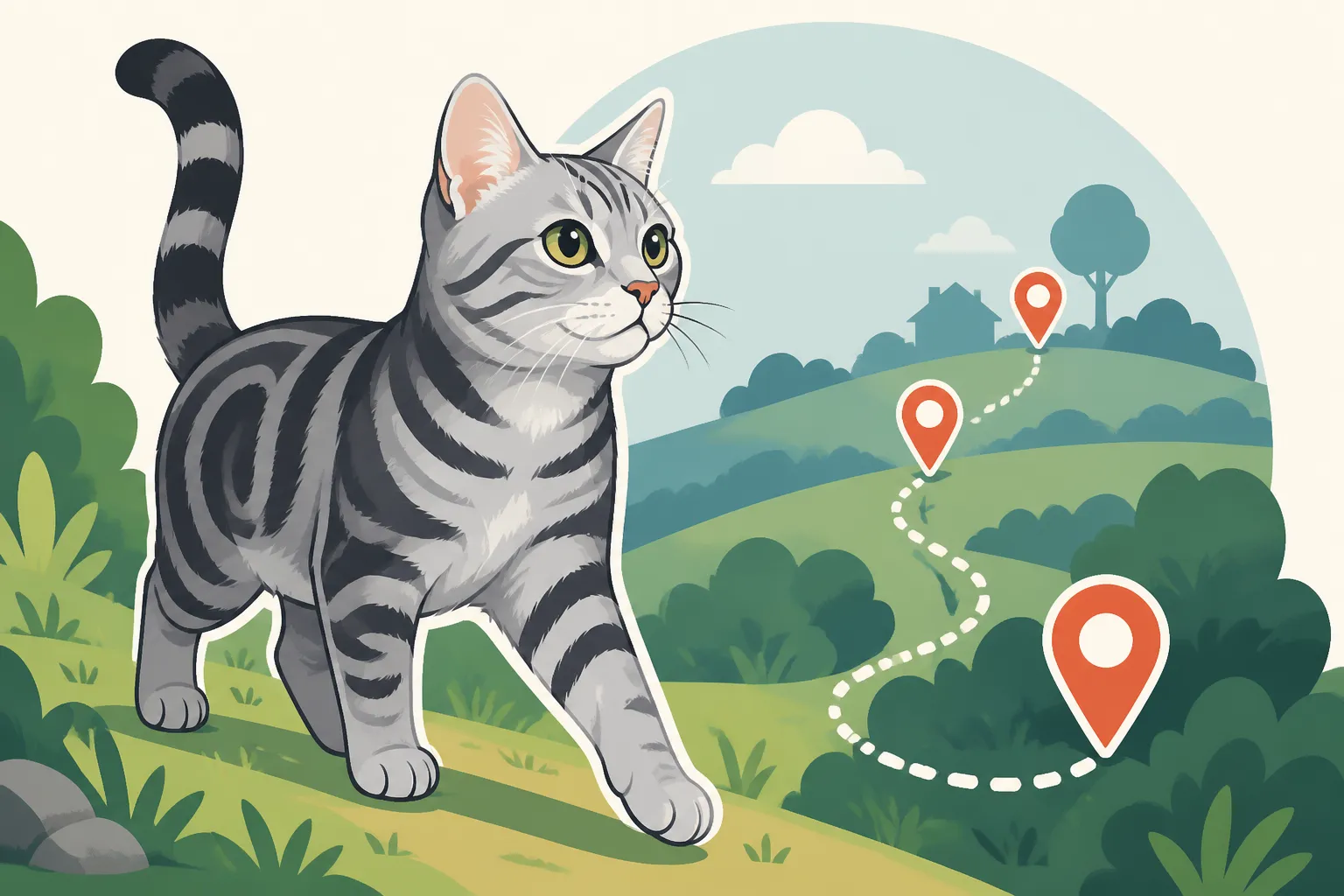
While American Shorthairs are generally smart and possess a good homing instinct, especially within their established territory, venturing too far afield can lead to disorientation. If your cat strays into unfamiliar territory, perhaps chasing prey or escaping a threat, they can easily become lost. Stress and fear can make them hide, preventing them from finding their way back or responding to your calls. They might inadvertently wander into a neighbor's shed or garage, get accidentally locked in, or even trapped in an abandoned building. This is where a microchip becomes invaluable. It's a small, permanent form of identification that can be scanned by a vet or shelter, dramatically increasing the chances of reunion if your American Shorthair does go missing. How an American Shorthair Finds Its Way Home and Why a Roaming American Shorthair Must Be Chipped offer more insights into this vital topic.
Managing Your American Shorthair's Wanderlust
Given the natural drive to explore and the inherent dangers of unsupervised outdoor access, many American Shorthair owners face a dilemma. How do you satisfy their instincts while keeping them safe? The good news is there are several effective strategies.
Keeping Them Indoors
For many, the safest and most reliable way to protect an American Shorthair is to keep them strictly indoors. This completely eliminates the risks of traffic accidents, fights, and exposure to many diseases and parasites. However, an indoor life for a cat with a strong hunting instinct requires thoughtful enrichment to prevent boredom, frustration, and behavioral issues.
- Enrichment is Key: Your home becomes their entire world, so make it stimulating. Provide plenty of vertical space like cat trees, shelves, or wall-mounted perches, allowing them to climb and survey their "territory" from above, satisfying their natural need for height. How Much Vertical Space an American Shorthair Needs has great ideas.
- Interactive Play: Dedicate time each day to active, interactive play that mimics the hunt. Wand toys, feather teasers, and even crinkle balls can provide vital mental and physical exercise. Cycle through different toys to keep things fresh. You can find a fantastic array of puzzle feeders and interactive toys on Amazon that engage their minds and make them "work" for their food, replicating the thrill of the hunt. What an Indoor American Shorthair Does With a Mouser's Instinct explores this topic further.
- Window Perches: A comfortable perch overlooking a bird feeder or a busy street can provide endless entertainment and mental stimulation. It allows them to watch the "outside world" from a safe distance.
Supervised Outdoor Time
If you want your American Shorthair to experience the fresh air and sensory richness of the outdoors without the risks of free-roaming, supervised access is an excellent compromise.
- Catios: A "cat patio" is a secure, enclosed outdoor space that allows your cat to enjoy the sights, sounds, and smells of nature without the danger of wandering off. Catios can range from small window boxes to elaborate multi-level enclosures. They offer safety and mental stimulation. Consider investing in a sturdy catio kit, readily available on platforms like Amazon, or designing your own.
- Harness and Leash Training: Believe it or not, many cats can be trained to walk on a harness and leash! Start with short sessions indoors, gradually extending to the backyard, then to quieter outdoor areas. This allows for controlled exploration, letting your American Shorthair sniff new smells and stretch their legs under your watchful eye.
- Secure Fenced Yards: If you have a fully enclosed yard, you might consider "cat-proofing" it with special fencing extenders or barriers that prevent climbing over or digging under. This creates a larger, secure outdoor territory for them to explore.
Spaying/Neutering
As mentioned earlier, spaying or neutering your American Shorthair is one of the most effective ways to reduce their roaming instincts. This simple surgical procedure, typically done when they are young, significantly decreases the hormonal drive that compels intact cats to wander far and wide in search of mates. Neutered males are much less likely to fight, spray, or roam for miles, and spayed females won't go into heat, eliminating their drive to attract males and roam during that time. It leads to a calmer, safer cat whose focus is more on home and family.
Microchipping and ID Tags
Even with the best intentions and safety measures, accidents can happen. A door might be left ajar, a fence might be breached, or a cat might slip a harness. This is why microchipping is non-negotiable for any American Shorthair, regardless of whether they are strictly indoor or have supervised outdoor access. A microchip is a tiny device, about the size of a grain of rice, implanted painlessly under their skin. It contains a unique identification number that can be scanned by any vet clinic or animal shelter, linking your cat directly to your contact information. This is their permanent ticket home. Additionally, a breakaway collar with an ID tag, perhaps even with your phone number, provides immediate visual identification to anyone who finds your cat. While a microchip is the ultimate backup, a visible tag can often expedite their return. A reliable GPS tracker, often found on Amazon, can offer peace of mind if your cat does slip out, allowing you to track their location in real-time.
Roaming Radius Comparison
To give you a clearer idea, here's a general comparison of typical roaming distances based on common factors:
| Factor | Typical Roaming Distance (Approximate) | Notes |
|---|---|---|
| Intact Male | Up to several miles (2-5+ miles) | Highly driven by hormones; actively seeks mates, patrols large territory. |
| Intact Female (in heat) | Up to 1-2 miles | Seeks mates, but generally less extensive than males; will reduce roaming after mating. |
| Neutered Male / Spayed Female | A few hundred feet (0.1-0.5 miles) | Territory focused on home, resources, and familiar scents; less hormonal drive to wander. |
| Rural Environment | Varies greatly (0.5-5+ miles) | Depends on resources (prey), density of other animals, and availability of cover. |
| Suburban Environment | A few blocks (0.1-0.5 miles) | Limited by fences, houses, and moderate traffic. |
| Urban Environment | Immediate vicinity (a few houses/yard) | Heavily restricted by high traffic, dense population, and lack of open space. |
| Kitten (under 6 months) | Very limited (within sight of home) | Stays close to perceived safety, but curiosity may lead to short excursions. |
| Senior (12+ years) | Very limited (immediate yard/home) | Prefers comfort and familiarity; reduced energy and agility. |
Note: These are approximations. Individual cat personality, local conditions, and presence of threats or attractions can significantly alter these ranges.
Ultimately, how far your American Shorthair roams is a balance between their ingrained nature and the choices you make as their caregiver. Understanding these factors empowers you to create an environment that satisfies their innate curiosity and need for stimulation, all while ensuring their long-term health and safety.
Disclaimer
This article is for general informational purposes only and does not constitute professional advice. Laws, prices and regulations vary by location and change over time. Consult a qualified professional for guidance on your specific situation.