Whether an American Shorthair Is the Cheapest Pedigree Cat
Many cat lovers dream of bringing a pedigree feline into their home, but often the conversation quickly turns to sticker shock and the perceived expense. It’s a common misconception that any pedigree cat automatically comes with a hefty price tag and a lifetime of exorbitant bills. If you’ve found yourself wondering if the sensible, sturdy American Shorthair might offer a more budget-friendly entry into the world of purebred cats, you’re in the right place to explore whether this beloved breed truly stands out as one of the most economical choices available.
Understanding the "Cost" of a Pedigree Cat
When we talk about the "cost" of a pedigree cat, it's easy to get tunnel vision and only focus on that initial price tag from the breeder. However, that's just the very beginning of a long and beautiful relationship, and frankly, it often represents a fraction of what you'll spend over a cat's lifetime. A truly "cheap" cat isn't just one that costs less upfront; it's one that typically requires less ongoing financial commitment in terms of health, specific dietary needs, grooming, and even temperament-related expenses down the line.
Many people are drawn to pedigree cats for their predictable traits – be it appearance, temperament, or even health predispositions. With that predictability, however, can often come a higher upfront cost reflecting the breeder's investment in health screening, quality care, and adherence to breed standards. But a low initial price doesn't always translate to overall savings. Sometimes, a seemingly cheaper pedigree cat might come from less reputable lines, lacking proper health screenings, which can lead to significant veterinary expenses later on. On the flip side, some breeds are simply known for inherent health issues that rack up bills regardless of initial breeder choices. It’s a delicate balance, and understanding this holistic view is key to determining true affordability.
Initial Price Versus Lifetime Expense
Think about it this way: buying a car. You can find a bargain basement deal on an older model, but if it constantly needs repairs, guzzles gas, and depreciates rapidly, was it really "cheap" in the long run? The same principle applies to our feline friends. A kitten might be offered at a lower price point, but if its parents weren't health tested, or if the breed itself is prone to expensive conditions like polycystic kidney disease (PKD) or certain heart ailments, you could be looking at a lifetime of specialist vet visits, medications, and treatments that far outweigh any initial savings.
Conversely, a cat with a slightly higher upfront cost, backed by responsible breeding practices and a robust health history typical of its breed, might actually save you a fortune in the long run. The phrase "you get what you pay for" often rings true in the world of pedigree animals. A reputable breeder's price includes not just the kitten itself, but also the extensive health checks on the parent cats, quality nutrition, early socialization, initial vaccinations, and sometimes even microchipping and spay/neuter costs. These are investments that benefit you and your cat for years to come. This is especially true for a breed like the American Shorthair, which benefits from centuries of natural selection for hardiness before formal breeding even began.
What Contributes to a Pedigree Cat's Initial Cost
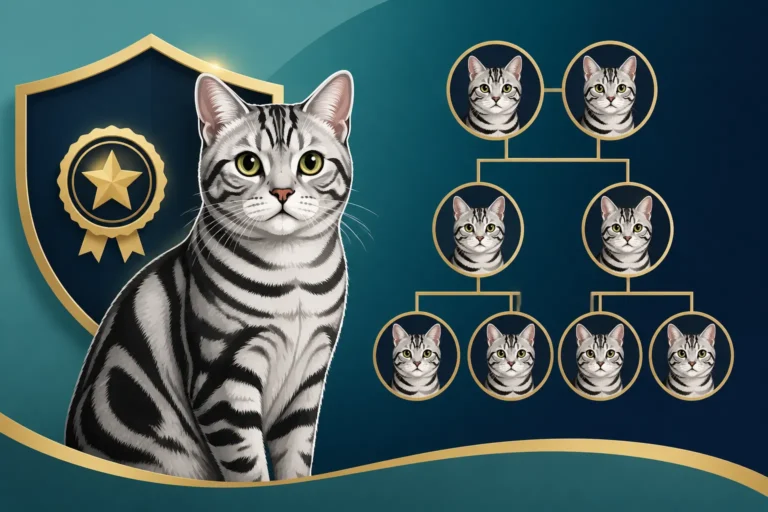
Several factors play into how breeders determine the price of their pedigree kittens. First, there's the lineage itself. Kittens from champion bloodlines, where parents have achieved high honors in cat shows, often command a premium due to their proven adherence to the breed standard and genetic quality. Then there's the breeder's reputation and investment: thorough health screening (genetic tests, cardiac scans, hip evaluations), high-quality food, proper veterinary care for the mother and kittens, and the time and effort dedicated to socialization. These aren't cheap endeavors, and they're reflected in the price.
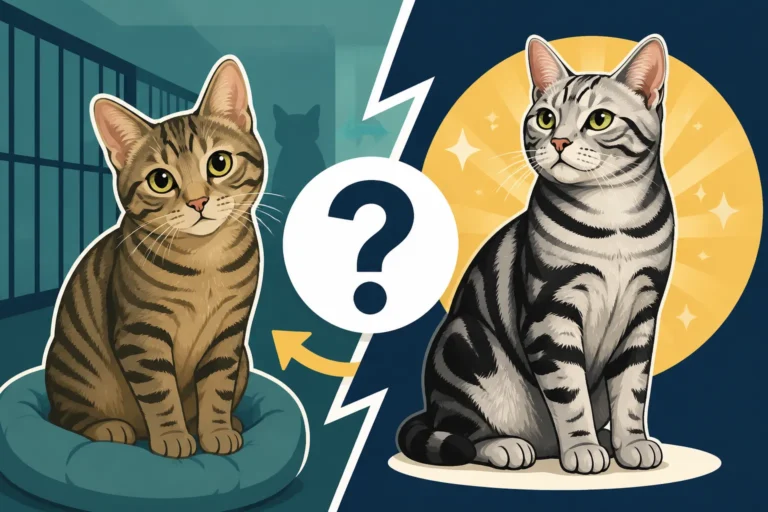
Rarer breeds might also be more expensive simply due to supply and demand, or because specialized care or breeding techniques are required. Certain colors or patterns within a breed might also fetch a higher price if they are particularly sought after or difficult to produce consistently. For example, within the American Shorthair breed, the classic silver tabby pattern has historically been one of the most popular and often commands a premium. Finally, geographical location can influence price, with kittens from breeders in high-cost-of-living areas potentially being priced higher to cover overheads. When you consider What a Pedigree American Shorthair Costs Against a Free Tabby, these factors really come into focus.
Initial Purchase Price: Where the American Shorthair Stands
So, how does the American Shorthair stack up in terms of its initial purchase price compared to other pedigree cats? While it's rarely the absolute lowest cost pedigree you'll find, it's certainly far from the most expensive. It generally sits in a comfortable middle ground, offering excellent value for a well-bred, healthy, and wonderfully tempered companion. You're not typically looking at the sky-high prices associated with some of the rarer or more "designer" breeds that have a very limited gene pool or specific, intensive breeding requirements.
The American Shorthair's history as a working cat, bred for function over extreme aesthetics for centuries, has kept its overall type quite robust. This means less need for highly specialized breeding programs to maintain health or temperament, which can contribute to more reasonable pricing compared to breeds that have undergone intense selective breeding for exaggerated features.
Factors Influencing American Shorthair Purchase Price
The price of an American Shorthair kitten can indeed vary quite a bit, even within the breed itself. Why American Shorthair Prices Range So Widely comes down to a few key elements. First, whether the kitten is destined to be a pet, a show cat, or a potential breeding animal plays a huge role. Pet-quality kittens, which might have a minor deviation from the breed standard that makes them unsuitable for showing but are perfectly healthy and wonderful companions, will naturally be priced lower than a show-quality kitten or one sold with breeding rights.
The kitten's specific markings and color can also impact its price. While all American Shorthairs are lovely, the classic silver tabby pattern, for instance, is incredibly iconic and often in high demand, leading to a slightly higher price. Other less common colors or patterns might also see price fluctuations. A breeder's reputation and location are also factors. A highly respected breeder with a long track record of producing healthy, well-socialized kittens, who invests heavily in health screening and top-notch care, will understandably charge more than a backyard breeder who cuts corners. However, paying a fair price for a kitten from a reputable breeder is an investment in your cat's future health and well-being.
Comparing American Shorthair Initial Costs to Other Popular Breeds
Let's do a quick mental comparison. You'll find that American Shorthairs typically fall into a more accessible price bracket than some of the extremely popular or exotic breeds. For example, breeds like the Sphynx or Bengal, with their unique appearances and specialized care needs, often command much higher initial prices. Even other popular shorthaired breeds like the British Shorthair, known for its plush coat and chunky build, can frequently be priced significantly higher than an American Shorthair.
On the other hand, the American Shorthair is usually priced higher than a domestic shorthair (often affectionately called a "moggy" or "alley cat"), which might be available for adoption at a local shelter for a nominal fee. The difference in price here reflects the pedigree status, the predictability of traits, and the health guarantees that come with a well-bred American Shorthair. When you purchase from a reputable breeder, you're not just buying a cat; you're buying a genetic history, health assurances, and a temperament that aligns with the breed standard. This provides a certain peace of mind that a random-bred cat, while equally deserving of love, cannot always offer. What an American Shorthair Pedigree Guarantees often includes this peace of mind.
Long-Term Ownership Costs: The True Measure of "Cheap"
This is where the American Shorthair really shines when it comes to being a "cheap" pedigree cat. While its initial purchase price is reasonable, its long-term cost of ownership is often remarkably low, primarily due to its robust health, easy-care coat, and adaptable temperament. These are cats bred for resilience and self-sufficiency, traits that translate into fewer vet visits for inherited conditions, minimal grooming expenses, and a generally undemanding lifestyle.
When people talk about the overall expense of owning a cat, they often overlook the recurring costs that add up over a decade or two: food, vet check-ups, potential emergency care, grooming, and toys. An American Shorthair's natural hardiness and moderate needs often mean these ongoing costs are kept to a minimum compared to many other breeds.
Health and Veterinary Expenses
The American Shorthair is widely regarded as one of the healthiest pedigree cat breeds, often cited as a benchmark for feline health. This is largely thanks to its landrace origins and a long history of natural selection before formal breeding began. Unlike some breeds developed for extreme features, the American Shorthair's practical, sturdy build has generally kept it free from many of the debilitating genetic health issues that plague other pedigrees. Why the American Shorthair Is Used as a Health Benchmark speaks volumes about their natural resilience.
While no cat is immune to illness, American Shorthairs tend to have fewer breed-specific hereditary conditions compared to many others. They are generally less prone to conditions like polycystic kidney disease (PKD), various respiratory issues, or complex dental problems that can be common in certain other breeds. The primary hereditary health concern often associated with them is hypertrophic cardiomyopathy (HCM), a heart condition, but reputable breeders screen for this, and even then, its prevalence is lower than in some other popular breeds. How Much Less an American Shorthair Owner Spends at the Vet is often a pleasant surprise to owners switching from other breeds.
Routine vet care for an American Shorthair primarily consists of annual check-ups, vaccinations, and parasite prevention. They typically handle anesthesia well, making procedures like neutering less of a concern than with some more delicate breeds. Why an American Shorthair Is a Low Anesthetic Risk further contributes to their low overall veterinary cost profile. Of course, proactive care, including a healthy diet and regular vet visits, is crucial for maintaining this good health throughout their lives. Pet insurance can also be a smart investment, even for a healthy breed. Many providers, like Healthy Paws, offer customizable plans that can help manage unexpected vet bills without breaking the bank, further solidifying the breed's reputation for cost-effective care.
Food and Nutrition Costs
Because of their robust, muscular build and active nature (especially if they have access to appropriate play and enrichment), American Shorthairs need a good quality diet to maintain their health. However, they don't typically require highly specialized or prescription diets unless a specific health issue arises later in life. Their hearty appetites mean they enjoy their food, but portion control is important to prevent obesity, which is a common issue for many indoor cats. What Feeding an American Shorthair by Portion Costs a Month can be quite manageable.
You can find excellent commercial cat foods that meet their nutritional needs without resorting to the most expensive boutique brands. Many popular brands offer high-quality options at various price points. Online retailers like Chewy provide a vast selection, often with subscription services that can offer savings and convenience for regular food deliveries. For those interested in premium, fresh food options, tailored, human-grade meals, while a higher cost, can contribute to long-term health, potentially reducing vet bills in the future. The key is finding a balanced, protein-rich diet that suits their activity level and age.
Grooming and Maintenance
This is another area where the American Shorthair truly excels in affordability. Their name says it all: "Shorthair." Their dense, resilient coat is incredibly low maintenance. It was literally built to withstand the elements as a working cat, not to require daily brushing or professional grooming. The American Shorthair's Coat Was Built for Weather, Not a Judge. A weekly brush during shedding seasons (spring and fall) is usually more than sufficient to remove loose hair and prevent hairballs. The One Grooming Tool an American Shorthair Owner Buys is typically just a simple slicker brush or a rubber curry comb.
They are fastidious self-groomers and rarely, if ever, require professional grooming services, which can be a significant ongoing expense for many long-haired or high-maintenance breeds. Baths are almost never necessary unless they get into something truly messy. Their strong, healthy claws usually wear down naturally with regular scratching (on appropriate surfaces, of course!), so nail trims might only be needed occasionally. Their ears rarely accumulate excessive wax or debris, and their eyes are typically clear and require no special cleaning. This minimal grooming requirement translates directly into financial savings and less time spent on upkeep.
Temperament and Enrichment Needs
The American Shorthair's calm, adaptable, and independent temperament also contributes to its low cost of ownership. These are not cats prone to destructive behaviors out of boredom or anxiety, provided they have adequate stimulation. They are generally happy with a warm lap, a few engaging toys that stimulate their natural hunting instincts, and a comfortable place to observe their territory. An American Shorthair Asks You for Almost Nothing, which means fewer expenses on constant new toys or elaborate enrichment setups.
While they appreciate interactive play, they don't demand constant attention or entertainment. This can save money on extensive cat-sitting services if you travel, as they are generally quite self-sufficient and cope well with a trusted friend or neighbor checking in once a day. Their placid nature also means they adapt well to various household environments, from quiet apartments to busy family homes, reducing stress-related behavioral issues that could otherwise lead to costly interventions or repairs. Why an American Shorthair Fits Any Household highlights this easygoing nature.
Comparing American Shorthair Costs to Other Pedigrees
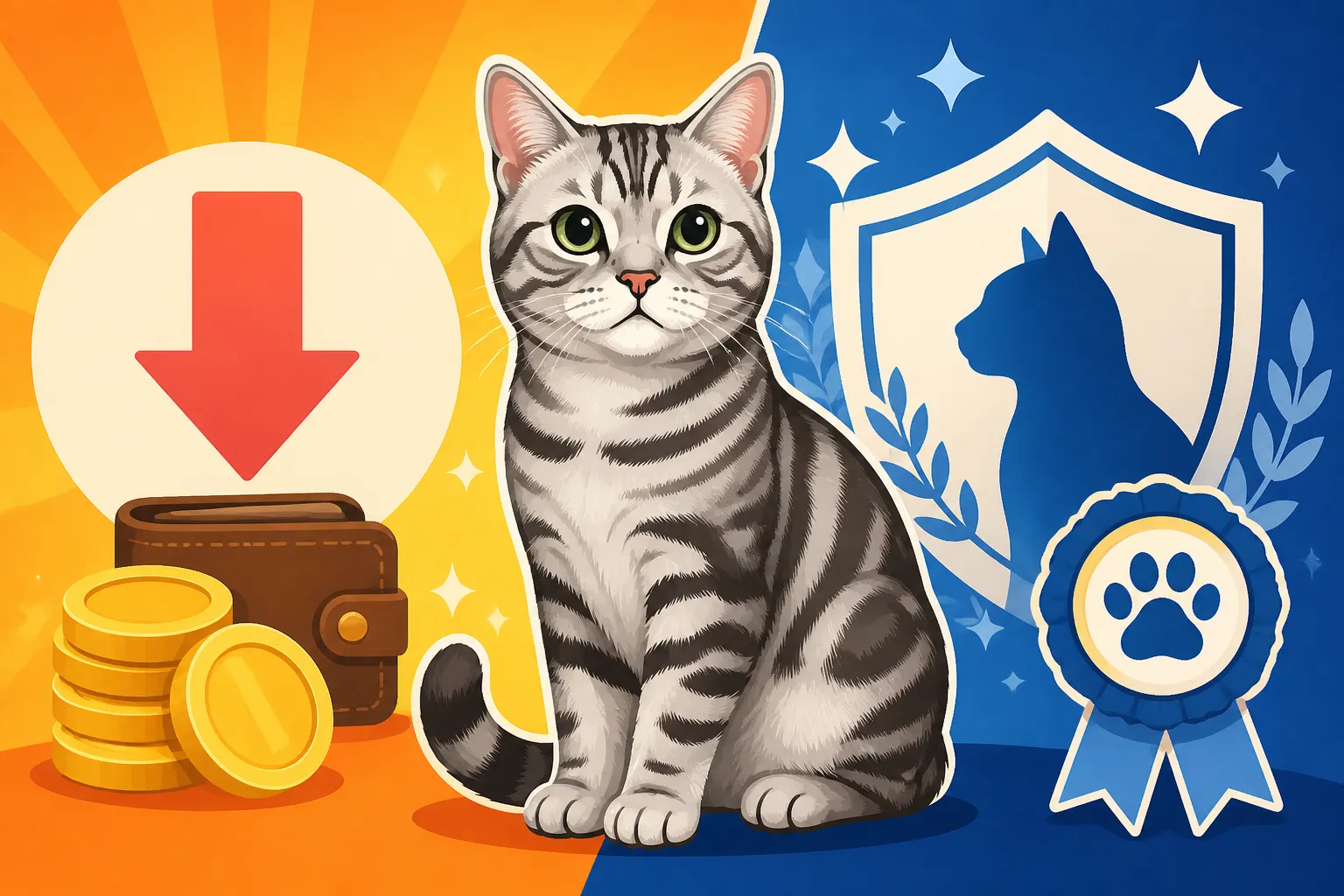
So, after considering both the initial purchase and the long-term ownership, is the American Shorthair the cheapest pedigree cat? The answer is nuanced, but largely, yes, it often is, especially when you consider the overall lifetime cost. While you might find a purebred cat with a slightly lower initial purchase price from time to time, the American Shorthair's inherent health, low maintenance needs, and adaptable temperament mean that its lifetime cost of ownership is consistently among the most affordable in the pedigree world.
It's about value for money. For a moderate initial investment, you're getting a cat with a robust genetic background, minimal grooming requirements, and a lower propensity for expensive, breed-specific health problems. This often translates to significantly lower veterinary bills over its lifespan, manageable food costs, and very few, if any, professional grooming expenses.
Why Health is the Biggest Cost Factor
When assessing the "cheapness" of any pedigree cat, health is undeniably the most significant long-term financial factor. A breed prone to chronic conditions, even if initially inexpensive to buy, can quickly become a financial burden with specialized diets, medications, and frequent veterinary visits. Imagine the costs associated with managing conditions like severe hip dysplasia, certain congenital heart defects, or respiratory problems that plague some breeds. These are the kinds of expenses that can easily run into thousands of dollars over a cat's life.
The American Shorthair, with its generally excellent health profile, mitigates much of this risk. While annual check-ups are essential for any cat, the likelihood of facing major, breed-related health crises is considerably lower. This inherent hardiness is a huge financial advantage that many owners of other breeds simply don't have. It's a testament to their natural origins and a breeding philosophy that prioritizes soundness. For example, What an Untested American Shorthair Usually Dies Of often reflects general feline ailments rather than specific breed-related predispositions.
The Value of Predictable Temperament and Needs
Beyond health, the predictable and undemanding temperament of the American Shorthair also contributes to its overall affordability. These cats are generally easy to live with. They don't typically require extensive training to manage behavioral issues, nor do they often suffer from extreme separation anxiety that might necessitate pet sitters or specialized care. Their moderate energy levels are satisfied with regular playtime, and they are not overly destructive.
This translates into savings on things like specialized behavioral consultations, constant replacement of destroyed furniture, or elaborate enrichment setups designed to appease a high-strung breed. Their calm nature makes them easy to travel with, if needed, and adaptable to new situations, reducing stress for both cat and owner. This predictability and general ease of care contribute significantly to their status as one of the most budget-friendly pedigree options.
Long-Term Value and Satisfaction
Ultimately, when you look at the total picture, from the day you bring your kitten home to their senior years, the American Shorthair truly offers incredible long-term value. Twenty Years of an American Shorthair, Priced Out often reveals that the day-to-day costs are quite manageable, and the predictability of fewer major medical issues makes budgeting much easier.
While no cat is truly "free" and all require a financial commitment, the American Shorthair provides a wonderful combination of reasonable initial cost and impressively low ongoing expenses. You get a delightful, healthy, and easy-to-care-for companion that enriches your life without constantly emptying your wallet. For many cat enthusiasts seeking a pedigree companion, the American Shorthair is not just a beloved breed, but also one of the smartest financial choices.
Disclaimer
This article is for general informational purposes only and does not constitute professional advice. Laws, prices and regulations vary by location and change over time. Consult a qualified professional for guidance on your specific situation.