Whether an American Shorthair Is Expensive to Own
Many people fall in love with the American Shorthair's calm demeanor and classic good looks, often thinking they're just a fancy version of a typical housecat. However, the question of whether an American Shorthair is expensive to own can cause some initial confusion, especially when comparing them to a "free" rescue or a much pricier designer breed. This guide will walk you through the various financial aspects of owning an American Shorthair, from the initial adoption fee or purchase price to the day-to-day costs of food, healthcare, and enrichment over their wonderfully long lifespan.
The Initial Investment: More Than Just a "Tabby" Price Tag
When you're first considering bringing an American Shorthair into your home, the immediate cost that comes to mind is usually the price tag itself. This breed occupies an interesting space in the feline world: they look familiar, like the archetypal domestic shorthair, but they come with a documented pedigree and a history that commands a different price point. It's not just about aesthetics; it's about what that initial investment represents in terms of predictable traits, health assurances, and the time and effort a responsible breeder puts in.
Understanding the American Shorthair's Purchase Price
The cost of an American Shorthair kitten can vary quite a bit, depending on factors like the breeder's reputation, the kitten's lineage, and even its specific markings. You might see prices that are significantly higher than what you'd pay for a random-bred cat, but typically more modest than some of the more exotic or intensely bred pedigrees. A kitten from a well-established breeder, especially one from show lines, will naturally be at the higher end. These breeders invest heavily in health screening their breeding cats, providing excellent care for the mothers and kittens, and ensuring proper socialization. The famous What a Registered American Shorthair Kitten Costs With Papers often reflects not just the kitten itself, but the years of dedication behind its creation.
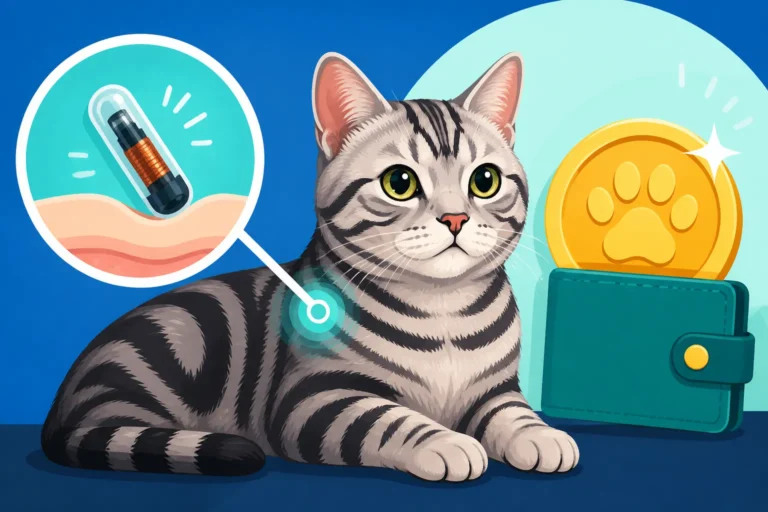
For those curious about pricing specifics, a kitten with "pet quality" markings—meaning it doesn't quite meet the stringent show standards but is otherwise perfect—might be more affordably priced than one destined for the show ring. However, even these pet-quality kittens will still carry a pedigree price. It’s also important to remember that the price isn't just for the animal; it often covers initial vaccinations, deworming, microchipping, and sometimes even the cost of early spay/neuter before they go to their new homes.
What a Pedigree Actually Buys You Beyond Looks
Many people ask, "Why pay for an American Shorthair that looks like a shelter cat?" The answer lies in the predictability a pedigree offers. When you adopt an American Shorthair from a reputable breeder, you're not just getting a cat with a specific look; you're getting a cat whose ancestors have been carefully selected for certain traits, including temperament and health. What an American Shorthair Pedigree Guarantees is often peace of mind. You know what size to expect, the typical personality traits (generally calm, adaptable, and good with families), and you have a history of health screenings.
This breed, for example, is often Why the American Shorthair Is Used as a Health Benchmark because of its generally robust health. While no breed is entirely free of potential issues, a pedigree from a responsible breeder means they've actively worked to minimize inherited conditions. This is a stark contrast to a random-bred cat where genetic predispositions are entirely unknown, potentially leading to costly surprises down the line. It's an investment in a known quantity, reducing some of the unknowns that can turn into significant expenses later.
The "Free" Cat Versus the Registered American Shorthair: A Cost Comparison
The idea of getting a "free" kitten from a neighbor or adopting one from a shelter for a nominal fee is undeniably appealing. And let's be clear: shelter cats are wonderful, deserving companions! However, the initial cost difference between a "free" cat and a registered American Shorthair often doesn't tell the whole financial story. A free kitten might need immediate vet visits for vaccinations, deworming, and spaying/neutering, which can quickly add up. A shelter adoption fee, while low, usually covers these initial medical expenses, making them a fantastic value proposition.
When comparing to a registered American Shorthair, the upfront cost is higher, but it comes with a baseline of care already provided and often a health guarantee. For example, if you consider What an American Shorthair Costs When the Markings Miss, you might get a slightly reduced price, but the core benefits of health screening and predictable temperament remain. The true cost of any cat isn't just the entry fee; it's the lifetime of care, and sometimes, a higher initial investment in a well-bred cat can lead to fewer unexpected medical bills down the road.
Everyday Nourishment: Feeding a Robust Hunter
The American Shorthair, with its sturdy build and working-cat heritage, has an appetite to match. While they are not typically fussy eaters, providing them with appropriate, high-quality nutrition is paramount to maintaining their health and preventing common issues like obesity. This isn't just about throwing down any bowl of kibble; it's about understanding their caloric needs and ensuring their diet supports their strong, muscular frame.
The Ongoing Cost of Quality Cat Food for an American Shorthair
Feeding an American Shorthair doesn't have to break the bank, but choosing a high-quality food is a non-negotiable part of responsible ownership. These cats were historically working animals, keeping barns and ships clear of rodents, so they benefit from a diet rich in animal protein. The cost of cat food varies wildly based on brand, ingredients, and whether you opt for dry kibble, wet food, or even specialized fresh diets. You can expect to spend a consistent monthly amount, which can be somewhat higher for premium brands or for cats with specific dietary needs. Many owners find it convenient to order their supplies, like food and litter, from online retailers such as Chewy, which can offer bulk discounts.
While a generic brand might seem cheaper upfront, investing in a food that provides balanced nutrition, especially one with a good protein-to-fat ratio, can save you money in vet bills down the line by preventing obesity and related health problems. Remember, their solid physique means they have a decent caloric requirement, but it’s important to match it to their activity level.
Managing Portions and Preventing Weight-Related Health Issues
The biggest challenge with feeding an American Shorthair isn't often pickiness; it's preventing them from becoming overweight. Their strong prey drive and hearty appetite, a legacy from their mousing days, means they're very food-motivated. This can be a double-edged sword: great for training, but tricky for weight management, especially for an indoor cat whose hunting opportunities are limited to toy mice. You need to know What an American Shorthair Should Weigh at Its Frame to ensure they maintain a healthy physique. Free-feeding, where food is always available, is often a recipe for weight gain in this breed.
Portion control is key. Dividing their daily caloric intake into a couple of measured meals is far better than leaving a bowl out all day. If you're exploring fresh food options or specialized diets, many come with precise portioning guides. Overfeeding can lead to significant health issues such as diabetes, joint problems, and a shortened lifespan, all of which incur substantial veterinary costs. A little discipline at mealtime can save a lot of heartache and expense in the future.
Hydration and Supplemental Nutrition for Optimal Health
Beyond their regular meals, ensuring your American Shorthair is well-hydrated and receiving all necessary nutrients is vital. Cats naturally have a low thirst drive, a remnant from their desert-dwelling ancestors who got most of their water from prey. This means supplementing their diet with wet food, or providing fresh, appealing water sources, is important. You want to ensure How Much Water an American Shorthair Should Drink each day to support kidney health and prevent urinary issues.
Some owners opt for a pet water fountain, which can encourage drinking by keeping the water circulating and fresh. While supplements aren't always necessary for a cat on a high-quality, balanced diet, your vet might recommend them for specific issues, such as joint support for an aging cat or probiotics for digestive health. These add to the monthly cost, but they are often a worthwhile investment in preventative care, helping to maintain their robust health and activity levels for as long as possible.
Healthcare Across a Long Lifespan: Preventative and Reactive Costs
The American Shorthair is celebrated for its general hardiness, but owning any living creature means committing to their health. From routine check-ups to managing unexpected illnesses, veterinary care will be a significant ongoing expense throughout your cat's life. Understanding what's involved, both preventatively and reactively, helps you budget effectively and ensures your beloved companion gets the best possible care.
Routine Veterinary Care, Vaccinations, and Preventative Measures
Even the healthiest American Shorthair needs regular trips to the vet. Annual wellness exams are crucial for catching any potential issues early. These visits typically include a physical examination, discussions about diet and behavior, and necessary vaccinations to protect against common feline diseases. Core vaccines, such as rabies and feline distemper (FVRCP), are standard. Depending on your cat's lifestyle—especially if they have any outdoor access—your vet might also recommend flea, tick, and heartworm prevention, as well as deworming treatments.
These routine costs are predictable and essential. Skipping annual check-ups or preventative treatments to save money in the short term often leads to more expensive and serious health problems down the road. For example, a preventable illness like feline distemper can lead to emergency veterinary visits, extensive treatments, and potentially dire outcomes, far exceeding the cost of annual vaccinations.
Screening for Specific American Shorthair Health Concerns
While the American Shorthair is largely a healthy breed, they are not entirely immune to genetic predispositions. One condition that is a concern in the breed, though less prevalent than in some other pedigrees, is Hypertrophic Cardiomyopathy (HCM). This is a heart condition where the heart muscle thickens, making it harder for the heart to pump blood effectively. This is why HCM Is the One Inherited Disease the American Shorthair Kept, and why screening is so important. Reputable breeders will screen their cats for this condition. Even for pet owners, it's wise to be aware.
Regular check-ups will include a vet listening to your cat's heart, but for a more definitive screening, especially if a murmur is detected, an echocardiogram (heart ultrasound) performed by a veterinary cardiologist is the gold standard. Why an American Shorthair Still Needs a Yearly Heart Scan, particularly for breeding animals or those showing early signs, cannot be overstated. These specialized screenings add to the cost but provide crucial information about your cat's heart health, allowing for early intervention if needed. Other potential, though rare, concerns might include hip dysplasia due to their sturdy build.
Navigating Unexpected Illnesses and the Role of Pet Insurance
Despite the best preventative care, unexpected illnesses or accidents can happen. A sudden injury, an unforeseen acute illness, or even the development of a chronic condition like diabetes or kidney disease in older age can result in substantial veterinary bills. This is where the question of "expensive to own" truly hits home for many pet parents. Emergency visits, diagnostics (X-rays, bloodwork), surgery, and long-term medication can quickly rack up costs that can strain even a well-prepared budget.
This is why many American Shorthair owners consider pet insurance. When you consider pet insurance, services like Healthy Paws offer various plans that can help mitigate the financial shock of unexpected medical events. While pet insurance itself is an ongoing monthly cost, it can provide immense peace of mind. American Shorthairs are generally Why an American Shorthair Is Cheap to Insure compared to breeds with more inherent health problems, making it a potentially cost-effective safety net over their long lifespan. It's a way to ensure you can always say "yes" to the best possible care without being overwhelmed by the financial burden.
Setting Up Their Sanctuary: Supplies, Grooming, and Enrichment
Beyond the initial purchase and ongoing food and vet bills, creating a comfortable and stimulating environment for your American Shorthair involves a range of supplies. Thankfully, this breed's low-maintenance nature often translates to fewer specialized and expensive items compared to some other breeds. They thrive on simplicity and practicality, reflecting their utilitarian origins.
Essential Gear: Litter Boxes, Beds, and Reliable Carriers
Every cat needs basic gear, and the American Shorthair is no exception. You'll need at least one, and ideally two, spacious litter boxes. Given their sturdy build, ensuring the box is large enough for them to comfortably turn around in is key. The cost of litter itself is a recurring monthly expense that varies depending on the type (clumping, non-clumping, natural) and brand you prefer.
Comfortable bedding is also a must, although many American Shorthairs are perfectly happy curling up on a soft blanket, a sunny windowsill, or even your favorite armchair. You don't necessarily need a fancy designer bed; practicality often wins with these no-nonsense cats. A sturdy, secure carrier is another essential item for vet visits, travel, or any time your cat needs safe transport. Investing in a good quality carrier upfront will save you from replacing flimsy ones, making it a long-term cost-saver.
Minimal Grooming Needs, Maximum Cost Savings
One of the great joys of owning an American Shorthair, and a significant factor in their lower overall ownership cost, is their incredibly low-maintenance coat. Their dense, hard coat was built for protection against the elements, not for extensive pampering. This means you won't be spending money on regular professional grooming appointments or an array of specialized brushes and shampoos. The One Grooming Tool an American Shorthair Owner Buys is often just a simple comb or a rubber grooming mitt, used occasionally to help remove loose hair, especially during their seasonal sheds.
They are meticulous self-groomers and rarely develop mats or tangles. An occasional bath might be necessary if they get particularly dirty, but it's not a regular part of their care routine. This minimal grooming requirement translates directly into financial savings, allowing you to allocate those funds elsewhere, like towards high-quality food or perhaps a fun new toy.
Stimulating Their Instincts: Toys and Scratching Solutions
Even though American Shorthairs are generally calm, they still retain a strong prey drive from their working ancestors. Providing ample opportunities for play and scratching is crucial for their physical and mental well-being, and it helps prevent destructive behaviors like scratching your furniture. Luckily, these items don't have to be expensive. A variety of toys, from crinkle balls to wand toys that simulate hunting, can keep them entertained. Many owners rotate toys to keep things fresh and interesting, and you can often find great options at various price points.
Scratching posts and cat trees are also vital. They satisfy an American Shorthair's instinct to sharpen their claws and stretch, and vertical space gives them vantage points from which to survey their "territory." You might consider several scratching surfaces, some vertical and some horizontal, to see what your cat prefers. Investing in sturdy, tall scratching posts is far cheaper than repairing damaged furniture or upholstery. These enrichment items are an ongoing cost, as toys wear out and posts need replacing, but they are a fundamental part of responsible cat ownership.
The Long Game: Estimating Lifetime Expenses and Unexpected Bills
When people ask whether an American Shorthair is expensive to own, they're often thinking about the immediate costs. However, these cats are known for their impressive longevity, often living 15 to 20 years or even more. This extended lifespan, while wonderful, means that ownership costs need to be viewed as a long-term commitment, not just a series of monthly bills.
The Cumulative Cost of a Long-Lived Companion
Over the course of 15 to 20 years, even modest monthly expenses for food, litter, and routine vet care add up significantly. It's easy to overlook this cumulative figure when budgeting. Considering Twenty Years of an American Shorthair, Priced Out can be an eye-opener. While they might be less prone to certain costly genetic conditions than some breeds, their sheer longevity means you'll be paying for their care for a longer period. This highlights the importance of financial planning and understanding that the "cost of ownership" is truly a lifetime figure.
This longevity is, of course, a huge benefit. More years with your beloved cat means more joy and companionship. But it also means you need to factor in rising costs over time, inflation, and the inevitable increase in veterinary needs as they enter their senior years. Being prepared for this marathon, rather than a sprint, is key to being a responsible American Shorthair owner.
Planning for Senior Cat Care and Age-Related Conditions
As your American Shorthair ages, their healthcare needs typically increase, leading to higher veterinary costs. Just like humans, senior cats are more prone to developing age-related conditions such as kidney disease, hyperthyroidism, arthritis, and dental problems. Regular senior check-ups, which often include more comprehensive bloodwork and urinalysis, become even more crucial for early detection and management. If you're Caring for an American Shorthair Past Twelve, you'll notice a shift in their needs.
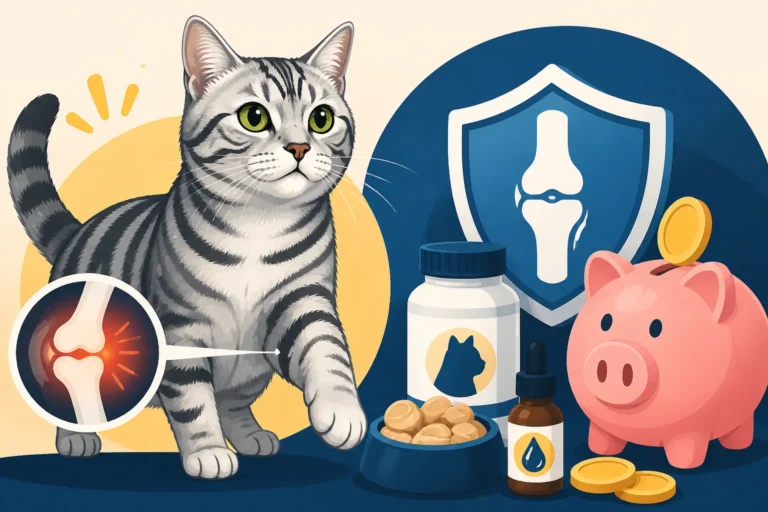
Medications for chronic conditions, special prescription diets, and more frequent vet visits can significantly increase monthly expenses. For example, a cat with kidney disease might need daily medication, regular blood tests, and a specific therapeutic diet. Managing arthritis might involve joint supplements or pain relief medication. While these costs can be substantial, they contribute to maintaining your senior cat's quality of life and comfort in their golden years.
Building an Emergency Fund: The Unforeseen Financial Demands
No matter how well you plan or how healthy your American Shorthair is, unforeseen emergencies can arise. A sudden illness, an accident, or an unexpected diagnosis can lead to emergency vet visits, specialized procedures, or even surgery. These situations can present significant financial demands, sometimes thousands of dollars, all at once. Having an emergency fund specifically for your cat's healthcare can be a lifesaver, both for your finances and for your cat's well-being.
This fund acts as a buffer, allowing you to make decisions based on what's best for your cat, rather than what you can immediately afford. It complements pet insurance, as some conditions might not be covered, or you might have a deductible to meet. Preparing for the unexpected is perhaps the most crucial aspect of budgeting for an American Shorthair, or any pet, throughout their long and cherished life.
Table: Estimated Annual Costs for an American Shorthair (Informational)
Here's a general breakdown of potential annual costs for an American Shorthair, keeping in mind that these are estimates and can vary widely based on location, brand choices, and individual cat needs.
| Category | Estimated Annual Cost Range (Low) | Estimated Annual Cost Range (High) | Notes |
|---|---|---|---|
| Food (Quality Dry/Wet) | $300 | $800 | Varies by brand, wet vs. dry, and special dietary needs. |
| Litter | $150 | $300 | Depends on type, brand, and number of cats. |
| Routine Vet Care | $100 | $250 | Annual exam, core vaccinations. |
| Preventatives | $150 | $400 | Flea/tick/heartworm prevention, deworming (if applicable). |
| Pet Insurance (Mid-Tier) | $240 | $600 | Optional, but highly recommended for emergencies. |
| Toys & Enrichment | $50 | $150 | Varies by preference and durability. |
| Miscellaneous | $50 | $200 | Carrier replacement, minor grooming tools, occasional treats. |
| Total Annual Estimate | $1040 | $2700 | Does not include initial purchase price or major unexpected medical bills. |
Important Note: These ranges are for informational purposes only. Actual costs can be higher or lower. They also do not include the initial purchase price of the cat (which can range from hundreds to over a thousand dollars), or significant one-time expenses like spay/neuter if not included by the breeder/shelter, or emergency medical treatments.
Disclaimer
This article is for general informational purposes only and does not constitute professional advice. Laws, prices and regulations vary by location and change over time. Consult a qualified professional for guidance on your specific situation.