What an Aging American Shorthair’s Medication Bill Reaches
It's a bittersweet reality that as our beloved American Shorthairs age, the joy of their long, healthy lives often comes hand-in-hand with the increasing need for veterinary care, particularly medication. The thought of those mounting monthly medication bills can be truly daunting for any pet parent, making us wonder how we'll continue to provide the best for our cherished companions. This guide aims to shed light on what you can realistically expect your aging American Shorthair's medication costs to entail, outlining common conditions, types of treatments, and strategies to manage these expenses without compromising on their comfort and health.
The Inevitable Climb: Common Ailments Driving Medication Costs in Senior American Shorthairs
Just like us, cats experience a natural decline in health as they get older, and American Shorthairs, despite their robust genetics, are no exception. While they are known for their generally good health and longevity – many reaching The Fifteen to Twenty Years the American Shorthair Was Given – the senior years often bring a medley of chronic conditions that necessitate ongoing medication. It’s not a reflection of poor care, but simply a part of the aging process, and understanding these common ailments can help you anticipate the financial commitment involved.
Chronic Kidney Disease and Its Medications
One of the most prevalent issues in older cats, including our stoic American Shorthairs, is chronic kidney disease (CKD). It's a progressive condition where the kidneys gradually lose their ability to filter waste products from the blood effectively. The initial signs can be subtle, sometimes just a slight increase in thirst or urination, which is why regular senior vet checks, including a full What an American Shorthair's Senior Panel Costs, are so crucial. As the disease progresses, your vet will likely prescribe a combination of medications and dietary changes.
Medications for CKD often include phosphate binders to reduce the absorption of phosphorus, appetite stimulants to encourage eating, anti-nausea drugs to combat sickness, and sometimes even subcutaneous fluids administered at home to prevent dehydration. These aren't one-time fixes; they become a daily, lifelong regimen. Imagine trying to give a reluctant cat a pill every morning, or administering fluids under their skin a few times a week – it's a commitment of both time and money. The cost of these medications can vary significantly, from relatively inexpensive phosphate binders to more costly specialized supplements or anti-nausea injections. Over months and years, these add up, becoming a significant part of How Kidney Disease Creeps Up on an Old American Shorthair.
Hyperthyroidism and Treatment Options
Another frequent diagnosis in older American Shorthairs is hyperthyroidism, a condition where the thyroid gland produces too much thyroid hormone. This can lead to a range of symptoms from weight loss despite a ravenous appetite, hyperactivity, and a fast heart rate, to a poor coat condition. If you notice your usually calm American Shorthair suddenly darting around or losing weight, it's definitely something to discuss with your vet. Why Hyperthyroidism Catches a Long Lived American Shorthair is often because the thyroid simply wears out or develops benign growths over time.
The most common medication for hyperthyroidism is methimazole, typically given orally, sometimes twice a day. This medication helps to control the overproduction of thyroid hormones. While generally affordable per pill, the ongoing nature of the treatment means a continuous expense. Regular blood tests are also needed to monitor thyroid levels and adjust the dosage, adding to the overall cost. Some owners explore more permanent solutions like radioactive iodine therapy or surgery, but these come with a much higher upfront cost, though they might eliminate daily medication expenses in the long run.
Arthritis and Pain Management
It's easy to dismiss a senior cat slowing down as just "old age," but often, it's a sign of underlying pain, particularly arthritis. Our sturdy American Shorthairs were built to be active hunters, and years of jumping, stalking, and pouncing can take a toll on their joints. You might notice your cat hesitating before jumping onto the sofa, struggling with stairs, or just generally moving with less grace. This is Why an Old American Shorthair Slows Before It Limps. They're masters at hiding discomfort, so any subtle change in movement is worth investigating.
Managing arthritis in cats primarily involves pain relief and joint support. This might include daily oral non-steroidal anti-inflammatory drugs (NSAIDs) prescribed by your vet, which can help reduce inflammation and pain. There are also various joint supplements containing ingredients like glucosamine and chondroitin, often available over the counter or through your vet. While supplements don't typically replace prescription pain relievers, they can be a helpful addition to a comprehensive pain management plan. The combination of daily pain medication and supplements can represent a substantial monthly outgoing, especially if you opt for high-quality, veterinarian-recommended brands. Consider exploring options for What Joint Support Costs an American Shorthair Owner.
Heart Conditions and Cardiac Drugs
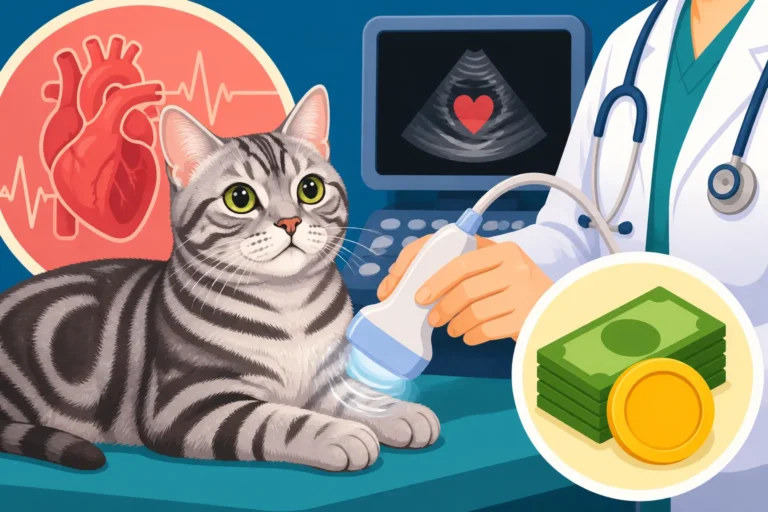
Even robust breeds like the American Shorthair can develop heart conditions as they age, with hypertrophic cardiomyopathy (HCM) being a concern, although less common in this breed than some others. HCM causes the walls of the heart to thicken, making it less efficient at pumping blood. While many American Shorthairs are generally healthy, regular check-ups can sometimes reveal a heart murmur that needs further investigation with an echocardiogram. How a Vet Manages an American Shorthair With HCM often involves a cocktail of cardiac medications.
These medications can include diuretics to reduce fluid buildup, ACE inhibitors to relax blood vessels and reduce the heart's workload, and sometimes beta-blockers to regulate heart rhythm. These are often lifelong treatments, and your cat may need multiple types of medication, possibly given several times a day. The cost of these specialized cardiac drugs can be among the higher-end expenses, and regular follow-up appointments with a veterinary cardiologist, including repeat echocardiograms, will add to the overall financial commitment. This is a situation where having a plan for What Heart Medication Costs an American Shorthair Owner becomes critical.
Understanding the Cost Spectrum of Senior Cat Medications
When we talk about medication bills for an aging American Shorthair, it’s not just the active ingredient you're paying for. Several factors influence the final cost you'll see at the pharmacy, or when your vet hands you that tiny bottle of pills. From the form of the medication to whether it's a widely available generic, these details collectively shape your budget.
Daily Pills, Liquid Formulations, and Injections
The format of your cat's medication can significantly impact both ease of administration and cost.
- Pills: Oral pills are often the most common and generally the most cost-effective option. However, getting a pill into a cat, especially daily for years, can be a challenge. Some cats are easy; others turn it into a wrestling match. You might need pill pockets or compounding services to make them palatable, which adds to the expense.
- Liquid Formulations: For cats that absolutely refuse pills, liquid medications can be a godsend. These can sometimes be mixed with food or given directly into the mouth with a syringe. While more convenient for some owners, liquid formulations, especially if compounded by a pharmacy to a specific flavor, can be more expensive per dose than their tablet counterparts.
- Injections: Certain medications, like some forms of insulin for diabetic cats or certain long-acting pain medications, are given by injection. While the initial instruction and supplies (syringes, needles) add to the cost, the medication itself can vary widely. If you're administering injections at home, it saves on vet visits but requires a commitment to learning the technique and handling sterile supplies.
- Transdermal Creams: For some medications, such as methimazole for hyperthyroidism, a transdermal cream can be applied to the skin (often the inner ear). This can be a huge relief for cats resistant to oral medication. However, these compounded creams are typically more expensive than pills and require careful handling by the owner to avoid absorption.
The consistency of treatment is paramount for managing chronic conditions. Missing doses not only wastes money but can also lead to setbacks in your cat's health, potentially resulting in more expensive emergency care down the line.
Specialty vs. Generic Medications
Just like human medicine, veterinary pharmaceuticals come in branded (specialty) and generic versions.
- Specialty Medications: These are often newer drugs, or those with patented formulations, and they tend to be significantly more expensive. They might offer unique benefits or be the only available treatment for a specific condition. Your vet will recommend these when they believe they offer the best outcome for your cat.
- Generic Medications: Once a patent expires, generic versions of drugs become available. These contain the same active ingredients and are held to the same standards of safety and efficacy as their branded counterparts, but they are typically much more affordable. Whenever possible, your vet might suggest a generic option to help manage costs without compromising care. Don't be afraid to ask your vet if a generic alternative is suitable for your American Shorthair. This simple question can sometimes cut your medication bill significantly.
It's always worth discussing with your veterinarian whether a generic equivalent exists and is appropriate for your cat's specific condition and response to treatment. For ongoing chronic conditions, every dollar saved on medication adds up over the years.
Prescription Diets as a Medical Management Tool
It might surprise some, but specialized prescription diets are often a critical component of medical management for many chronic conditions in senior American Shorthairs. These aren't just fancy foods; they are formulated with specific nutritional profiles designed to support organ function, reduce symptom severity, or even slow disease progression.
- Kidney Support Diets: For cats with CKD, prescription kidney diets are restricted in protein and phosphorus to reduce the workload on failing kidneys. Why an Old American Shorthair Needs Food It Can Manage often directly relates to conditions like kidney disease or dental problems.
- Urinary Health Diets: For cats prone to urinary issues, specialized diets can help manage urine pH or dissolve certain types of bladder stones.
- Weight Management Diets: If your senior American Shorthair is overweight, a prescription weight-loss diet can reduce strain on joints and organs.
These diets are not cheap. They are generally more expensive than regular over-the-counter cat food, and for conditions like CKD, they are a lifelong requirement. Think of them as liquid or solid medicine that your cat consumes daily. While a significant ongoing cost, they can sometimes reduce the amount of medication needed or delay the progression of the disease, potentially saving money on more intensive treatments in the long run. Many pet parents find that getting these specialized foods through online retailers like Chewy, which often have auto-ship options and sometimes offer discounts, helps manage this expense.
Strategies for Managing Your Aging American Shorthair's Medication Bill
Facing a future of ongoing medication costs for your senior American Shorthair can feel overwhelming, but you're not alone. There are proactive steps you can take and resources available to help make these expenses more manageable, ensuring your cherished feline friend receives the care they deserve without breaking the bank.
The Role of Pet Insurance in Covering Ongoing Costs
One of the most effective ways to mitigate the financial impact of chronic conditions and their associated medication bills is pet insurance. While it's an upfront monthly or annual premium, a good policy can offer significant relief, especially as your cat ages and conditions become more prevalent.
- Accident & Illness Plans: These are the most comprehensive, covering a wide range of conditions from unexpected injuries to chronic diseases like those common in senior American Shorthairs. Many plans will reimburse a percentage of your eligible veterinary expenses, including prescription medications, diagnostics, and even some prescription diets.
- Pre-existing Conditions: It's crucial to understand that most pet insurance policies do not cover pre-existing conditions. This means if your American Shorthair is diagnosed with hyperthyroidism before you enroll in a plan, that specific condition (and its medications) will likely not be covered. This highlights the importance of enrolling your cat in pet insurance when they are younger and healthy, before any chronic issues emerge.
- Deductibles and Reimbursement Levels: Policies vary in their deductibles (the amount you pay before coverage kicks in) and reimbursement levels (e.g., 70%, 80%, or 90% of covered costs). When comparing options from providers like Healthy Paws, make sure to read the fine print and choose a plan that aligns with your budget and risk tolerance. While it might seem like an added expense, many owners find that Whether Insurance Pays Off on a Low Risk American Shorthair becomes a resounding 'yes' when chronic conditions arise.
For a senior American Shorthair already on medication for a chronic condition, a new insurance policy might not cover that specific ailment. However, it can still be invaluable for any new illnesses or accidents that might occur, providing a safety net for future, unforeseen health challenges.
Exploring Online Pharmacies and Discount Programs
Once your veterinarian prescribes medication for your American Shorthair, you're not always obligated to fill that prescription directly through their office. Exploring other avenues can often lead to substantial savings, especially for long-term medications.
- Online Pet Pharmacies: Reputable online pharmacies are a fantastic resource. They often offer prescription medications at a lower cost than brick-and-mortar veterinary clinics. Services like Chewy's online pharmacy or others can deliver prescriptions right to your door, often with auto-refill options and loyalty discounts. Just ensure you're using a Veterinary-Verified Internet Pharmacy Practice Sites (Vet-VIPPS) accredited pharmacy to guarantee safety and legitimacy. You'll typically need your vet to approve the prescription with the online pharmacy, which is a standard and easy process.
- Human Pharmacies: Many common veterinary medications are human generics. Your vet might be able to prescribe a human version of a drug that can be filled at your local human pharmacy (e.g., CVS, Walgreens, Walmart). These often come with significantly lower prices, and you can sometimes use discount cards or programs to reduce the cost even further. Always ask your vet if this is an option for your American Shorthair's particular medication.
- Manufacturer Rebates and Assistance Programs: For certain brand-name medications, manufacturers sometimes offer rebates or patient assistance programs. Your vet's office may be aware of these, or you can check the manufacturer's website directly. These programs are less common for generic pet medications but can be a lifesaver for expensive specialty drugs.
A little research and a conversation with your vet can go a long way in finding the most economical source for your cat's necessary medications without sacrificing quality or safety.
Proactive Care to Potentially Reduce Future Bills
While some age-related conditions are unavoidable, maintaining excellent proactive care throughout your American Shorthair's life, and especially as they reach their senior years, can sometimes delay the onset or reduce the severity of certain conditions, potentially impacting medication needs down the road.
- Regular Veterinary Check-ups: This is perhaps the most crucial aspect. Regular check-ups, ideally twice a year for senior cats, allow your vet to catch subtle changes early. Early detection of conditions like kidney disease or hyperthyroidism means earlier intervention, which can slow progression and potentially reduce the amount or intensity of medication needed later. Your vet can also monitor for new issues, or changes in existing ones, helping to fine-tune existing medication plans. Caring for an American Shorthair Past Twelve is all about this vigilance.
- Optimal Nutrition: Feeding a high-quality, species-appropriate diet from kittenhood through their golden years is foundational to good health. As your cat ages, a diet tailored for seniors can support kidney health, joint function, and weight management. Brands that focus on high-quality ingredients and nutritional balance, and some even offer specialized senior cat foods. While not a replacement for medication, good nutrition can be a powerful preventative and supportive tool.
- Weight Management: Obesity is a silent killer for cats, exacerbating arthritis, increasing the risk of diabetes, and putting strain on internal organs. Keeping your American Shorthair at a healthy weight through appropriate portion control and engaging play can significantly reduce the likelihood of these conditions developing or becoming severe, thereby potentially reducing medication needs. What Extra Weight Does to an American Shorthair's Working Frame is considerable and costly.
- Environmental Enrichment and Exercise: Keeping your senior cat active and engaged, even if it's just gentle play sessions, supports muscle tone, joint health, and mental well-being. A stimulated cat is generally a healthier cat. Providing appropriate scratching posts, perches, and toys encourages movement and can indirectly contribute to better physical health, sometimes reducing the need for extensive joint support or behavioral medications.
While proactive care requires an investment of time and resources, it's often an investment that pays dividends in terms of your cat's quality of life and potentially lower long-term medication costs. It's about empowering your American Shorthair to live out its long life as comfortably and healthily as possible.
Estimated Medication Cost Examples for an Aging American Shorthair (Monthly)
Please remember these are general estimates and actual costs will vary based on your location, specific veterinarian, chosen pharmacy, medication dosage, and brand/generic availability.
| Condition | Common Medications/Treatments | Typical Monthly Cost Shape (Estimate, check current prices) | Notes |
|---|---|---|---|
| Chronic Kidney Disease (CKD) | Phosphate binders, appetite stimulants, anti-nausea medication, subcutaneous fluids (solution & supplies) | Moderate to High | Often multiple medications, plus potential for prescription kidney diet (extra cost). Home fluid administration can save on vet visits but materials have ongoing cost. |
| Hyperthyroidism | Methimazole (oral or transdermal), periodic blood tests | Low to Moderate | Oral is generally cheaper than compounded transdermal. Lifelong treatment with ongoing monitoring. One-time radioactive iodine therapy is much higher upfront but often curative. |
| Arthritis/Degenerative Joint Disease | Oral NSAIDs, joint supplements (glucosamine/chondroitin), sometimes therapeutic injections | Low to Moderate | NSAIDs are prescription; supplements can be OTC or vet-specific. Costs increase if multiple joints are affected or higher-dose pain relief is needed. Physical therapy and laser treatments are additional, elective costs. |
| Hypertrophic Cardiomyopathy (HCM) | Diuretics, ACE inhibitors, beta-blockers, anti-clotting medication | Moderate to High | Often a combination of several specialized cardiac drugs, which can be expensive. Regular re-evaluations with a cardiologist (echocardiograms) add to the overall expense beyond just medication. |
| Diabetes Mellitus | Insulin injections (insulin, syringes), dietary management, glucose monitoring supplies | Moderate to High | Insulin itself can be costly and requires proper storage. Needles/syringes are a constant cost. Prescription diabetic diet (extra cost). Monitoring supplies add up. Costs can fluctuate based on dosage. |
| Dental Disease | Pain relief, antibiotics (short-term for active infection) | Low (intermittent) | Primary cost is usually the dental procedure itself (cleaning, extractions). Medications are short-term post-op. Ongoing dental chews/supplements are additional, preventative costs, but rarely a medication bill. |
| Chronic Pain (various sources) | Gabapentin, Buprenorphine, other specific pain relievers | Low to Moderate | Dosage and duration determine cost. Can be given in pill or liquid form. May be used in conjunction with other treatments. |
The total medication bill for an aging American Shorthair can truly vary. A cat with mild arthritis might only need a monthly joint supplement, which could be relatively inexpensive. A cat with advanced kidney disease, hyperthyroidism, and early heart changes, however, could be on five or more medications daily, plus a prescription diet, potentially reaching a substantial sum each month. It's a journey, and the best approach is to stay in close communication with your vet, exploring all options for both care and cost management as your beloved American Shorthair enters their golden years. What an American Shorthair's Last Year Costs often sees these bills at their peak.
Disclaimer
This article is for general informational purposes only and does not constitute professional advice. Laws, prices and regulations vary by location and change over time. Consult a qualified professional for guidance on your specific situation.